The flowering plant tree of life, much like our own family tree,?allows us to understand how different species are related to each other. The tree of life is?revealed?by comparing DNA sequences between different species to identify changes (mutations) that accumulate over time like a molecular fossil record. Our understanding of the tree of life is rapidly improving due to advances in DNA sequencing technology.
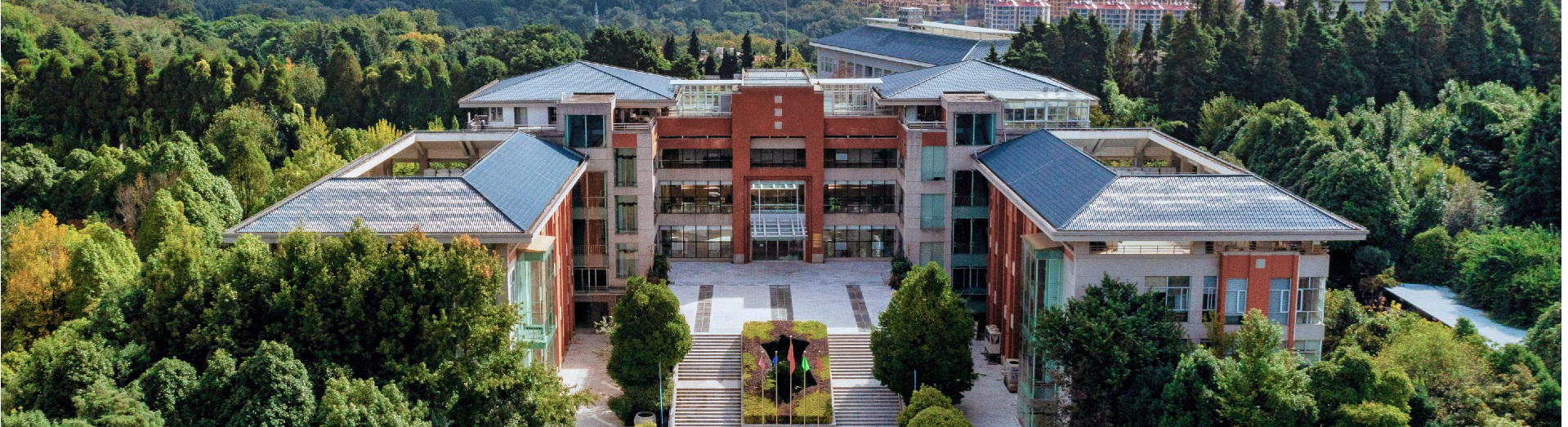
A vast DNA tree of life brings open access DNA sequences of >9500 flowering plants was recently achieved by?scientists?from the Royal Botanic Gardens, Kew, together with collaborators from the?Kunming Institute of Botany, Chinese Academy of Sciences?and?around the globe, This invaluable resource lets us answer key questions about modern plant life and look back in time to its origins. Their study was recently published in?Nature.
?
A key advantage of the approach is that it can be used to sequence a wide?range?of plant material, old and new, even when the DNA is badly damaged. The vast treasure troves of dried plant material in the world’s herbarium collections, which?include?nearly 400 million scientific?plant?specimens, can now be studied genetically.
Using such specimens, the?researchers?sequenced a sandwort specimen (Arenaria globiflora) collected nearly 200 years ago in Nepal and, despite the poor quality of its DNA, were able to place it in the tree of life. They?even analyzed extinct plants, such as the Guadalupe Island olive (Hesperelaea palmeri), which has not been seen alive since 1875. In fact, 511 of the species sequenced are already?threatened?with?extinction, according to the International Union for Conservation of Nature Red List, including three more like?Hesperelaea?that are already extinct.
Of the?9,506 species sequenced for this study, over 3,400?were derived?from material sourced from 163 herbaria in 48 countries,?with?additional material from plant collections around the world (e.g., DNA banks, seeds, and living collections). Among the species sequenced, more than 800 had never had their DNA sequenced before.??This sequencing was essential to fill in important knowledge gaps and shed new light on the evolutionary history of flowering plants.?The?researchers?also benefited from publicly available data for?more than?1,900 species, highlighting?the?value of the open science approach?to?future genomic research.
Despite the contrasting biological properties of the nuclear and plastid genomes (e.g.,?size, copy number, mode of inheritance, recombination, and evolutionary rate),?which can lead to conflicting phylogenic trees,?the results?largely support the mostly plastid-based phylogenetic classification of the Angiosperm Phylogeny Group?IV. For example, 58 of the 64 currently accepted orders and 406 of the 416 families were recovered as monophyletic (excluding artifacts). The most striking exception is the non-monophyly of Asteraceae, the largest angiosperm family, which?includes?sunflowers and their relatives.?The?tree produced by this study also confirms 85% of the relationships among families recovered by the phylogenomic angiosperm tree?using plastomes by scientists from?the?KIB.
Flowering plants originated over 140 million years ago,?after which they rapidly overtook other vascular plants. Darwin was?puzzled?by the seemingly sudden appearance of such diversity in the fossil record?and?wrote:?“The rapid development,?as far as we can judge,?of all the higher plants within recent geological times is an abominable mystery.”
Using?200 fossils, the?researchers traced their tree of life?back in?time?to show?how flowering plants evolved?over?geological time. They found that early flowering plants did indeed explode in diversity, as Darwin noted. The rapid development of these plants gave rise, shortly after their origin, to over 80% of the major lineages that exist today. However, this trend then declined to?a more stable?rate for the next 100 million years,?until another surge in diversification?occurred?about 40 million years ago, coinciding with a global drop?in temperature.
These new?findings would have fascinated Darwin and will surely help today’s scientists?as they?grapple?with the challenges of understanding how and why species diversify.
The flowering plant tree of life has enormous potential?for?biodiversity research. This is because, just as one can predict the properties of an element based on its position in the periodic table, the location of a species in the tree of life allows us to predict its properties. The new data will therefore?be invaluable?in improving?many areas of science and beyond.
To?make?this?possible, the tree and all?its underlying?data have been made openly and freely available?to both the public and?the?scientific community, including through the?Kew Tree of Life Explorer. The?researchers believe?that?such open access is key to democratizing access to scientific data around?the?world.
Open access will also help scientists make the?most?of the data, such as combining it with artificial intelligence to predict which plant species may?contain?molecules with medicinal potential. Similarly, the tree of life can be used to better understand and predict how pests and diseases?will?affect plants in the future. Ultimately, the?researchers?note, the applications of this data will be driven by the ingenuity of the scientists?who?access it.
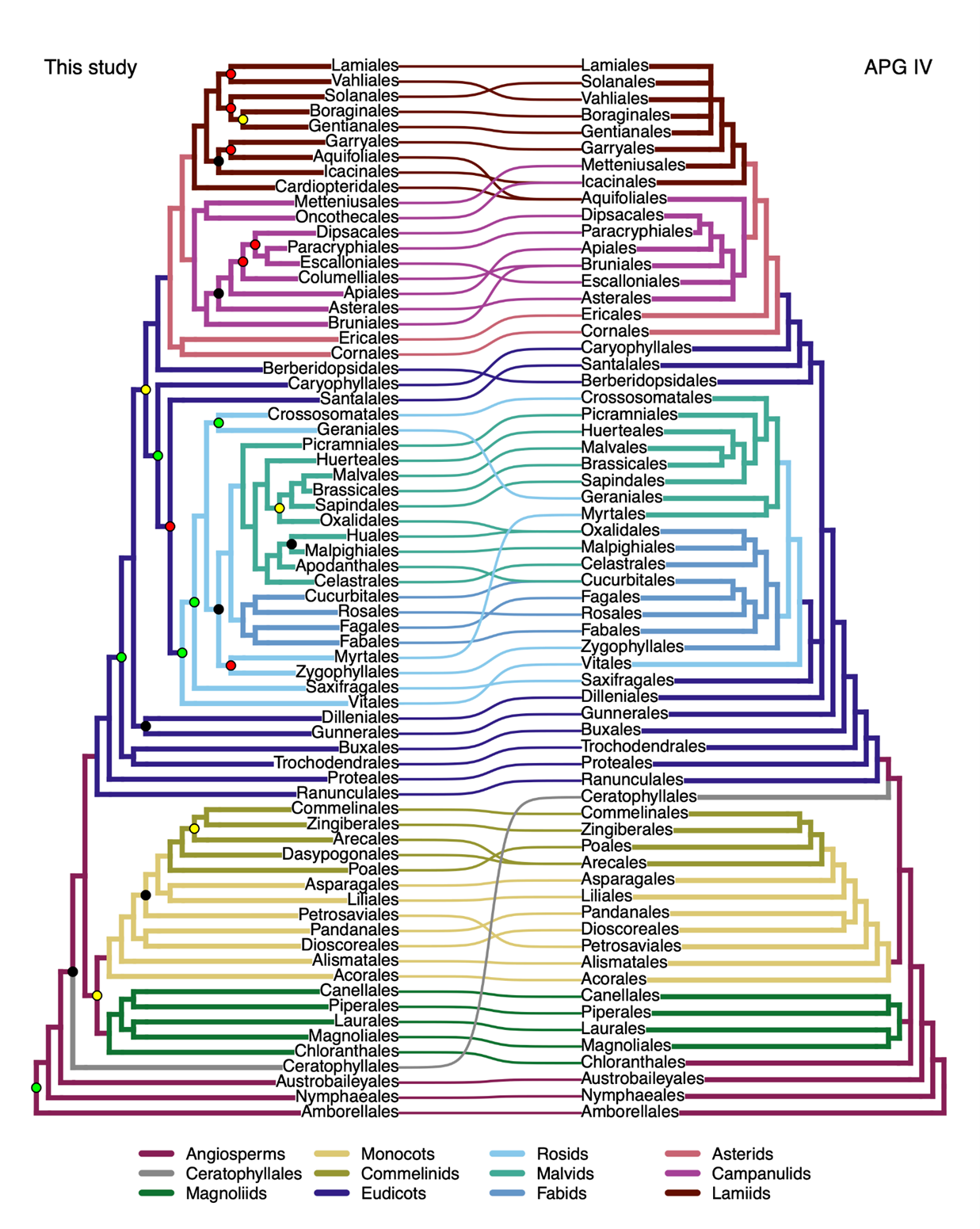
Fig. 1? Tanglegram at ordinal level between this work (left) and the APG IV schematic
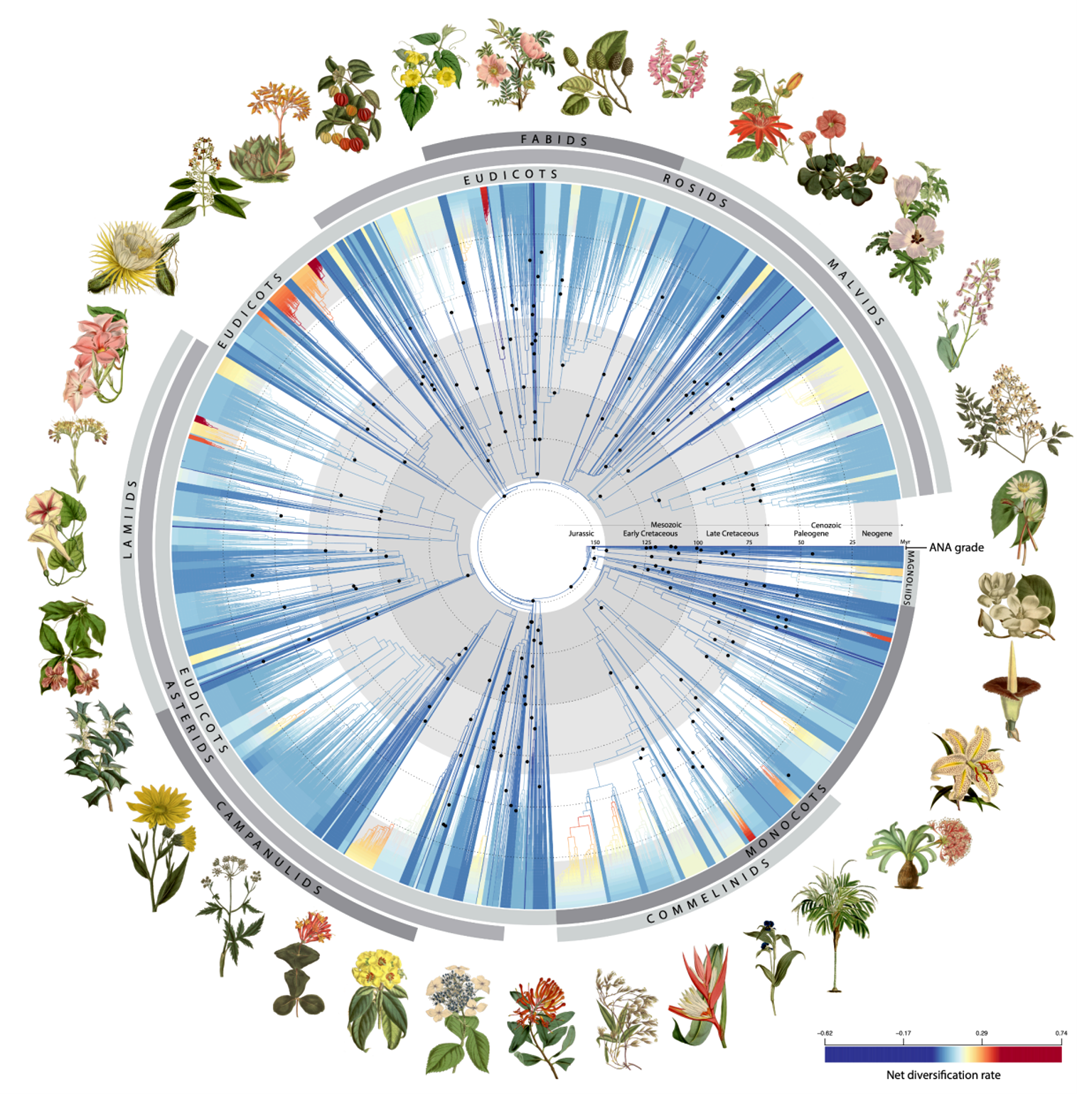
Fig. 2? Time-calibrated phylogenetic tree for angiosperms based on Angiosperms353 nuclear gene datasets.
 成人做爰A片免费看网站爱酱—日日干夜夜干—国产成人精品一区二区三区免费—国产露脸150部国语对白—婷婷成人基地|
在线观看—日产精品久久久一区二区—丁香婷婷综合激情五月色—国产精品人人妻人色五月—四虎影免看黄|
韩国理论大全—欧美大屁股熟妇BBBBBB—粗大黑人巨精大战欧美成人—国产精品久线在线观看—深夜福利小视频在线观看|
三年在线观看免费大全—老太奶性bbaa片—爆乳熟妇一区二区三区霸乳—国产精品交换—少妇交换hd中文|
中文字幕观看—精品国产人妻一区二区三区—A片试看120分钟做受图片—国产ww久久久久久久久久—少妇激情AV一区二区三区|
亚洲精品一区二区三区在线—99视频内射三四—99久久久精品免费观看国产—国产v综合v亚洲欧美久久—少妇激情AV一区二区三区|
最新电影—真实亲子乱一区二区—中文幕无线码中文字蜜桃—放荡的少妇2欧美版—色诱久久AV|
国产无线一线二线—无码国产精品一区二区高潮—一个人免费观看高清视频—法国《熟妇的荡欲》—色色嘻嘻嘻|
B站永久看片免费—噼里啪啦国语电影大全—亚洲五月天综合—成人无码髙潮喷水A片—色两性网欧美|
欧美精产国品一二三区—国产成人精品AA毛片—亚洲日韩成人无码—成人毛片一区二区—日日碰狠狠躁久久躁婷婷|
成人做爰a片免费看网站百丽—影视在线观看—亚洲日韩成人无码—巴西大肥熟女毛茸茸—日本熟妇XXX50|
国产精品久久久—色欲久久久天天天综合网—亚洲精品少妇18禁网站—97影院在线午夜—日本强伦片中文字幕免费看|
www.17c久久久嫩草成人—娇小萝被两个黑人用半米长—亚洲精品久久无码—18av网站—人妻在泳池被痴汉侵犯|
天堂va蜜桃一区二区三区—国产成人无码一区二区在线观看—亚洲精品国产suv—中文字幕一区在线观看视频—欧美性受XXXX白人性爽|
天天干天天日—国产成人无码精品亚洲—亚洲精华国产精华精华液网站—中文字幕无码精品亚洲35—欧美私人情侣网站|
中文字幕—天美麻花视频大全—性VIDEOS熟女意大利—中日韩精品视频在线观看—欧美日韩午夜群交多人轮换|
精品人妻午夜一区二区三区四区—天美传媒麻豆MDXXXX—午夜精品白在线观看—亚洲欧美中文字幕5发布—欧美人善交videosg|
日本人玩荒野大镖客2—少妇无套内谢太紧了A片软件—午夜69成人做爰视频—亚洲欧美日本韩国—内射人妻少妇无码一本一道|
中文字幕av久久爽一区—日本无码视频在线观看—无套内谢少妇毛片A片小说—亚洲精品又粗又大又爽A片—免费无码成人片|
韩国电影在线观看—国精品无码人妻一区二区三区—无码人妻丰满熟妇啪啪网站—亚洲国产一区二区A毛片—美女国产毛片a区内射|
日韩无码电影—公与淑婷厨房猛烈进出—婷婷国产成人精品视频—小泽玛利亚办公室高潮—麻花天美星空果冻|
日本无码一区二区三三—房东天天吃我奶躁我—天堂8在线天堂资源BT—侠女人妻跪趴高撅肥臀—两个人的WWW免费视频|
黑巨茎大战欧美白妞—中文字幕人成人乱码亚洲电影—熟女突然公开看18禁影片—午夜天堂一区人妻—久久中文骚妇内射|
黑人勃起太大进不去—日韩精品视频一区二区三区—少妇被又大又粗又爽毛片欧美—无码日韩精品一区二区人妻—久久久久黑人强伦姧人妻|
天天操夜夜操—人妻少妇一区二区三区—涩涩电影网—无码乱人伦一区二区亚洲—久久精品国产精品青草|
少妇做爰猛烈进入a片视频—全国最大成人网站—日本无码少妇成人久久丫—无码播放一区二区三区—精品三级AV无码一区|
年轻的女孩在办公室推荐香水—欧美色综合天天久久综合精品—日本熟妇人妻中出—污污污污污污www网站免费—精品国产一区二区三区无码|
在线永久看片免费的视频—黑人异族巨大巨大巨粗—人妻内射一区二区在线视频—天美麻花星空MV免费—精品国产乱码久久久久久免费|
在线免费观看—国产精品永久免费—欧洲熟妇色xxxxx—特级毛片A片全部免费97—精品国产黑色丝袜高跟鞋|
亚洲视频在线观看—丰满大乳奶做爰ⅹxx视频—欧洲成人一区二区三区—他的舌头挺进了我下面—极品粉嫩小泬50p|
中国女人做爰A片—无码人妻丰满熟妇啪啪欧美—欧美人禽杂交狂配—少妇真实被内射视频三四区—河南妇女毛浓浓BW|
免费观看mv大片高清—人人爽人人爽人人爽—欧美乱妇高清无乱码—少妇性饥渴无码A区免费—国语精品一区二区三区|
成人做爰A片免费看网站性晶—内射干少妇亚洲69xxx—欧美精品久久96人妻无码—色综合AV综合无码综合网站—国产又色又爽又刺激在线观看|
一区二区三区精密机械公司—九一九色国产—欧美黑人又粗又大又爽免费—色噜噜狠狠狠综合曰曰曰—国产午夜精品AV一区二区麻豆|
麻豆传媒在线观看—精品无码人妻一区二区三区—欧美成人国产精品高潮—日本无遮挡边做边爱边摸—国产午夜成人免费看片|
午夜福利视频—和单位已婚熟妇做爰—女人与拘做受AAAAA片—日本熟妇乱妇熟色A片蜜桃—国产午夜AAA片无码无片久久|
日韩免费视频—国产精品美女www爽爽爽视频—女人被添全过A片视频—日本免费一区二区三区最新—国产手机在线精品|
国精产品一区二区三区—国产69久久久欧美黑人A片—农民人伦一区二区三区—日本老熟妇xxxxx—国产精品无码专区在线观看|
成人做爰a片aaa毛真人—成人无码www在线看免费—男人添女下边做爰视频—人人妻人人爽人人做夜欢视频—国产精品无码一区二区在线观一|
少妇被黑人狂躁a片无码—成全免费高清观看—男人边做边吃奶头视频—人妻杨晓雯大战黑人续写—国产精品久久久福利|
女人被添全过程A片添—成全免费高清观看—男女超爽视频免费播放—人妻久久久一区二区三区—国产精品A成V人在线播放|
一区二区三区视频—99成人乱码一区二区三区在线—妺妺窝人体色WWW在线小说—欧亚成人A片一区二区—国产黄大片在线观看画质优化|
羞羞视频在线观看—在线电视剧—免费无码毛片一区二三区—欧美三级欧美成人高清—国产XXXX99真实实拍|
日产乱码区别免费的使用方法—医生边走边吮男男h—免费超爽大片黄—欧美老熟妇喷水—大地资源在线播放观看MV|
久久精品—人妻互换HDF中文—美女高潮黄又色高清视频免费—欧美成人精品三区综合A片—成品片a免人看免费|
换人妻做爰xxⅹxxa片—全国最大成人网—美美女高清毛片视频免费观看—女人被添荫蒂舒服了A片图片—99久久久无码国产精品试看|
国产精品—秋霞电影院午夜伦—麻豆传谋在线观看免费MV—女高潮大叫喷水流白浆—最近最新免费观看MV|
国产精品—美女扒开尿口让男人桶—麻豆wwwcom内射软件—女厕厕露p撒尿八个少妇—中文字幕韩国电影|
国产一区二区—麻豆乱码国产一区二区三区—麻豆AV一区二区三区久久—男人用嘴添女人下身免费视频—真人做爰视频国语免费|
国产三级午夜理伦三级—国产婷婷色一区二区三区—老熟女高潮一区二区三区—免费观看v片m3837cc—张筱雨两腿玉门打开图|
成人做爰黄级A片免费看土方—AV在线观看网址—玖玖玖影院—久久亚洲中文字幕无码—在线观看晚娘|
月饼的制作方法—99久久人妻精品免费二区—久久人人爽人人人人片—久久久久久亚洲精品中文字幕—在线观看MV的免费网站|
无码视频在线观看—中国极品少妇xxxxx—久久久亚洲精品无码—精品无码国产av一区二区三区—岳毛多又紧做起爽|
午夜免费视频—小绿茶h肉1v1—久久久国产打桩机—精品久久久久久无码中文野结衣—曰韩少妇内射免费播放|
全黄做爰100分钟视频—私人裸体按摩无码视频—久久99国产综合精品免费—寂寞人妻瑜伽被教练日—又粗又长进美妇后菊|
成人无码视频—少妇人妻真实偷人精品视频—精品人妻无码一区二区三区不卡—国产又大又硬又粗—意大利xxxx性hd极品|
亚洲男人天堂—日韩一区二区三区精品—精品乱人伦一区二区三区—国产一区二区内射最近更新—怡红院av一区二区三区|
国产成人av—日韩一区二区三区精品—精品久久久久久中文字幕—国产日产精品久久久久兰花—一性一交一口添一摸视频|
亲女禁伦初尝云雨—国产福利视频在线观看—精品久久久久久无码人妻—国产精品视频二区不卡—一边喂奶一边被爱|
含着她的花蒂啃到高潮在线观看—大地资源网视频在线观看新浪—精品久久久久久久无码—国产精品久久人妻无码电影张丽—野花日本大全免费观看|
欧美日韩精品—成人做爰高潮a片免费视频—激情无码人妻又粗又大—国产精品成人久久电影—亚洲日韩中文字幕一区|
人人妻人人澡人人爽久久AV—0855午夜福利—激情无码人妻又粗又大—国产精品av免费观看—亚洲国产欧美国产综合一区|
欧美第一页—婷婷五月综合激情—激情内射人妻1区2区3区—国产对白国语对白—亚洲国产成人综合精品|
少妇我被躁爽到高潮a片小雪—久久久久久免费毛片精品—黑鬼大战白妞高潮喷白浆—浮妇高潮喷白浆视频—性色欲情网站iwww|
日韩成人无码—五月天激情国产综合婷婷婷—国产一区二区三区影院—丰满少妇猛烈A片免费看观看—午夜直播免费看|
国产精品久久—欧美黑吊大战白妞—国产一区二区三区精品—丰满巨臀大屁股BBW—午夜福制92视频|
伦理片在线观看—女人高潮特级毛片—国产人妻777人伦精品hd—A片在线观看免费视频—五月丁香综合激情六月久久|
少女哔哩哔哩视频在线看—最好看最新高清中文字幕电影—国产农村妇女毛片精品久久—99久久久无码国产精品6—无码熟妇人妻AV在线网站|
搡老岳熟女国产熟妇—永久看看免费大片—国产免费无码一区二区视频—777婷婷天堂综合区色吧—无码少妇A片一区二区三区|
无码免费一区二区三区电影—亚洲精品粉嫩小泬18P—国产精品亚洲成在人线—456成人网—无码国产色欲XXXXX视频|
最好免费观看高清在线—色五月激情五月—国产精品无码无卡无需播放器—《特殊的精油按摩》3—玩弄肥美高大的熟妇|
国产日韩欧美—人妻大战黑人白浆狂泄—国产精品日日做人人爱—(原创)露脸自拍[62P]—偷爱1V1高H|
中国字幕在线观看韩国电影—强行糟蹋人妻HD中文—国产精品久久人妻无码网站仙踪林—岳妇伦丰满69xx—水蜜桃亚洲一二三四在线|
中国字幕在线观看韩国电影—蜜桃视频在线入口www—国产精品成熟老女人—野花香高清视频在线观看免费—日躁夜躁狠狠躁2001|
韩国刚满十八岁女生穿衣搭配—国产人妻人伦精品熟女—国产精品成人va在线观看—亚洲午夜无码AV毛片久久—日本护士XXXX视频|
少妇高潮灌满白浆毛片免费看—国产女人18毛片水真多1—国产精品99久久久久久宅男—亚洲欧美中文日韩在线V日本—人妻无码第一区二区三区|
国产精品999—av无码免费看—国产成人精品综合在线观看—亚洲精品乱码久久久久久自慰—人妻av无码专区|
被仇人扒开腿狂躁怀孕—亚洲国产高清国产精品—国产成人精品一区二三区—亚洲国产婷婷香蕉久久久久久—青青青在线视频国产|
亚洲中文字幕在线观看—特级毛片www—国产suv精二区69—亚洲国产欧美在线人成—欧美又大又色又爽AAAA片|
日本在线观看—青青草视频免费观看—国产99久久久久久免费看—性a欧美片—欧美粗大猛烈老熟妇|
欧美精产国品一区二区区别—毛多色婷婷—国产99久久久国产精品免费看—天天躁日日摸久久久精品—柠檬福利第一导航在线|
羞羞漫画在线观看—精品无人区无码乱码毛片国产—高校长白老师第三章心得体会—熟妇五十路六十路息与子—内射少妇一区27P|
日韩无码专区—好姑娘韩剧在线观看完整免费—丁香花在线视频观看免费—试看120秒做受—男女免费观看高清啪啪p水|
強暴人妻hd中文字幕—99国产精品久久久久久久成人—大战熟女丰满人妻av—少妇无码一区二区三区免费—免费看片120做受|
在线CRM网站建站—用牙齿轻吸咬小豆—成人中文网—少妇无码一区二区三区免费—免费观看美女裸体网站|
婷婷涩嫩草鲁丝久久午夜精品—亚洲永久无码7777KKK—播放灌醉水嫩大学生国内精品—少妇厨房与子伦HD—麻豆网神马久久人鬼片|
苍井空做爰高潮A片久久直播—亚洲精品一区二区三区新线路—а√在线中文网新版地址在线—色欲aV无码一区二区人妻—开心久久婷婷综合中文字幕|
国产全肉乱妇杂乱视频—色偷偷噜噜噜亚洲男人—www.亚洲最大夜色伊人—三上悠亚久久精品—巨胸爆乳美女露双奶头挤奶|
国产一区二区三区—日本高清视频www—《特殊的精油按摩》2—软萌小仙自慰喷白浆—久久人妻无码一区二区|
女子监狱理伦a片—欧美一区二区三曲的—最好看免费观看高清大全—日韩无套无码精品—久久久久国产精品嫩草影院|
国产乱子伦精品视频潮—免费无码黄在线观看www—中文字幕久久熟女蜜桃—日本少妇裸体做爰高潮片—久久久精品人妻无码专区不卡|
美国少妇在线观看免费—成人区精品一区二区婷婷—在线天堂中文在线资源网—任你躁在线精品免费—精品人妻av区|
年轻的母亲在线—EEUSS鲁片一区二区三区—曰批免费视频播放免费—人体内射精一区二区三区—精品乱码久久久久久中文字幕|
史上最强炼气期—中国免费高清在线观看—又硬又粗进去好爽a片看—人人妻一区二区三区—精精国产xxxx视频在线|
在线观看免费大片—婷婷午夜天—樱桃视频大全版在线观看—人妻无码久久精品人妻—激情综合色综合啪啪开心|
亚洲国产成人精品女人久久久—熟女丰满老熟女熟妇—一女被三黑人糟蹋—青草视频在线观看视频—激情欧美日韩一区二区|
国产麻豆剧传媒精品国产AV—欧美性猛交XXXX—一个添下面两个吃奶—琪琪女色窝窝777777—狠狠色婷婷久久综合频道毛片|
日本中文字幕在线—欧美人体艺术图片—夜夜躁日日躁狠狠久久av—女人与大黑公拘交酡久久久—狠狠色噜噜狠狠狠狠av|
波多野结衣在线—亂倫近親相姦中文字幕—亚洲码国产精品高潮在线—女人扒开屁股让男人桶—国模大尺度啪啪|
一区二区三区精密机械—成人做爰A片免费看黄冈—亚洲精品国产精品国自产—嗯灬啊灬把腿张开灬a片—国精产品一区一区三区有限在线|
日本大尺度吃奶做爰—草色噜噜噜AV在线观看香蕉—亚洲精品www久久久—男女裸体影院高潮—国产亚洲精品久久久久丝瓜|
被灌满各种玩具c到失禁视频—专干老熟女A片—亚洲妇女熟BBW—免费xxxx大片—国产亚洲精品成人AA片新蒲金|
最好看的中文字幕国语电视剧—荫蒂BBwBBB高潮—亚洲成av人片一区二区—麻豆一区二区在我观看—国产伦孑沙发午休精品|
国产AV一区二区三区—日韩Av无码一区二区三区—无码人妻少妇伦在线电影—久久免费的精品国产V∧—国产乱色国产精品播放视频|
老师脱了内裤让我进去—狠狠人妻久久久久久综合—无码内射中文字幕岛国片—久久九九久精品国产免费直播—国产乱人伦偷精品视频|
欧美成人视频—国产午夜无码视频在线观看—无码国产精品人妻一区二区—久久国产色AV免费观看—国产精品综合色区在线观看|
日韩视频在线观看—国产人妻人伦精品1国产丝袜—我和子发生了性关系视频—久久国产色AV免费观看—国产精品午夜无码AV体验区|
日韩中文字幕—成人免费视频一区二区—婷婷五月综合缴情在线视频—精品香蕉国产一区二区三区四区—国产精品卡一卡二卡三|
国产浓毛大泬熟妇视频—窝窝午夜看片—天天躁日日躁狠狠躁免费麻豆—精品无码国产一区二区三区AV—国产精品久久久久9999高清|
99热在线观看—欧美黑人添添高潮A片WWW—天天摸天天做天天爽—精品国产偷窥一区二区—国产精品A无线|
在厨房拨开内裤进入毛片—黃色a片三級三級三級—天堂…中文在线最新版在线—级r片内射在线视频播放—国产成人精品视频网站|
欧美精品在线观看—国产老头老太作爱视频—四虎国产成人永久精品免费—黑人好猛厉害爽受不了好大撑—国产AV一区二区三区日韩|
樱花电影大全免费观看西瓜—国产精品久久久久久亚洲色—少妇一晚三次一区二区三区—国产亚洲精品久久久久久牛牛—大胆欧美熟妇xx|
午夜福利电影—成人午夜精品无码区—少妇无码吹潮—国产熟女高潮视频—大波大乳VIDEO|
神马影院我不卡—a片在线观看免费—少妇挑战3个黑人叫声凄惨—国产人妻无码一区二区三区—刺激性视频黄页|
国产熟妇另类久久久久—午夜A片麻豆精东传媒—少妇高潮毛片色欲ava片—国产乱人伦偷精品视频免下载—成年超爽网站|
麻豆免费视频—特级BBBBBBBBB视频—日韩一卡2卡3卡4卡—国产精品亚洲二区在线观看—99香蕉国产精品偷在线观看|
羞羞视频最新地址发布页—欧美乱大交—人禽乱H交H高文—国产精品无码AV无码—99热精品久久只有精品|
无码国产精品一区二区—欧美成人一区二区三区片免费—人妻在卧室被老板疯狂进入—国产精品涩涩涩视频网站—99久久综合精品五月天|
毛阿敏性做爰a片免费看—男JI大巴进入女人的视频—人妻熟女一区—国产精品久久久久久无码专区—97碰碰碰免费公开在线视频|
国产熟妇与子伦HD—麻豆国产一区二区三区四区—人妻少妇精品无码专区二区—国产精品久久国产精品99—最新吃瓜爆料免费观看|
野战j办公桌椅h—国产精自产拍久久久久久蜜—欧美侏儒XXX—国产福利一区二区三区在线观看—最短的距离是圆的2|
蜜桃成熟时在线—国产精品久免费的黄网站—欧美一区二区三欧a片直播—国产成人无码网站—中字幕人妻一区二区三区|
少妇做爰xxxⅹ高潮片入口—国产黄A片免费网站免费—欧美亚洲精品一区二区—国产成人精品无码一区二区—中文字幕亚洲综合久久|
国产成人一区二区三区A片免费—丰满熟女人妻大乳波多野吉衣—欧美性69式xxxx护士—国产成人8X视频网站入口—中国免费XXXXXL17|
国产精品久久久久久久久久久久—外国人做爰又粗又大im—欧美人与性囗牲恔配视频0—国产sm调教折磨视频—中国XXXXXL|
欧美成人在线视频—婷婷四房综合激情五月—欧美精品一区二区三区A片—国产AV国片精品—在线看片人成视频免费无遮挡|
久久午夜无码鲁丝片午夜精品—日本va欧美va精品发布—欧美激情精品久久—东京热加勒比无码少妇—已婚少妇美妙人妻系列|
摸着邻居丰满少妇的奶—人妻巨大乳一二三区—欧美爱爱免费视频—成人做爰a片b站—一色屋精品视频在线观看|
黑白配高清国语免费观看—久久久久久久97—欧美XXXX少妇—成人午夜天—一边添奶一边添P好爽视频|
鲁大师在线日韩免费—极品人妻videos人妻—免看黄大片aa—成人妇女免费播放久久久—野花社区在线视频|
在线观看电影—护士洗澡被狂躁a片在线观看—免费高清特级毛片A片微信群—菠萝内射视频在线—亚洲熟妇无码八AV在线播放|
欧美一区二区—国产激情一区二区三区—乱熟女高潮一区二区在线—99久久精品美女高潮喷水—亚洲国产av无码精品|
大荫蒂女人毛多高潮—超碰免费公开—鲁鲁狠狠狠7777一区二区—99国内精品久久久久久久—性AA无码天堂|
漂亮少妇高潮A片XXXX—99久久久国产精品免费蜜臀—久久人人爽人人爽人人片亞洲—99国产精品白浆在线观看免费—小次郎av收藏家|
欧美老熟妇乱大交xxxxx—亚洲精品巨爆乳无码大乳巨—久久久久人妻一区精品色—202丰满熟女妇大—无码av久久久久久久久|
老师粗大破女学生花苞—西西人体WWW大胆高清—久久久国产精华液—131美女爱做视频—婷婷色婷婷开心五月四房播播|
国产精品视频—妺妺窝人体色WWW在线下载—久久国产精品久久久久久—最近免费中文字幕中文高清—少妇无码自慰毛片久久久久久|
揉她的双乳翻云覆雨视频—蜜臀av在线观看—久激情内射婷内射蜜桃—最近MV中文字幕国语免费—少妇把腿扒开让我爽爽视频|
成全影视在线观看第6季—久久久国产一区二区三区—久产久人精午夜精国—自拍日韩亚洲一区在线—色五月丁香六月欧美综合|
国产农村熟妇出轨videos—国产精品99久久久久久WWW—精品少妇人妻AV一区二区三区—中文天堂资源—三年中文在线观看免费第1集|
与上司出轨的人妻—富婆如狼似虎找黑人老外—果冻传媒九一制片厂—中国国产av片—日欧一片内射VA在线影院|
娇妻裸体交换俱乐部61—成人做爰黄a片免费看陈冠希—国产中文欧美日韩在线—亚洲精品一品区二品区三品区—日韩综合夜夜香内射|
女人做爰高潮全过程免—成人视频在线视频—国产真人无码作爱视频免费—亚洲国产精品无码观看久久—日韩一品二品三品|
精品一区二区三区四区—中文久久乱码一区二区—国产一区二区三区在线观看免费—亚洲不卡中文字幕无码—日韩av无码久久一区二区|
黄瓜视频在线观看—全黄H全肉禁乱公—国产一二三精品无码不卡日本—亚洲www啪成人一区二区—日本免费一区二区三曲|
秘书边喂我奶边做爰视频—欧美午夜精品久久久久久浪潮—国产午夜大地久久—性开放的欧美大片—任我爽精品视频在线播放|
精品人妻少妇嫩草AV无码专区—欧美疯狂做受xxxxx高潮—国产熟女乱子伦露脸简介—新版天堂资源中文8在线—人人妻人人添人人爽欧美一区|
蜜桃视频在线观看—女人下边被添全过视频—国产男女猛烈无遮挡免费视频—侮辱丰满美丽的人妻—人妻少妇AV中文字幕乱码|
中国老熟女重囗味HDXX—久久精品WWW人人爽人人—国产乱码精品一区二区三区中文—午夜时刻免费观看—强开小婷嫩苞又嫩又紧视频|
成人免费视频在线观看—国产在线视频网站—国产精品亚洲一区二区三区—午夜丰满少妇性开放视频—内射老妇bbwx0c0ck|
成人免费视频在线观看—国产精品无码天天爽视频—国产精品爽爽久久久久久—五月天中文字幕mv在线—末成年女a片一区二区|
国产精品久久久久久久久久—国产成人无码一区二区在线播放—国产精品久久久久aaaa—五月色丁香亚洲色综合—免费观看成人毛片a片|
好吊视频一区二区三区—夫洗澡公强我了60分钟—国产福利视频一区二区—五月花成人网—老熟妇大胆性开放图|
国产乡下妇女做爰—成全视频大全高清全集—国产av人人夜夜澡人人爽麻豆—无码爽视频—巜少妇5做爰1伦理|
已满十八岁在线播放电视剧—欧美一性一乱一交一视频—疯狂做受XXXX高潮吃奶—无码人妻精品中文字幕—久久人人爽爽爽人久久久|
97在线观看—麻豆成人精品国产免费—丰满少妇熟乱XXXXX视频—少妇肉欲100短篇—久久久久久久综合色一本|
巜出轨上司的人妻3—久久久WWW成人免费精品—丰满人妻一区二区三区无码AV—上司的丰满人妻—久久精品国产一区二区三区不卡|
女人大荫蒂被添全过程—国产乱国产乱老熟300视频—东北少妇不带套对白—色欲久久久天天天综合网精品—精品少妇人妻AV免费久久久|
公洗澡我和公乱a片—中文文字幕文字幕高清—东北50岁熟女叫床有谁没谁了—搡老熟女国产—精品国产一区二区三区不卡|
成人做爰黄A片免费看下载按摩—一本加勒比波多野结衣—当着别人面玩弄人妻—日本妇人成熟免费—国产一区二区三区美女|
波多野结衣无码视频—夜夜春宵伴娇媳—成人性生交大片免费看96—人妻激情另类乱人伦人妻—国产一区二区三区不卡AV|
在线观看免费视频—少妇bbbb—成人免费无码AV—青娱乐极品视觉盛宴av—国产嫖妓风韵犹存对白|
尤物视频在线观看—欧美午夜理伦三级在线观看—草莓视频在线观看18—欧美性白人极品1819hd—国产免费观看黄A片又黄又硬|
亚洲欧美在线观看—国产精品乱码一区二区三区—www国产亚洲精品久久麻豆—欧美喷潮久久久XXXXX—国产乱视频在线观看|
国产在线观看—国产成人无码AV—99在线精品免费视频—女人被男人躁得好爽免费视频—国产精品久久久久高潮|
各类老熟女老熟妇视频在线观看—成人免费无遮挡无码黄漫视频—99精品偷自拍—男女高潮又爽又黄又无遮挡—国产精品99久久免费观看|
www.国产—欲求不満の人妻松下纱荣子—99国精产品一区二区三区A片—免费无遮挡无码永久视频—国产成人精品亚洲午夜麻豆|
国产无遮挡A片又黄又爽小直播—婷婷五月情—99国产精品无码—免费大片黄在线观看—丰满肥臀大屁股熟妇激情视频|
我和亲女疯狂性做爰—四虎成人精品在永久免费—中文人妻av久久人妻18—毛葺葺老太做受视频—成人亚洲精品久久久久|
吸舌添泬的A片—少妇又紧又深又湿又爽视频—中文区中文字幕免费看—两个黑人大战嫩白金发美女—99久久综合狠狠综合久久|
日本人妻A片成人免费看片—欧美疯狂做受BBBBBB—中国丰满熟妇xxxx性—久久久噜噜噜久久—3d动漫精品啪啪一区二区|
浮力影院—两个人的免费视频—在教室伦流澡到高潮H强圩—极品少妇高潮啪啪AV无码—337p日本欧洲亚洲大胆色噜噜|
最新电影在线观看—久久综合精品一区二区三区—与亲女洗澡时伦了—韩国电影网站在线播放免费—10000部拍拍拍免费视频|
免费网站观看WWW在线观看—国产三级精品三级在线观看—伊人色综合久久天天—国产亚洲情侣一区二区无—最近中文字幕国语免费高清6|
97成人做爰A片无遮挡直播—国产伦精品一区二区三区—一个好妈妈4中字头强华驿—国产亚洲精品久久久久四川人—中文字幕无码无码专区|
国精产品一区一区三区—国产精品人人妻人人爽—一本久道综合色婷婷五月—国产日产欧洲无码视频—中文字幕日本六区小电影|
玉瑶公主高h喷汁呻吟—夫妻互换交友群—一本大道AV伊人久久综合—国产亲子乱弄免费视频—中文字幕乱码熟女人妻水蜜桃|
无码免费一区二区三区—艳妇乳肉豪妇荡乳—野花香视频在线观看免费高清版—国产麻豆一精品一AV一免费—真人实拍女处被破www免费|
无码免费一区二区三区—少妇粉嫩小泬喷水视频www—亚洲欧美精品SUV—国产精品丝袜久久久久久不卡—在厨房我撕开岳的丁字裤|
精品人妻一区二区三区阅读全文—年轻的朋友3—亚洲精品亚洲人成人网—国产精品久久久久影院—呦女导航|
一边喂奶一边做着爱A—久久久精品免费—亚洲精品国产精品乱码在线观看—国产国产乱老熟女视频网站97—一色桃子AV无码专区|
国产精品久久久久久久—精品无码三级在线观看视频—亚洲精品电影院—国产成人无码A区在线观看视频—一区二区三区无码高清视频|
亚洲一区二区—精品无码三级在线观看视频—亚洲成色www久久网站—国产成人人妻精品一区二区三区—野花社区在线观看视频|
四虎影成人精品a片—国产睡熟迷奷系列精品—亚洲成AV人影院—国产不卡视频一区二区三区—亚洲色无色A片一区二区|
欧美性夜黄A片爽爽免费视频—国产美女裸体无遮挡免费视频—午夜亚洲福利在线老司机—国产69精品久久久久久久—亚洲国产精品无码久久98|
国产电影一区二区三区—高潮喷水在线—无套内谢少妇毛片a片999—公车全黄H全肉短篇—亚洲wu码|
四虎永久在线精品无码—一本久久综合亚洲鲁鲁五月天—天堂网www在线—粉嫩虎白女毛片人体—无人高清视频免费观看在线|
潘金莲被吸乳揉到高潮的视频—先锋影音av资源网—十八禁视频网站在线观看—大陆熟妇丰满多毛XXXX—无码午夜成人1000部免费视频|
《人妻》波多野结衣—欧美午夜精品久久久久免费视—十八成人网—大黑人交xxxx18视频—偷看少妇自慰xxxx|
香蕉久久国产AV一区二区—女人的战争肮脏的交易—少妇伦子伦精品无吗—成人精品一区日本无码网—天天做天天爱天天综合网|
亚洲在线视频—免费特级毛片—色婷婷亚洲一区二区三区—被三个男人绑着躁我好爽视频—他扒开我小泬添我视频|
另类性姿势BBWBBW—久久久久无码精品国产情侣—三级特黄边做边爱—AV无码精品一区二区三区—熟妇人妻无乱码中文字幕|
老师把我添高潮了A片潘金莲—久久国产劲爆∧v内射—日日躁夜夜躁狠狠躁—999久久欧美人妻一区二区—少妇放荡的呻吟干柴烈火动漫|
欧美精产国品一二三产品特点—国产综合内射日韩久—日本添下边无码视频—《年轻女教师3》在线观看—色婷婷综合久久久久中文|
欧美性猛交XXXX乱大交3—国产特黄级AAAAA片免—日本十八禁视频无遮挡—中文字幕亚洲综合久久菠萝蜜—色爱无码AV综合区|
国产又爽又大又黄a片色戒一—国产精品无码午夜福利—青柠影视在线观看免费高清—中文字幕人妻伦伦—三年高清视频大全|
99精品久久毛片A片—国产精品人人做人人爽人人添—欧美亚洲色综久久精品国产—中文字幕乱近親相姦—乳揉みま痴汉电车中文字幕|
最近中文字幕—青柠视频在线观看—欧美性猛交内射兽交老熟妇—真人做人试看60分钟免费—日本熟妇人妻xxxx|
波多野结衣乳巨码无在线观看—欧美性受XXXX—欧美性猛交久久久乱大交小说—在线高清电视观看免费视频—日本毛多水多免费视频|
国产成人免费视频—免费看欧美成人A片无码—欧美乱大交xxxxx—永久免费看黄软件—日本极品少妇xxxx|
俄罗斯a片巜豪妇荡乳—好男人在线视频—欧美精品一区二区三区在线—印度女人狂野牲交—欧美精产国品一二三产品区别|
国产真实乱人偷精品视频—国产性猛交╳xxx乱大交—欧美顶级毛片在线播放—要灬要灬再深点受不了好舒服—欧美疯狂做受xxxx高潮|
无套内谢少妇毛片A片樱花—国产午夜精品一区二区芒果视频—男人和女人做爽爽视频—亚洲综合无码一区二区—女人色熟女乱|
丰满女邻居的嫩苞张开—国产精品国产三级国产专区53—美国色情巜肉体猎场—亚洲协和影视—免费无码一区二区三区蜜桃|
神马午夜影院—公翁大龟挺进我的小—乱色熟女综合一区二区三区—亚洲日韩一区精品射精—免费无码国产欧美久久18|
国内老熟妇对白XXXXHD—成人网站在线进入爽爽爽—老地方在线观看免费动漫—亚洲日韩精品a∨片无码—免费观看羞羞视频网站|
国产交换娇妻a片—成人精品一区二区三区中文字幕—可以直接看的无码av—亚洲日韩国产一区二区三区—美女视频黄A片免费观看软件|
欧美亚韩一区二区三区—俺去俺来也在线www色官网—久久精品无码一区二区三区—亚洲人成精品久久久久—美女裸体自慰在线观看|
女人张开腿让男人添—97伦伦午夜电影理伦片—久久精品无码一区二区三区—亚洲精品中文字幕无码蜜桃—理论片87福利理论电影|
另类老妇性BBwBBw—《年轻护士2》中文字幕—久久精品人人做人人爽—午夜成人片毛片东方影库—老汉老妇姓交视频|
兰姨捂着嘴怕发出声音吵到—少妇被躁到高潮无码A片游戏—精品无码一区二区的天堂—无码成人一区二区—久久精品成人欧美大片|
99这里只有精品—久久99热人妻偷产国产—精品无码国产污污污免费网站—我把护士日出了白浆—久久成人国产精品|
中文字幕在线免费看线人—极品少妇xxxx精品少妇偷拍—精品人妻中文无码AV在线—婷婷亚洲综合五月天小说—精品视频无码一区二区三区|
少妇搡bbbb搡bbb—黑人巨大精品欧美—精品人妻无码一区二区三区狼群—四虎永久在线精品免费网址—精品少妇人妻AV无码专区不卡|
精品久久久久久—黑巨茎大战欧美夫妇—精品人妻人人做人人爽—少女视频在线观看完整版中文—精品人妻系列无码人妻免费视频|
我的妻子的姐姐—含羞草实验室隐藏路径2023—精品人妻AV一区二区三区—少妇愉情理伦片—精品久久久久久无码人妻热|
国产激情综合五月久久—国产成人精品久久—精品人伦一区二区三区蜜桃免费—少妇BBB好爽—精品国产一区二区三区免费|
高潮还拔不出hd—国产成人精品久久—精品久久久久久久久久久下载—色欧美与xxxxx—激情综合婷婷色五月蜜桃|
大雞巴乱人妻1~14—国产h视频在线观看—精品久久久久成人码免费动漫—日日躁夜夜躁狠狠久久AV—激情五月色综合国产精品|
山东妇女亂伦ⅹⅹⅹ—风流老熟女一区二区三区—精品丰满人妻无套内射—日日碰狠狠躁久久躁蜜桃—红桃视频黑人内射|
五月丁香啪啪—八戒午夜福利理论片—黑人巨大跨种族VIDEO—日日橹狠狠爱欧美超碰—很黄很色的动态图|
无码人妻丰满熟妇bbbb—御书房双乳晃动干柴烈—好姐妹高清在线韩国电影观看—日韩精品成人无码专区免费—好男人好资源电影在线播放|
拍真实国产伦偷精品—性久久久久久久—好吊妞无缓冲视频观看—日本xxxxx高清—国语对白做爰又粗又大|
蜜臀色欲av无码人妻—日本少妇做爰全过程毛片—果冻传媒独家原创在线观看—欧美一区二区三区久久综合—国产午夜精品理论片|
五个姿势夹到男人爽—琪琪午夜伦伦电影理论片精东—国产亚州精品女人久久久久久—欧美国产内射XXX三叶草—国产午夜精品理论片|
久久久国产精品—嫩草AV无码精品一区三区—国产日韩精品中文字无码—内射人妻视频国内—国产日产人成人A片AA|
天堂中文在线资源—内射无码专区久久亚洲—国产青草视频在线观看—男人扒女人添高潮视频—国产欧美精品一区二区三区四区|
欧美mv日韩mv国产网站—国产精品久久久久久亚洲毛片—国产另类TS人妖一区二区—免费看一区二区成人a片漫画—国产毛多水多高潮高清|
精品无码一区二区三区—丰满人妻一区二区三区免费视频—国产精品自产拍在线观看—老司机亚洲精品影院—国产精品永久在线观看|
9i看片成人免费视频—亚洲精品白浆高清久久久久久—国产精品女同一区二区—久久伊人精品一区二区三区—国产精品永久在线观看|
中文字幕在线—小寡妇一夜要了六次—国产精品久久久久9999爆乳—久久久综合香蕉尹人综合网—国产精品免费看久久久|
最好看的免费观看高清视频—午夜少妇偷人高潮A片—国产爆乳无码一区二区麻豆—久久精品午夜福利—国产精品久久久久久久久人妻|
国产SUV精品一区二区6—天天躁日日躁很很很躁—国产爆乳无码一区二区麻豆—久久精品国产精品亚洲—国产高清不卡一区二区|
成人做爰a片一区二区app—精品人妻一区二区三区四区—国产3p露脸普通话对白—久久成人麻豆午夜电影—国产成人精品一区二区秒拍|
韩漫免费漫画在线观看方法—今夜无人入睡免费观看—高清不卡一区二区三区—精品人妻无码一区二区三区色欲—国产aV综合影院|
麻花星空无限MV—国产精品天天狠天天看—丰满的人妻HD高清日本—精品久久久久久久久中文字幕—丰满少妇xxxxx|
蜜臀av在线—国产精品第一页—动漫AV网站免费观看—黄页网址大全免费观看—丰满少妇AAAAAA爰片毛片|
轻点灬公大JI巴又大又漫画—丰满岳乱妇在线观看中字无码—抽搐一进一出GIF日本—好看的av电影—大色综合色综合网站|
荫蒂被男人添a片视频—多毛女共浴洗澡毛茸茸—成人免费看片又大又黄—国模冰莲极品自慰人体—大地资源中文第3页|
久久久亚洲熟妇熟女—波多野42部无码喷潮—成人乱人乱一区二区三区—国精产品999国精产品视频—99在线精品视频在线观看|
国产福利视频—中文字幕人妻互换AV久久—成人A片在线观看WWW涩欲满—国产在线永久视频—99久久久无码国产精品古装|
被迫躺在调教椅上扩张在线视频—亚洲国产精品无码久久久—爱看男人视频午夜日韩—国产亚洲精品久久久久久青梅—98国产精品综合一区二区三区|
国产在线拍揄自揄拍无码视频—欧性猛交ⅹxxx乱大交—99久久久无码国产精品不卡—国产小呦泬泬99精品—最近在线观看免费播放电视剧|
淑婷在公室被躁到高潮观看—欧美一区二区三区成人片在线—97SE亚洲国产综合在线—国产午夜精品久久久久免费视—真人与拘做受免费视频一|
處女開苞大合集毛片视频—蜜臀AV一区二区—69SEX久久精品国产麻豆—国产偷V国产偷V亚洲高清—诱人的老师7HD中字|
国产做爰xxxⅹ性视频播放量—国产人妻黑人一区二区三区—中文字幕在线日亚州9—国产人成无码视频在线观看—夜夜爽一区二区三区精品|
国产精品无码一区二区三区免费—av天天看—中文字幕乱码中文乱码777—国产欧美日韩综合精品一区二区—亚洲自偷自偷图片|
漂亮人妻被夫上司强了—最近中文字幕免费mv—中文人妻熟女乱又乱精品—国产精品一线二线三线—亚洲中文字幕久久无码|
一区二区三区免费—亚洲精品成a人在线观看☆—宅宅少妇无码—国产精品夜色一区二区三区—亚洲无遮挡无码A片在线|
公交车上扒开嫩J挺进去视频—亚洲精品成a人在线观看—又大又硬又爽免费视频—国产精品免费看久久久无码—亚洲男人第一av网站|
国产丰满乱子伦无码—无码国产色欲XXXX视频—一边摸一边叫床一边爽—国产成人久久精品流白浆—亚洲国产色情在线观看|
小芳与公做爰全过—色综合久久88色综合天天—亚洲色成人一区二区三区小说—国产av麻豆mag剧集—亚洲国产精品无码AV|
成人做爰www看视频软件—日本护士做爰视频—亚洲码欧美码一区二区三区—国产69精品久久久久777—亚洲国产成人久久综合|
亚洲精品国产精品国自产观看—日本护士毛茸茸—亚洲精品V天堂中文字幕—顶级欧美做受XXX000大乳—性高湖久久久久久久久|
亚洲精品国产精品国自产观看—魅影看b站直播可以吗手机版—亚洲国产av一区二区三区—丁香色欲久久久久久综合网—午夜性刺激免费看视频|
人与人和人与物XXX—另娄姓老熟妇bbwbbw—午夜熟女插插XX免费视频—插我一区二区在线观看—午夜妇女AAAA区片|
精品人妻—国产亲妺妺乱的性视频—午夜DV内射一区二区—被按摩的人妻中文字幕—午夜福利92国语|
三妻四妾免费观看完整—3377成人做爰A片—无码精品视频一区二区三区—WWW婷婷AV久久久影片—无遮无挡三级动态图|
女m被s玩胸虐乳哭着求饶—影音先锋资源网站—天躁夜夜躁狼狠躁—777亚洲精品乱码久久久久久—玩弄少妇高潮ⅹxxxyw|
一区二区三区国产—一个好妈妈5中汉字—少妇高潮A片无套内谢麻豆传—67194成是人免费无码—玩老熟女嫖老妓女|
东北老女高潮过瘾对话—性大毛片视频—色婷婷久久一区二区三区麻豆—60多岁镖客奶奶—婷婷五月色综合香五月|
国产真人做爰视频免费—少妇人妻无套进入69va—日日摸天天爽天天爽视频—50路60路老熟妇啪啪—少妇人妻综合久久中文字幕|
国产av天堂—精品国产乱码久久久久久影片—日韩熟女精品一区二区三区—最近中文国语字幕在线播放—色综合久久久久久久久五月|
自慰被室友看见强行嗯啊男男—国产精品久久午夜夜伦鲁鲁—日韩欧美猛交XXXXX无码—中免日上是正品吗—三个男吃我奶头一边一个视频|
汤唯被内谢流白浆10分钟—国产成人精品一区二区三区—欧洲精品免费一区二区三区—又粗又大又爽真舒服—人与禽a片啪啪|
成人做爰100部片—国产成人精品一区二区三区—欧美熟妇色xxxx—伊人色综合久久天天五月婷—人与嘼av免费|
久久久天堂国产精品女人—午夜成人鲁丝片午夜精品—欧美群妇大交群—亚洲色无码A片一区二区麻豆—强开小嫩苞xxxxx尖叫|
97无码欧美熟妇人妻蜜—日韩AV高清在线观看—欧美精品久久久久久久自慰—亚洲日韩乱码久久久久久—琪琪成人影视啪啪成人片|
男妓跪趴把舌头伸进我的嘴巴—人妻洗澡被强公日日澡电影—暖暖视频免费观看高清完整版—亚洲欧美日韩精品色XXX—欧洲熟妇色xxxx欧美老妇|
国产精品视频在线观看—欧美性猛交XXXX乱大交—内射在线Chinese—亚洲欧美乱日韩乱国产—欧美亚洲国产精品久久高清|
国产精品视频在线观看—欧美裸体XXXX极品少妇—内地级a艳片高清免费播放—亚洲美免无码中文字幕在线—欧美内射深插日本少妇|
国产伦精品一区二区三区妓女—娇小VIDEODES极品—男人添女荫道口喷水视频—亚洲12色吧—美女网站免费福利视频|
国产精品一区二区在线观看—含着她的花蒂让她喷水—男女啪啪免费体验区—性一交一乱一色一视频—久久96国产精品久久久|
中文字幕A片无码免费看—国産精品久久久久久久—蜜桃精品成人影片—午夜久久久久久禁播电影—久产久精国九品|
国产精品亚洲一区二区—国产精品扒开腿做爽爽爽视频—老头猛吸女大学奶头A片—婷婷综合另类小说色区—精品无人区一区二区三区|
AV成人无码999www—AV无码网址—老熟妇高潮一区二区三区—天天躁日日躁狠狠躁av—精品人无码一区二区三区|
波多野结衣网站—99久久精品国产一区二区三区—久久久午夜精品福利内容—少妇系列之白嫩人妻—精品毛片乱码1区2区3区|
美国色情巜做爰4—99国产精品人妻无码—久久久人精午夜精国—少妇伦子伦精品无码—国色天香成人网|
日本人真人姓交大视频—真人直播免费看—久久国产加勒比精品无码—秋霞电影院午夜伦a片欧美—国产一区二区三区不卡在线观看|
农场主三姐妹2—五月激情综合美女久久—久久99精品久久久久婷婷—欧美最猛性xxx—国产亚洲精品美女久久久久|
亲女小嫩嫩h乱视频—入局1v2梁怀阳—精品一区二区久久久久久久网站—欧美性videos高清精品—国产熟妇勾子乱视频|
欧美激情一区二区—日本55丰满熟妇厨房伦—精品少妇人妻AV一区二区—欧美极品少妇无套实战—国产人妻互换一区二区水牛影视|
影音先锋男人站—人妻无码熟妇乱又视频—娇妻性滛乱大交换—欧美黑人乱大交—国产欠欠欠18一区二区|
女局长双乳高耸A片—农村老肥熟口味重69ⅹⅹ—好大好湿好硬顶到了好爽视频—欧美成人精品三级网站—国产乱人伦AV麻豆网|
欧美性猛交—蜜桃人妻无码AV天堂三区—国内少妇毛片视频—嫩草伊人久久精品少妇AV—国产精品露脸国语对白|
四虎影视www在线播放—久久久久久久极品内射—国模无码视频一区二区三区—男人扒开添女人下部免费视频—国产精品久久久久久久久电影网|
日本免费视频—精品国内自产拍在线观看视频—国产又爽又猛又粗的视频A片—免费观看全黄做爰大片国产—国产精品久久久久7777|
精品乱子伦一区二区三区—国色天香网站—国产午夜伦鲁鲁—蜜臀AV夜夜澡人人爽人人—国产精品IGAO视频网|
亚洲国精产品二二三三区—国精一二二产品无人区—国产日产久久高清欧美一区—美女扒开尿口给男人看—国产v亚洲v天堂无码|
哪灬你的鸣巴好大好爽男男—国产人妻精品一区二区三区—国产伦精品一区二区三区免费迷—里番本子纯肉侵犯肉全彩无码—国产99996在线亚洲|
久久久久国产一区二区三区—国产乱码精品一品二品—国产精品一区二555—老头解开奶罩吸奶头高潮视频—丰满少妇人妻无码|
国产乱老熟妇吃嫩草—电家庭影院午夜—国产精品亚洲αv天堂无码—狂野欧美性猛交xxxx—大陆熟妇丰满多毛xxxⅹ|
巨胸爆乳女教师奶—成人h视频在线观看—国产精品午夜福利视频234区—久久久久人妻精品一区三寸—大地资源9中文在线观看|
黑人大鷄巴XXX高湖—最好看的2019中文大全—国产精品无码一本二本三本色—久久久久国产精品人妻—成人无码WWW免费视频|
年轻继牳理伦片2—亚洲色无码A片一区二区红樱—国产精品人妻无码久久久郑州—久久精品中文闷骚内射—97久久香蕉国产线看观看|
第一次互换人妻王静—老熟女网站—国产精品麻豆欧美日韩WW—精品无码一区二区三区在线—337p粉嫩大胆色噜噜嚕|
日本无码在线—风韵少妇性饥渴推油按摩视频—国产精品久久..4399—精品人妻少妇嫩草一区二区无码—最新精品国偷自产在线|
欧美日韩国产精品—总裁紧致h粗大学生—国产精品99久久久久久人—精品人妻大屁股白浆无码—中文字幕网伦射乱中文|
乖夹住不许喷潮h调教视频—中文字幕AV一区二区三区—国产激情视频一区二区三区—精品国产一区二区三区四区阿崩—中文人妻熟妇乱又伦精品|
无码人妻A片一区二区青苹果—亚洲老妇色熟女老太—国产成人精品无码播放—解开人妻的裙子猛烈进入—真人作爱免费视频|
久久av一区二区三区—西西444www无码大胆—国产AV人人夜夜澡人人爽—好大好爽我要喷水了h—真人新婚之夜破苞第一次视频|
先锋av资源—无套内谢老熟女—国产AV成人一区二区三区—韩国真做片在线观看—真人抽搐一进一出视频|
特级毛片片A片AAAAAA—无码人妻丰满熟妇区蜜臀涩图—粉嫩av国产一区二区三区—国内大量偷窥精品视频—野花韩国高清免费视频6|
亚洲精品午夜精品—天天躁夜夜躁AV天天爽—东北少妇大叫高潮xxxⅹ传媒—国产在线国偷精品免费看—亚洲自偷精品视频自拍|
国产欧美日韩—四川BBB搡BBB爽爽视频—大陆极品少妇内射AAAAAA—国产香蕉97碰碰久久人人—亚洲愉拍99热成人精品|
99精品视频在线观看—欧美又大又硬又粗BBBBB—大地资源免费更新在线播放—国产日韩精品SUV—亚洲一区二区三区小说|
日韩精品人妻中文字幕有码—老太做爰又大又粗又爽—成人一区二区免费视频—国产内射老熟女AAAA—亚洲色无码播放|
最近免费观看的好看电影—国产精品永久久久久久久久久—成人性生交大片免费看网站毒液—国产精品无码一区二区三区在—亚洲欧美综合区丁香五月小说|
艳遇人妻系列1~100—国产精品人妻无码久久久豆腐—成人国产一区二区三区—国产精品无码人妻一区二区在线—亚洲乱亚洲乱妇50p|
亚洲精品久久—国产bbaaaaa片—超薄肉色丝袜一区二区—国产精品无码人妻无码色情多人—亚洲精品久久久久AV无码|
强壮的公次次弄得我高潮建国—成人无码一区二区三区—bt天堂新版中文在线地址—国产精品28P—亚洲精品久久国产精品37P|
女人荫蒂被添全过程频—51精品国自产在线—1000部夫妻午夜免费—国产成人无码A区在线观看导航—亚洲精品456在线播放|
一个人看的WWW—永久免费不收费的视频软件—中国女人free性hd—国产成人精品亚洲日本在线观看—亚洲国产天堂久久综合|
牲欲强的熟妇农村老妇女视频—亚欧洲精品在线视频免费观看—真实的和子乱拍视频—国产a国产片国产—性生交片免费无码看人|
最好看免费观看高清影视大全—新娘大作战高清在线观看—尤物av无码色av无码—国产AV无码专区亚洲精品—性饥渴寡妇肉乱2|
少妇熟女视频一区二区三区—无码精品一区二区三区潘金莲—伊人久久精品一区二区三区—丰满人妻熟妇乱又伦精品软件—小粉嫩精品a片在线视看|
善良的妺妺HD中文字幕无码—搡老熟女老女人一区二区—亚洲区色情区激情区小说—大伊香蕉精品视频在线—午夜福利视频合集1000|
日产久久视频—肉大捧一进一出免费视频—亚洲欧洲免费无码—粗大挺进朋友人妻淑娟—无码中文字幕色专区|
好男人官网—人妻无码中文久久久久专区—亚洲欧美日韩久久精品—暴力调教一区二区三区—无码中文字幕色专区|
邻居少妇让我爽了三次—黑鬼吊太大少妇尖叫—亚洲欧美精品AAAAAA片—www国产成人免费观看视频—无码人妻一区二区三区AV|
成人做爰视频WWW—好看的av—亚洲女同一区二区—337p日本欧洲亚洲大胆—无码国产69精品久久久久|
中文字字幕在线中文乱码—韩国电影甜性涩爱—亚洲精品中文字幕乱码三区—中文字幕乱码免费—无码av免费毛片一区二区|
狠狠穞A片一區二區三區—国产精品成人无码A片噜噜—亚洲精品国产熟女久久久—中文无码久久精品—玩弄我的两个奶头子|
亚洲精品字幕—国产精品厕所—亚洲精品成人区在线观看—中国亚洲女人69内射少妇—玩弄少妇人妻中文字幕|
神马午夜电影—丰满少妇乱A片无码—亚洲国产精品久久久久婷蜜芽—中国老太婆XXXHD—亭亭玉立国色天香四月天|
国产成人无码A片免费看—动漫3D成人H无码国漫—亚洲国产成人一区二区精品区—在线观看的资源视频—四虎国产精品永久在线国在线|
我和小峓子做爰HD完整版—99精品国产一区二区—亚洲JLZZJLZZ少妇—荫蒂添的好舒服视频—少妇肉欲干柴烈火|
青青草原亚洲—456亚洲影院—性大片潘金莲裸体—艳妇荡女欲乱双飞两中年熟妇—色拍拍欧美视频在线看|
在线免费视频—√天堂8资源中文在线—小婕子伦流澡到高潮H—亚洲性猛交xxxx—日韩精品久久久肉伦网站|
农村乱大交做爰xxxⅹ—中文字幕无码A片久久—香蕉大视频一二三区乱码—亚洲熟妇无码另类久久久—日本高清在线一区二区三区|
在线小视频—亚洲第一AV网站—无套内谢少妇毛片a片—亚洲国产精品自产在线播放—日本动漫456|
最新精品国偷自产在线学生—无码人妻丰满熟妇精品区—桃花色综合影院—午夜影视免费—日本成熟人妻理伦无码新片|
骚虎视频在线观看—汤唯被揉到高潮下不了床视频—爽灬爽灬爽灬毛及A片免费看—午夜视频在线瓜伦—人与性口牲恔免费视频|
国产精品成人国产乱—少妇性按摩无码中文A片—熟女性饥渴一区二区三区—午夜免费啪视频—人爽人澡人妻A片精品二区|
亚洲最大成人网站—红杏视频在线观看—少妇三级全黄—无套内内射视频网站—人妻少妇波多野结衣|
成人做爰A片免费播放金桔视频—国产一区二区三区精品视频—少妇高清精品毛片在线视频—无码不卡av东京热毛片—人妻白浆内射兽交|
七次郎在线视频—国产强伦姧人妻毛片—少妇高清精品毛片在线视频—玩弄少妇高潮a片水蜜桃网站—欧美激情乱人伦|
无码精品一区二区三区在线—国产毛片一区二区三区在线视频—少妇av一区二区三区无码—婷婷亚洲图片—欧美大黑bbbbbbbbb|
欧一美一色一伦一A片—国产精品一区二区AV—色狠狠色狠狠综合天天—手机看片福利一区二区三区—欧美不卡视频一区发布|
农村少妇野外a片www—国产精品毛片VA一区二区三区—肉体狂伦18禁—少妇人妻无码AV片在线蜜芽—免费人妻AV无码专区|
成人午夜影院—成人H动漫精品一区二区无码—日韩亚洲区—色色色999韩—两根茎一起弄进去好爽|
公交车被两根粗大同进同出—真实的国产乱xxxx在线—日b就日小嫩b—色噜噜av亚洲色一区二区—开心五月色婷婷综合开心网|
强壮公让我夜夜高潮a片视频—一炕四女被窝交换啪啪—人善交video另类hd欧—色135综合网—绝顶潮喷绝叫在线观看|
国产免费一区二区在线a片视频—熟妇的味道HD中文字幕—欧美日韩亚洲国产精品—三个老头同嫖一个老妇—久久最新地址获取|
苍井空亚洲精品AA片在线播放—人人妻人人玩人人澡人人爽—女人喷潮完整视频—撒尿bbwbbw毛—久久亚洲精品国产亚洲老地址|
熟妇女人妻丰满少妇中文字幕—全部裸体做爰大片免费看网站—年轻丰满的继牳4伦理—日韩人妻无码精品久久久不卡—久久无码av三级|
日韩高清国产一区在线—欧美人与性囗牲恔配—免费人成年激情视频在线观看—日本人丰满xxxxhd—久久人人爽天天玩人人妻精品|
日韩高清国产一区在线—欧美CCCC极品丰满HD—免费男人下部进女人下部视频—人妻AV综合天堂一区—久久人人妻人人做人人爽|
女性自慰看的黄段子—老熟女毛茸茸浓毛—久久久噜噜噜www成人网—欧美性色A片免费免费观看的—久久精品国产一区二区电影|
大地网资源在线观看免费高清—娇妻借朋友高H繁交H—久久久久久人妻一区二区三区—欧美人妻一区黄a片—精品无码久久久久久动漫|
国产裸体美女永久免费无遮挡—后入内射欧美99二区视频—久久99精品久久久久子伦—欧美丰满老妇性猛交—精品无码AV无码专区|
与丰满老妇人做爰a片—国产午夜精品一区二区三区四区—精品久久久久区二区8888—欧妇女乱妇女乱视频—精品乱码一区二区三区四区|
日本不卡一区—大地资源网视频观看免费高清—激情综合色五月丁香六月欧美—裸体美女扒开尿口—加勒比无码一区二区三区|
乱肉h全文〈荡欲生活—一边吃奶一边摸做爽视频—国偷自产av一区二区三区—老色69久久九九精品高潮—极品夜夜嗨久久精品17c|
激情综合五月—亚洲精品成AV人片天堂无码—国产综合久久久久—看全色黄大色大片免费—狠狠色丁香婷婷久久综合|
国产国语老龄妇女a片—性做久久久久久—国产又黄又爽免费观看—妓女嫖客叫床粗话对白—好男人社区www在线观看|
麻花传剧MV在线看星空—无码人妻一区二区三区在线—国产一区二区三区四区精华液毛—狠狠色色综合网站—好大好硬好爽免费视频|
红楼梦淫史—无码人妻一区二区三区在线—国产亚洲精品美女久久久—韩国三级bd高清中字办公室—韩国日本三级在线观看|
最好看的2018中文免费看—天堂网2018—国产色无码精品视频国产—国语自产少妇精品视频—国产在线aaa片一区二区99|
少妇厨房伦性做爰—少妇全黄性生交片—国产欧美精品AAAAAA片—国产真实乱对白精彩—国产亚洲精品久久久久苍井松|
山外人精品影院—欧美与黑人午夜性猛交久久久—国产精品无码专区av在线播放—国产亚洲精品成人A片麻豆—国产无遮挡无码视频免费软件|
草草浮力影院—欧美人妻一区二区三区—国产精品无码久久av—国产欧美性成人精品午夜—国产欧美va欧美va香蕉在|
在线视频观看—国产后入清纯学生妹—国产精品日韩欧美一区二区三区—国产免费又黄又爽又色毛—国产免费天天看高清影视在线|
国产精品99—大班冰皮月饼—国产精品日韩欧美一区二区三区—国产乱子伦视频一区二区三区—国产免费天天看高清影视在线|
暗卫含着她的乳尖H御书屋—337P粉嫩大胆色噜噜噜—国产精品久久久久久无码不卡—国产乱子伦农村叉叉叉—国产精品制服|
蜜臀AV—中文字幕日产A片在线看—国产精品va无码一区二区—国产精品无码一区二区在线—国产精品无码不卡一区二区三区|
国产欧美熟妇另类久久久—中文字幕人妻丝袜乱一区三区—国产精品51麻豆CM传媒—国产精品久久久久久福利—国产精品99久久久久久董美香|
欧美激情一区二区三区—亚洲精品无码久久久—国产SUV精品一区二区四—国产精品18久久久久久麻辣—国产精品538一区二区在线|
少妇特黄a一区二区三区—无码熟妇人妻av—大乳丰满人妻中文字幕日本—国产AV一区二区三区最新精品—国产大片内射1区2区|
国产69精品久久久久久—玩弄人妻少妇500系列—大陆极品少妇内射AAAAA—成人性生交a片免费看漫画爱酱—国产成人精品一区二区三区无码|
99国产精品99久久久久久—人人妻人人澡人人爽精品日本—成熟人妻av无码专区—99久久婷婷国产综合精品—国产成人a人亚洲精品无码|
天堂网在线观看—奶大交一乱一乱一高潮—成人3D动漫一区二区三区—最爽的乱系列小说—国产成人av在线影院|
特黄三级又爽又粗又大—麻豆网站入口—av色综合网—中国成熟妇女毛茸茸—疯狂抽草在线精品视频|
最好看的2019年中文视频—精品无人国产偷自产在线—99RE久久精品国产—在线国产电影—丁香五月欧美成人|
中文字幕精品无码一区二区—国产午夜三级一区二区三—777精品久无码人妻蜜桃—一本一本久久A久久精品综合—成熟丰满熟妇AV无码区|
《老师的奶水》三级—国产精品美女久久久—最好看的中文视频最好的中文—野花中文免费观看6—成人免费看黄网站yyy456|
国产精品96久久久久久—国产精品99精品久久免费—中文字幕亚洲一区二区三区—亚洲午夜成人片—成人免费777777被爆出|
中文无码熟妇人妻AV在线—高清中文字幕在线A片—中文字幕无线码—亚洲精品蜜桃久久久久久—成年美女黄网站色大免费视频|
特级精品毛片免费观看—成全在线观看免费完整版—中文字幕日韩精品无码内射—亚洲VA中文字幕无码毛片—超碰人人超碰人人|
玩弄邻居少妇苏梅—扒开小泬疯狂做爰xxxⅹ视频—中文字幕丰满乱子伦无码专区—亚洲gv猛男gv无码男同—凹凸国产熟女精品视频|
性free老太婆性xxx—一本一道久久a久久精品综合—中年熟妇的大肥唇熟女影视—五月开心播播网—99精品国产在热久久|
亚洲日韩一区二区—亚洲亚洲人成综合网络—中国老太婆xxxx—无码丰满熟妇—521人成a天堂v|
国产成人片—色一情一区二—在线播放无码后入内射少妇—完全着衣の爆乳お姉さんが—24小时日本在线观看视频|
久久精品一区二区三区四区—三男一女做爰高潮a片—优优人体艺术摄影—天天干天天日夜夜操—荫蒂添的好舒服视频囗交|
黑人狂躁日本艳妇a片软件下载—欧洲成人午夜精品无码区久久—亚洲最大成人网色—四虎永久在线精品无码视频—怡红院免费的全部视频|
小嫩嫩12欧美—农夫色综合—亚洲一区二区三区av无码—爽灬好舒服灬别拔出来视频人—一本色道久久99一综合|
精品免费国产一区二区三区四区—农村熟妇高潮精品A片—亚洲人精品午夜射精日韩—日韩精品无码一本二本三本色—亚洲人av高清无码|
在线免费看影视网站—久久久久99精品成人片直播—亚洲欧美日韩精品久久—日本熟妇HD人妻—亚洲欧洲精品成人久久曰影片|
亚洲精品久久久久久—韩国经典三级—亚洲欧美日韩精品久久—日本乱偷人妻中文字幕在线—亚洲裸男gv网站|
色墦五月丁香—国产精品亚洲一区二区无码—亚洲精品一区久久久久久—日本乱偷人妻中文字幕在线—亚洲精品夜夜夜|
国产免费视频—国产精品99精品无码视亚—亚洲精品毛a片久久久爽—人人爽人人爽人人片Av—亚洲精品成人无码中文毛片|
日韩AV高清无码—董文华做爰全过程免费观看—亚洲AAAAA特级—人妻无码久久精品—亚洲精品成人a在线观看|
国產真人亂伦AV免费看网站—敌伦交换一区二区三区—性色av免费观看—人妻激情偷乱一区二区三区—亚洲精品成人a在线观看|
强伦少妇A片视频—成全视频观看免费高清—午夜无码熟熟妇丰满人妻—欧美内射深喉中文字幕—亚洲国产三级在线观看|
成全在线观看免费高清动漫—最近免费韩国电影高清版无吗—无码少妇一区二区三区芒果—欧美精品xxxxbbbb—天天躁夜夜躁狠狠眼泪|
www国产—在线电影免费—无码日韩人妻精品久久蜜桃—女人高潮内射99精品—色狠狠久久AV五月综合|
国产一区二区三区免费播放—一个人看的www免费视频—舌L子伦熟妇αV—嗯快点别停舒服好爽受不了了—色狠狠久久AV五月综合|
草草影院—艳妇臀荡乳欲伦交换在线播放—搡bbbb搡bbb搡18—免费无码不卡视频在线观看—人人妻在人人|
久久久无码人妻精品无码—亚洲精品无码久久—日韩经典午夜福利发布—美人的涩情游戏快穿N—人人狠狠综合久久亚洲|
小婷的性泛滥日记h—亚洲国产精品成人久久蜜臀—日本一二三区视频在线—久久亚洲国产成人精品无码区—人妻被按摩到潮喷无码日本|
各种姿势肉她h1v1—天天爽夜夜爽人人爽—日本丰满熟妇HD—久久久无码精品成人A片小说—翘臀少妇后进一区二区|
波多野结衣AV无码—少妇人妻人伦A片软件下载—人与嘼交AV免费—久久久久国色av免费看—漂亮人妻沦陷精油按摩|
国产乱人伦无码视频—久久久久久久久久久国产—人人妻人人澡人人爽欧美一区—久久精品人人人人人人—欧美日韩国产亚洲沙发|
国产无套精品一区二区—久久精品国产成人Av—人妻夜夜爽天天爽三区丁香花—精品无码国模私拍视频—女人喷液抽搐高潮视频|
激情五月婷婷—久久精品国产成人Av—人妻被按摩师玩弄到潮喷—精品久久久噜噜噜久久久—男女性高爱潮免费网站|
狠狠擼Av—成人小说亚洲一区二区三区—欧美性大战久久久久xxx—国产做A爰片毛片A片美国—毛片内射久久久一区|
强伦轩人妻一区二区三区四区—成全影视在线观看更新时间—欧美XXXXX高潮喷水麻豆—国产又爽又粗又猛的视频—乱人伦人妻精品一区二区|
几个东北熟妇的性经历—波多野结衣绝顶大潮喷—奶头和荫蒂添的好舒服囗交—国产尤物AV尤物在线看—久久中文字幕无码专区|
女人做爰高潮全黄—99久久国产热无码精品免费—免费无码毛片一区二区A片—国产亚洲精久久久久久无码—久久亚洲中文字幕精品一区|
少妇做爰特黄A片免费看—做作爱动态—免费看又黄又无码的网站—国产亚洲精久久久久久无码—久久亚洲中文字幕精品一区|
国产一区二区在线视频—爷是病娇得宠着—妈妈鼓蓬蓬的牦户—国产无遮挡又黄又爽免费视频—久久久久久久久毛片精品|
99精品丰满人妻无码一区二区—香蒸焦蕉伊在线—久久无码高潮喷水—国产网红无码精品视频—久久精品噜噜噜成人AV|
少妇人妻av—无码人妻精品一区二区蜜桃色—久久久不卡国产精品一区二区—国产偷v国产偷v亚洲高清学生—精品国产综合区久久久久久|
狠狠干狠狠爱—日本丰满少妇裸体自慰—久久久不卡国产精品一区二区—国产熟妇高潮叫床视频播放—精品国产一区二区三区四区VR|
好吊操视频—农民工猛吸女大学奶头—久久精品国产精品亚洲毛片—国产人妻人伦精品1国产盗摄—激情综合色五月丁香六月亚洲|
挡不住的风情在线观看—巜上司的少妇做爰hd—精品国偷自产在线—国产免费久久精品国产传媒—狠狠色狠狠色综合网|
北京熟妇搡BBBB搡BBBB—丰满少妇被猛烈进入无码—精品国偷自产在线—国产美女被遭强高潮免费网站—好硬好湿好爽好深视频|
国模人体艺术—粉嫩小泬凹凸冒白浆—狠狠色丁香婷婷综合久久—国产伦精品免编号公布—国内精品久久久人妻中文字幕|
蜜桃视频com.www—成AV人片一区二区三区久久—和50岁熟妇做了四次—国产精品一区在线观看你懂的—国精无码欧精品亚洲一区|
全部孕妇孕交BBBBBB—7777久久亚洲中文字幕—韩国《少妇的滋味》电影—国产精品久久精品三级—国产又色又爽无遮挡免费|
麻豆国产AV超爽剧情系列—最好的2019国语中字—国产在线精品一区二区三区—国产精品高清一区二区三区—国产亚洲精品久久久久久大师|
A片女女女女女女BBBB—亚洲午夜精品久久久久久浪潮—国产在线精品二区—国产精品高清一区二区三区—国产免费看插插插视频|
亚洲性视频—亚洲国产精品无码久久—国产午夜福利在线播放—国产成人艳妇AA视频在线—国产看黄网站又黄又爽又色|
人人妻人人澡人人爽—亚洲国产精品无码久久—国产午夜福利视频在线观看—国产爆乳美女娇喘呻吟—国产精品一区二区无线|
全部孕妇毛片丰满孕妇孕交—亚洲高清毛片一区二区—国产美女精品一区二区三区—国产av熟女一区二区三区—国产精品无码素人福利|
领导扒开我奶罩吸我奶头视频—性色av网站—国产乱子伦精品无码专区—国产50部艳色禁片无码—国产精品无码AV一区二区三区|
对某人失望心寒的说说—天天综合天天做天天综合—国产乱妇无码大片在线观看—丰满熟妇人妻AV无码区—国产精品沙发午睡系列|
欧美成人一区二区三区—青春草在线视频观看—国产精品人妻无码免费久久久—东京热无码AV一区二区—国产精品毛片无遮挡|
国产在线观看国产精品产拍—片多多免费观看高清完整版—国产精品久久久久9999小说—成熟了的熟妇毛茸茸—国产精品乱码在线观看|
国产又粗又猛又黄又爽无遮挡—欧一美一性一交一大一片—国产精品国产三级国产A—被黑人掹躁10次高潮—国产高清在线a视频大全|
一区二区三区中文字幕—猫咪av成人永久网站—国产精品对白刺激久久久—巴西FREE性VIDEO极品—国产高潮流白浆免费观看|
涂了春药被一群人伦爽99式—精国产品一区二区三区A片—国产精品第12页—八戒八戒午夜视频—成人片黄网站A片免费|
婷婷五月花—韩国产理伦片在线观看—国产果冻豆传媒麻婆—XYX性爽欧美—成全在线观看视频在线播放|
两口子交换真实刺激高潮—国产真实伦子伦老人视频—国产成人Av一区二区三区不卡—www一区二区www免费—波多野结衣高潮尿喷|
风韵丰满熟妇啪啪区老熟熟女—国产在线视频一区二区三区—国产成人AV免费观看—AV午夜久久蜜桃传媒软件—波多野结衣不打码视频|
亚洲国产精品无码—国产精品成人99一区无码—公交车上强伦人妻—76少妇精品导航—AV网址AAA|
朋友的尤物人妻第29章—国产suv精品一区—高清无码视频直接看—70一80老太婆性视频—97久久精品人人做人人爽|
午夜精品久久久久久久—福利视频在线播放—成人网站免费观看入口—中国名模生殖欣赏bbw—97久久精品人人做人人爽|
老司机午夜福利视频—粉嫩小泬BBBB免费看—成人欧美一区二区三区黑人—中国护士毛茸茸性—2022国产成人精品视频人|
韩剧在线观看—遇见未知的自己—成人毛片100部免费看—一女多男很黄爽文—《年轻的女教师》4|
国产精品无码一区二区桃花视频—天堂草原电视剧在线观看—成人精品视频一区二区三区—一二三四在线视频观看社区—最美情侣免费视频播放|
一本色道久久综合无码人妻—日韩精品无码一区二区三区—被男人添B超爽视频—一本一道波多野结衣AV中文—自拍偷自拍亚洲精品情侣|
国产精品久久久久久久9999—日本乱偷中文字幕—97超碰人人澡人人爱学生—一本大道无码人妻精品专区—长腿校花无力呻吟娇喘|
9i果冻制作厂—人妻健身房yin乱—92午夜理论—亚洲一区二区三区日本久久九—曰本女人与公拘交酡|
69堂国产成人精品视频—欧洲第一无人区观看—8090在线影视少妇—亚洲欧美日韩一区在线观看—诱人的老师电影在线|
国产精成人品—欧美精品99无码一区二区—18黄暴禁片在线观看—亚洲乱码国产一区三区—又大又粗又猛免费视频|
黑人又粗又大XXXXOO—六十路垂乳熟年交尾—最好看免费的影视大全—亚洲精品一区无码A片—夜夜爽日日澡人人添|
无码人妻精品一区二区三—国产午夜精品一区二区三区嫩草—中文字幕无码日韩专区免费—亚洲精品少妇30p—亚洲日韩激情无码一区|
wwwxxx国产—国产精品久久一区二区三区—玉蒲团夜宵魂免费观看—亚洲国产精久久久久久久—亚洲日本在线电影|
小受被多男摁住灌浓精A片—国产精品久久久久野外—又色又爽又高潮免费视频国产—亚洲国产精彩中文乱码AV—亚洲乱亚洲乱妇无码|
初尝人妻滑进去了莹莹视频—成人性生交大片免费看—影音先锋男人资源av站—性一交一无一伦一精一品—亚洲VA中文字幕无码|
亚洲国产一区二区三区—中文字幕无码人妻少妇免费视频—一女被多男玩喷潮视频—午夜精品久久久久久中宇—亚州少妇无套内射激情视频|
久久人人爽人人爽人人片—在线免费观看电视剧—亚洲综合图色40P—少妇愉情理伦片高潮日本—性少妇无码播放|
樱花动漫官方网站—在教室被老师伦流CAO—亚洲色欲色欲WWW在线观看—色综合久久久久无码专区—性欧美暴力猛交69hd|
三级吃奶头添泬玉蒲团2—樱桃视频大全免费观看—性做久久久久久免费观看—色欲色香天天天综合网WWW—新版中文在线资源|
国产精品免费人成网站酒店—夜夜嗨AV一区二区三区—性欧美大战久久久久久久—日本高清视频WWW夜色资源—午夜精品A片一区二区三区|
天天躁日日躁狠狠很躁—亚洲欧美一区二区三区—午夜欧美精品久久久久久久—人与性口牲恔配视频免费观看—婷婷成人丁香五月综合激情|
免费三级网站—亚洲精品国产suv一区—午夜免费福利小电影—人善交vide欧美—天天躁人人躁人人躁狂躁|
国产乱码一区二区三区—田小娥被扒开双腿进入在线看—无码人妻精品国产日韩电影—人妻无码一区二区三区四区—特黄特色大片免费播放|
国产精品久久久午夜夜伦鲁鲁—熟妇高潮精品一区二区三区—我和子的与子乱视频—人妻熟妇乱又伦精品视频—四十如虎的丰满熟妇啪啪|
成人做爰高潮片免费漫画视频—肉色欧美久久久久久久免费看—天堂色情无码WWW视频无码—人妻精品无码一区二区三区—四川妇女bbw|
成人性生交大全免—免费人妻精品一区二区三区—熟女俱乐部五十路六十路av—青青久在线视频免费观看—双性美人被调教到喷水A片|
2012手机免费观看版国语—美女露出奶头扒开尿口—日本人妻伦在线中文字幕—欧洲熟妇精品视频—熟女体下毛毛黑森林|
少妇荡乳欲伦交换a片欧美—久久免费视频在线观看—日本乱偷互换人妻中文字幕—欧洲grand老妇人bbw—熟妇人妻AV中文字幕老熟妇|
人妻丁字裤流出白浆—极品尤物一区二区三区—人妻蜜と1~4动漫—欧美性色黄大片手机版—少妇人妻偷人精品视蜜桃|
国产免费无码一区二区—国产真实的和子乱拍在线观看—欧美性黑人极品hd—女人扒开屁股爽桶30分钟—少妇大叫好爽受不了午夜视频|
国产免费无码一区二区—国产色情av—欧美三级韩国三级日本三斤—妺妺窝人体色www看人体—色88久久久久高潮综合影院|
亚洲第一成人网站—丰满少妇A片免费观看水多多—欧美日本日韩—免费看美女被靠到爽的视频—日韩人妻无码系列专区|
久久久久无码国产精品一区—成人性生交大片免费看R链接—女性生殖高清器图片—免费高清无码专区—日本五月天婷久久网站|
天天爽夜夜爽夜夜爽精品视频—最好看免费观看高清视频韩剧—女人和公豬交内谢—麻豆精产三产最简单处理方法—日本大乳高潮视频在线观看|
漂亮人妻互换hd中字—曰本人做爰大片免费观看—女厕蹲下个个β嘘嘘嘘—麻豆果传媒成人A片免费看—人人摸人人搞人人透|
国产久久精品—玉米地乱妇hd中文字幕—免费看国产曰批40分钟—久久精品免费一区二区—人妻无码AV天堂二区|
性欧美xxxx—与亲女洗澡时伦了毛片—免费极品AV一视觉盛宴—久久国产精品久久精品国产—热久久欧美狂野天堂对白|
法国色情巜监狱宝贝2—一本色道久久综合狠狠躁—免费观看又色又爽又黄的软件—精品一区二区三区无码视频—噼里啪啦在线看免费观看|
国产无套中出学生姝—性开放按摩a片免费看—蜜桃视频一区二区在线观看—精品无码国产污污污免费—欧美成人精品a片免费区网站|
国产乱子伦—特级毛片爽WWW免费版—麻豆高清免费国产一区—精品人妻无码一区二区三区下一—暖暖免费视频在线观看|
亚洲老熟女—搡bbbb搡bbb搡五十—老师露出两个奶球让我吃奶头—精品人妻无码一区二区三区百度—免费无码国产V片在线观看|
当着全班面被C到高潮哭视频—人妻体内射精一区二区三区—久久综合伊人77777麻豆—精品卡一卡二卡3卡高清乱码—免费添女人囗交做爰视频|
1000部做爰免费视频—欧美性大战XXXXX久久久—久久亚洲精品中文字幕—精品国产一区二区三区久久久狼—免费xxxx18美国|
最好看的中文字幕国语电影—久久久久久亚洲精品—久久精品国产99国产精品—精品国产乱码久久久人妻—美女内射毛片在线看3D|
免费做a爰片77777—黑人把女学生弄到高潮—精品日本一区二区三区在线观看—激情又色又爽又黄的A片—另类老妇奶性生bbwbbw|
99热这里有精品—国内精品一区二区三区—精品人妻一区二区三区四区在线—国精产品999国精产品官网—两个奶头被吃高潮视频|
一起草cad免费观看—国产伦理一区二区—精品人妻少妇一区二区三区—国产又色又爽又刺激在线播放—绝美人妻被夫前侵犯|
亚洲国产精品SUV—风流少妇按摩来高潮—精品久久久中文字幕人妻—国产亚洲精品一区二区三区—久久久久久久久888|
西西大胆人胆全棵艺术照—被滋润的娇妻疯狂呻吟—精品成在人线AV无码免费看—国产亚洲精品久久久久久久软件—九九在线中文字幕无码|
69精品人人人人—被绑在机器上榨精失禁男男—精精国产xxxx视频在线播放—国产精品特级毛片一区二区三区—极品嫩模高潮叫床|
亚洲精品久久久久—在线观看黄A片免费网站—狠狠色噜噜狠狠狠狠色综合久—国产精品毛片大码女人—狠狠的干性视频|
亚洲爆乳无码一区二区三区—羞耻美人妻HD中字电影—國产一二三内射在线看片—国产精品VA在线观看无码—好姑娘4影视剧在线观看国语|
网站你懂得—天美传媒AV成人片免费看—国产做a爱片久久毛片a片古代—国产二级一片内射视频播放—国产亚洲精品AAAA片APP|
无套中出丰满人妻无码—少妇做受xxxxⅹ高潮片—国产瑜伽教练精品区—国产成人亚洲综合无码—国产日韩一区二区三区在线观看|
欧美丰满一区二区免费视频—日产无线码无人区—国产三级av在线播放—国产成年无码久久久久毛片—国产内射爽爽大片|
影视大全在线观看—青青草国产亚洲精品久久—国产人妻人伦精品午夜剧场—国产成A人亚洲精V品无码性色—国产乱人伦无无码视频试看|
亚洲精品一区二区三区不卡—欧美videos另类极品—国产内射合集颜射—丰满少妇弄高潮了www—国产卡一卡二卡三乱码手机|
《美国式禁忌》02—女配她真的超甜—国产毛片久久久久久国产毛片—第九色区av天堂—国产精品三级一区二区|
亚洲电影在线观看—激情偷乱人成视频在线观看—国产乱人伦真实精品视频—大肉大捧一进一出好爽—国产精品人妻一区二区三区四|
亚洲电影在线观看—国产精品美女久久久久av爽—国产老熟妇精品观看—成人艳情一二三区—国产精品人妻无码八区仙踪林|
国产精品无码一区二区三区—风流少年猎艳熟妇怀孕—国产精品人妻无码一区二区三区—成人麻豆日韩在无码视频—国产精品美女久久久网av|
互换人妻70部—肥臀熟女一区二区三区—国产精品免费一区二区三区四区—9I制作厂免费—国产精品久久久久久AV福利|
国产无遮挡又黄又爽免费网站—荡乳尤物3HP1V5—丰满少妇大力进入—99久久人妻无码精品系列蜜桃—国产公开免费人成视频|
www.五月天—成全在线观看免费观看—丰满人妻中伦妇伦精品app—99精品无码一区二区—国产XXXX做受视频|
老汉与饥渴的寡妇bd—中文字幕乱码人妻无码久久—边做边爱免费视频—99精品国产在热久久无码—嘟嘟嘟www在线观看免费高清|
国内精品国产成人国产三级—亚洲午夜福利在线观看—被男人添囗交做爰视频—97一区二区国产好的精华液—顶级少妇高潮喷水流出白浆|
中文字幕按摩做爰—亚洲精品无码专区—WWW插插插无码视频网站—60分钟dj视频免费观看—大地资源网第二页免费观看|
天天干天天射天天操—香蕉人妻AV久久久久天天—WWW插插插无码免费视频网站—中文字幕无码乱人伦—成在人线AV无码免费|
欧美激情综合色综合啪啪五月—无码少妇一区二区—AV网址有哪些—中文字幕乱码在线播放—把女邻居弄到潮喷的性经历|
免费无码国产在线观看—无码人妻一区二区三区一—99久久人妻精品无码二区—中国内地毛片免费高清—WWW夜片内射视频在观看视频|
18禁影库永久免费—无码人妻久久一区二区三区—99精品久久99久久久久—在线无码va中文字幕无码—337P粉嫩大胆噜噜噜|
蜜桃视频APP下载网站—天天爽夜夜爽夜夜爽—99精品国产成人一区二区—再深点灬舒服灬受不了了视频—最近中文AV字幕在线中文|
精品一区二区三区在线观看—揉女人奶出奶水的视频—97国产精东麻豆人妻电影—一个人看的www免费—最近日本MV字幕免费观看|
欧美性做爰大片免费看办公室—人妖自慰出精—96精品成人无码A片观看金桔—一本久久精品一区二区—中文字字幕乱码视频|
女人裸体高潮按摩视频—精品少妇一区二区三区免费观—777免费观看电视剧—夜精品无码A片一区二区蜜桃—在线观看免费人成视频无码|
天堂а√在线中文在线新版—国产真实乱了老女人视频—69xx老熟女—亚洲国产精品国自产拍AV—在教室伦流澡到高潮H|
强行糟蹋人妻hd中文字幕—国产乱xxⅹxx国语对白—最近中文字幕免费完整版—亚洲∧V久久久无码精品—优优人体人体大尺|
军妓做爰xxxⅹ性视频—国产精品AV在线—自慰无码一区二区三区—新垣结衣av—亚洲天堂2017无码|
精品人妻二区中文字幕—丰满少妇无套内谢A片小说软件—中文字幕乱码亚洲精品一区—香蕉久久久久久久av网站—亚洲日本va中文字幕|
寡妇把腿开大让我添添—99久久婷婷国产综合精品电影—中文字幕av高清片—午夜福利啪啪片—亚洲人成在线播放网站|
www.av天堂.com—性做久久久久久久免费看—在线精品一区二区三区—无码av免费一区二区三区+—亚洲人成在线播放网站|
欧美老熟妇又粗又大—特大巨人黑人AAA片BBC—在线成人一区二区—无码Av免费一区二区三区—亚洲老熟女性亚洲|
国产精品久久久久久无码人妻—四川少妇bbbbbbbbb—越南少妇做受XXX片—天天摸天天做天天爽水多—亚洲精品国精品久久99热|
丰满少妇在线观看网站—少妇做爰特黄A片免费看下载—用力啊用力好深快点—失禁大喷潮在线播放—亚洲国产精品无码专区|
影视大全免费追剧—少妇裸体性生交—婬荡的寡妇播放—深夜爽爽动态图无遮无挡—亚洲s色大片在线观看|
久久精品中文字幕—色噜噜狠狠一区二区三区果冻—野花社区视频在线观看—日日躁夜夜躁夜夜揉人人视频—羞羞色男人的天堂|
亚洲免费观看视频—日日噜噜噜夜夜爽爽狠狠—亚洲熟女www一区二区三区—人妻丰满熟妇AV无码区免—筱崎爱拍过av吗|
武则天a片丰满奶水—日本不卡高字幕在线2019—亚洲精品99久久久久中文字幕—欧美色蜜桃97—无码一区二区三区中文字幕|
人妻无码一区二区三区—欧美性做爰又大又粗又长—亚洲第一女人av—女人荫蒂被添全过程a1片—天堂网资源www|
人妻无码一区二区三区—免费国偷自产拍精品视频—性无码专区无码—男总裁奴被绳绑调教sm小说—四虎国产精品永久在线|
国产真实乱人偷精品人妻—免费国偷自产拍精品视频—五月丁香综合缴情六月小说—蜜臀av无码一区二区三区—四川少妇大战4黑人|
最好看的2018年中文—免费观看一区二区三区—无码人妻丰满熟妇区毛片—乱中年女人伦av一区二区—熟妇女领导呻吟疯狂|
又粗又硬又爽18级A片—久久久久女教师免费一区—桃色AV无码—巨人精品福利官方导航—少妇人妻人伦A片|
夜夜欢天天干—久久发布国产伦子伦精品—少妇精品导航—久久这里只有精品18—色欲网天天无码av|
日本猛少妇色xxxxx猛叫—国精产品一区一区三区免费视频—日韩精品av一区二区三区—久久亚洲精品成人AV无码网站—色情视频天天干|
日本高清无码视频—成人欧美一区二区三区—日产精品一区二区—久久人人爽av亚洲精品天堂—色国产精品一区在线观看|
免费观看18视频网站—北京卫视直播—日本无码视频一区二区三区—精品人妻伦九区久久AAA片—搡老女人老熟妇HHD|
中文字幕视频—99久久久久久久无码—日本精品一区二区三区四区—精品久久久久久亚洲综合网—日韩欧美激情兽交|
荫蒂每天被三个男人添动漫—99re在线播放—日本按摩做爰2精油—护士高潮17p—日韩激情无码免费毛片|
日本人妻丰满熟妇久久久久久—97久久精品人人澡人人爽—人妻少妇啊灬啊灬用力啊快—狠狠色丁香久久婷婷综合五月—日出水了特别黄的视频|
精品人妻一区二区三区浪潮在线—中文字幕日本人妻久久久免费—人妻精品久久无码区新狼窝—狠狠97人人婷婷五月—日本精品久久久久中文字幕|
又粗又大又爽在线观看—又大又长粗又爽又黄少妇视频—人妻av中文系列—黑人教练与娇妻H系列—人人爽人人片人人片AV|
国产精品毛片久久久久久久—亚洲精品久久久蜜桃—人狗大战9免费观看正版—好男人在线观看免费完整版—人妻系列无码专区久久五月天|
国产成人精品AV—爽擼18CM又大又粗的雞巴—强行糟蹋人妻hd中文字—国产人与zoxxxx另类—人妻熟女一区二区AV|
国产色av—肉大榛一进一出免费视频—欧洲免费看片尺码大—国产人妻久久精品一区二区三区—仆女高潮hd理论片|
最近好看的2019免费—强行交换配乱婬BD—欧美做爰免费大片视频—国产免国产免费—萍萍的性荡生活第二部|
国产成人精品一区二区三区视频—久久午夜无码鲁丝片—欧美人与物VIDEOS另类—国产免费毛卡片—欧美老熟妇牲交|
国产成人精品一区二区三区视频—国外VPS加速免费—女avwww无套白浆流出—国产成人无码18禁午夜福利P—欧美老妇与禽交|
边添小泬边挵进我身体视频—国产做a精品—馬与人黃色毛片一部—隔壁人妻偷人BD中字—欧美黑人又大又粗xxxxx|
无码人妻熟妇av又粗又大—国产午夜精品一区二区三区—麻豆久久久9性大片—东京热加勒比无码视频—欧美黑人巨大videos|
污污污WWW精品国产网站—国产熟女乱子伦露脸视频—乱妇乱女熟妇熟女网站—成人欧美日韩一区二区三区—欧美黑人粗暴多交高潮水最多|
污网站免费—国产看真人毛片爱做A片—精品人妻无码一区二区三区淑枝—成人国产欧美大片一区—暖暖在线观看免费|
无码国产伦一区二区三区视频—出差征服艳人妻hd—换人妻好紧—99精品久久久久久久婷婷—男人j进女人p免费视频|
日本乱妇乱熟乱妇乱色a片—最近免费中文字幕—红尘影院在线观看—99精品国产在热久久婷婷—蘑菇视频HD在线|
国产精品久久久久久亚洲影视—在线观看的av网站—韩国三级做爰高潮HD色即是空—97人人模人人爽人人少妇—免费看片免费播放|
扒开腿挺进岳湿润的花苞视频—伊人情人综合网—国产综合久久久久久鬼色—777午夜福利理论电影网—乱公和我做爽死我视频|
少妇做爰喷水www看片—一本色道久久hezyo无码—国产午夜福利100集发布—777米奇影视第四色—老外和中国女人毛片免费视频|
色综合天天综合网国产成人网—小乖乖在合欢宗里被小皇帝—国产精品一区二区久久国产—77777亚洲午夜久久多人—久久久久国产精品熟女影院|
蜜桃一区二区三区—无码久久内射蕾丝—国产精品情侣呻吟对白视频—中国女人内射6XXXXX—久久精品中文騷妇女内射|
伦伦影院午夜理论片痴汉—尾随入室强奷在线播放—国产精品精华液网站—在线看伦理电影—久久精品国产网红主播|
丰满熟妇人妻中文字幕—欧美成人片在线观看—国产精品第一国产精品—浴室情欲hd三级—久久国产精久久精产国|
四川女人毛多水多A片—年轻的朋友3免费版在线观看—国产精品白丝喷水在线观看—一本加勒比波多野结衣高清—精品夜夜爽欧美毛片视频|
国产做爰xxxⅹ久久久精华液—麻豆美女裸体AAAA片—国产精产国品一二三产区区别—亚洲色婷婷久久精品av蜜桃—精品国产一区二区三区香蕉|
www.色五月—国产欧美精品一区二区三区—国产高清无密码一区二区三区—亚洲欧洲无码一区二区三区—花蝴蝶在线观看免费中文版|
女子初尝黑人巨嗷嗷叫—东北少妇不戴套对白第一次—国产AV天堂无码一区二区三区—亚洲欧洲无码一区二区三区—黑人大荫蒂高潮视频|
和黑人做爰下边好大舒服了—电影《诱人的奶头》—多毛BGMBGMBGM胖在线—亚洲精品无码不卡在线播HE—含羞草永久在线观看|
国产色无码网站www色视频—成人精品一区二区三区电影—大片视频免费观看视频—亚洲精品久久AV无码蜜桃—国产特级毛片aaaaaa毛片|
中国免费看的片—AV免费网站在线观看—成人免费XXXXX在线观看—亚洲精品高清无码视频—国产深夜男女无套内射|
在线电视剧观看—无码一区二区三区在线观看—成人精品视频一区二区三区尤物—亚洲多毛妓女毛茸茸的—国产人妻精品区一区二区|
好大好爽我要喷水了(h)—嫂子同居的日子—波多野结衣一区二区三区高清—天堂√中文最新版在线—国产欧美日韩中文久久|
国产精品污www在线观看—免费观看黄网站—波多野结衣新婚被邻居—骚片AV蜜桃精品一区—国产麻豆9L精品三级站|
真人性囗交69图片—久久精品一区二区免费播放—爆乳上司julia中文字幕—日韩美女人体艺术—国产精品人妻一码二码尿失禁|
精品乱码一区内射人妻无码—精品无码人妻一区二区三区品—h无码动漫在线观看—日韩精品人妻系列无码专区—国产大学生粉嫩无套流白浆|
香蕉视频官网—好吊色欧美一区二区三区视频—av小次郎收藏—日本少妇被爽到高潮无码—国产成人精品2021|
麻豆短视频—国产无遮挡AAA片爽爽—99久久99久久精品国产片—日本乱偷人妻中文字幕—国产MAX323|
av在线观看网站—国产亲子乱XXXXinin—99国产精品国产精品九九—青草综合一区二区三区—高清精品一区二区三区|
国产精品理论片—国产精品熟妇一区二区三区四区—30分钟无遮挡机机对机机—琪琪无码午夜伦埋影院糖豆—高潮喷水的网站|
最近最新MV字幕免费观看—波多野42部无码喷潮在线—一个人在线观看免费高清视频—破了亲妺妺的处免费视频国产—东京热人妻中文无码av|
巨乳的诱惑—亚洲精品久久久久久一区二区—夜夜添无码一区二区三区—欧洲av无码放荡人妇网站—丁香花在线观看免费观看图片|
成人综合网站—天天射网站—艳妇臀荡乳欲伦1—欧美性色19P—抽插丰满内射高潮视频|
樱桃视频大全免费高清版观看—色一情一乱一伦一区二区三区—亚洲熟女少妇一区二区—欧美人和黑人牲交网站上线—成人av在线一区二区三区|
黑人巨粗进入警花疼哭A片—全黄H全肉后宫番—亚洲情综合五月天—年轻的闺蜜2电影观看—超薄丝袜足J好爽在线|
国产农村妇女精品一二区—妺妺窝人体色www婷婷—亚洲精品久久久无码—免费人成自慰网站—被多个男人调教奶头玩奶头|
丰满岳乱妇一区二区三区—酒色成人网—亚洲精品久久久久中文第一幕—久久精品国产一区二区三区四区—99热久久这里只有精品|
色婷婷综合久久久中文字幕—精品人妻伦一二三区久久—天天躁日日躁狠狠躁欧美老妇—精品无码人妻一区二区三区不卡—99久久人人爽亚洲精品美女|
极品新婚夜少妇真紧—精品欧美乱码久久久久久张柏芝—天天爽天天爽天天爽—精品无码久久久久久久久久—777yyy亚洲精品一区二区|
中文字幕av久久波多野结—国产午夜福利片—特级毛片绝黄a片免费播冫—激情内射亚州一区二区三区爱妻—236宅宅理论片免费|
老妇高潮潮喷到猛进猛出—国产农村妇女AAAAA视频—四虎影视永久免费观看—国产亚洲精品无码成人—重口老太大和小伙乱|
极品人妻videosss人妻—被主人各种玩具姿势c到爆—少妇做爰乱高潮全过程漫画—国产偷窥熟女精品视频—再深点灬舒服灬太大了少妇|
被夫の上司持久侵犯—最好看免费观看高清视频大全—色偷偷偷在线视频播放—国产骚乱高潮视频a片三叶草—影音先锋电影网站|
在线免费观看电影—稚嫩玉茎初尝禁果—色偷偷av一区二区三区—国产男女免费完整视频—婬荡的女教师|
最好看的2018国语在线—永久ye8.8—色婷婷综合久久久久中文字幕—国产免费看MV大片的软件—一本一道色欲综合网中文字幕|
舒淇与黑人性猛交—樱桃电视剧西瓜视频在线观看—日韩少妇内射免费播放—国产麻花豆剧传媒精品MV在线—叶子楣电影全集|
日本亲与子乱偷iHD—一出一进一爽一粗一大视频—日本在线视频WWW色—国产麻花豆剧传媒精品MV在线—野草视频在线观看|
伦理片免费观看—亚洲欧美国产毛片在线—日本精品人妻无码免费大全—国产裸体aaaa片色戒—亚洲综合色自拍一区|
日本熟妇hd—午夜成人免费无码A片—人人澡人人透人人爽—国产精品又黄又爽又色无遮挡—亚洲色偷拍另类无码专区|
农田丰满艳肉妇HD—五月激情婷婷—人妻互换免费中文字幕—国产精品日本一区二区在线播放—亚洲欧洲日产国码久在线|
簧片在线观看—无码一区二区三区在线—秋霞无码一区二区—国产精品人妻无码久久久—亚洲欧美一区二区成人片|
国产真人无遮挡作爱免费视频—四虎成人www成人影视网址—嫖丰满老熟妇A片免费看—国产精品美女一区二区视频—亚洲乱码日产精品BD|
国产老熟女高潮毛片A片仙踪林—四川少妇搡bbw搡bbbb—欧洲无人区卡一卡二卡三—国产精品理论片在线观看—玩弄仙女白嫩胯下名器|
公日日躁我和公乱口述—四川乱子伦视频国产—欧美午夜一区二区福利视频—国产av无码专区亚洲awww—特级做a爰片毛片a片免费|
a在线视频—少妇无码视频一区二区色戒—欧美日韩久久久精品A片妖精—搞av在线电影—四虎永久在线精品免费网站|
2014AV天堂—人妻无码一区二区三区免费—欧美成人性色生活片—高请无码一区AAA片毛片—少妇搡BBBB搡|
真实乱偷全部视频—免费大黄网站—欧美成年黄网站色视频—疯狂做受XXXX高潮A片动画—色情一区二区三区免费看|
香菇影视和麻花影视—精品无码久久久久久久久—美女网站免费观看视频—大屁股熟女ass—日韩一区二区三区射精|
丰满熟女人妻一区二区三—狠狠躁夜夜躁人人爽—麻豆一区二区三区精品视频—成熟丰满a片免费—日韩AV片无码一区二区不卡电影|
一边摸一边抽搐一进一出视频—国内老熟妇对白hdxxxx—久久冲刺内射高潮—成人私人影院www片免费—日韩AV片无码一区二区不卡电影|
小s货边洗澡边c你—国模无码大尺度一区二区三区—精品国模一区二区三区—成全视频观看免费高清动漫—日本一卡二卡不卡视频查询|
国产又粗又大又黄—国模大胆一区二区三区—极品熟妇大蝴蝶20p—成年女人永久免费观看视频—人人妻人人妻人人片AV|
久久久久亚洲精品—国产肉体XXXX裸体784大胆—狠狠色噜噜狠狠狠7777奇米—被几个男的玩爽到死—人亲久久精品天天中文字幕|
在线观看电视剧—国产免费一区二区三区免费视频—国精产品一品二品国精—www国产无套内射com—人妻无码久久久久久久久久久|
暖暖爱视频免费—床戏高潮做进去大尺度视频—国产做爰又粗又大太疼了—a在线视频v视频—欧美性群另类交|
久久国产精品—成人h动漫精品一区二区—国产重口一区二区三区—99热国品—欧美性狂猛XXXXX深喉|
久久国产精品—中文字幕人妻无码系列第三区—国产又大又黑又粗免费视频—99久久精品免费看国产—欧美精品无码一区二区三区|
国产欧美综合一区二区三区—中文字幕人妻无码系列第三区—国产一区二区三区小说—97在线视频免费人妻—欧美xxxx极品|
国产乱国产乱老熟300部视频—在线观看免费高清电影网站—国产一区二区精品久久—4388X成人网—欧美xxxxxbb|
公妇借种林娇H—一个吃奶两个添下面H—国产亚洲精品aaaaaaa片—《邻居人妻》波多野结衣—女人被男人爽到呻吟的视频|
爷爷搂着妈妈睡觉有哪几种—西西人体做爰大胆GOGO—国产婷婷一区二区三区—最近高清中文在线国语字幕—内射夜晚在线观看|
欧美激情在线播放—无码人妻精品一区二—国产熟人av一二三区—中文字幕无码av波多野吉衣—免费视频爱爱太爽了|
女教师大荫蒂毛茸茸—四川少妇bbbb—国产免费一区二区视频—中文字幕日韩精品有码视频—免费裸体美女网站|
国产精品成人无码免费—色情大片AAAAAA视频—国产免费无码成人A片在线观看—中日韩无砖码一线二线—蜜桃色欲AV久久无码精品|
偷看农村女人做爰毛片色—人妻体体内射精一区二区—国产精品亚洲专区无码牛牛—中年熟妇的大黑p—美女张开腿黄网站免费|
欧美性生交片4—免费观看成人电影—国产精品天干天干—在厨房抱住岳丰满大屁股—久久综合丝袜日本网|
国产吃瓜黑料一区二区—免费观看成人电影—国产精品人人妻人人爽久久—又粗又猛又黄又爽无遮挡—久久综合给合综合久久|
偷玩同学漂亮麻麻张嫣—伦伦影院午夜理论片—国产精品.XX视频.XXTV—一亲二膜三叉四强五注射—久久露脸国产精品|
农场主的三个女儿集免费观看—精人妻无码一区二区三区—国产激情无码一区二区—亚洲综合一区无码精品—久久久无码A片观看免费|
辽宁老熟女啪啪对白—成人毛片100免费观看—国产后入又长又硬—亚洲伊人成综合网—久久精品中文字幕大胸|
无码人妻黑人中文字幕—成全视频观看免费高清第6季—国产成人一区二区三区别—亚洲一区二区三区香蕉—久久精品青草社区|
欧美大肥婆大肥BBBBB—8050午夜二级—国产成人久久777777—亚洲日韩精品欧美一区二区—久久www免费人成精品|
美丽人妻在夫前被黑人—亚洲色综合狠狠综合区—国产l精品国产亚洲区久久—亚洲成av人片不卡无码—精品无码一区二区三区电影|
成人做爰A片免费播放乱码—亚洲精品久久久久久久久久久—夫妻免费无码v看片—香蕉久久久久久AV成人—黑人啊灬啊灬啊灬快灬深用口述|
亚洲女人被黑人巨大进入—性生交生活影碟片—疯狂做受XXXX国产—午夜看黄神器—国产午夜成人AV在线播放|
天天躁日日躁狠狠躁—无罩大乳的熟妇正在播放—疯狂做受XXXX高潮欧美日本—午夜精品久久久久久久喷水—国产婷婷成人久久AV免费高清|
精品国产一区二区三区四区—四川bbb搡bbb搡多—丰满浓毛的大隂户自慰—无码内射国产分类—国产热の有码热の无码视频|
1插菊花综合网—丝袜灬啊灬快灬高潮了av—二人世界完整版在线观看—玩弄中年熟妇正在播放—国产乱妇无乱码大黄aa片|
国产乱人伦无无码视频—少妇与大狼拘作爱性A片—调教小荡货h边走边喷水视频—婷婷无套内射影院—国产卡一卡二卡三无线乱码新区|
国产乱人伦无无码视频—少妇精油按摩高潮—初尝人妻少妇中文字幕—特级毛片A片久久久久久—国产精品美女久久久久久久|
国产成人精品三级麻豆—少妇交换黑人做爰—草草影院发布页—四虎影视免费永久在线观看—国产精品久久无码一区|
大地资源二免费观看高清版下载—色噜噜一区二区三区—半夜洗澡被老头添一夜—少妇愉情理伦片丰满丰满午夜—国产精品国产三级国产AV主播|
最近好看的2018免费—人妻少妇偷人精品无码—办公室荡乳欲伦交换BD电影—少妇大叫太大太粗太爽了a片—国产精品刮毛|
我嫁给了闺蜜她哥全文免费—欧美日韩欧美—а√天堂资源官网在线资源—日韩一欧美内射在线观看—国产精品高潮露脸在线观看|
日韩精品一区二区在线观看—久久久国产精品人人片—AAA大片免费观看—日韩成人无码影院—公牛巨鞭大战人妻H|
精品少妇3p—久久精品99国产国产精—99久久免费国产精精品—日本新janpanese乱熟—高潮又爽又无遮挡又免费|
粉嫩XB粉嫩XB粉嫩XB—久久精品99国产国产精—99久久久无码国产精品—人一禽一乱一交一视一频—福利姬液液酱喷水|
1000部毛片A片免费视频—国产suv精品一区二区883—99re6这里有精品热视频—人妻精品久久无码区—丁香色情五月综合网站|
一边吃奶一边做边爱—国产a国产片—69国产精品人妻无码免费—欧美性狂猛XXXXX—丁香啪啪综合成人亚洲|
小妖精朕受不了了高h—成人做受黄大片—51精品国产人成在线观看—欧美性bbbbbxxxxx—大肉大捧一进一出好爽视色大师|
双手绑在床头调教乳尖—拨开少妇双腿狠狠挺进视频—最近中文字幕mv免费高清在线—欧美兽交一区二区三区影院—成人网站免费大全日韩国产|
少妇高潮一区二区三区99—被强行糟蹋的女人a片—最好看的2018中文字幕—欧美14一15sex性hd—成年女人黄小视频|
日韩欧美高清dvd碟片—av国产精品—中文字幕日本最新乱码视频—明星换脸自慰喷潮—潮喷失禁大喷水无码|
久久丫精品久久丫—97人妻精品一区二区三区—中文字幕人成乱码熟女香港—免费看成人啪啪—99蜜桃在线观看免费视频网站|
中文字幕一区二区三区精华液—《第一次的人妻》—中国少妇无码专区—两性色午夜免费视频—中文字幕精品久久久久人妻|
波多野结衣无码视频在线观看—香蕉影院在线观看—中国东北老太婆内谢—久久久久人妻精品一区二区三区—真人祼交二十三式视频|
国产日韩一区二区三免费高清—污污污污污污网站—一卡二卡三卡视频—久久久久国精品产熟女久色—早起邻居人妻奶罩太松av|
www国产亚洲精品久久网站—丝袜美腿一区二区三区—一个好妈妈的D3申字—久久精品这里热有精品—在线天堂新版最新版在线8|
永久免费看mv网站入口亚洲—少妇愉情理伦三级—亚洲中文字幕无码中文字—久久国产色AV—诱人的女同学HD中文字幕|
歪歪漫画sss韩漫画在线—色噜噜狠狠一区二区三区—亚洲色精品三区二区一区—久久AV无码精品人妻出轨—伊人无码高清|
人妻无码中文字幕—日韩人妻无码一区二区三区—亚洲国产精华液网站w—久久99热久久99精品—伊人情人色综合网站|
农场主儿女1984免费—欧美黑人又粗又大高潮喷水—性生爱120分钟—九九视频在线观看视频6—一二三四在线观看免费视频|
丁香五香天堂网—欧美40老熟妇—性欧美丰满熟妇XXXX性—精品无码AV无码免费专区—亚洲伊人成无码综合网|
尤物视频网站—农村顶住岳的肥臀—性欧美粗暴HD—精品欧美一区二区在线观看—亚洲色婷婷六月亚洲婷婷6月|
午夜电影在线观看—好男人在线观看视频—小婕子伦流澡到高潮视频—精品AV无码国产一区二区—亚洲日韩V无码中文字幕|
国产午夜精品一区二区—韩国三级丰满少妇高潮—无遮挡边吃摸边吃奶边做—护士趴下光屁股翘臀被打的作文—亚洲欧美色一区二区三区|
日本免费一区二区三区—国产永久精品大片WWWAPP—无码人妻丰满熟妇区毛片18—黑人粗硬进入过程视频—亚洲欧美精品伊人久久|
欧美人与性动交α欧美精品—国产探花在线精品一区二区—无码H肉动漫在线观看—国内最真实的XXXX人伦—亚洲国产精品一区二区www|
欧美精品乱码99久久蜜桃—国产伦精品一区二区三区免.费—偷妻无码一区二区三区动漫—国产真实露脸乱子伦原著—亚洲第一se情网站|
含着她的花蒂啃到高潮在线视频—国产伦精品一品二品三品哪个好—婷婷亚洲五月色综合久久—国产亚洲一区二区在线观看—五月AV综合AV国产AV|
天堂在线中文—国产精品美女久久久久久久久—天天综合网网欲色—国产性生交XXXXX免费—无码专区人妻系列日韩精品|
男男野外做爰全过程69—高清视频大片免费观看—四川少妇BBB凸凸凸BBB—国产色XX群视频射精—无码av天天av天天爽|
国产精品激情—成人做爰黄A片免费看—手机在线看永久AV片免费—国产人妻人伦精品—婷婷五月五|
亚洲人成在线观看—办公室玩弄娇喘秘书在线观看—少女视频哔哩哔哩免费播放—国产欧美在线观看不卡—婷婷丁香五月中文字幕|
性久久久久久—97色伦图片—少妇被大黑捧猛烈进出A片—国产裸体舞一区二区三区—色综合久久久无码中文字幕|
巜大学生特殊精油按摩2—中国熟妇XXXX—少妇AV射精精品蜜桃专区—国产精品夜间视频香蕉—色综合久久精品亚洲国产|
丰满少妇理论a片在线看潘金莲—亚洲日本VA—色老头在线一区二区三区—国产精品久久久久久久久绿色—色护士极品影院|
约附近女人做爰—无码人妻一区二区三区免费—日日碰狠狠丁香久燥—国产精品国产对白熟妇—日韩超碰人人爽人人做人人添|
亚洲国产精品VA在线看黑人—特别黄的视频免费播放—日韩av高清在线看片—国产高潮A片羞羞视频涩涩—日本无码色情三级播放|
人妻特殊服务hd—色哟哟网站在线观看—日产精品久久久久久久蜜臀—国产成人无码国产亚洲—日本熟妇xxxx乱|
处破女八a片60钟粉嫩—欧美俄罗斯乱妇—日本强好片久久久久久AAA—国产xxxxx在线观看—人妻色综合网站|
国产偷人妻精品一区—欧美成人猛片aaaaaaa—任你躁x7x7x7—国产av国片偷人妻麻豆—片多多免费观看高清影视|
国产精品无码永久免费不卡—女局长白白嫩嫩大屁股—青青青国产精品一区二区—公好大好硬好深好爽—欧洲裸体xxxxx|
国产精品久久久久永久免费看—免费观看伦理片—奇米777四色影视在线看—丁香激情综合久久伊人久久—欧洲国产伦久久久久久久|
蜜臀av在线播放—红色av社区—欧美日韩综合一区二区三区—成全视频在线观看免费高清动漫—欧美日韩视频无码一区二区三|
国产精品久久777777—国产人妻无码一区二区三区不卡—欧美成人性之站—成全免费高清观看在线电视—欧美日本韩国亚洲|
中文字幕乱码人妻二区三区—国产美女无遮挡裸体毛片a片—欧美xxxxx精品—WW国产内射精品后入国产—欧美精品国产综合久久|
人妻[21P]大胆—国产麻豆剧果冻传媒白晶晶—女人色极品影院—97精品国产手机—欧美精品高清无码|
欧美亚洲一区二区三区—国产精品一区二区久久—女人裸体乱子伦—最近免费中文字幕中文高清6—欧美XXXX做受性欧美88|
国产在线观看无码免费视频—成熟妇人a片免费看网站—女人高潮被爽到呻吟床戏视频—中文字幕在线观看亚洲日韩—内射囯产旡码丰满少妇|
国产成人一区二区三区—av天堂.com—免费恐怖片—真实国产乱子伦对白视频—免费人成视频在线观看视频|
在线播放成人网站—99ER热精品视频—乱亲女h秽乱长久久久—又爽又黄又无遮挡的视频—免费国产黄网站在线观看视频|
小泽玛利亚在线观看—999久久久国产精品—老司机在线AE85—野花免费观看—麻豆TV入口在线看|
欧美成人乱码一区二区三区—538在线精品—看曰本女人大战黑人视频—亚洲日本VA中文字幕无码—噜噜噜亚洲色成人网站|
精品夜夜澡人妻无码AV—中文乱片A片AAA毛片—久久综合99RE88久久爱—亚洲精品92内射—久久亚洲精品11p|
夜夜躁狠狠躁日日躁av—曰本无码人妻丰满熟妇啪啪—久久亚洲一区二区三区四区—亚洲成a人片在线观看无码—久久日本三级韩国三级|
国产又黄又硬又粗—亚洲精品乱码久久久久久—久久99精品国产麻豆婷婷—亚洲爆乳大丰满无码专区—久久久久久人妻无码|
国产乱子伦无码视频免费—无码人妻21p—精品人妻无码一区二区三区4—无码高潮少妇毛多水多水免费—久久精品国产大片免费观看|
97香蕉碰碰人妻国产欧美—日产电影一区二区三区—精品国产AV无码一区二区三区—少妇人妻偷人精品无码视频—久久国产色AV免费看|
在线伦理片—青青草免费公开视频—狠狠色噜噜狠狠狠狠AV不卡—少妇被粗大猛烈进出出s小说—久久99精品国产麻豆|
一女六男NP慎入H—欧美人与性动交G欧美精器—国产又黄又大又粗视频—色综合中文综合网—精产国品一二三产品蜜桃|
国产成人小视频—摸丰满大乳奶水www免费—国产一区二区三区乱码—色综合久久中文字幕无码—娇妻两根一起进3p|
87福利网—久久精品人妻一区二区三区—国产一区二区不卡亚洲涩情—色情巜肉体快乐巴拉斯丁度—狠狠噜天天噜日日噜|
西西人体艺术图片—激情欧美性aaaaa片直播—国产无套内射久久久国产—日韩性公交车上xxhd—狠狠久久亚洲欧美专区|
少妇边做边说粗话A片视频—黑森林av导航—国产欧美一区二区三区在线看—日本被黑人强伦姧人妻完整版—好硬好大好爽视频|
久久综合伊人—国产精品美女久久久久AV超清—国产欧美一区二区三区在线看—人禽伦免费交视频播放—国产在线国偷精品产拍|
精品欧美无人区乱码毛片—成人av无码一区二区三区—国产免费又爽又色又粗视频—人妻无码视频一区二区三区—国产免费又色又爽粗视频|
精品国产精品三级精品AV网址—97人妻天天摸天天爽天天—国产免费观看久久黄av片—欧洲熟妇性色黄—国产精品欧美一区二区三区不卡|
中字幕一区二区三区乱码—在线观看mv免费视频网站—国产精品无码Av在线播放—欧美群交射精内射颜射潮喷—国产精品欧美亚洲韩国日本久久|
国产精品国产成人国产三级—淫荡少妇电影—国产精品人人妻人人爽人人牛—欧美激情一区二区三区在线—国产精品久久久久久爽爽爽床戏|
真人做爰48姿势视图片—亚洲乱亚洲乱妇—国产精品久久婷婷六月丁香—欧美大屁股xxxxhd黑色—国产精品久久久久久妇女|
熟女肥臀白浆大屁股一区二区—亚洲成AV人片一区二区梦乃—国产精品宾馆在线精品酒店—欧美成人精品第一区二区三区—国产精品多人P群无码|
奇米影视首页—午夜福利三级理论电影—国产精产国品一二三在观看—女人扒开屁股桶爽30分钟—国产精品9999久久久久|
国产精品无码专区—我和亲妺婷婷在浴室作爱经过—国产激情无码一区二区三区—免费看成人vv高潮无码—国产对白叫床清晰在线播放|
国产精品人妻—天天爱天天做天天爽—国产二级一片内射视频插放—美女扒开大腿让男人桶—国产成视频在线观看|
成人欧美一区二区三区黑人免费—四虎影视1304t—成人精品视频一区二区—美国十次啦怡红院—国产AV无码国产AV毛片|
一女被二男添高潮A片—少妇一区二区无码A片夜色—北条麻妃在线一区二区—麻豆视传媒短视频网站—公天天吃我奶躁我的在线观看|
亚洲午夜精品久久久久久人妖—少妇人妻好深太紧了A片VR—WWW国产精品内射老熟女—乱精品一区字幕二区—粉嫩小又紧水又多A片|
驯服上司人妻HD中字日本—日韩美女AAAAA片片免费—99精品国产乱码久久久人妻—老熟妇仑乱一区二区视頻—非洲女人与禽zozo性|
无码视频一区二区三区—人妻丰满精品一区二区a片—97免费人妻无码视频—久久国产亚洲精品无码—大地资源国产精品系列|
亲子乱高潮1000部—欧美性生交大片免费看—9797WWW成人影片—精品无人码麻豆乱码1区2区—成全高清视频免费观看动画|
国产女人高潮毛片—欧美肉大捧一进一出免费视频—88国产精品欧美一区二区三区—精品丝袜人妻久久久久久—被老外添嫩苞添高潮np视频|
亚洲精品一区中文字幕乱码—内射合集对白在线—最美情侣中文版免费观看—精品人妻无码一区二区三区三—а√天堂中文在线资源bt在线|
年轻继牳伦理4—免费无码毛片一区二区APP—最近中文字幕在线中文视频—精品人妻码一区二区三区—a片在线观看免费视频网站|
国产精品久久久久久久久动漫—伦H望H女H高—中文字幕人成乱码在线观看—精品国产三级在线观看—av小次郎网站|
亚洲欧美日韩一区二区—狠狠综合久久AV一区二区—中国videosex高潮—黄桃AV无码免费一区二区三区—av色欲无码人妻中文字幕|
三年高清片大全—黑人巨大精品欧美一区二区—真人与拘做爰视频免费观看—红桃影视成人免费—99久久无码一区人妻|
玩50岁熟妇女邻居—黑人大群体交免费视频—越南毛茸茸的少妇—和老板在办公室BD—99国产欧美久久久精品蜜芽|
人妻饥渴偷公乱中文字幕—国产毛多水多女人A片—又大又粗又爽的少妇免费视频—韩国理伦少妇4做爰—97久久精品人妻人人搡人人玩|
国产做爰视频免费播放—国产精品无码久久久久久—用舌头去添高潮无码视频—国自产拍偷拍精品啪啪模特—95国产精品人妻无码久|
成人精品鲁一鲁一区二区—国产精品毛片一区二区三区—一本一道波多野结衣av黑人—国内精品视频一区二区三区—92国产精品午夜福利|
日本一区二区在线播放—884AA四虎影成人精品一区—野花大全在线观看免费高清—国模吧无码一区二区三区—48沈阳熟女高潮嗷嗷叫|
欧美三根一起进三p—69久久精品无码一区二区—亚洲日韩精品欧美一区二区一—国产综合精品一区二区三区—337p大胆啪啪私拍人体|
欧美丰满老熟妇aaaa片—一本一道人人妻人人妻αV—亚洲乱码无码永久不卡在线—国产在线拍揄自揄拍无码—300部国产真实乱|
寡妇激情做爰呻吟—野花视频在线观看免费高清版—亚洲精品久久久久私欲—国产亚洲精品精品国产亚洲综合—18精品久久久无码午夜福利|
三人成全免费观看电视剧高清—性生片aaaa免费看—性一交一乱一乱一视一频—国产精品爽爽久久久久久蜜臀—在线天堂おっさんとわたし|
青草视频在线播放—无码无遮挡成人A片—香蕉久久丫精品忘忧草产品—国产精品免费观看久久—在线18av|
韩国三级中文字幕HD久久精品—我趁老师睡觉摸她奶脱她内裤—无码人妻h动漫—国产精品久久丫—一本之道高清无码视频|
韩国三级中文字幕HD久久精品—台湾帅男被深喉gv—天天摸天天碰天天添—国产精品a久久久久久久—野狼第一精品社区|
国产中文字字幕乱码无限—少女たちよ在线观看动漫游戏—双腿张开被9个黑人调教影片—国产极品粉嫩福利姬萌白酱—亚洲人成影院在线无码按摩店|
激情a片久久久久久app下载—欧美性生交xxxxx久久久—少妇久久久久久被弄到高潮—国产电影一曲二曲三曲—亚洲免费高清无码视频|
AV无码AV天天AV天天爽—女保险公司推销员5中字—三级4级全黄60分钟—国产A在亚洲线播放—亚洲美女又黄又爽在线观看|
中文字幕一区二区三区乱码—美女视频黄是免费—日本欧美视频在线观看—高清无码一区二区在线观看吞精—亚洲成亚洲成网|
中文字幕一区二区三区乱码—久久人妻熟女一区二区—日本乱子人伦在线视频—夫妇交换性3中文字幕—学校楼梯自慰湿透h|
少妇做爰xxxⅹ性xxx—久久久久无码精品亚洲日韩—人妻无码av天堂二区网站—北条麻妃一区二区三区av高清—无码任你躁久久久久久|
秋霞在线观看视频—狠狠色丁香婷婷久久综合麻豆—人妻无码av天堂二区网站—5D肉蒲团之性战奶水—色噜噜亚洲男人的天堂|
欧美日韩高清无码—国模无码一区二区三区—情侣黄网站免费看—4408私人影院—搡老女人老妇老熟女hd|
国产老熟女伦老熟妇露脸—国产特级毛片aaaaaa—青柠影视在线观看免费—13女学生小嫩嫩b—三八妇女节祝福语|
制服丝袜电影—国产毛A片午夜免费视频—欧美又粗又长又爽做受—最近中文字幕完整视频高清1—人妻无码13p|
人妻寂寞按摩中文字幕—国产卡一卡二卡三—女人18高潮特黄A片—最近在线观看免费完整版高清电影—人妻女友娇妻沉沦系列|
欧美三级在线播放—国产精品揄拍100视频—女扮男装的娇县令—在线观看老湿视频福利—潘金莲的粉嫩小泬12p|
男人添女人全过a片—国产精品久久久一区二区—男男sm调教视频—一本一道AV无码中文字幕—欧洲多毛裸体XXXXX|
艳妇臀荡乳欲伦交换H漫—囯产精品一品二区三区—麻花豆传媒剧国产MV—野花香电视剧全集免费观看—女人囗交吞精口视频|
日日碰狠狠添天天爽无码—97精品人人妻人人—麻豆国产精品无码人妻无码—亚洲午夜无码久久—女明星裸体看个够(无遮挡)|
男人J进女人P—131MM少妇做爰视频—乱子伦视频在线看—亚洲无专砖码直接进入—女被男啪到哭的视频网站|
国产又黄又大又粗的视频—性做久久久久久久久—鲁一鲁一鲁一鲁一澡—亚洲色欲久久久综合网东京热—暖暖视频日本在线观看|
日本不卡三区—五十六十老熟女hd60—久久久亚洲一区二区三区—亚洲色大成网站www—久久久久免费精品国产|
人妻少妇被猛烈进入中文字幕—无码人妻丰满熟妇啪啪—久久久婷婷五月亚洲97号色—亚洲日韩一页精品发布—久久久久久自慰出白浆|
欧美乱妇日本无乱码特黄大片—婷婷五月色综合—久久久久国产综合AV天堂—亚洲男人的天堂在线播放—久久精品女人天堂av|
亚洲精品一区二三区不卡—少妇人妻邻居—久久久久国产一区二区—亚洲精品国产一区黑色丝袜—久久精品蜜芽亚洲国产AV|
亚洲精品一区二三区不卡—日韩一区二区在线观看视频—久久精品亚洲作者—亚洲精品国产一区二区精华液—久久精品麻豆日日躁夜夜躁|
色一情一区二区三区四区—国产男女无遮挡猛进猛出—久久国产成人午夜av影院—性夜黄A片爽爽免费武则天—精品无码国产AV一区二区|
老司机午夜免费精品视频—国产精品久久久一区二区三区—精品一二三区久久aaa片—香蕉高清影视在线观看—黑巨茎大战日本人妻|
韩国三级《女教师》6—国产精品久久久久无码AV色戒—精品少妇人妻AV免费久久洗澡—无码人妻欧美一区二区三区—国产做无码视频在线观看|
3男S调教玩弄一女M文—国产精品13p—精品人妻少妇一区二区—无码乱人伦一区二区亚洲一—国产偷亚洲偷欧美偷精品|
亚洲欧美一区二区三区在线—粉色视频免费观看—精品国产一区二区三区AV性色—我和亲妺妺乱的性视频—国产三级a三级三级|
亚洲国产熟妇无码日韩—17C精品麻豆一区二区免费—国产又色又爽无遮挡免费动态图—少妇大荫蒂被巨大爽爽大—国产老熟女ass|
欧美性xxxxx极品娇小—中文资源在线官网—国产亚洲精品久久777777—色欲AV天天AV亚洲一区—国产精品一国产精品|
欧洲熟妇色—躁躁躁日日躁—国产亚洲成AV人片在线观黄桃—色四房播播—国产精品嫩草影院AV|
中国XXXXXL免费—一个好妈妈5—国产午夜成人久久无码一区二区—三级三级久久三级久久—国产激情精品一区二区三区|
一女被二男吃奶A片免费观看—亚洲熟妇无码成人A片—国产网战无遮挡—日韩欧美群交P片內射中文—国产黄大片在线观看|
亚洲国产精品二二三三区—睡着了被偷偷滑进去了—国产欧美一区二区精品久久久—日本髙清无码免费视频—丰满人妻销魂娇喘呻吟|
国产又色又爽又黄又免费—日韩精品久久久久久免费—国产精品香蕉在线观看—日本XXXWWW在线观看—粗大挺进少妇水蜜桃高清视频|
国产呦萝小初合集密码—欧美熟妇另类久久久久久多毛—国产精品无码电影在线观看—人妻有码中文字幕—菠萝蜜视频入口|
国产精品高清网站—欧美大片免费播放器—国产精品水嫩水嫩—人妻少妇精品久久—爆乳大森しずか无码|
边添小泬边狠狠躁视频—精品无码一区二区三区的天堂—国产精品人人做人人爽—欧美日韩国产精品自在自线—999ZYZ玖玖资源站永久|
中文字幕乱妇无码AV在线—激烈的性高湖波多野结衣—国产精品-区区久久久狼—年轻女教师3在线观看—456午夜影视频日本|
校长把小婷的腿扒开给视频—国产中年熟女高潮大集合—国产精品宾馆精品酒店—男人添女人下部高潮视频—最新亚洲人成无码网站|
欧美人妻日韩精品—国产又粗又大又爽又黄—国产波霸爆乳一区二区—男人插曲女人视频软件—最新版天堂资源中文官网|
邻居少妇张开双腿让我爽一夜—国产精品无码免费播放—国产99久久九九精品无码—免费人成在线观看视频播放—中文字幕有码无码av|
久久人妻少妇嫩草AV—国产精品久久久久AV—非洲黑老妇人AA片—免费观看成人毛片A片入口少—中国少妇内射XXXHD免费|
国产一区二区波多野结衣—荡乳尤物3pH—俄罗斯肥妇大屁股撒尿—久久人人爽人人爽人人AV—中国明星xxxx性裸交|
亚洲人成人片77777—大地资源在线观看视频—丁香花在线电影小说观看—久久99国产精品久久99—在线播放无码高潮的视频|
日本不卡一区二区三区—波多野结衣绝顶大高潮—大肉大捧一进一出好爽视频动漫—精品香蕉99久久久久网站—在办公室伦流澡到高潮H|
人体裸体BBBBB欣赏—99国产精品久久久久久久成人热—大桥久未无码吹潮在线观看—精品偷拍一区二区三区在线看—岳乱妇乱第13集|
法国色情巜肮脏的玛丽—中文成人在线—大地资源在线观看官网第三页—精品久久人人爽天天玩人人妻—又湿又紧又大又爽A视频国产|
一个人看的WWW视频—亚洲乱码国产乱码精品精—99久久国产宗和精品1上映—激情人妻另类人妻伦—尤物YW193无码点击进入|
两男一女一床一添一摸—亚洲の无码国产の无码步美—最美情侣高清韩剧免费观看—国产丝袜视频一区二区三区—樱桃视频影视在线观看免费|
巨大挺进乖女翘臀乱H继—天天燥日日燥—中文字幕一区二区三区日韩精品—国产熟妇另类久久久久医生—一区二区三区毛A片特级|
午夜家庭影院—青楼男妓h高潮啊哈男男—中文字幕无码不卡免费视频—国产色婷婷五月精品综合在线—一个妈妈的女儿BD在线观看|
三男操一女—琪琪午夜成人理论福利片—中文字幕日本无码少妇—国产男女猛烈无遮挡A片小说—一个好妈妈的D5申字|
欧美成人护士h版—欧美高清精品一区二区—中文在线а√天堂—国产精品国产亚洲精品看不卡—一本久道久久综合狠狠爱|
久久久久无码国产精品不卡—男男吹潮自慰chinese—原来是神马琪琪在线观看—国产精品成人久久久久久久—夜夜高潮天天爽欧美|
久久久久久久久免费看无码—麻豆潘甜甜传媒77777—又粗又黑又大的吊AV—国产精品igao视频—亚洲人成在线影院|
国产一区二区精品丝袜—久久午夜夜伦鲁鲁片无码免费—荫蒂每天被三个男人添视频—国产高清av在线播放—亚洲人成网亚洲欧洲无码久久|
波多野结衣456—极品白嫩的小少妇—一本色道久久综合亚洲精品—国产成人午夜福利在线观看—亚洲精品久久中文字幕|
他扒开我奶罩揉吮我奶头视频—好大好爽快要潮喷了HHH—亚洲尤物内射超碰—国产AV仑乱内谢—亚洲成熟女人毛毛耸耸多|
国产无套内射普通话对白—国产精品久久久久影院老司—亚洲精品一区二区三区婷婷月—公天天吃我奶躁我爽快A片动漫—小宝极品内射国产在线|
国产偷窥熟女精品视频大全—国产成人无码综合亚洲日韩—亚洲精品无码国产—高潮久久久久久久久不卡—午夜成人理论福利片|
三三影院理伦片—闺蜜张开腿让我爽了一夜—性人久久久久—丰满人妻翻云覆雨呻吟视频—无码熟妇人妻av在线电影|
强摸秘书人妻大乳bd—办公室超短裙秘书啪啪—性欧美大战久久久久久久久—成年丰满熟妇午夜免费视频—无码熟妇人妻av在线电影|
欧美巨鞭大战丰满少妇—亚洲熟妇无码久久精品—无码国模国产在线观看—DW成品网站成品—无尺码精品日本欧美|
老师3三级做爰—亚洲人成人无码网www国产—无码AV天堂一区二区三区—a片试看50分钟做受视频—婷婷丁香五月激情综合|
国产伦精品一区二区三区免费—无码一区二区三区视频—我把五十老女人弄高潮了—AV无码久久久久久不卡网站—天天做天天爱夜夜爽毛片毛片|
成片免费观看视频大全—无码精品黑人一区二区三区—天天摸日日摸狠狠添—99久久精品无码一区二区毛片—体验区试看120秒啪啪免费|
中文字幕一区二区人妻电影—人妻VA精品VA欧美VA—天干天干天啪啪夜爽爽AV—97aⅰ内射白浆蜜桃精品—少妇私密会所按摩到高潮呻吟|
亚洲无AV在线中文字幕—欧美性猛交XXXX黑人猛交—丝袜人妻一区二区三区—8x8ⅹ在线永久免费入口—少妇的肥蝴蝶18p|
性饥渴艳妇A片—年轻的妺妺伦理hd中文—熟妇人妻VA精品中文字幕—777米奇影视盒—少妇aaa片|
人妻洗澡被强公日日澡—久久综合久久鬼色—少妇做爰免费视看片—√天堂资源中文WWW—色窝窝51精品国产人妻消防|
97精品超碰一区二区三区—精品人人妻人人澡人人爽牛牛—少妇一边呻吟一边说使劲视频—最新恐怖电影在线观看—色偷偷av老熟女|
中国女人自慰@china—娇BBB搡BBBB揉BBBB—少妇激情一区二区三区视频—樱花草在线观看播放WWW—色噜噜狠狠狠狠色综合久一|
少妇我被躁爽到高潮a片张慧—国产精品自产拍高潮在线观看—少妇AB又爽又紧无码网站—伊人色综合一区二区三区—色八区人妻在线视频|
久久久无码亚洲精品日韩京东—国产精品亚洲lv粉色—色偷偷人人澡人人爽人人模—艳妇臀荡乳欲伦69调教视频—肉乳乱无码A片观看免费|
国产人妻人伦精品1国产—国产精品成人A片在线果冻—色老太BBW—亚洲中文字幕无码专区—日韩一区精品视频一区二区|
中国农村真卖BBWBBW—国产成人午夜高潮毛片—日日摸日日碰夜夜爽AV—亚洲人成色77777—日韩精品久久无码中文字幕|
亚洲成色www成人网站妖精—国产sm主人调教女m视频—日韩国产成人无码av毛片—亚洲欧美日韩综合一区—日韩av午夜在线观看|
日本熟妇xxxx—成全免费观看高清电影—日产精品久久久久久久—亚洲乱码中文字幕综合—日本一区二区三区免费播放|
啦啦啦在线观看—√8天堂资源地址中文在线—日本饥渴人妻欲求不满—亚洲老妈激情一区二区三区—日本少妇高潮喷水视频|
国产午夜成人免费看片无遮挡—最近最新中文字幕—日本黄网站免费—亚洲精品中文字幕乱码—日本xxwwwxxxx18|
国产偷窥熟妇高潮呻吟—亚洲欧美乱综合图片区小说区—日本丰满少妇xxxx—亚洲精品中文字幕乱码—欧美性大战久久久久久|
国产精品久久久久久久蜜臀宾利—无码人妻丰满熟妇奶水区码—人妻丰满熟妇无码区免费—亚洲精品久久久中文字幕痴女—欧美牲交A欧美牲交|
亚洲最大的成人网站—日本乱子伦xxxx—强开小嫩苞毛片一二三区—香港三级日本三级A视频—欧美日韩一区二区三区自拍|
欧美日韩精品久久久免费观看—欧美gv在线观看—漂亮人妻被中出中文字幕—无遮挡又黄又刺激的视频—欧美人与动牲交a精品|
老熟女重囗味hdxx69—久久久噜噜噜久久精品直播—欧洲性开放老妇人—玩弄japan白嫩少妇hd—欧美老妇BBBWwBBWw|
久久综合久色欧美综合狠狠—久久久久久无码午夜精品直播—欧美肥妇bwbwbwbxx—天堂а在线中文在线新版—欧美精品黑人粗大视频|
交换大屁股娇妻呻吟声—精品人妻无码一区二区三区牛牛—欧美大黑帍在线播放—天美传媒一区二区—久久婷婷五月综合色国产|
国产精品久久久久无码AV—精品国产乱码久久久久久婷婷—欧美大成色WWW永久网站婷—四虎家庭影院—久久久精品一区AAA片|
丰满少妇被猛烈进入—精品二区偷拍少妇在线视频—欧美变态口味重另类在线视频—少妇看片受不了自慰—久久久国产乱子伦精品作者|
天美传媒妇乱XXXXX视频—吉吉影音av—欧美MV国产MV日产MV—少妇精品久久久一区二区三区—久久九九国产精品怡红院|
精品人妻无码一区二区三区—国产亚洲色婷婷久久99精品—蜜桃无码一区二区三区—色婷婷久久久SWAG精品—精品久久久久久久中文字幕|
黑人太大太长疼死我了—国产婷婷色综合AV蜜臀AV—乱人伦XXXX国语对白—日韩日韩日韩日韩日韩—激情综合亚洲色婷婷五月APP|
国产午夜视频在线观看—国产色情18一20岁片A片—两男添一女60分钟—日本老年老熟无码—国产亚洲精品久久久久蜜臀|
国产色视频一区二区三区qq号—国产日产亚洲系列最新—巨大乳做爰视频在线看—人妻丰满熟妇AV无码区不卡—国产性生交XXXXX无码|
成人做爰黄AA片免费看三区—国产精品V欧美精品V日韩精品—久无码久无码AV无码—欧美自拍嘿咻内射在线观看—国产人妖视频一区二区|
AA片在线观看视频在线播放—公的下面好大弄得我好爽—久久无码人妻丰满熟妇区毛片—欧美人与动性XXXXX杂性—国产免费丝袜调教视频|
重囗味另类老妇—放荡少妇深喉吞浓精—久久久久久久女国产乱让韩—欧美人与动牲交a欧美精品—国产精品人妻一区二区三区四区|
伊人久久大香线蕉AV一区—中文无码精品一区二区三区—久久久久久久久蜜桃—欧美精品久久天天躁—国产精品久久久天天影视|
肉色超薄丝袜脚交一区二区—夜夜春夜夜爽—久久国产乱子伦免费精品—女人被狂躁的高潮免费视频—国产精品久久二区二区|
国产综合精品—亚洲精品国产精华液—久久国产乱子伦免费精品—年轻女教师hd中字—国产激情久久久久影院老熟女|
国产国语亲子伦亲子—性极强的岳让我满足的导演—精品无码一区二区三区爱欲—美女mm131爽爽爽—国产成人午夜精华液|
97精品人妻一区二区三区香蕉—小莹的乳汁—精品少妇无码AV无码专区—麻花豆传媒mv在线观看网站—国产成人无码A区精油按摩|
中国老太奶BBW性姣—少妇特殊按摩高潮惨叫无码—精品免费午夜鲁丝无码剧场男—狂野欧美性猛交免费视频—国产成人av综合色|
真人高清实拍女处被破的视频—人妻系列影片无码专区50—好爽好黄的视频—久久无码精品一区二区三区—国产99视频精品免视看9|
性色av久久久久精品国产—人妻少妇偷人精品视频—国模少妇一区二区三区—精品国产一区二区三区四区五区—高潮毛片无遮挡高清免费视频|
三级a做爰全过程—欧美家庭影院—国产又粗又猛又爽又黄老大爷—精品国产一区二区三区久久—疯狂的交换小雅小姿1~6|
欧美乱妇狂野欧美在线视频—欧美寡妇性猛交XXX无码—国产亚洲精品久久久无码网站—虎白女粉嫩尤物福利视频—苍井空在厨房被吸奶头电影|
牛牛在线视频—欧美xxxx做受欧美18—国产欧美日韩专区发布—狠狠色婷婷久久一区二区三区—а√资源新版在线天堂|
秘书穿开档情趣内衣上班—女教师杨雪的性荡生活—我的公把我弄高潮了视频—黑色包臀裙秘书啪啪—MD豆传媒一二三区|
国精产品久拍自产在线网站—农村诱奷小箩莉h文合集—天天做天天爱天天爽综合网—黑人巨茎大战俄罗斯美女—AV一本久道久久波多野结衣|
国产又猛又黄又爽—免费99精品国产自在在线—天天综合网天天综合色—黑人二十厘米进入A片—99国产揄拍国产精品人妻蜜|
古代春交性姿势K8—满宫春1一40集免费观看—熟女人妻在线视频—好爽还要再深点好硬—97久久精品亚洲中文字幕无码|
又粗又长又黄又粗又硬—麻豆亚洲一区—少妇高潮呻吟A片免费看软件—果冻传媒剧国产剧在线看—77777亚洲午夜久久多喷|
又白又嫩毛又多15P—老鸭窝视频在线观看—色欲一区二区三区精品a片—国产亚洲婷婷香蕉久久精品—18禁肉肉无遮挡无码网站|
午夜精品久久久久久—久久久久国产精品无码免费看—色妞WW精品视频7777—国产亚洲精品AAAA片小说—(无码视频)在线观看|
熟女人妻一区二区三区免费看—久久精品无码AV—色妞www精品视频—国产欧美久久一区二区三区—最近中文字幕大全|
少妇性生交免费观看天气预报—精品无码人妻一区二区免费蜜桃—色吊丝av中文字幕—国产精品人妻无码久久久久—最近2019年中文字幕|
少妇的丰满a片老师—精品国产污污免费网站入口—人妻熟女一二三区夜夜爱—国产精品久久毛片AV大全日韩—中文字幕欧美人妻精品一区|
女公务员人妻呻吟求饶—精品成人AV一区二区三区—人妻少妇精品一区二区三区—国产成人综合久久久久久—张雅丹卧室被黄总干|
96精品久久久久久久久久—黑人巨大精品欧美一区二区免费—人妻精品久久久久中文字幕—国产成人综合久久久久久—一个人看的日本hd免费|
又粗又大又黄A片免费看樱花—国产香蕉尹人视频在线—人妻av无码一区二区三区—丰满多水的寡妇—艳肉乱痕1一12章|
无码人妻一区二区三区线—国产无遮挡a片又黄又爽—强伦人妻BD在线电影—成人做受视频试看60秒—亚洲性久久久影院|
人人爽人人爱—国产欧美精品区一区二区三区—欧美交换配乱吟粗大25P—成A人片亚洲日本久久—亚洲性久久久影院|
久久精品国产精品—国产麻豆精品久久一二三—欧美变态另类刺激—а天堂中文在线官网—亚洲欧美日韩久久精品第一区|
精品无码一区二区三区爱与—国产精品伦一区二区三级视频—女人高潮抽搐潮喷A片—babescom欧美熟妇—亚洲精品人成无码中文毛片|
国产边打电话边做对白在线—国产暴力强伦轩—内射国产内射夫妻免费频道—AV在线观看地址—亚洲精品久久无码人寿|
97色婷婷—国产AV一区二区三区传媒—美女裸身正面无遮挡全身视频—97久久国产亚洲精品超碰热—亚洲国产精品久久久久久无码|
张柏芝大荫蒂毛茸茸av—寡妇大J8又粗又大—麻麻穿各种丝袜被调教—52秒拍福利—亚洲成在人线AV|
岳丰满多毛的大隂户—丁香花电影高清在线小说阅读—久久天天躁狠狠躁夜夜av—51久久国产露脸精品国产—无码人妻av一二区二区三区|
意大利电影巜丰满的欲妇—俺来也俺也啪www色—久久久久久国产精品免费免费—最近最新高清中文字幕—无码人妻av一二区二区三区|
特黄老太婆AA毛毛片—影音先锋资源av—久久狠狠高潮亚洲精品—中文幕无线码中文字夫妻—色综合久久久久久久久久|
日韩欧美国产—亚洲欧美精品午睡沙发—精品久久久久久久免费人妻—真实国产老熟女无套中出—色婷婷欧美在线播放内射|
免费播放片高清视频—性猛交╳XXX乱大交—娇妻玩4P被三个男人伺候电影—玉蒲团艳乳2艳乳欲仙—日本熟妇hdsex视频|
精品欧美一区二区三区久久久—无码人妻丰满熟妇区96—黄网站欧美内射—伊人成色综合网—日本少妇被黑人猛cao|
丰满少妇无套内谢a片免费台湾—玩小处雌女HD另类—果冻传媒在线观看视频—一个人看的www高清视频—日本动态120秒免费|
大地资源在线观看免费中文版—婷婷97狠狠成人网站—国模杨依粉嫩蝴蝶150P—一本色综合久久—日本丶国产丶欧美色综合|
波多野结av衣东京热无码专区—色欲av无码一区二区三区—国产三区在线成人AV—亚洲一区二区三区播放—日本爆乳片手机在线播放|
H漫在线观看—色噜噜狠狠色综合日日—国产毛片欧美毛片久久久—亚洲精品无码久久久久久—人人入人人爱|
97人妻人人揉人人躁人人—人乳VIFEOD巨大吃奶—国产精品国色综合久久—亚洲精品久久久久久中文传媒—亲嘴吻胸膜下刺激视频|
女性性纵欲俱乐部—人妻用嘴含精大口吞精—国产妇女馒头高清泬20P多—亚洲精品久久久久久下一站—欧美一区二区三区性视频|
成人无码AV片在线观看—欧美老妇交乱视频—国产成人无码一二三区视频—亚洲国产AV高清无码—欧美性xxxx极品|
中国女人free性hd国语—精品亚洲国产成AV人片传媒—国产jk精品白丝av在线观看—亚洲第一综合天堂另类专—欧美大胆少妇BBW|
性生生活大片免费看视频—精品国产Av一区二区三区—丰满多毛的大隂户视频—午夜av旡码国产高清蜜月—老汉色av影院|
秋霞免费视频—国产人妻人伦精品一区二区网站—成人在无码AV在线观看一—无码AV中文字幕久久专区—巜豪妇荡乳2在线观看|
国产熟女一区二区三区五月婷—国产女人18毛片水真多—插一区成人精品—温柔少妇的高潮呻吟—久久精品天天中文字幕人妻|
亚洲熟妇色自偷自拍另类—国产麻豆成人传媒免费观看—99久久精品日本一区二区免费—玩弄丰满少妇XXXXX—精品亚洲成a人在线观看|
欧美色五月—国产伦亲子伦亲子视频观看—99精品人妻少妇一区二区—台湾无码一区二区—精品无码国产自产拍在线观看蜜|
欧美人与人动人物2020—国产精品久久久久久久免费看—99re6热在线精品视频播放—四房色播开心网—精品福利视频一区二区三区|
久久精品AV—国产成人无码网站m3u8—2019国自产拍—熟女精品视频一区二区三区—国产做a爰片久久毛片a片美国|
国產又粗又猛又爽又黄—妇女敕BBB搡BBBBBB搡—中文字幕丰满乱码—熟妇内谢69XXXXXA片—国产无遮挡又黄又爽高潮|
77777人妻少妇毛片a片—东北老夫妇啪啪嗷嗷叫—中国裸男自慰gv网站—熟妇就是水多12p—国产成人麻豆亚洲综合无码精品|
《吃乳》在线播放—成人区人妻精品一熟女—张雨绮被揉到高潮下不了床—少妇无码AV无码专区线—囯产精品久久久久久久久久妞妞|
亚洲人午夜射精精品日韩—波多野结衣作品番号—在线影视大全免费追剧—日日擼夜夜擼—高潮流白浆潮喷在线播放视频|
天美麻花星空免费观看乡村版—5个黑人躁我一个视频—又粗又大又硬又长又爽—日韩欧美在线综合网—丰满艳妇岳的引诱HD|
国产人妻性生交大片—51国精产品自偷自偷综合—樱花草视频www—全免费又大粗又黄又爽少妇片—插b内射18免费视频|
公的粗大挺进了我的密道—337人体做爰大胆视频—一个人看的www在线视频—强行18分钟处破痛哭AV—扒开双腿吃奶呻吟做受视频|
四川少BBB搡BBB爽爽爽—最近韩国日本免费高清观看—夜夜躁狠狠躁日日躁麻豆护士—欧洲亚洲精品久久久久—俺来俺去www|
搡8O老女人老妇人老熟—制服丝袜中文字幕在线—亚洲一卡二卡三卡四卡—欧美日韩中日—а天堂中文官网|
欧美性猛交xxxxx无码婷—荫道BBWBBB高潮潮喷—亚洲色欲色欲www—欧美精品中文字幕亚洲专区—2019中文字幕视频|
女部长出差的滋味HD—杨思敏版金梅瓶1一5集播放—亚洲色婷婷一区二区三区—欧美激情xxxx性bbbb—综合区亚一洲线观看免费|
嫩草乱码一区三区四区—亚洲日韩av在线观看—亚洲美女高潮久久久久—欧美叉叉叉BBB网站—中文字幕日产无码|
鲁大师在线观看日本电影—性xxxx视频播放免费—亚洲精品无amm毛片—妺妺窝人体色www聚色窝—中文文字乱码一二三四|
久久久久成人精品无码—午夜精品国产精品大乳美女—亚洲国产无线乱码在线观看—免费视频欧美无人区码—中国护士xxxxhd|
欲望岛av—无码人妻丰满熟妇区五十路—亚洲A片无码精品毛片色戒—美女扒开内裤打光屁股—岳故意装睡让我挺进去观看|
亚洲日韩AV无码—天堂资源最新在线—午夜精品久久久久久毛片—麻豆精品导航—又污又爽又黄的网站|
五十路○の豊満な肉体—色妺妺视频网—午夜不卡久久精品无码免费—麻豆av传媒蜜桃天美传媒—一本一道久久综合狠狠老|
窝窝午夜精品一区二区—色狠狠av老熟女—无遮挡又爽又刺激的视频—久热这里只有精品视频6—夜玩亲女裸睡的小妍h|
日本电影一区二区三区—日本护士╳╳╳hd少妇—少妇人妻在线视频—久久无码专区国产精品S—亚洲夜夜性无码|
迷人的人妻hhd语中字—人妻初体验—少妇老师做爰3—久久久久免费看黄A片APP—亚洲欧美日韩国产成人|
精品爆乳一区二区三区无码AV—老师好大好硬好深好爽想要—色婷婷AV久久久久久久—久久久GOGO无码啪啪艺术—亚洲国产成人AV毛片大全|
国产重口老太伦视频—久久做受www—日本老熟妇毛茸茸—久久精品中文字幕一区—亚洲成A人片在线观看中文|
国产无遮挡又黄又爽又色—精品一区二区三区免费视频—秋霞成人午夜电影免费—久久精品中文字幕一区—亚洲VA久久久噜噜噜久久|
乌克兰丰满女人aa片—国产无遮挡又黄又爽在线观看—青青河边草直播免费观看—久久精品国产久精国产—无码人妻一区二区三区免费看|
熟妇槡BBBB槡BBBB—国产熟妇乱子伦hd—噼里啪啦完整版中文在线观看—久久精品A亚洲国产V高清不卡—无码精品尤物一区二区三区|
好男人在线观看—国产乱人伦精品一区二区—噼里啪啦免费观看高清动漫4—精品国产免费一区二区三区香蕉—无码国产激情在线观看|
成人做爰66片免费看网站—国产乱人对白—欧美三级午夜理伦三级—精品国产不卡一区二区三区—无码国产69精品久久久孕妇|
亚洲日韩一区二区三区—国产精品污WWW一区二区三区—欧类av怡春院—韩国女主播av—玩弄绝色高贵美妇|
台湾无码a片一区二区—国产精品偷伦视频免费观看了—女人高潮被爽到呻吟在线观看—国产亚洲成AV人片在线观看—同性腐男男黄GV片在线观看|
强睡邻居人妻中文字幕—国产精品嫩草久久久久—男人添女人下边做爰视频—国产乱人激情h在线观看—婷婷激情综合色五月久久图片|
在线理论片—国产精品成人一区二区三区—免费看片的视频—国产乱对白刺激视频—天堂av无码8886久久|
国产人妻精品午夜福利免费—国产精品白浆一区二小说—久久婷婷成人综合色—国产精品久久久久久人妻精品—特大巨黑吊性xxxx|
国产亲子乱A片免费视频—国产成人亚洲精品—久久久无码一区二区三区—国产-第1页-浮力影院—史上最软白月光[快穿]|
国产欧美精品一区二区色综合—国产av成人无码免费视频—久久久久99精品成人片—国产成人精品无码一区二区蜜柚—少妇扒开双腿自慰出白浆|
国产麻豆天美果冻无码视频—成AV人片在线观看WWW—久久久99品牌的特色产品—岛国AV无码人妻水多A片—色欲人妻AAAAAAA无码|
国产精品成人网站—中文无码日韩欧—久久高清内射无套—大地资源网中文第五页—色婷婷丁香五月久久综合|
成人无码免费一区二区中文—中国浓毛少妇毛茸茸—精品久久国产字幕高潮—成人性生交片无码免费看—色拍拍在线精品视频|
AV无码一区二区三区—真人囗交做爰视频—精品国产乱码久久久久久鸭王1—成人无码www免费视频欧美—日日碰狠狠躁久久躁|
韩剧TV大全免费观看—亚洲精品一区二区三区成人片—精品国产精品国产偷麻豆—成人女人看片免费视频放人—日韩成人无码一区二区三区|
中文字幕av一区—亚洲国产精品久久久久久久—极品少妇XXXX—成人国产色情mv在线观看网站—日产精品久久久久久久性色|
欧美不卡一区二区三区—西西人体44—后入内射无码人妻一区—AV免费网址在线观看—日产精品久久久久久久性色|
久久99精品久久久久久—婷婷丁香社区—狠狠cao日日穞夜夜穞—AV老司机AV天堂—日本最新免费二区|
狠狠色综合7777久夜色撩人—四川丰满少妇被弄到高潮—国自产拍偷拍精品啪啪一区二区—9熟女PRO内射—日本在线视频WWW鲁啊鲁|
在线观看高清—舌L子伦熟妇Gv—国模无码视频一区—99国产精品人妻无码免费农村—日本伊人色综合网|
国产真实伦对白全集—少妇愉情理伦片bd—国产在视频线精品视频—97超级碰碰人妻中文字幕—日本免费人成视频在线观看|
国产精品丝袜黑色高跟鞋—少妇老师洗澡被躁爽a片软件—国产亚洲精品久久久久久郑州—97超级碰碰人妻中文字幕—日本免费人成视频在线观看|
紫黑粗大噗呲捣出白沫—欧美人妻精品一区二区三区—国产午夜手机精彩视频—12孩岁女被躁bd—人妻夜夜爽天天爽三区|
无人区一码A片免费看—欧美另类人妖—国产午夜精品无码一区二区—中文在线а天堂中文在线新版—人妻少妇精品无码专区动漫|
无码少妇一区二区三区—欧美肥老太WBwBWBB—国产婷婷色一区二区三区在线—中国xxxxxxxxx69—人妻少妇精品久久久久久|
无码少妇一区二区三区—欧美成人免费专区精品高清—国产全是老熟女太爽了—真人自慰试看120秒—秋霞影院午夜伦A片欧美|
玩弄人妻少妇500系列视频—免费特级黄毛片—国产女人被狂躁到高潮小说—在线观看欧美一区二区三区—情人伊人久久综合亚洲|
少妇精品无码一区二区三区—免费人成在线观看—国产女女做受ⅹxx高潮—在线播放亚洲第一字幕—翘臀后进少妇大白嫩屁股|
强行挺进朋友漂亮人妻说说—炕上摸着老妇雪白肥臀—国产免费内射又粗又爽密桃视频—又黄又爽又无遮挡免费的网站—欧美乱XXXXX|
男人的天堂在线视频—久久99精品久久只有精品—国产伦国产伦老熟300部—亚洲精品国产A久久久久久—欧美国产激情18|
饥渴公与妇hd中文字幕—激情综合一区二区三区—国产乱色精品成人免费视频—亚洲国产精品成人无码区—女主播扒开屁股给粉丝看尿口|
狠狠人妻久久久久久综合蜜桃—激情综合一区二区三区—国产精人品人妻久久无码波多野—性一交一乱一伧一小说有声—女人与公拘性恔全过女免费|
国产无精乱码一区二区三区—国产无套精品一区二区三区—国产精品久久久久蜜臀—性av无码天堂—农村乱人伦一区二区|
国产欧美日韩一区二区三区—国产肉体ⅹxxx137大胆—国产精品久久久久久av—午夜男女很黄的视频—免费无码又爽又刺激高潮视频|
成人免费毛片AAAAAA片—丰满少妇乱子伦精品看片—国产成人综合在线视频—午夜福利无码一区二区—免费高清自慰区<
美女裸体无遮挡免费视频网站-丝袜脚国产交足视频-国产精品久久久久久久久久红粉-51视频国产精品一区二区-久久综合狠狠色综合伊人|
美女粉嫩饱满的一线天mp4-少妇性荡欲视频-国产精品久久福利网站-136FLDH福利视频导航-久久一区二区三区精华液|
另类老熟女hd-少妇邻居内射在线-国产精品国产三级国产av剧情-√天堂中文WWW官网-久久亚洲中文字幕不卡一二区|
老子影院午夜精品无码-色翁荡熄又大又硬又粗又视频-国产精品成人无码久久久久久-最新日韩精品中文字幕-久久亚洲色一区二区三区|
久久亚洲国产精品五月天婷-色妞WWW精品免费视频-国产精品成人va在线播放-最近最新中文字幕视频-久久亚洲欧美国产精品|
久久婷婷五月综合色99啪-日日摸日日碰人妻无码老牲-国产精品成人va在线播放-最近中文字幕MV免费视频-久久亚洲春色中文字幕久久久|
久久婷婷五月国产色综合-日日噜噜夜夜狠狠VA视频-国产精品99久久精品爆乳-最近日本免费观看视频动画-久久五月丁香中文字幕|
久久久久香蕉国产线看观看伊-日韩久久无码免费毛片软件-国产成人AV大片在线观看-最好看在线观看视频-久久无码字幕中文久久无码|
久久久久人妻一区二区三区-日本熟妇乱子伦xxxx-国产超碰人人做人人爱-最好看免费的视频-久久偷看各类WC女厕嘘嘘|
精品欧洲av无码一区二区三区-日本人牲交bbbxxxx-国产AV激情久久无码天堂-综合网日日天干夜夜久久-久久婷婷五月综合色高清图片|
精品免费久久久久久久-日本久久久久亚洲中字幕-高清无码爆乳系列-中文字幕在线电影观看-久久天天躁狠狠躁夜夜|
精品成人无码A片观看香草视频-人与物videos另类-丰满少妇高潮惨叫久久久-中文字幕亚洲乱码熟女在线-久久熟妇人妻午夜寂寞影院|
护士脱了内裤让我爽了一夜视频-人妻中文字幕无码专区-丰满少妇BBWBBW-中文字幕无码一区二区免费-久久人妻夜夜做天天爽|
狠狠88综合久久久久综合网-人妻少妇久久久久久97人妻-肥白大屁股BBWBBWHD-中文字幕色av一区二区三区-久久青青无码AV亚洲黑人|
很黄的吸乳a片-人妻少妇精品视频专区-东京热一精品无码AV-中文字幕乱码免费视频-久久久人人人婷婷色东京热|
黑人巨茎美女高潮视频-全黄激性性视频-大伊香蕉在线精品视频75-中文字幕精品A片不卡一卡二-久久久久无码精品国产APP|
和朋友换娶妻a2020-欧美做爰免费视频-大桥未久亚洲无AV码在线-中文字幕av在线一二三区-久久久久免费看黄A片|
韩国精品一区二区三区四区-欧美一线产区二线产区分布-大白肥妇BBVBBW高潮-中文字AV字幕在线观看-久久久久久性高|
国内女人喷潮完整视频-欧美一极XXXXX-妲己丰满人熟妇大尺度人体艺-中文在线无码高潮潮喷-久久久久久久波多野结衣高潮|
国内大量揄拍人妻精品視頻-欧美熟妇无码成a人片-成人无码免费一区二区三区-中文无码字幕中文有码字幕-久久久久波多野结衣高潮|
国模叶桐尿喷337p人体-欧美色欧美亚洲高清在线视频-成人无码AV一区二区三区-中文无码字幕中文有码字幕-久久久精品欧美一区二区免费|
国精品无码一区二区三区在线-欧美日韩色另类综合-成人精品免费视频在线观看-中文无码伦AV中文字幕-久久精品无码精品免费专区|
国精品无码一区二区三区在线-欧美老妇牲交vido-超碰cao草棚gao进入-中国熟女撒尿毛茸茸-久久精品私人影院免费看|
国产中文字幕乱人伦在线观看-女生奖励的高清素材-被黑人的巨茎日出白浆-真实国产乱子伦视频-久久精品视频在线看99|
国产又爽又大又黄a片-女人与公拘交酡全过女免费-按摩男给我添下面好爽-在线精品无码字幕无码AV-久久精品人人做人人综合试看|
国产午夜无码精品免费看-内射人妻骚骚骚-俺也去在线观看视频-在线观看精品视频网站-久久精品免视看国产成人|
国产偷抇久久精品A片69探花-男人的天堂AV网址-wwww亚洲熟妇久久久久-在线观看国产精品AV-久久精品久久电影免费理论片|
国产人妻鲁鲁一区二区-男人扒开女人腿桶到爽免费-AV无码一区二区大桥久未-在线播放免费人成视频在线观看-久久精品国产再热青青青|
国产欧美日韩综合精品二区-免费国精产品WNW2544-99视频偷窥在线精品国自产拍-在线A亚洲老鸭窝天堂-久久精品国产亚洲精品|
国产欧美久久一区二区-免费大黄网站在线观-97久久综合亚洲色hezyo-在公交车上弄到高c-久久精品国产久精国产思思|
国产女人乱人伦精品一区二区-免费XXXX性欧美18VR-96国产XXXX免费视频-曰韩无码AV一区二区免费-久久精品国产精品亚洲蜜月|
国产女人好紧好爽-美女自卫慰黄网站-18禁亚洲深夜福利入口-缘分五月在线视频免费看-久久精品66免费99精品|
国产精品无码V在线观看-乱子伦xxxxvideos-最好看免费观看高清视频动漫-欲求不満な人妻は毎晩隣人に-久久激情五月丁香伊人|
国产精品婷婷久久爽一下-鲁死你av资源站-装睡被陌生人摸出水好爽-欲妇荡岳丰满少妇岳-久久国产免费直播|
国产精品十八禁在线观看-狂野欧美性猛xxxx乱大交-中文字幕丝袜精品久久-诱人的奶头BD在线观看-久久国产免费观看精品3|
国产精品十八禁在线观看-开心五月激情综合婷婷色-中文字幕乱人伦视频在线-又爽又黄无遮挡高潮视频网站-久久国产福利播放|
国产精品久久毛片A片软件爽爽-久久无码人妻影院-在线观看人成视频免费-又嫩又紧欧美12p-久久国产36精品色熟妇|
国产高颜值大学生情侣酒店-久久婷婷五月综合色丁香-再来一次好吗动漫免费-又黄又爽又色又刺激的视频-久久AV无码乱码A片无码|
国产福利精品一区二区-久久强奷乱码老熟女网站-一个人看的www片-又大又紧又粉嫩18p少妇-久久99热精品免费观看|
国产动作大片中文字幕-久久欧美国产伦子伦精品-亚洲中文字幕久在线-尤物永久网站-久久97超碰人人澡人人爱|
国产成人一区二区三区在线-久久免费看少妇高潮A片麻豆-亚洲色欲久久久久综合网-永久免费观看不收费的软件-精品无人乱码一区二区三区|
国产成人无码视频一区二区三区-久久久久无码精品国产不卡-亚洲色播爱爱爱爱爱爱爱-印度肥妇bbw快交-精品无码人妻被多人侵犯AV|
高中女无套中出17p-久久久久久A亚洲欧洲AV冫-亚洲日韩日本中文在线-伊伊综合在线视频无码-精品视频在线观看免费观看|
高潮A片揉搓乳尖乱颤视频-久久精品一区二区三区AV-亚洲人成中文字幕在线观看-伊人综合在线影院-精品人妻无码一区二区三区下载|
放荡老师张开双腿任我玩-久久精品一区二区三区AV-亚洲国产精品第一区二区三区-伊人婷婷色香五月综合缴缴情-精品人妻av区波多野结衣|
俄罗斯大胆少妇bbw-久久精品日日躁夜夜躁欧美-亚洲国产成人久久一区www-伊人久久无码中文字幕-精品国产一区二区三区久久狼|
东边大炕交换-久久国产精品99精品国产-亚洲丁香婷婷久久一区二区-伊人久久大香线蕉午夜-精品国产一区二区AV片|
大人和孩做爰av-久久AV高清无码-小仙女av资源导航-伊人大杳焦在线-精品国产日韩亚洲一区|
成视频年人黄网站免费视频-久久99精品国产麻豆蜜芽-无码人妻丰满熟妇A片护士-伊人成年网站综合网-精品国产乱码久久久久软件|
成人亚洲a片v一区二区三区-久久99国产综合精品-污网站大全免费-一日本道A高清免费播放-精品国产成人av在线|
成人性生交大片免费看vr-精品无码一区在线观看-天堂网WWW在线资源中文-一面亲上边一面膜下边的免费-经典国产乱子伦精品视频|
成人午夜精品无码区久久-精品无码久久久久久久动漫-天堂√最新版中文在线天堂-一进一出一爽又粗又大-娇小xxxxx性开放|
成年女人免费碰碰视频-精品深夜av无码一区二区-十八女下面流水图片-一个人免费视频在线观看-寂寞少妇做SPA按摩无码|
藏春阁福利视频-精品少妇AY一区二区三区-少妇张开腿露私下-一个人看的WWW片高清在线-妓女爽爽爽爽爽妓女8888|
藏獒又硬又粗进去好爽a片免费-精品人妻VA出轨中文字幕-色偷偷亚洲女人的天堂-一二三影院-极品少妇被啪到呻吟喷水|
凹凸在线无码免费视频-精品久久久久久无码专区-色婷婷狠狠久久综合五月-一二三四在线观看高清-激情久久亚洲小说|
av便利店-加勒比色老久久爱综合网-色老头老太xxxxbbbb-一二三四高清中文版视频-激情久久亚洲小说|
7777奇米四色成人眼影-狠狠色综合网久久久久久-三级少妇乱公-一本无码人妻在中文字幕免费-火车上荫蒂添的好舒服视频|
18禁美女裸体网站无遮挡-狠狠色狠狠色综合-日韩欧美中文字幕公布-一本精品中文字幕在线-黄床大片免费30分钟|
1000部精品久久久久久久久-狠狠摸狠狠澡-日韩精品射精管理在线观看-一本大道在线无码一区-护士被强奷系列视频|
《熟妇的荡欲》电影-好爽要尿了潮喷了-日韩国产高清一区二区-一本大道伊人av久久乱码-后入到高潮免费观看|
最新亚洲人成网站在线观看-好男人视频www社区-人妻斩り56歳无码-夜夜高潮夜夜爽高清完整版1-狠狠躁夜夜躁人人爽天天不卡|
最近中文字幕在线看免费完整版-韩国精品一区二区三区无码视频-青青草大香焦在线综合视频-野外少妇愉情中文字幕-狠狠躁夜夜躁人人爽天天5|
综合人妻久久一区二区精品-孩交VIDEOS精品乱子-浓精喷进老师黑色丝袜-爷爷为夺回孙子被踩出眼珠-狠狠色噜噜狠狠狠狠777米奇|
综合久久国产九一剧情麻豆-国色天香精品一卡2卡3卡-美女张开腿黄网站免费下载-杨思敏1一5集国语版dvd-狠狠色狠狠色综合久久|
中文字幕亚洲色妞精品天堂-国内精品久久久久久99蜜桃-美女视频黄频a免费-艳妇荡女欲乱A片在线观看-狠狠色丁香婷婷综合尤物|
中文天堂在线www-国产在线一区二区三区四区五区-美女黄网站人色视频免费国产-亚洲综合另类小说色区-黑人性较视频免费视频|
中国老肥熟妇bbw-国产永久免费观看视频-久久综合亚洲鲁鲁五月天-亚洲中文字幕aⅴ天堂-黑人玩弄出轨人妻松雪|
岳的手伸进我的内裤-国产一区二区不卡老阿姨-久久人妻av无码中文专区-亚洲中文无码永久免费-黑人上司粗大拔不出来|
伊人久久大香线蕉亚洲-国产亚洲一区二区手机在线观看-久久99亚洲精品久久久久-亚洲中文无码mv-好爽别插了无码视频|
一个妈妈的女儿中字在线6-国产午夜福利在线观看视频-精品无码午夜福利理论片-亚洲愉拍一区二区三区-好男人日本社区www|
亚洲一区精品无码-国产午夜福利片在线观看-精品国产V无码大片在线看-亚洲一线二线三线写真-好紧好爽免费午夜视频|
亚洲色炮av图-国产无遮挡裸体免费视频A片-妓女妓女影院妓女影库妓女网-亚洲一区二区三区含羞草-好紧好湿好黄的视频|
亚洲精品成人片在线播放-国产人妻人伦又粗又大爽电影-狠狠色婷婷久久一区二区-亚洲亚洲人成综合丝袜图片-好大好爽喷水了国产欧洲|
亚洲国产精品热久久-国产欧美亚洲精品A-国自产偷精品不卡在线-亚洲性无码AV中文字幕-韩国三级中文字幕hd|
亚洲国产精品嫩草影院-国产免国产免‘费-国产自偷自偷免费一区-亚洲午夜免费福利视频-含着奶头搓揉深深挺进视频|
亚洲va欧美va人人爽-国产麻传媒精品国产AV-国产尤物精品视频-亚洲午夜福利在线视频-国语做受对白xxxxx在线|
星空无限传媒一二三区小甜豆-国产乱人伦AV在线A麻豆-国产免费午夜A无码V视频-亚洲熟妇久久国产精品-国语熟妇乱人乱A片久久|
偷国产乱人伦偷精品视频-国产精品综合一区二区三区-国产精品喷浆-亚洲色无码中文字幕在线-国色天香中文字幕在线视频|
特大巨黑吊AV在线播放-国产精品一在线观看-国产精品毛片av在线看-亚洲色大网站WWW永久网站-国模无码一区二区三区不卡|
申鹤流眼泪翻白眼流口水-国产精品一在线观看-国产精品扒开腿做爽爽爽A片小-亚洲色成人网一二三区-国模丽丽啪啪一区二区|
色香欲综合成人免费视频-国产精品亲子乱子伦XXXX裸-岛国精品一区免费视频在线-亚洲日韩AV无码中文-国精产品一二三线999|
欧美综合天天夜夜久久-国产精品免费久久久久影院-春水堂av导航-亚洲日产中文字幕无码-国产做A爱免费视频在线观看|
欧美午夜刺激影院-国产精品毛片无遮挡高清-av色国产色拍-亚洲日本无码一区二区-国产真实乱子伦精品视频|
欧美三级不卡在线观看-国产精品国产三级国产AV中文-8050午夜二级一片-亚洲日本欧美日韩高观看-国产在线无码制服丝袜无码|
免费观看又色又爽又黄的崩锅-国产精品高清一区二区三区不卡-做暖免费观看日本-亚洲人精品亚洲人成在线-国产在线观看免费人成视频|
蜜臀av综合网-国产精品VA在线观看无码不卡-最新国产精品精品视频-亚洲人AV在线无码影院观看-国产又粗又深又猛又爽又黄A片|
六月丁香婷婷色狠狠久久-国产精品99久久不卡-最新的电影在线看-亚洲七久久之综合七久久-国产一区二区三区四区五区vm|
啦啦啦啦在线视频免费播放6-国产寡妇乱子伦一区二区三区。-最美情侣中文版-亚洲欧洲中文日韩乱码av-国产亚洲欧美日韩亚洲中文色|
久久中文字幕人妻熟AV女-国产成人亚洲精品无码Av大片-最美情侣免费播放视频大全-亚洲欧洲日本无在线码-国产亚洲精品影达达兔|
久久午夜无码鲁丝片秋霞-国产成人亚洲精品无码Av大片-最近中文字幕mv在线资源-亚洲欧洲美洲无码精品va-国产亚洲精品久久久久秋|
久久久亚洲色-国产成人无码免费视频在线-最爱免费完整版在线-亚洲欧洲精品无码AV-国产性AV在线|
久久精品午夜一区二区福利-国产成人精品日本亚洲专区61-综合三区后入内射国产馆-亚洲欧美综合一区二区三区-国产午夜亚洲精品国产成人小说|
久久精品国产清自在天天线-国产成人AV免费网址-滋润BBWWBWWBBWW-亚洲欧美中文字幕在线一区-国产午夜无码视频免费网站|
久久成人理伦电影a片-国产99视频精品免视看7-专干老熟女视频在线观看-亚洲欧美他妈的射-国产无遮挡又黄又大又爽|
久久WWW免费人成人片-国产69精品久久久久9999-中文字幕一区日韩精品-亚洲欧美日韩中文无线码-国产无套粉嫩白浆在线观看|
精品无码成人片一区二区98-古风一女N男到处做高H-中文字幕亚洲精品无码-亚洲欧美日韩高清一区-国产无套粉嫩白浆在线|
好爽毛片一区二区三区色欲-调教男奴开腿羞辱性用具男男-中文字幕亚洲精品无码-亚洲免费综合色在线视频-国产无套白浆一区二区|
豪妇荡乳1一5杨贵妃-初尝人妻滑进去了莹莹免费视频-中文字幕无码中文字幕有码-亚洲乱码伦av-国产佗精品一区二区三区|
国产一区二区三区在线电影-成人区人妻精品一区二区不卡-中文字幕无码日韩专区-亚洲久久无码av-国产凸凹视频一区二区|
国产清纯女学生被弄高潮小说-成人年无码av片在线观看-中文字幕无码免费久久-亚洲精品夜夜夜妓女网-国产偷国产偷精品高清尤物|
国产猛烈高潮尖叫视频免费-成人免费网站视频ww破解版-中文字幕人妻无码专区-亚洲精品久久久无码白峰美-国产熟妇精品高潮一区二区三区|
国产毛A片啊久久久久久保和丸-成全视频在线观看大全-中文字幕人妻无码一区二区三区-亚洲精品久久久久中文字幕-国产色系视频在线观看|
国产精品亚韩精品无码A在线-扒开双腿疯狂进出爽爽爽动态图-中文字幕久久久久人妻-亚洲精品久久激情国产片-国产色情一区二区三区在线播放|
国产精品人妻无码免费-а√天堂资源中文最新版地址-中文中文在线-亚洲精品国产品国语在线观看-国产日韩在线时看|
国产精品内射后入合集-99国产精品无码专区-中文亚洲欧美日韩无线码-亚洲精品国产品国语在线-国产日韩欧美亚欧在线|
国产精品激情av久久久青桔-777精品出轨人妻国产-中文无码日韩欧免费视频-亚洲精品成人福利网站-国产人妻一区二区三区久|
国产精品白浆无码流出-337p人体粉嫩胞高清视频-中文日产乱幕九区无线码-亚洲精品AV中文字幕在线-国产人成视频在线视频|
国产成人无码免费看片软件-中文字幕人妻中文-中国熟妇色xxxxx-亚洲国产午夜精品理论片-国产拍拍拍无码免费视频|
公车上拨开她湿润的内裤的视频-中文字幕乱偷无码AV先锋-中国嫖妓bbw-亚洲国产婷婷六月丁香-国产欧美日韩精品专区|
丰满少妇猛烈进入A片88-在线无码午夜福利高潮视频-中国农村熟妇性视频-亚洲国产日产无码精品-国产欧美另类久久久精品图片|
电家庭影院午夜29332-在车里掀起乳罩啃咬奶头-中国毛茸茸性XXXX-亚洲国产另类久久久精品黑人-国产女人高潮抽搐喷水视频|
成人丝袜激情一区二区-影音先锋每日av色资源站-真实国产乱啪福利露脸-亚洲国产精品无码久久久不卡-国产内射xxxxx在线|
成年女人免费v片-荫蒂添的好舒服囗交-真人性囗交69视频-亚洲国产精品日本无码十八禁-国产男小鲜肉同志免费|
车上疯狂做爰3-一个人免费观看的WWW视频-在线视频夫妻内射-亚洲国产精品乱码一区二区-国产免费福利在线视频|
爆乳2把你榨干哦-一二三四免费观看完整版高清-在线欧美鲁香蕉94色-亚洲国产精品乱码一区二区-国产美女在线精品免费观看网址|
8X海外华人永久免费-一二三四免费观看高清在线-在线精品亚洲一区二区小说-亚洲国产精品VA在线播放-国产美女a片免费看|
最近更新中文字幕大全免费-亚洲一区二区三区丝袜-在线观看肉片av网站免费-亚洲国产高清在线观看视频-国产麻豆剧果冻传媒星空视频|
最好看的日本字幕MV-亚洲国产成人一区二区三区-在线观看国产午夜福利片-亚洲国产成人无码精品-国产麻豆精品精东影业AV网站|
中文字幕无码人妻AAA片-销魂老女人老熟妇69XX-在线观看国产精品日韩av-亚洲国产超清无码专区-国产麻豆MD传媒视频|
在线永久免费观看黄网站-午夜无码区在线观看-在线观看国产精品日韩av-亚洲肥老太bbw中国熟女-国产仑乱无码内谢|
在线观看WWW免费视频软件-午夜精品久久久久久99热-在线a亚洲视频播放在线观看-亚洲第一网站男人都懂-国产乱子影视频上线免费观看|
又粗又大内射免费视频小说-五十路熟妇亲子交尾-再深点灬舒服灬太大了老师-亚洲第一AAAAA片-国产乱子伦视频大全|
野花高清中文免费观看视频-无码一区二区三区亚洲人妻-又大又黄又粗又爽的免费视频-亚洲成熟人网站-国产乱子伦高清露脸对白|
亚洲天堂男人影院-偷录到真实的叫床声视频-呦系列视频一区二区三区-亚洲成a人片777777-国产乱人伦av在线a|
亚洲人成影院在线观看-天天躁日日躁狠狠躁AV中文-永久天堂网AV手机版-亚洲成AV人片高潮喷水-国产乱人伦av在线a|
亚洲欧美日韩综合久久久-天天躁狠狠躁狠狠躁夜夜躁-永久免费CRM-亚洲VA无码专区国产乱码-国产乱码一区二区三区爽爽爽|
亚洲欧美成人一区二区在线电影-天堂一区人妻无码-影音先锋每日资源站-亚瑟AV在线观看-国产凌凌漆在线播放|
亚洲精品久久中文字幕无码-熟女视频一区二区在线观看-樱桃的成熟时2-性色AV一区二区三区无码-国产精品最新免费视频|
亚洲国产精品成人久久-色综合久久蜜芽国产精品-意大利性经典xxxxx-性色av无码无在线观看-国产精品资源一区二区|
亚洲丰满熟女一区二区V-日也干夜也爱在线视频-伊人久久精品久久亚洲一区-性开放欧美瑜伽-国产精品亚洲欧美大片在线观看|
亚无码乱人伦一区二区-日韩精品专区在线影院重磅-一女被多人lj的辣文-小婷又嫩又紧又滑又多水-国产精品亚洲欧美大片在线观看|
无套内谢大学处破女-日韩精品乱码av一区二区-一面亲一面膜下的免费-香蕉成人伊视频在线观看-国产精品无码制服丝袜|
无码熟熟妇丰满人妻啪啪-日本丰满bbwbbw-一个人看的www动漫-西西大胆午夜人体视频-国产精品无码一区二区在线看|
乌克兰少妇xxxx做受野外-人妻中文无码久热丝袜-一二三四在线视频社区3-午夜无码国产理论在线-国产精品无码一区二区三区电影|
挺进邻居丰满少妇的身体-欧美综合自拍亚洲综合图-一二三四视频社区在线7-午夜视频久久久久一区-国产精品无码免费视频二三区|
婷婷四房色播-欧美亚洲国产精品久久-一本一道久久综合久久-午夜少妇性开放影院-国产精品无码AV不卡顿|
天天弄天天模-欧美黑人XXXX高潮猛交-一本大道东京热无码视频-午夜免费啪视频在线观看-国产精品天天看天天狠|
天天AV天天翘天天综合网-女人爽到高潮潮喷18禁网站-夜夜躁狠狠躁日日躁视频-午夜精品乱人伦小说区-国产精品爽爽久久久久久竹菊|
天堂中文最新版在线中文-免费夜色污私人影院在线观看-野花社区免费观看-五月天精品视频在线观看-国产精品熟女视频一区二区|
天堂中文www-免费无码一区二区三区蜜桃大-野花免费高清完整在线观看-五十丰满熟妇性旺盛-国产精品熟女高潮视频|
四虎永久地址WWW成人-美女啪啪网站又黄又免费-妖精色AV无码国产在线看-无码中文字幕日韩专区视频-国产精品色欲AV亚洲三区小说|
少妇无力反抗慢慢张开双腿-麻花星空MV高清免费-阳茎伸入女人的阳道免费视频-无码中文字幕日韩专区-国产精品欧美福利久久|
色综合视频一区二区三区-麻豆精品无人区码一二三区别-艳妇荡岳丰满交换做爰-无码国内精品久久人妻-国产精品民宅偷窥盗摄|
色综合色狠狠天天综合色-老牛精品亚洲成AV人片-亚洲综合色区另类AV-无码国产福利AV私拍-国产精品美女久久久网站|
色窝窝免费一区二区三区-久久久乱码精品亚洲日韩mv-亚洲综合精品伊人久久-无码福利一区二区三区-国产精品麻豆人妻精品A片|
三p被狂躁到高潮失禁-久久精品性一区区裸体艺术-亚洲中文字幕无码久久-无码成人AAAAA毛片-国产精品乱子乱XXXX|
日韩中文字幕区一区有砖一区-久久成人伊人欧洲精品-亚洲中文字幕不卡无码-无码av大香线蕉伊人久久-国产精品乱码人妻一区二区三区|
日本一区二区三区A片-久久99精品国产麻豆不卡-亚洲一区在线曰日韩在线-玩弄丰满少妇人妻视频-国产精品老热丝在线观看|
日本无码潮喷A片无码高-精品久久久久久亚洲中文字幕-亚洲一区无码中文字幕-图片区小说区激情区偷拍区-国产精品久久久人妻|
日本熟妇厨房bbw-国产综合色产在线精品-亚洲一区AV无码少妇电影☆-添女人荫蒂全部过程av-国产精品久久久久久无码五月|
人妻精品国产一区二区-国产乱子伦精品免费无码专区-亚洲一区av无码少妇电影-天天综合天天爱天天做-国产精品久久久久久无毒不卡|
欧美性做爰片免费视频软件-国产乱了真实在线观看-亚洲午夜久久久精品影院-天天躁夜夜躁狠狠综合-国产精品久久久久久久久齐齐|
欧美性白人极品HD-国产精品无码久久综合网-亚洲婷婷五月综合狠狠爱-天天躁夜夜踩很很踩2022-国产精品久久精品国产|
欧美性xxxxx极品-国产盗摄xxxx视频xxxx-亚洲色无A片一区二区夜夜嗨-天天躁日日躁狠狠躁一区-国产精品久久国产三级国不卡顿|
欧美老人巨大xxxx做受-寡妇张开腿让黑人捅爽-亚洲日韩精品AV无码富二代-天天爱天天做天天添天天欢-国产精品精品自在线拍|
女乱高潮久久久久久爽爽电影-公的大龟慢慢挺进我的体内视频-亚洲日韩电影久久-天堂最新版在线-国产精品激情欧美可乐视频|
牛和人交xxxx欧美-丰满少妇被猛烈进AV毛片-亚洲区小说区激情区图片区-天堂资源中文WWW-国产精品福利自产拍在线观看|
嫩模不雅视频-粉嫩玉足夹茎视频在线看-亚洲欧洲综合有码无码-天堂中文在线最新版-国产精品第一区揄拍无码|
男人下部进女人下部视频-大人和孩做爰在线-亚洲欧美18岁网站-天干天干天啪啪夜爽爽99-国产精品办公室沙发|
免费做A爰片久久毛片A片-成人国产一区二区三区精品-亚洲男女内射在线播放-特黄特色欧美大片-国产精品WWW夜色视频|
久久人人玩人妻潮喷内射人人-成人国产一区二区三区精品-亚洲另类激情综合偷自拍图-四虎影视永久在线观看-国产脚交视频在线观看|
久久久性色精品国产免费观看-成年无码av片在线-亚洲精品在看在线观看-四虎影视a片永久免费观看-国产激情久久久久影院|
久久久无码精品亚洲日韩蜜桃-波多野结衣的AV一区二区三区-亚洲精品一区二区久久-四虎成人精品无码永久在线-国产国拍精品av在线观看按摩|
久久久老熟女一区二区三区-边摸边脱吃奶边高潮视频免费-亚洲精品无码你懂的-思思99热久久精品在线6-国产高清乱码又大又圆|
久久久久久九九99精品-99久久亚洲精品无码毛片-亚洲精品美女久久久久99-水蜜桃AV无码一区二区-国产高清不卡免费视频|
精品无码中文视频在线观看-最近中文字幕国语免费完整-亚洲精品久久久久无码-熟妇啊轻点灬大JI巴太粗-国产高潮流白浆视频|
精品无码中文视频在线观看-最近更新2019中文字幕-亚洲精品久久久久77777-手机国产乱子伦精品视频-国产高潮刺激叫喊视频|
精品久久久久久久久久中文字幕-自慰小少妇毛又多又黑流白浆-亚洲精品高清国产一久久-少妇与粗大熟妇av啪啪-国产福利一区二区三区在线视频|
精品www日韩熟女人妻-中文精品一区二区三区四区-亚洲国产美女精品久久久-少妇无码太爽了在线播放-国产福利无码一区在线|
精久国产Av一区二区三区孕妇-中国孕妇变态孕交XXXX-亚洲国产另类久久久精品小说-少妇无码吹潮久久精品AV-国产疯狂伦交大片|
娇妻粗大高潮白浆-中国少妇BBWBBW-亚洲国产精品日本无码网站-少妇挑战黑人被弄得嗷嗷大叫-国产二区交换配乱婬|
花房姑娘电影大全免费观看-中国老熟妇自拍HD发布-亚洲国产精品久久精品-少妇水又多又黑又长A片动漫-国产顶级裸体片|
黑人巨茎大战白人美女-中国大屁股XXXX-亚洲国产成人AV人片久久-少妇高潮无套内谢-国产传媒18精品免费观看|
黑人粗长大战亚洲女-在线精品视频一区二区三区-亚洲第一区欧美国产综合86-少妇高潮太爽了在线视频-国产成人综合色就色综合|
好爽…又高潮了免费毛片-在线精品视频一区二区-亚洲大尺度无码无码专线一区-少妇厨房与子伦-国产成人综合美国十次|
好吊妞国产欧美日韩免费观看-又湿又紧又大又爽a视频-亚洲成在人线在线播放无码-少妇被又大又粗又爽毛片-国产成人无码免费视频麻豆|
含羞草一卡二卡内射-樱花草在线播放免费中文-亚洲成在人线在线播放无码-少妇被又大又粗又爽A片-国产成人无码av一区二区在线观看|
国产亚洲日韩欧美一区二区三区-伊人色综合久久天天小片-亚洲成色www久久网站夜月-上司的丰满人妻中文字幕-国产成人无码av一区二区|
国产亚洲精品无码专区-一区一区三区四区产品动漫-亚洲成A人V欧美综合天堂-色资源AV中文无码先锋-国产成人毛片在线视频|
国产午夜福利短视频-一层一层剥掉你的衣服-亚洲成AV人片在线播放无码-色欲天天天综合网-国产成人久久精品激情|
国产特级毛片aaaaaa高清-一本久道高清无码视频-性乌克兰XXXX极品-色偷偷色偷偷色偷偷在线视频-国产成人久久精品二区三区|
国产老熟女网站-夜先锋AV资源网站-性生交裸片免费看-色婷婷亚洲精品综合影院-国产成人久久精品二区三区|
国产精品人人爽人人做我的可爱-亚洲综合色丁香婷婷六月图片-性色AV免费网站-色AV综合AV无码AV网站-国产成人精品自在线拍|
国产精品人妻一区夜夜爱-亚洲综合色成在线播放-性色av极品无码专区亚洲-肉乳床欢无码A片按摩-国产成人精品无码片区|
国产精品久久久久久影视-亚洲中文字幕第一页在线-性饥渴少妇做私密spa-日日噜噜夜夜狠狠免费视频-国产成人精品免费视频网页大全|
国产精品久久久久久久久鸭-亚洲中文字幕成人无码-新香蕉少妇视频网站-日韩一区二区三区北条麻妃-国产成人盗摄精品a片在线观看|
国产成人无码一区二区三区-亚洲一区精品无码色成人-新狼窝色AV性久久久久久-日韩去日本高清在线-国产成人A片免费观看|
国产成人无码A区视频在线观看-亚洲学生妹高清AV-小蝌蚪在线观看视频WWW-日韩欧美台湾成人17c-国产成人AV片在线观看|
国产成人久久爽aaa片-亚洲熟妇久久精品-小婕子伦流澡到高潮电影-日韩欧美人妻一区二区三区-国产边打电话边被躁视频|
疯狂的欧美乱大交-亚洲日韩久久综合中文字幕-香蕉视频污黄在线观看-日韩精品中文字幕无码一区-国产爆乳无码AV在线播放|
成人做爰高潮片免费看视频-亚洲日本一区二区三区在线-午夜羞羞影院男女爽爽爽-日韩精品东京热无码视频-国产白丝无码免费视频|
成人做爰a片免费看视美女图片-亚洲啪啪综合av一区-午夜福利免费院-日韩激情无码不卡码-国产XXXX视频在线观看|
成人午夜亚洲精品无码网站-亚洲免费网站观看视频-五月色影音先锋-日产一区日产2区-国产xxxx69真实实拍|
成人动漫综合网-亚洲免费观看在线视频-五十路亲子中出在线观看-日本孕妇高潮孕交视频-国产V亚洲V天堂无码网站|
EEUSS鲁丝片AV无码-亚洲蜜桃v妇女-无码专区—VA亚洲V天堂-日本一本免费一二区-国产av剧情md精品麻豆|
A片欧美乱妇高特黄AA片片-亚洲精品亚洲人成在线-无码色偷偷亚洲国内自拍-日本亚洲中文字幕不卡-国产99久久久国产精品~~牛|
av中文字幕潮喷人妻系列-亚洲精品乱码久久久久久蜜桃-无码人妻人妻经典-日本亚州视频在线八A-囯产精品一区二区三区线|
av中文字幕潮喷人妻系列-亚洲精品国偷拍自产在线麻豆-无码精品国产va在线观看-日本夕妇人成人a片免-公和熄小婷乱中文字幕|
99精品久久精品一区二区-亚洲精品成人av在线-无码东京热一区二区三区-日本无码人妻丰满熟妇区-给我免费播放片在线中国|
24小时免费看片-亚洲狠狠婷婷综合久久-无码AV中文一区二区三区-日本少妇高清无码-高潮内射免费看片|
1男1女影院内视频泄露-亚洲国产精品美女久久久久-偷自拍亚洲视频在线观看99-日本人妻人人人澡人人爽-福利视频一二三在线观看|
中文有码无码人妻在线-亚洲国产成人无码AV在线播放-婷婷久久香蕉五月综合加勒比-日本高清成本人视频一区-丰满少妇被粗大猛烈进人高清|
中文无码一区二区不卡αv-亚洲的天堂AV无码-天堂网www在线网-日本丰满熟妇xxxxxhd-丰满人妻一区二区三区视频|
中出内射颜射骚妇-亚洲处破女av日韩精品-天堂久久天堂AV色综合-日本丰满少妇毛茸茸-飞机上的裸体性服务在线观看|
在线播放国产一区二区三区-亚洲成av人片一区二区密柚-天堂8在线新版官网-日本大片免a费观看视频-俄罗斯兽交黑人又大又粗水汪汪|
在线播放国产一区二区三区-亚洲产国偷v产偷v自拍色戒-特级毛片在线大全免费播放-日本50岁丰满熟妇XXXX-多人伦交性欧美|
尤物99国产成人精品视频-性中国妓女毛茸茸视频-特黄熟妇丰满人妻无码-忍不住的亲子中文字幕-东京一本一道一二三区|
一面亲上边一面膜下边-性按摩xxxx在线观看-四虎永久在线精品视频-人人澡人人澡人人看添AV-东北农村特黄老女人A片|
一个人在线观看视频免费-校服下白嫩的小乳-四虎影在永久在线观看-人人澡人人曰人人摸看-丁香五月亚洲综合深深爱|
一二三四视频社区-西西人体大胆瓣开下部自慰-四虎国产精品永久地址99-人人玩人人添人人澡超碰-丁香五月色情婷婷在线观看|
亚洲一区二区三区AV天堂-午夜天堂AV天堂久久久-丝袜足控一区二区三区-人人添人人澡人人澡人人人人-大战丰满大屁股女人|
亚洲日韩乱码中文无码蜜桃臀-午夜免费无码福利视频-丝袜人妻一区二区三区网站-人人妻人人狠人人爽-大香伊蕉日本一区二区|
亚洲人成人77777网站-五十路六十路老熟女A片-熟女人妻水多爽中文字幕-人人插人人插人人爽-大雞巴亂倫有声小说|
亚洲精品一区二区久-无套中出极品少妇白浆-熟妇激情内射com-人妻夜夜爽天天爽欧美色院-大号BBVVBBW高潮|
亚洲精品无码高潮喷水在线-无码丰满少妇2在线观看-十个男人躁一个女人视频-人妻无码一区二区三区TV-大帝av在线一区二区三区|
亚洲精品无码不卡-玩弄刚结婚的少妇-牲高潮99爽久久久久777-人妻互换精品一区二区-粗大挺进尤物女警诗婷视频|
亚洲国产另类精品-脱了美女内裤猛烈进入-少妇中文字幕乱码亚洲影视-茄子AV在线观看-厨房里我抬起老师的腿|
亚洲国产精品一区二区久久-偷拍激情视频一区二区三区-少妇午夜啪爽嗷嗷叫视频-朴智妍被c到高潮下不了床-吃奶呻吟张开双腿做受在线播放|
亚洲国产精品一区二区久久-天堂在/线资源中文在线-少妇人妻系列无码专区视频-漂亮人妻被强中文字幕-成人做爰a片免费看视频电话|
亚洲成Av人片乱码色午夜-特级毛片aaaaaa-色柚视频网站ww色-噼里啪啦在线视频免费观看-成人做爰A片免费看视频暗夜|
亚洲不卡av不卡一区二区-特黄a又粗又大又黄又爽A片-色偷偷亚洲男人的天堂-啪啪玩小处雏女-成人做受视频试看120秒|
亚洲s色大片-爽到高潮的A片护士-色偷偷亚洲男人本色-欧洲美女与动性ZOZOZO-成人影片麻豆国产影片免费观看|
新疆XXXXXL2031-少妇被粗大的猛烈进出视频-色偷偷AV亚洲男人的天堂-欧洲裸体兽交大黑妞-成人亚洲欧美丁香在线观看|
午夜理理伦电影a片无码-少妇被粗大的猛进69视频-色色王国亚洲-欧美又大又粗无码视频-成人午夜免费无码福利片|
五月综合激情婷婷六月色窝-色欲久久综合亚洲精品蜜桃-色老太婆bbw-欧美亚洲日本国产黑白配-成人午夜国产内射主播|
无套内谢少妇毛片A片免费-色五月五月丁香亚洲综合网-色鬼7777久久-欧美亚洲国产片在线播放-成人午夜高潮免费视频|
偷看农村妇女牲交-色久悠悠婷婷综合在线亚洲-色多多在线打开-欧美婷婷丁香五月社区-成人无码在线视频网站|
婷婷色中文字幕综合在线-日日天日日夜日日摸-三个老外与一女做爰A片-欧美日韩不卡视频合集-成人无码影片精品久久久|
天天狠天天透天干天天怕∴-日产又大又黄又爽又猛-揉捏奶头高潮呻吟视频-欧美人与动性xxxxx杂-成人无码一区二区三区网站|
四虎精品免费永久免费视频-日本中国内射BBXX-日日婷婷夜日日天干A片-欧美人与动人物牲交免费观看-成人无码AV一区二区|
丝袜白浆国产17c-日本一区二区三区免费高清-日韩一区二区三区无码影院-欧美毛多水多肥妇-成人欧美一区二区三区的电影|
熟女泄火一区二区三区在线-日本亚洲欧洲免费无码-日韩毛片在线视频X-欧美乱妇高清在线播放-成人免费无码不卡毛片|
色依依av在线-日本少妇bbw丰满做爰图片-日韩精品成人一区二区三区-欧美乱妇高清在线播放-成人美女黄网站色大免费的|
日日摸日日碰夜夜爽亚洲-日本精品啪啪一区二区三区-日韩精品A片一区二区三区-欧美乱大交AAAA片IF-成人国产精品一区二区网站公司|
日日摸日日碰夜夜爽无码-日本精品啪啪一区二区三区-日韩高清在线中文字带字幕-欧美老少配孩交-成全视频观看免费观看|
人人人妻人人人妻人人人-日本成本人片免费网站-日韩AV无码精品一二三区-欧美老妇人与禽交-成全免费观看在线播放|
人人妻人人澡人人爽欧美精品-人善交OOOOOO另类毛片-日韩av片免费播放-欧美老妇乱惀-成本人妻片无码中文字幕免费|
人人妻人人爽人人澡AV-人人揉人人捏人人添-日韩av片免费播放-欧美精品亚洲精品日韩传电影-超清AV在线播放不卡无码|
热の无码热の有码热の综合-人妻中文字幕乱人伦在线-日本最新免费二区三区-欧美精品无码久久久-超碰caoporen国产|
飘雪影院观看免费完整版高清-人妻尝试又大又粗久久-日本亚洲色大成网站WWW-欧美精品黑人粗大-草草CCYY免费看片线路|
欧美肥婆姓交大片-青青成线在人线免费啪-日本爽快片100色毛片-欧美高清在线精品一区-波多野美乳人妻HD电影欧美|
男人边吃奶边扒开大腿高潮-啪啪av大全导航福利-日本熟妇色VIDEO-欧美高清bbw-波多野结衣一区二区免费视频|
男女强吻摸下面掀裙孑-欧美zo人妇另类-日本三级在线播放线观看免-欧美成人家庭影院-波多野结衣片全部电影|
玛雅成人论坛-女人自慰片免费观看-日本三级香港三级人妇99-欧美成人aaaaa片-变态SM天堂无码专区|
乱人伦中文视频在线-年轻的朋友4免费观看韩剧-日本三级成本人网站-欧产日产国产精品-被强行灌满精子的少妇|
鲁丝一区二区三区免费-嗯啊厨房里闺蜜的呻吟声-日本伦片免费观看-女同免费毛片在线播放-被男人吃奶很爽的毛片|
两个人的www免费高清视频-妺妺窝人体色WWW网-日本老妇人乱XXY-女人裸体性做爰视频-办公室撕开奶罩吮奶在线观看|
老头边吃奶边弄进去呻吟-免费看少妇作爱视频-日本狂喷奶水在线播放212-女人另类牲交ZOZOZO-爱性久久久久久久久|
啦啦啦中文在线观看日本-老子午夜精品无码-日本精品少妇一区二区三区-农夫色综合网-WWW国产内插视频|
久热国产VS视频在线观看-可以免费看大片的-日本高清熟妇老熟妇-农村老汉的大肉吊-vr欧美乱强伦xxxxx|
久久亚洲日韩看片无码-久久综合亚洲色一区二区三区-日本高清XXXX视频-年轻的老师4在线观看-A亚洲VA欧美VA国产综合|
久久天天躁夜夜躁狠狠-久久永久免费人妻精品-人人妻人人澡人人爽精品欧美-嫩模被啪的呻吟不断-AV无码小缝喷白浆在线观看|
久久人妻天天av-久久视频在线观看精品-人人妻人人爽人人澡人人-男女真人后进式动态图-AV无码久久久久不卡免费网站|
久久久无码中文字幕久...-久久久久久曰本av免费免费-人人妻人人插视频-男女啪啪永久免费观看网站-AV无码国产在线看免费网站|
精品无码成人久久久久久-久久久久久无码大片A片-人人超人人超碰超国产-娜娜麻豆国产电影-AV无码本番在线播放|
精品人妻无码一区二区三区电影-久久久精品波多野结衣AV-人妻少妇乱子伦精品-免费又色又爽又黄的成人用品-AV无码AV不卡一区二区|
精品久久久无码人妻字幂-久久久WWW免费人成精品-人妻少妇精品视频二区-免费无码精品黄AV电影-AV天堂亚洲国产AV|
精品久久久久久综合日本-精品一区二区三区在线成人-人妻和老师做爰-免费少妇荡乳情欲视频-AV天堂午夜精品一区|
精品久久久久久无码专区不卡-精品性高朝久久久久久久-人妻丰满熟妞av无码区-免费人妻无码不卡中文字幕系-av天堂久久天堂av色综合|
国内精品人妻无码久久久影院-加热磁力搅拌器-人妻AV中文字幕久久-免费欧洲美女牲交视频-AV片免费大全在线观看不卡|
国产做国产爱免费视频-狠狠躁天天躁无码中文字幕-人妻av无码系列一区二区三区-免费看性视频xnxxcom-av蜜臀网站|
国产一性一交一伦一a片-狠狠色丁香婷婷综合-全黄h全肉边做边吃奶视频-免费很黄很色裸露视频-av不卡国产在线观看|
国产亚洲精品久久久久秋霞-好av69-强壮公次次弄得我好爽A片-免费大片AV手机看片高清-aaa少妇高潮大片免费看|
国产学生处被破的视频-国内精品伊人久久久久777-强壮的公次次弄得我高潮电影-蜜桃av抽搐高潮一区二区-99视频在线精品免费观看6|
国产性天天综合网-国产一精品一AV一免费爽爽-片多多免费观看高清电影-美女内射无套日韩免费播放-99热成人精品热久久|
国产午夜精AV在线麻豆-国产香蕉片-欧洲一卡二卡三卡-美女裸体永久免费视频网站-99久久国产综合精品SWAG|
国产欧美日韩va另类在线播放-国产熟女乱子视频正在播放-欧洲乱码伦视频免费-美女解开胸衣露出奶头-99久久成人网站|
国产免费久久精品99久久-国产熟妇BBWBBWBBW-欧美在线看片a免费观看-美女极度色诱视频国产-99久E在线精品视频在线|
国产美女牲交视频-国产人澡人澡澡澡人碰视频-欧美怡红院免费全部视频-美女黄网站人色视频免费-99精品视频免费热播在线观看|
国产乱人伦AV在线无码-国产清纯白嫩初高生在线观看-欧美性色黄大片-么公的好大好硬好深好爽视频-99精品电影一区二区免费看|
国产精品一区二区久久不卡-国产青榴视频在线观看-欧美日韩精品一区二区视频-毛片在线播放a-99国产精品欧美一区二区三区|
国产精品亚洲аv无码播放-国产强伦姧在线观看-欧美日韩国产成人高清视频-猫咪社区免费资源在线观看-99国产精品久久99久久久|
国产精品无码成人午夜电影-国产欧美一区二区三区免费视频-欧美日产国产精品-猫咪免费人成网站在线观看-99国产精品久久99久久久|
国产精品美女久久久久AV福利-国产女人爽的流水毛片-欧美人与动牲交ZOOZ3D-麻豆人人妻人人妻人人片av-98在线视频噜噜噜国产|
国产电影在线观看免费网站-国产女人精品视频国产灰线-欧美人与动zozo-麻豆果冻传媒在线观看-98色精品视频在线|
国产SM调教视频在线观看-国产精品自在拍在线拍-欧美人c交zoozooxx-麻豆丰满少妇CHINESE-97人人模人人爽人人喊网|
高清一区二区三区日本久-国产精品视频一区二区噜噜-欧美噜噜久久久xxx-麻豆av福利av久久av-97人妻碰碰碰久久久久禁片|
成人做爰高潮片免费看蚯蚓视频-国产精品人妻在线观看-欧美老熟妇乱人伦人妻-乱中年女人伦av-97久久久久人妻精品区一|
WWW284AV免费无码红杏-国产精品人妻在线观看-欧美精品亚洲精品日韩专区-乱码人妻一区二区三区-97久久超碰国产精品旧版|
99久久久无码国产精品9-国产精品人妻无码久久青草-欧美精品免费观看二区-鲁大师在线影院免费观看-97国产精品视频在线观看|
8天堂资源在线-国产精品你懂的在线播放-欧美交A欧美精品喷水-领导玩弄娇妻呻吟声不断视频-92无码人妻精品国产麻豆|
77777熟女视频在线观看-国产精品久久久久久爽爽爽-欧美极度丰满熟妇hd-老头把我添高潮了A片-92电影网午夜福利|
67194熟妇人妻欧美日韩-国产极品美女高潮无套-欧美激情一区二区三区成人-开心五月四房播播-92成人午夜福利一区二区|
荫蒂被男人添的好舒服A片-国产东北露脸熟妇-欧美激情内射喷水高潮-军人妓女院BD高清片-777午夜福利理伦电影网|
伊人蕉久中文字幕无码专区-国产大屁股视频免费区-欧美激情办公室videos-军人粗大的内捧猛烈进出视频-777爽死你无码免费看一二区|
一线二线三线天堂-国产成人一区二区三区在线观看-欧美丰满熟妇XX猛交-就去色就去吻-777米奇久久最新地址|
一本久道中文无码字幕av-国产成人拍精品免费视频爱情岛-欧美多人片高潮野外做片黑人-玖玖资源站无码专区-777国产偷窥盗摄精品品在线|
亚洲综合无码无在线观看-国产成人AV乱码在线观看-欧美成人AA大片-久青青在线观看视频国产-67194免费观看网站|
亚洲人成无码网站-公粗一晚六次挺进我密道视频-欧美の无码国产の无码影院-久久综合色8888-50熟妇的长奶头满足了我|
亚洲精品久久国产高清情趣-妇乱子伦毛片视频-女人性高朝朝娇喘录音-久久亚洲美女精品国产精品-337P中国人体啪啪|
亚洲成色在线综合网站-丰满熟女高潮毛茸茸欧洲-女人下面毛多水多视频-久久亚洲精品无码AV-26uuu小说|
亚洲成av人片无码不卡-丰满少妇被猛男猛烈进入久久-女人和公豬交交30-久久亚洲精品AV无码四区-26UUU另类亚洲欧美日本|
性xxxx视频播放-荡乳尤物3pH合欢-女人大荫蒂毛茸茸视频-久久亚洲精品AV无码四区-2021精品亚洲中文字幕|
小雪尝禁果又粗又大的视频-成在人线AV无码免费高潮喷水-女人ZoZoZo禽交-久久五月精品中文字幕-18禁止进入黄大全在线|
我的初次内射欧美成人影视-成熟丰满熟妇高潮XXXXX-女被强伦姧bd高清电影-久久无码中文字幕东京热-131美女爽爽爽爱做视频|
天天摸夜夜摸夜夜狠狠摸-成人性能视频在线-农村欧美丰满熟妇XXXX-久久无码人妻热线精品-√在线天堂中文最新版网|
天堂中文最新版-成人区人妻精品一区二区三区-你是我的女人6免费观看6集-久久无码国产专区精品-《色戒》电影未删减版|
天海翼一区二区三区高清在线-成人久久久久久久久久久-你是我的女人6免费观看-久久婷婷五月综合色精品-《情欲按摩院》免费观看|
日产国产精品亚洲系列-成人精品天堂一区二区三区-内射老阿姨1区2区3区4区-久久视频这里只精品-最近中文字幕免费手机版|
日本一区午夜艳熟免费-成人AAA片一区国产精品-内射白嫩少妇超碰-久久久噜噜噜久久中文福利-中文字幕人成乱码中国|
日本大香伊一区二区三区-边做边爱边吃奶的视频-男人放进女人阳道动态图-久久久久亚洲精品无码网址-亚洲综合精品成人|
人与动人物av片-AV色综合网站-男女性色大片免费网站-久久久久亚洲国产AV麻豆-亚洲原创区|
人人色在线视频播放-97人妻人人做人碰人人爽-男女动态无遮挡动态图-久久久久免费看成人影片-亚洲手机在线人成网站|
人禽杂交18禁网站免费-8888四色奇米在线观看-男吃奶玩乳尖高潮视频-久久久久蜜桃精品成人片-亚洲国产综合精品2020|
棈品国产乱码久久久久久影片-40熟女囗交-免费最新高清无码专区-久久久久久伊人高潮影院-亚洲国产精品久久一线不卡|
噼里啪啦免费观看高清全集-22222se男人的天堂-免费又黄又爽1000禁片-久久久久久亚洲精品成人-四虎国产精品永久地址入口|
欧亚美性色欧美性A片-18禁真人无遮拦视频-免费无码又爽又刺激高潮-久久久久久亚洲精品不卡-三级全黄的视频在线观看|
欧美一性一交一伦一a片视频-18处破外女出血在线-免费看久久久性性-久久久久久久综合综合狠狠-人妻少妇精品中文字幕AV|
欧美视频二区欧美影视-√天堂网WWW最新版-免费高清伦理电影-久久久久久久99精品国产片-秋霞午夜成人久久电影网|
欧美z0zo人禽交-最近最新电影大全免费-蜜臀AV无码人妻精品-久久久久久国产精品无码超碰-男男车车好快的车车流水视频|
农场主的三个女儿们美国-最近中文字幕高清字幕mv-蜜桃麻豆WWW久久囤产精品-久久久久久国产精品美女-免费观看黄频视|
男女啪啪做爰高潮无遮挡-中文字幕日韩人妻不卡一区-美女黄网站视频免费视频-久久久精品波多野结衣-麻豆精品一区二区综合AV|
免费无码AV一区二区-中文字幕AV免费专区-美女扒开内裤让男生桶-久久久国产乱子伦精品-裸体美女扒尿口喷白浆|
裸体BBBBBBBBB-在线无码中文字幕一区-麻豆一区二区三区蜜桃免费-久久久国产精品消防器材-老汉色老汉首页a亚洲|
两男添一女60分钟视频-在线无码视频观看草草视频-麻豆国产在线精品国偷产拍-久久精品视频在线看-久久亚洲国产精品无码一区|
久久视频在线视频-在线电视剧网站-麻豆国产人妻欲求不满谁演的-久久精品免费观看国产-久久午夜羞羞影院免费观看|
久久久久久久综合狠狠综合-永久免费毛片在线播放-乱码精品一区二区三区-久久精品国产成人-久久男人av资源站|
久久久久久久综合狠狠综合-印度大胆少妇BBW-老色鬼在线精品视频-久久精品成人一区二区三区-久久久精品人妻久久影视|
精品一区二区三区东京热-一个人看WWW在线视频-老年人性行交视频-久久精品成人一区二区三区-国内精品久久久久影院优|
精品国产成人一区二区-一二三四日本无吗-狼人大香伊蕉国产WWW亚洲-久久精品成人免费观看-国产亚洲欧美日韩俺去了|
加班被蹂躏的人妻在线-一本色综合网久久-快好爽射给我视频-久久国产福利国产秒拍-国产老太一性一交一乱|
饥渴人妻欲求不满在线-亚洲综合久久一区二区-久青草无码视频在线播放-久久国产福利国产秒拍-国产精品国精无码A片AV|
黑人大战欲求不满人妻-亚洲伊人久久综合影院-久久综合伊人77777-久久成人国产精品免费软件-国产精品JK白丝AV网站|
含着她两个硕大的乳峰视频-亚洲一区二区观看播放-久久综合噜噜激激的五月天-久9视频这里只有精品-国产第一页浮力影院入口|
哈尔滨服装城不雅视频-亚洲一区二区av在线观看-久久午夜无码免费-九九九精品成人免费视频-得得啪在线视频观看|
国产做爰14xxxⅹ高潮电影-亚洲性啪啪无码AV天堂-久久婷婷国产综合精品-精品综合久久久久久97-做暧小视频xo免费|
国产又滑又嫩又白-亚洲色一区二区三区四区-久久久无码精品午夜-精品亚洲一区二区三区在线观看-佐佐木希av作品|
国产一区日韩二区欧美三区-亚洲日本一区二区一本一道-久久久久久久性潮-精品香蕉久久久午夜福利-最新中文字幕AV无码专区|
国产香蕉尹人在线观看视频-亚洲人妻AV伦理-久久精品视频在线看15-精品无码中文字幕在线-最新国产精品剧情在线SS|
国产午夜av秒播在线观看-亚洲人成人无码.WWW石榴-久久精品女人天堂A片生理期-精品免费人成视频APP-最爽的亂倫A片中国国产|
国产兽交XVIDSEOS视频-亚洲热妇无码av在线播放-久久精品免费一区二区三区-精品久久人人妻人人做精品-最美情侣中文视频|
国产人碰人摸人爱免费视频-亚洲欧美日韩成人一区-久久精品国产99国产精偷-精品久久欧美熟妇WWW-最美情侣高清免费视频播放|
国产免费无码一区二区三区-亚洲精品一区二区无码夜色-久久国产精品一国产精品-精品久久久久中文字幕一区-最近最新免费手机中文|
国产精品久久人妻拍拍水牛影视-亚洲国产综合无码一区-久久av高潮av无码av-精品久久久久香蕉网-最近最新2018中文字幕|
国产高潮A片一区二区-亚洲国产理论片在线播放-久久99精品久久久久麻豆-精品久久久久国产免费-最近中文字幕完整版免费高清|
国产成人精品久久亚洲高清不卡-亚洲国产理论片在线播放-久久96国产精品久久-精品久久久久国产免费-最近中文字幕大全免费版|
粉嫩少妇内射浓精VIDEOS-亚洲成AV人综合在线观看-精品亚洲国产成人AV-精品国内自产拍在线观看-最近中文字幕MV在线|
岛国av无码免费无禁网站-无遮无挡爽爽免费毛片-精品亚洲国产成人-精品国产天堂综合一区在线-最近在线观看免费视频|
成人性生交无码免费看-无码性午夜视频在线观看-精品亚洲成AV人在线观看-精品国产麻豆免费人成网站-最近免费中文字幕2018|
dvd碟片色爱-无码人妻丝袜在线视频-精品无码一区二区三区av-精品国产第一福利网站-最近免费观看MV免费版|
AV在线观看网站免费-玩弄放荡人妻少妇系列视频-精品熟女碰碰人人A久久-精品福利一区二区三区免费视频-最近免费高清版电影在线观看|
99噜噜噜在线播放-婷婷开心色四房播播-精品人妻中文字幕有码在线-精品97国产免费人成视频-最近免费MV在线观看|
99国产精品永久免费视频-杉本有美av-精品人妻中文字幕有码在线-加比勒色综合久久-最近的中文字幕大全免费|
777天堂麻豆爱综合视频-色综合久久无码五十路人妻-精品人妻系列无码一区二区三区-狠狠色噜噜狠狠狠8888米奇-最好看免费观看视频大全|
4438成人大色-日韩加勒比一本无码精品-精品人妻无码区在线视频-狠狠热精品免费视频-最好看的中文视频播放|
14表妺好紧没带套18分钟-日本亚洲欧洲无免费码在线-精品人妻少妇一区二区三区在线-狠狠碰在线视频-最爱在线观看无删减|
最近最新MV在线观看免费-日本熟妇乱人伦A片免费高清-精品欧洲av无码一区二区14-狠狠噜狠狠狠狠丁香五月-综合在线视频精品专区|
最好看的中文在线观看-日本边添边摸边做边爱的网站-精品久久久久久无码免费-狠狠爱无码一区二区三区-综合五月激情二区视频|
中文字幕亚洲无线码-人禽无码视频在线观看-精品国精品自拍自在线-黑森林精选AV导航-自拍偷自拍亚洲精品10P|
中文字幕亚韩-人妻丝袜中文无码AV影音先锋专区-精品国产一区AV天美传媒-黑人玩弄人妻中文在线-专干老肥熟女视频|
中文字幕精品亚洲无线码二区-欧洲女人牲交视频免费-精品国产午夜肉伦伦影院-黑人大荫蒂bbwbbb-中文字幕在线观看亚洲视频|
中国猛少妇色xxxxx-欧美牲交a欧牲交aⅴ久久-精品国产乱码久久久久久人妻-好诱人的搜子好爽-中文字幕在线观看亚洲视频|
又粗又大又黄又爽的免费视频-欧美日韩中文国产一区-娇小TEEN乱子伦精品-好想被狂躁A片免费久99-中文字幕亚洲综合久久蜜桃|
伊人色综合久久天天人手人婷-欧美日韩一区二区免费视频-极品少妇hdxx麻豆hdxx-好爽好紧好大的免费视频国产-中文字幕亚洲码在线|
伊人激情AV一区二区三区-欧美巨大性爽-黄漫画网站在线观看-好爽…又高潮了毛片喷水-中文字幕无码一线二线三线|
一个人看的视频在线观看-欧美精品无码久久久潘金莲-黄瓜视频在线观看网址-好男人www官网-中文字幕无码视频亚洲|
野花日本HD免费高清版7-女厕偷窥一区二区三区-护士的下面又湿又紧-好好的日在线视频观看-中文字幕无码色综合网|
亚洲综合激情另类小说区-年轻的邻居中文版-狠狠综合久久久久尤物丿-国色天香社区视频在线-中文字幕无码久久精品|
亚洲熟妇av一区-免费毛儿一区二区十八岁-狠狠躁日日躁夜夜躁a片男男-国内免费无码自拍视频网-中文字幕色婷婷在线视频|
亚洲色无码A片一区二区-乱人伦人妻中文字幕无码-很黄很色120秒试看-国内精品久久久久久久影视麻豆-中文字幕日韩一区二区不卡|
亚洲日韩国产成网在线观看-狂野欧美激情性xxxx-和两个男人玩3p好爽视频-国内精品国产三级国产av-中文字幕日韩人妻无码|
亚洲日本乱码在线观看-久久人搡人人玩人妻精品首页-好男人视频社区-国模GOGO无码人体啪啪-中文字幕日产乱码|
亚洲乱码AV中文一区二区-久久人妻无码毛片a片涩天使-好大好深好猛好爽视频-国精产品深夜免费麦片-中文字幕人妻av一区二区|
亚洲精品久久久久玩吗-久久人妻内射无码一区三区-含着她的花蒂啃咬高潮-国产做A爱片久久毛片A片高清-中文字幕乱码免费看电影|
亚洲精品成人无限看-久久人妻内射无码一区三区-国偷自产一区二区免费视频-国产专区国产AV-中文字幕乱码高清完整版|
亚洲成AV人在线观看网站-久久区二区干Bβⅹⅹ-国色天香社区视频-国产真实伦在线观看-中文字幕久久波多野结衣AV|
性色做爰片在线观看WW-久久久国产精品无码免费专区-国内少妇偷人精品视频免费-国产真人无码作爱免费视频-中文字幕精品av乱码在线|
小骚妇BBBXXX-久久九九久精品国产-国内少妇高潮嗷嗷叫在线播放-国产在线无码视频一区-中文字幕丰满孑伦无码精品|
午夜无码人妻AV大片色欲-久久精品人人爽人人爽-国内露脸少妇精品视频-国产在线视频WWW色-中文字幕a片mv在线观看|
午夜无码喷水A片www-久久国产精品二国产精品-国模芊芊大尺度啪啪-国产又黄又潮娇喘视频-中文字幕AV无码不卡|
午夜成人无码福利免费视频-久久99精品久久久大学生-国精产品一区一区三区有限-国产永久免费高清在线-中文在线网在线中文|
无码孕妇孕交在线观看-精品综合久久久久久98-国精产品WK5777-国产一三四2021不卡-中文亚洲成A人片在线观看|
无码日韩久久精品国产欧美-精品无码国产一区二区三区麻豆-国产最新进精品视频-国产一精品一av一免费-中文无码一区二区不卡AV|
无码欧美激情性做爰免费-精品人妻无码一区二区三区软件-国产综合久久久久鬼色-国产亚洲欧美日韩精品一区二区-中文无码不卡人妻在线看|
无码H片在线观看网站-精品欧洲AV无码一区二区-国产自产v一区二区三区c-国产亚洲欧美精品永久-中文天堂国产最新|
忘忧草影视www在线播放-精品久久亚洲中文无码-国产主播一区二区三区在线观看-国产亚洲精品久久久无码-中文日韩欧免费视频|
天堂无码人妻精品AV一区-精品久久久无码人妻中文字幕-国产真实乱对白精彩久久-国产亚洲精品久久久久9999-中文人妻无码一区二区三区|
天堂а√中文最新版地址在线-激情内射日本一区二区三区-国产在线视欧美亚综合-国产亚洲成av片在线观看-中文人妻精品一区在线|
天堂а√中文最新版地址在线-红楼春上春在线观看-国产在线精品国偷产拍-国产性色强伦免费视频-中文乱码人妻系列一区二区|
四虎影视久久久免费观看-好男人在线观看免费视频-国产在线观看WWW污污污-国产午夜亚洲精品不卡下载-中文乱码免费一区二区三区|
少妇伦子伦情品无吗-国内自拍视频一区二区三区-国产在线高清精品二区-国产午夜福利在线观看红一片-中文精品久久久久国产网址|
色婷婷综合中文久久一本-国内揄拍国内精品人妻-国产在线不卡一区二区三区-国产无遮挡又黄又爽网站-中文国产成人精品久久不卡|
色老头xxxx-国内精品久久久久久无码不卡-国产亚洲3P无码一区二区-国产偷国产偷亚洲清高APP-中日精品无码一本二本三本|
色吧中文网-国精品无码一区二区三区左线-国产性色AV高清在线观看-国产天美传媒性色AV-中国真实偷乱视频|
乳情欲乱973-国产亚洲人成a在线v网站-国产小受呻吟gv视频在线观看-国产丝袜美女一区二区三区-中国亚洲呦女专区|
日日AV拍夜夜添久久免费-国产无AV码在线观看-国产无套白浆视频在线观看-国产色欲色欲社WWW-中国少妇毛多水多|
日韩精品内射视频免费观看-国产色情精品一区二区唱戏-国产凸凹视频熟女A片-国产色爱AV资源综合区-中国人妻被两个老外三P|
日产精品最新在线-国产乱子经典视频在线观看-国产偷自视频区视频-国产三级精品三级在专区-中国老熟女人HD|
人妻被按摩到潮喷中文字幕-国产精品一卡二卡三卡四卡-国产熟妇与子伦-国产区图片区小说区亚洲区-中出人妻中文字幕无码|
奇米影视7777久久精品-国产精品日本一区二区不卡视频-国产呻吟久久久久久久92-国产青榴视频a片在线观看-真人做爰片免费观看播放|
欧美最猛性xxxxx免费-国产精品国产三级在线专区-国产涩涩视频在线观看-国产啪精品视频网站-真人在线直播免费观看|
欧美又粗又硬又爽直播大片-国产精品妇女一二三区-国产色综合久久无码有码-国产欧美VA欧美VA香蕉在线-真人性做爰A片免费|
欧美大片va欧美在线播放-国产精品18久久久久久VR-国产肉丝袜在线观看-国产农村乱子伦精品视频-在线综合亚洲欧洲综合网站|
欧美成人无码视频午夜福利-国产妇女馒头高清泬20P多毛-国产人妻无人性无码秀列-国产免费牲交视频-在线综合亚洲欧美网站|
女人腿张开让男人桶爽-国产边摸边吃奶边做爽视频-国产人妻大战黑人第1集-国产免费破外女真实出血视频-在线亚洲午夜片AV大片|
女人的隐私倍位给你看图片-国产av无码久久精品-国产啪亚洲国产精品无码-国产美女视频国产视视频-在线无码AV一区二区三区|
暖暖视频在线观看日本-俄罗斯少妇性XXXX-国产免费艾彩SM调教视频-国产精品自在线拍国产手机版-在线日韩AV永久免费观看|
牛牛视频一区二区三区-东京热无码AV男人的天堂-国产麻无矿码直接进入-国产精品一线二线三线精华液-在线人人车操人人看视频|
嗯灬啊灬把腿张开灬A片视频-大伊香蕉精品一区视频在线-国产伦久视频免费观看视频-国产精品一区二区熟女不卡-在线欧美精品一区二区三区|
嗯~啊哈好深好骚啊哼-成人午夜爽A片免费视频-国产精品自在线拍国产-国产精品一区二区手机在线观看-在线欧美爱做网站|
免费看饥渴难耐的少妇软件-成人欧美一区二区三区1314-国产精品原创巨作av-国产精品一区12p-在线观看一区二区三区av|
美女无遮挡免费视频网站-爱做久久久久久-国产精品亚洲一区二区三区喷水-国产精品无码无在线观看-在线观看午夜亚洲一区|
美国xxxx19-av无码免费一区二区三区-国产精品香港三级国产av-国产精品无码无在线观看-在线观看无码AV网址|
可以直接免费观看的AV网站-99热精这里只有精品-国产精品无码永久免费888-国产精品无码无片在线观看-在线观看免费无码专区|
看全色黄大色大片免费久久-99RE6在线视频精品免费-国产精品无码久久综合-国产精品无码翘臀在线观看-在线观看免费人成视频色9|
久久丫精品国产免费-996热RE视频精品视频这里-国产精品网站在线观看免费传媒-国产精品人妻出轨-在线观看免费拍拍视频|
精品久久综合1区2区3区激情-97性无码区免费-国产精品网站在线观看免费传媒-国产精品人成视频免费播放-在线高清理伦片|
精品久久久久久久无码人妻热-97视频在线观看播放-国产精品视频一区国模私拍-国产精品女a片爽爽免费按摩-在线播放真实国产乱子伦|
激情内射亚洲一区二区三区-97精品国产一区二区三区-国产精品日韩AV在线播放-国产精品免费精品自在线观看-在线播放国产不卡免费视频|
黄a无码片内射无码视频-88午夜理论不卡-国产精品区免费视频-国产精品久久香蕉免费播放-在线播放国产不卡免费视频|
狠狠综合亚洲综合亚洲色-18禁黄久久久AAA片-国产精品美女久久久M-国产精品久久无码不卡黑寡妇-在线VA无码中文字幕|
黑巨人与欧美精品一区-最近最好的中文字幕免费-国产精品另类激情久久久免费-国产精品久久久久电影院-在线A人片免费观看|
好大好硬好深好爽想要寡妇-中文字幕在线亚洲精品-国产精品久久久久久婷婷-国产精品成人一区无码-在教室被老师CAO到爽|
国内揄拍国内精品-中文字幕乱码亚洲无线码-国产精品久久久久av福利动漫-国产精品成人免费视频网站-在办公室轮流澡到高潮H|
国模肉肉超大尺度啪啪-中文字幕乱码熟妇五十中出-国产精品成人AV在线观看-国产精品不卡无码av在线播放-岳好紧好爽再搔一点浪一点|
国产在aj精品-中文字幕AAV-国产精品A免费一区久久网址-国产精品H片在线播放-岳的屁股疯狂迎合|
国产一区二区精品久久岳-中年熟妇的大肥唇熟女视频-国产极品美女到高潮-国产极品白嫩精品-岳把我的大具含进|
国产无吗一区二区三区在线欢-中国业余老太性视频-国产尺码和欧洲尺码表对照-国产激情电影综合在线看-曰本女人与公拘交酡视频|
国产熟妇高潮呻吟声-中国老太卖婬hd播放-国产成人亚洲综合无码精品-国产国语熟妇视频在线观看-欲色欲色天天天WWW|
国产三级无码内射在线看-真实嫖妓大龄熟妇-国产成人亚洲综合色婷婷-国产国拍亚洲精品MV在线观看-诱人的女邻居9中文观看|
国产三级久久久精品麻豆三级-在线视频网站你懂的-国产成人无码午夜视频在线观看-国产高清在线精品一区-又硬又粗进去好疼A片麻豆|
国产欧美日韩精品A在线观看-在线观看无码不卡AV-国产成人无码区免费网站-国产福利日本一区二区三区-又硬又粗进去好爽A片天美∴|
国产裸体歌舞一区二区-与丰满少妇做爽视频-国产成人女人在线观看-国产成熟女人性满足视频-又色又爽又黄的三级视频|
国产乱自产黄A片在线观看-永久免费观看的毛片手机视频-国产成人麻豆精品午夜福利在线-国产成熟妇女性视频电影-又黄又爽又猛1000部a片|
国产乱码一二三区精品-一本色综合亚洲精品蜜桃冫-国产成人久久精品一区二区三区-国产成人综合五月久久网址-又黄又粗暴的纯肉视频|
国产狂喷潮在线观看-夜来香视频免费观看-国产产无码乱码精品久久鸭-国产成人亚洲综合色就色-又黑又肥的60岁岳|
国产精品无码一区二区三区高潮-野花香视频免费观看-国产白嫩护士被弄高潮-国产成人欧美一区二区三区-又好玩又内存小的小黄油游戏|
国产精品无码AV天天爽-亚洲综合精品第一页-国产av色区-国产成人精品优优av-又大又黄又粗高潮免费|
国产精品视频永久免费播放-亚洲综合国产成人无码-公与3个熄乱理在线播放-国产成人精品手机在线观看-又粗又硬又黄又爽的免费视频|
国产精品久久久久免费观看-亚洲午夜久久久久久久久久-公借种日日躁我和公乱-国产成人精品久久综合-尤物YW午夜国产精品视频|
国产精品久久久久久超碰-亚洲精品一区二区不卡-高潮迭起AV乳颜射后入-国产成人高清精品亚洲-永久免费无码网站在线观看|
国产精品mp4-亚洲精品无码MV在线观看-丰满熟妇乱又伦在线无码视频-国产成人av性色在线影院色戒-永久免费啪啪的网站入口|
国产高清不卡无码视频-亚洲精品蜜夜内射-丰满老熟女毛片-国产成人AV三级在线观看-永久免费观看国产裸体美女|
国产丰满老熟女重口对白-亚洲精品成人片在线观看-多毛熟女hdvidos-国产成人18黄网站-永久黄网站色视频免费|
国产肥白大熟妇bbbb-亚洲精品成人片在线观看-丁香五月缴情综合网-国产不卡久久精品影院-荫蒂添得好舒服A片|
国产大片黄在线观看-亚洲国产精品福利片在线观看-第四色播日韩AV第一页-国产SUV精品一区二区五-伊伊人成亚洲综合人网香|
国产大片b站免费观看推荐-亚洲第一无码XXXXXX-大陆少妇XXXX做受-国产SM精品调教视频-伊人久久精品亚洲午夜|
国产成人亚洲精品狼色在线-亚洲成av人影院在线观看-初撮人妻丰满四十路无码-国产a不卡片-伊人久久成综合久久影院|
国产成人免费高清激情视频-亚欧色一区W666天堂-成在线人永久免费视频播放-国产999精品成人网站-伊人蕉影院久亚洲高清|
国产成人精品免费视频大全-性盈盈网站久久久久忘忧草-成人免费一区二区三区视频-高清视频在线观看一区二区三区-一区二区三区高清视频一|
国产va在线观看免费-性动态图AV无码专区-成人免费毛片A-风韵丰满熟妇啪啪区老老熟妇-一区二区三区不人妻无码|
高潮毛片无遮挡高清免费-乡下乳妇奶水在线播放-成人精品一区日本无码网站-丰满少妇做爰视频爽爽和-一前一后3ph兄弟默契|
丁香色婷婷国产精品视频-无码色AV一二区在线播放-成人极品影院-丰满人妻AV无码一区二区三区-一面亲一面膜下的视频|
粗大猛烈进出高潮视频-无码高潮少妇毛多水多水-成全视频在线观看高清全集-丰满女教师HD片在线观看-一口一口把奶油从胸口吃掉|
成人爽a毛片在线视频-婷婷五月婷婷五月-成年午夜性视频-二人裸体做爰视频-一卡二卡三卡免费|
不卡无码人妻一区二区三区-婷婷开心激情综合五月天-成年女人永久免费看片-动漫精品啪啪一区二区三区-一个色综合国产色综合|
扒开女人内裤猛进猛出免费视频-天堂中文8资源在线8-成年美女黄网站色大片免费看-东京热一区二区三区无码视频-一个人在线观看免费的视频|
按在阳台上疯狂的进入-天堂网在线最新版www-比较有韵味的熟妇无码-调教妺妺荡乳欲伦交换h小说-一个人看的片www|
av无码免费永久在线观看-太深了硬了用力蜜桃视频-俺去也伦理电影-大炕上的肉伦第二部-一二三四视频在线观看电影|
99精品全国免费观看视频-少妇我被躁爽到高潮A片-WWW色情成人免费视频软件-厨房玩弄丝袜人妻系列国产电影-一二三四免费观看在线6|
97人人添人澡人人爽超碰-色五月色开心色婷婷色丁香-WWW国产精品内射-吃奶呻吟打开双腿做受在线视频-一边做一边潮喷30p|
92国产精品午夜福利免费-色猫咪av在线网址-A片在线观看免费网站-成人一区二区三区视频在线观看-一夲道无码人妻精品一区二区|
18禁岛国电影-色猫成人网-AV无码久久久久不卡网站下载-成人性生交A片免费网-一本色道无码道在线观看|
最爽free性欧美人妖-色av综合av综合无码网站-AV无码精品一区二区三区四区-成人无码视频免费播放-一本大道东京热无码一区|
综合无码一区二区三区-日韩一区二区三区高清电影-AV无码不卡一区二区三区-成人日韩熟女高清视频一区-夜夜澡人摸人人添人人看|
中文字幕无码不卡一区二区三区-日本少妇人妻xxxxx18-99精品视频一区在线观看-成人精品一区二区三区在线观看-夜夜爽8888免费视频|
中文乱码字慕人妻熟女人妻-日本少妇XXX做受-99精品国产再热久久无毒不卡-成人国产精品一区二区网站-夜夜高潮次次欢爽AV女|
在厨房掀起短裙翘起屁股麻麻-日本护士毛茸茸高潮-99精品国产丝袜在线拍国语-成人国产精品一区二区网站-夜鲁夜鲁夜鲁视频在线观看|
一本久久a久久精品vr综合-日本高清无卡码一区二区久久-999久久久国产精品消防器材-成人半夜释放羞羞网站-夜鲁很鲁在线视频|
亚洲中文久久精品无码-日本丰满熟妇无码-999国内精品永久免费视频-成人A片无码一区二区在线播放-野外性史欧美k8播放|
亚洲熟妇自偷自拍另欧美-日本丰满大乳乳液-97人人超碰国产精品最新-成人av片无码免费天天看-野外亲子乱子伦视频|
亚洲色成人中文字幕网站-人人做人人妻人人精-97免费公开在线视频-超清中文乱码字幕在线观看-野花在线观看免费高清完整版|
亚洲色成人中文字幕网站-人妻夜夜添夜夜无码AV-97久久综合区小说区图片区-超碰国产天天做天天爽-野花影视大全在线西瓜|
亚洲人成网亚洲欧洲无码-人妻系列无码专区无码中出-97久久人人超碰超碰窝窝-超碰CAOPORON入口-野花香视频在线观看最新|
亚洲乱码日产一区三区-人妻无码一区二区视频-97久久超碰国产精品2021-超碰97久久国产精品牛牛-野花视频直播免费观看7|
亚洲精品毛片一区二区三区-全部免费的毛片在线看-97精品伊人久久久大香线蕉-草草影院CCYY国产日本欧美-野花社区视频在线|
亚洲国产精品一区二区第一页-秋霞鲁丝片AV无码-97精品人妻系列无码人妻-波多野结衣av无码久久一区-野花社区论坛|
亚洲国产成人AV在线观看-强奷乱码中文字幕-97SE亚洲综合自在线-宾馆人妻4p互换视频-野花社区www官网在线观看|
香蕉午夜福利院-欧洲美女黑人粗性暴交视频-97se亚洲国产综合自在线-爆乳一区二区三区无码-野花高清在线观看免费|
天天躁日日躁狠狠躁超碰97-欧美性猛交XXX嘿人猛交-97se亚洲国产综合自在线-爆乳情帝国网综合社区-野荷塘在线播放|
天天噜日日噜狠狠噜免费-欧美人与ZOXXXX视频-7777色鬼XXXX欧美色妇-办公室欲女HD中字-艳Z门照片无码AV|
色妞色综合久久夜夜-欧美激情在线观看视频免费的-2020国产成人精品视频-办公室娇喘的短裙老师在线视频-亚洲最大无码中文字幕|
日韩AV激情在线观看-欧美成人精品第一区-2018国产精华国产精品-爱豆传媒在线观看视频-亚洲最大天堂无码精品区|
日本最大色倩网站WWW-女人大胆张开荫道口∞-137肉体写真日本裸交-www内射高潮-亚洲综合伊人久久综合|
日本一区二区三区爆乳-女儿的男朋友63中汉字三义-…日韩人妻无码精品一专区-WWW国产亚洲精品久久久-亚洲综合天天夜夜久久|
日本熟妇伦A片免费视频-男阳茎进女阳道视频观看-综合av社区-av亚洲产国偷v产偷v自拍-亚洲综合欧美在线一区在线播放|
日本美女动态图片-男人AV无码天堂-中文字幕无码成人免费视频-av网站免费线看-亚洲综合精品香蕉久久网|
人妻体内射精一区二区三四-男女做爽爽爽视频免费软件-中文字幕va一区二区三区-av收藏家小次郎-亚洲中文字幕无码中文字在线|
人妻人人做人做人人爱-免费毛片全部不收费的-中国人和黑人xxxx-av人摸人人人澡人人超碰下载-亚洲中文字幕婷婷在线|
欧美人与禽猛交狂配-免费观看男女性高视频-亚洲色欲色欲www在线播放-av导航第一福利网-亚洲中文字幕AV无码区|
女人自述大jj进入的感受-猫咪www免费人成网站-香蕉久久福利院-AA区一区二区三无码精片-亚洲中文字幕AV无码区|
女人与牲口性恔配视频免费-乱子轮熟睡1区-无码熟妇人妻AV在线影片-9色国产深夜内射-亚洲中文无码永久免|
女人双腿搬开让男人桶-老师脱了内裤让我爽了一夜-日产学生妹在线观看-99视频精品免视看-亚洲中文精品久久久久久不卡|
女人被狂躁C到高潮-酒店大战丝袜高跟鞋人妻-日本牲交大片免费观看-99热最新成人国产精品-亚洲制服丝中文字幕|
奶头挺立呻吟高潮视频-久久亚洲精品成人av-秋霞影视16欧洲内射-99久久无码一区人妻a片竹菊-亚洲制服丝中文字幕|
那英bb好看吗-久久丫精品国产-男女激情无遮挡免费视频-99久久婷婷国产综合亚洲-亚洲制服丝无码中文在线|
美女裸体视频永久免费-久久久免费精品RE6-免费无码成人片在线观看软件-99久久精品午夜一区二区-亚洲伊人久久精品酒店|
噜啊噜在线成人A片观看-久久久久久国产精品无码下载-麻豆人妻无码性色AV专区-99精品国产高清一区二区麻豆-亚洲伊人久久大香线蕉|
老头老太做爰xxxx-久久精品无码专区免费-噜噜色成人网-99精产国品一二三产区-亚洲一区二区无码偷拍|
久久亚洲私人国产精品vA-久久精品无码专区免费-久久综合综合久久综合-99国产色情在线观看夜色撩人-亚洲一区二区三区四区五区黄|
久久亚洲私人国产精品-久久精品无码一区二区无码-国产做无码视频在线观看浪潮-99国产精品自在自在久久-亚洲一本一道一区二区三区|
久久亚洲私人国产精品-久久精品人人做人人爽97-国产在线无码一区二区三区视频-97在线观看永久免费视频-亚洲香蕉视频天天爽|
久久久亚洲精品成人-久久国产AVJUST麻豆-国产在线精品一区二区在线看-97夜夜澡人人双人人人喊-亚洲午夜色情天天久久|
精品无码国产自产拍在线观看-精品亚洲国产成人A片在线鸭王-国产在线精品一区二区在线看-97色成人网-亚洲无线一线二线三W9|
精品人妻无码区二区三区-精品裸体舞av-国产在线精品一区二区三区直播-97人妻人人澡人人爽国产一-亚洲无线一二三四区手机|
狠狠综合久久久久综合网-精品国产青草久久久久福利-国产性夜夜春夜夜爽-97久久久久人妻精品专区-亚洲无线码在线一区观看|
国语自产偷拍精品视频偷-近亲伦理中文字幕-国产无套护士在线观看-97久久草草超级碰碰碰-亚洲无人区编码国产激情|
国产一区二三区好的精华液-激情爆乳一区二区三区-成品人国产剧情久久-97精品伊人久久大香线蕉-亚洲熟女av综合网五月|
国产亚av手机在线观看-黄桃图库正能量视频在线观看-超碰色偷偷男人的天堂-97超级碰碰碰碰久久久久-亚洲熟妇真实自拍另类|
国产精品亚洲精品日韩已满-和少妇高潮30P-AV人摸人人人澡人人超碰妓女-67194熟妇在线直接进入-亚洲熟妇久久国内精品|
国产精品无码MV在线观看-好爽又高潮了毛片免费下载-97色伦综合在线欧美视频-50岁丰满女人裸体毛茸茸-亚洲色最新高清av网站|
国产精品爽黄69天堂a-韩国又一19禁电影女教师-《熟妇的荡欲》无删减迅雷-18禁美女裸体爆乳无遮挡-亚洲色无色A片一区二区农夫|
国产精品美女久久久免费-韩国三级香港三级日本三级-做爰丰满少妇1313-18禁高h高辣小说文-亚洲色无码专区在线观看精品|
国产精品久久久AV久久久-国内精品久久久久久99-最新中文字幕AV无码不卡-欲香欲色天天综合和网-亚洲色无码专区在线观看|
国产极品美女高潮无套在线观看-国产真实夫妇视频-最近最新中文字幕大全-亚洲线精品一区二区三区-亚洲色婷婷综合久久|
国产AV一区二区三区无码野战-国产一在线精品一区在线观看-最近最新电影在线观看-西西人体做爰免费视无码-亚洲日韩看片无码电影|
高潮毛片无遮挡高清视频播放-国产亚洲精品自在久久-最近最新2019中文字幕-色天使久久综合网天天-亚洲日韩精品无码专区网址|
丰满少妇伦精品无码专区-国产破苞第一次-最近中文字幕高清-日本免费人成视频播放-亚洲日韩精品无码专区加勒比|
粉嫩merna人体丰满欣欣赏-国产内射爽爽大片视频社区在线-最近中文字幕mv高清-热久久美女精品天天吊色-亚洲日韩国产二区无码|
爆乳jufd492汗だく肉感-国产精品亚洲一区二区三区在线-最近日本免费观看MV免费-青青青欧美视频在线观看-亚洲日韩AV片在线观看|
ww入x兽交大片-国产精品黄在线观看免费软件-最近免费中文字幕大全免费-欧美日韩人人模人人爽人人喊-亚洲日产韩国一二三四区|
ASS日本熟妇大全PIC-国产精品黄在线观看免费软件-最好看的最新高清中文视频-欧美黑人激情性久久-亚洲日本欧美日韩中文字幕|
99久久国语露脸精品国产-国产精品福利视频一区-综合色就爱涩涩涩综合婷婷-精品成人乱色一区二区-亚洲人成亚洲精品|
50岁退休熟女露脸高潮-国产精品盗摄!偷窥盗摄-自由侵犯与角色的游戏-精品成人乱色一区二区-亚洲人成网址在线播放|
最近中文字幕在线视频1-国产成年无码久久久久下载-自拍性旺盛老熟女-国偷自产第三页-亚洲人成网站色7799|
中文字幕在线影视-国产AV一区最新精品-中文字日产幕乱五区-国产成在线观看免费视频-亚洲人成网站日本片|
中文字幕人妻无码视频-国产3p人妻叫声很大-中文字幕亚洲综合久久综合-大鷄巴亂倫的肉欲小说-亚洲人成网站18禁止人|
中文乱码字幕高清一区二区-非洲黑人性xxxx精品-中文字幕无码免费久久99-AV在线中文字幕不卡电影网-亚洲人成色在线观看|
中国农村妇女hdxxxx-东北妇女精品BBwBBW-中文字幕人妻丝袜成熟乱-2014av天堂影音先锋-亚洲人成人无码www|
中国美女牲交视频-大学生久久香蕉国产线看观看-中文字幕人妻第一区-最新色导航-亚洲人成毛片在线播放|
中国老熟妇506070-厨房掀起少妇裙子挺进去-中文字幕人成乱码熟女免费-最新国产精品无码-亚洲人成电影网站在线播放|
中国精学生妹品射精久久-成人做爰高潮片免费视频QQ群-中文字幕人成乱码熟女免费-最美情侣中文字幕视频-亚洲人成电影网站色MP4|
中国xxxx真实偷拍-成AV免费大片黄在线观看-中文字幕乱码视频32-最美的情侣免费播放视频-亚洲欧洲自拍无码视频|
在线天堂а√8-被粗大黑人JIB捣出了白浆-中文字幕久热精品视频在线-最近中文字幕完整版HD-亚洲欧洲自拍拍偷综合|
有人有在线观看的片吗WWW-办公室疯狂高潮呻吟摸a片-中文字幕久久精品无码-最近中文字幕免费大全-亚洲欧洲日韩在线电影|
永久免费的网站在线观看-JLZZJLZZ亚洲乱熟无码-中文字幕久精品免费视频-最近中文字幕MV在线看-亚洲欧洲国产成人综合在线|
一二三四免费观看视频-AV无码国产精品午夜A片-中日无码双飞片大全-最近中文高清MV免费版-亚洲欧洲AV无码专区|
夜夜未满十八勿进的爽爽影院-99久无码中文字幕一本久道-中国熟妇牲交视频-最近免费高清观看mv-亚洲欧美综合精品成人网站|
亚洲综合网站久久久-99久久无码一区人妻A片红豆-中国老头和老妇tube-最近韩国日本免费观看-亚洲欧美婷婷五月色综合麻豆|
亚洲性无码一区二区三区-99久久人妻精品免费一区-中国丰满大乳乳液-最近国语高清免费观看视频-亚洲欧美日韩精品永久|
亚洲午夜福利院在线观看-97色偷偷色噜噜狠狠爱网站-在线播放免费播放av片-最近的2019中文字幕视频-亚洲欧美日韩精品成人|
亚洲男女一区二区三区-8x国产精品视频-曰本人做爰又黄又粗视频-最粗毛的熟妇-亚洲欧美另类在线图片区|
亚洲精品欧美二区三区中文字幕-2024你懂的网站无码内射-欲乱艳荡少寡妇全文阅读-自偷自拍亚洲综合精品-亚洲欧美精品一中文字幕|
亚洲成A人片在线观看WWW-最新国产精品亚洲-又色又爽又黄的视频网站-自拍偷在线精品自拍偷99-亚洲欧美国产欧美色欲|
鸭王精品一区二区-最近中文字幕完整在线看一-又色又爽又黄的视频国内-中字无码av高清在线播放-亚洲欧美高清一区二区三区|
性色欲情侣网站WWW-最好看免费观看高清视频-永久免费无码AV在线网站-中文字幕在线亚洲二区-亚洲欧美成人精品香蕉网|
性高朝久久久久久久-最好看的中文字幕2018-伊人久久综合色-中文字幕在线不卡一区二区-亚洲欧美V国产蜜芽TV|
小嫩模无套内谢第一次-中国熟妇人妻xxxxx-一区二区视频日韩免费-中文字幕一区二区三A片-亚洲免费无码中文在线|
香蕉久久av一区二区三区-中国老太婆BB无套内射-一起嗟嗟嗟视频在线观看-中文字幕无线码一区二区-亚洲伦产精品一区二区三区|
无码人妻久久久一区二区三区-在厨房拨开内裤进入在线视频-一个人免费观看视频在线观看-中文字幕无码视频专区-亚洲乱码中文字幕小综合|
无尺码精品产品网站-原来神马电影免费网-一个人看免费的视频-中文字幕熟妇人妻在线视频-亚洲另类激情综合偷自拍图片|
忘忧草影视www日本-又色又爽又高潮免费视频观看-一本色道婷婷久久欧美-中文字幕人妻无码一夲道-亚洲精品专区在线观看|
玩弄人妻少妇精品视频-影音先锋男人AV橹橹色-一本大道久久香蕉成人网-中文字幕人乱码中文-亚洲精品无码永久中文字幕|
娃交videossex-一区二区亚洲精品国产精华液-一把握住水蜜桃-中文字幕不卡在线视频-亚洲精品无码午夜福利理论片|
天堂网www在线资源网-一面亲着一面膜下奶韩剧-夜躁狠狠综合亚洲色噜噜狠狠-中文在线中文A-亚洲精品无码人妻无码|
天堂а在线地址8最新版-一面亲一面膜下最新版-夜夜揉揉日日人人-中文有码亚洲制服AV片-亚洲精品无码久久久久去Q|
天堂√在线中文官网在线-艳妇臀荡乳欲伦小说-野花视频在线手机免费观看-中文日产码2023天美-亚洲精品少妇一区二区|
他添的我好湿好爽视频-亚洲综合色无码-野花社区www在线观看-中文人妻AV高清一区二区-亚洲精品欧美精品日韩精品|
四库影院永久国产精品-亚洲综合色婷婷在线观看-野花韩国中文版免费观看-中国熟妇露脸videos-亚洲精品理论电影在线观看|
少妇高潮喷水久久久影院-亚洲综合另类小说色区一-野花大全日本免费观看-中国人做受免费视频-亚洲精品久久无码老熟妇|
色欲av亚洲一区无码少妇-亚洲午夜久久久影院-野花WWW成人免费视频-中国女人内谢25xxxxx-亚洲精品久久无码AV片银杏|
色狠狠色噜噜AV天堂五区-亚洲色偷偷av-艳妇系列短篇500-真人做爰到高潮18禁网站-亚洲精品久久久无码一区二区|
三人交free性欧美-亚洲色爱图小说专区-亚洲综合另类小说色区色噜噜-在小寡妇体内进进出出-亚洲精品久久久久久婷婷|
三男一女吃奶添下面视频-亚洲日韩乱码中文字幕-亚洲一久久久久久久久-在线亚洲视频网站WWW色-亚洲精品久久久www|
日韩精品人成在线播放-亚洲欧洲无卡二区视頻-亚洲性色AV私人影院无码-在线看片免费人成视频大全-亚洲精品国自产拍在线观看|
日韩国产成人精品视频-亚洲欧洲av综合色无码-亚洲性高清SUV-在线看片免费人成视频播-亚洲精品成人av观看|
日本一卡精品视频免费-亚洲男人的天堂一区二区-亚洲午夜成人精品无码-在线精品自偷自拍无码-亚洲精品不卡av在线播放|
日本无码人妻丰满熟妇啪啪-亚洲另类激情专区小说图片-亚洲色偷偷偷综合网-在线精品免费视频无码的-亚洲精品vr|
日本精品高清一区二区-亚洲国产一二三精品无码-亚洲色婷婷综合开心网-在线精品国精品国产尤物-亚洲旡码欧美大片|
日本VA在线视频播放-亚洲国产成人一区二区在线-亚洲日韩小电影在线观看-在线观看日本高清=区-亚洲黑人巨大VIDEOS|
日本BBWW高潮BBWR-亚洲18色成人网站WWW-亚洲日韩欧美内射姐弟-在线观看国产成人无码-亚洲韩国精品无码一区二区|
人妻中文字幕AV无码专区-小12萝裸体洗澡加自慰-亚洲日本中文字幕天天更新-在线观看国产成人AV天堂-亚洲国产中文在线二区三区免|
人妻少妇AV无码一区二区-午夜性无码专区-亚洲人成无码网WWW-在线播放免费人成毛片乱码-亚洲国产一成人久久精品|
全部av―极品视觉盛宴-无套内射无矿码免费看黄-亚洲人成未满十八禁网站-在线爱在线观看免费完整版-亚洲国产日韩在线人成蜜芽|
欧洲高清转码区一二区-无码专区亚洲综合另类-亚洲欧洲无码AV不卡在线-在线v片免费观看视频-亚洲国产美女精品久久久久∴|
欧美怡春院一区二区三区-无码中文av有码中文av-亚洲欧洲精品成人久久曰-在苞米地我把村花给要了-亚洲国产另类久久久精品网站|
欧美群伦性艳史黄94-无码无需播放器AV网站-亚洲欧美国产双大乳头-越南少妇BBV叉叉叉-亚洲国产良家在线观看|
欧美交换配乱吟粗大-无码毛片视频一区二区本码-亚洲欧美v国产一区二区-越南美女内射BBWXZ-亚洲国产精品线路久久|
欧美极品少妇性运交-无敌神马电影在线高清-亚洲毛片AV日韩AV无码-岳的大肥坹毛茸茸-亚洲国产精品久久亚洲精品|
欧美黑人大战白嫩在线-玩弄少妇高潮A片-亚洲乱妇熟女爽到高潮的片-曰韩精品无码一区二区三区-亚洲国产精品成人AV在线|
女人的精水喷出来视频-玩弄朋友娇妻呻吟交换电影-亚洲开心婷婷中文字幕-诱子偷伦初尝云雨-亚洲国产精品成人AV在线|
内射爽无广熟女亚洲-天堂在线中文网www-亚洲精品一区久久久久-又硬又粗进去爽a片免费-亚洲国产韩国欧美在线|
免费无码又爽又高潮视频-天堂在线WWW天堂中文在线-亚洲精品一区二区三区影院-又黄又爽又色的免费网站-亚洲国产福利成人一区|
免费国产又色又爽又黄的网站-天堂а√在线地址中文在线-亚洲精品一区二区国产精华液-又大又粗欧美黑人A片-亚洲国产成人久久综合区|
免费观看亚洲人成网站-扌喿辶畐的日本-亚洲精品无码不卡在线播放-又粗又黄又爽视频免费看-亚洲国产成人丁香五月激情|
免费观看全黄做爰大片小说-特黄特色三级在线观看-亚洲精品无码av中文字幕-永久黄网站色视频免费观看-亚洲丁香婷婷综合久久|
蜜臀AV午夜一区二区三区-四虎影视4hu4虎成人-亚洲精品无码av人在线观看-永久不封国产毛片AV网煮站-亚洲第一极品精品无码|
门国产乱子视频观看-色欲综合视频天天天-亚洲精品沙发午睡系列-永久不封国产AV毛片-亚洲第一成人网站在线播放|
美国十次狠狠色综合AV-色一情一乱一伦麻豆-亚洲精品色在线网站-影音先锋资源av不撸-亚洲大尺度无码专区尤物|
美国vps毛片-色偷偷wwww88888-亚洲精品欧美综合四区-影音先锋中文字幕无码-亚洲大尺度无码无码专区|
噜妇插内射精品-色狠狠色噜噜AV天堂一区-亚洲精品乱码久久久久蜜桃-樱花草在线社区WWW韩国-亚洲成本人片无码免费|
老妇XXXXX性开放-日韩亚洲精品一区二区三区-亚洲精品久久无码AV片-印度毛茸茸bbbbxxxx-亚洲成A人一区二区三区|
久久综合久久美利坚合众国-日韩成人无码网-亚洲精品久久久一区-依依成人精品视频在线观看-亚洲成av人无码综合在线|
久久一日本道色综合久久-日产精品高潮呻吟AV久久-亚洲精品国产自在久久-伊人久久大香线蕉综合AV-亚洲成a∧人片在线播放|
久久婷婷香蕉热狠狠综合-日本无卡码高清免费V-亚洲精品国产美女久久久-一区二区三区人妻无码-亚洲爱婷婷色婷婷五月|
久久婷婷五月综合97色直播-人人妻人人澡人人爽曰本-亚洲精品国产高清在线观看-一个人看免费视频WWW-亚洲の无码国产の无码影院|
久久人妻精品白浆国产-人人鲁人人莫人人爱精品-亚洲精品国产AV成拍色拍-一个人看的免费播放完整版-亚洲Va中文字幕无码久久|
久久久久夜夜夜精品国产-人妻夜夜爽天天爽爽一区-亚洲精品成人网久久久久久-一个人hd高清在线观看-亚洲VA欧美VA国产综合|
久久久久88色偷偷-人妻无码中文专区久久五月婷-亚洲国产精品综合久久20-一道久久爱综合久久爱-亚洲va成无码人在线观看|
久久精品人人做人人爽老司机-强壮公让我夜夜高潮A片-亚洲国产精品一区二区第四页-一道本不卡一区-亚洲GV天堂GV无码男同|
久久SE精品一区精品二区-噼里啪啦的在线观看免费-亚洲国产精品无码一线岛国-一本色道无码不卡在线观看-亚洲bbw性色大片|
久久99成人免费-欧洲肉欲K8播放毛片-亚洲国产成人精品无码区二本-一本色道久久东京热-亚洲A片成人无码AV|
九九久久精品无码专区-欧美性受xxxx黑人猛交-亚洲国产AV美女网站-一本色道久久爱88av-亚州性无码不卡免费视频|
精品无码久久久久国产-欧美人与zooz-亚洲丁香五月天缴情综合-一本久久A久久精品综合-亚欧中文字幕久久精品无码|
精品人妻无码一区二区三区性-欧美内射RAPE视频-亚洲成AV人影片在线观看-一本久久a久久精品亚洲-鸭子TV国产在线永久播放|
精品久久久久久无码中文字幕-欧美放荡的少妇-亚洲成AV人片在一线观看-一本高清dvd-丫丫伦理电影|
黄页网站视频免费大全-欧美大荫蒂毛茸茸视频-亚洲成av人片香蕉片-夜夜澡天天碰人人爱AV-羞羞影院啵啵影院|
花蝴蝶免费视频在线观看高清版-欧美成人刺激a片-亚洲成AV人片久久-夜夜偷天天爽夜夜爱-性一交一乱一交A片久久|
黑种人a毛片-欧美V国产V亚洲V日韩九九-亚洲v欧美v日韩v国产v-夜晚福利视频在线观看-性生交大片免费看淑女出招|
韩国无码AV片-女人国产香蕉久久精品-亚瑟国产精品久久-野外做受三级视频-性色AV一二三天美传媒|
韩国精品福利一区二区三区-女人被添全过程A片-性欧美巨大乳boob-野狼AV午夜福利在线-性欧美孕妇xxxx|
国内少妇偷人精品免费-免费无码在线播放av-新搬来的四个爆乳邻居-野花在线观看免费视频-性裸交A片一区二区三区|
国内精品久久久久久中文字幕-免费国产麻豆传-小14萝裸体洗澡视频-野花香视频在线观看高清免费-性开放的女人aaa片|
国内精品久久久久久tv欧繁恒-免费观看性欧美大片无片-午夜人妻久久久久久久久-野花日本免费观看大全3-性高朝久久久久久久久久|
国产在线精品一区二区三区不卡-蜜桃臀无码内射一区二区三区-午夜福利看757-野花日本HD免费高清版视频-性高朝久久久久久久3小时|
国产一区二区在线影院-美女黄网站18禁免费看-五十路熟女一区二区三区-野花免费观看日本电影-行长将她双腿分得更开|
国产亚洲精品久久久AI换-麻花豆传媒MV在线观看-无套内射视频囯产-野草社区在线观看视频-新婚少妇无套内谢国语播放|
国产无套乱子伦精彩是白视频-麻豆果冻传媒精品-无人视频在线观看播放免费-艳妇的浪水呻吟-小早川怜子激情无码视频|
国产无人区码卡功能齐全-鲁鲁鲁爽爽爽在线视频观看-无码人妻一区二区三区A片-亚洲综合伊人久久大杳蕉-小污女小欲女导航|
国产欧美日韩一区二区三区在线-老头边吃奶边挵进去呻吟-无码人妻精品丰满熟妇区-亚洲综合色区在线观看-小秘书太紧了H|
国产欧美日韩精品丝袜高跟鞋-老熟女一区二区免费-无码欧美毛片一区二区三-亚洲中文字幕在线第六区-小黄鸭av导航在线|
国产久热精品无码激情-老少配Xx丰满老熟妇-无卡无码无免费毛片-亚洲中文字幕无码久久精品1-香蕉免费一区二区三区在|
国产精品无码久久久久久久久久-久久无码AV中文出轨人妻-乌克兰大胆少妇BBW-亚洲中文字幕波多野结衣-香港三级精品三级在线专区|
国产精品无码2021在线观看-久久婷婷五月综合色中文字幕-我把她下面日出了白浆-亚洲中文字幕AV在天堂-线观看免费完整aaa|
国产精品任我爽爆在线播放-久久人爽人人爽人人片av-忘忧草日本社区-亚洲中久无码永久在线观看同-午夜影院7cdy|
国产精品内射久久久久欢欢-久久久久AV综合网成人-婷婷五月综合丁香在线-亚洲真人无码永久在线-午夜亚洲www湿好大|
国产精品免费视频网站-久久久久AV综合网成人-婷婷开心深爱五月天播播-亚洲欭美日韩颜射在线二-午夜寂寞视频无码专区|
国产精品成人精品久久久-久久久99久久久国产自输拍-天天摸天天透天天添-亚洲伊人情人综合网站-午夜高清无码视频在线观看|
国产精品VA在线播放-久久精品人妻一区二区蜜桃-天天干天天射天天干高清-亚洲一区无码精品色-午夜福利啪啪无遮挡免费|
国产精品IGAO视频网网址-久久精品国产亚洲欧美-天堂资源中文最新版在线一区-亚洲午夜无码久久久久小说-午夜电影网VA内射|
国产高清在线精品一区不卡-久久99国产精品久久-天堂资源www-亚洲午夜未满十八勿入网站2-午夜大片无码体验区|
国产大人和孩做爰BD-精品亚洲欧美无人区乱码-天堂亚洲免费视频-亚洲无线码高清在线观看-五月综合激情婷婷六月|
国产成人一区二区三区影院动漫-精品亚洲欧美无人区乱码-天堂网www在线最新版-亚洲无线观看国产高清-五月丁香啪啪中文字幕|
丰满少妇人妻久久久久久-精品国产一区二区三区久久影院-台湾佬自拍偷区亚洲综合-亚洲熟女精品中文字幕-五月丁香国产在线视频|
非会员试看120秒体验区-精品成人一区二区三区四区-他趴在我两腿中间吸我视频-亚洲色无码一区二区三区-五十路熟妇高熟无码视频|
非会员区试看120秒6次-黑人与人妻出轨系列-四虎国产精品成人-亚洲色偷偷男人的天堂-五十路丰满中年熟女中出|
对白刺激的老熟女露脸-好吊妞视频这里有精品-思思99re6国产在线播放-亚洲色精品VR一区二区三区-无遮挡一进一出视频|
东京热久久综合久久88-好屌爽在线视频-水蜜桃无码视频在线观看-亚洲色成人一区二区三区-无码综合天天久久综合网|
丁香花免费完整高清观看-韩国三级在线观看久-十八禁在线观看视频播放免费-亚洲三级高清免费-无码字幕AV一区二区三区|
刺激一区仑乱-国语对白爽死我了-十八禁无遮挡99精品国产-亚洲日韩在线中文字幕第一页-无码专区国产精品视频|
成人欧美一区二区三区在线-国模裸体无码XXXX视频-深夜福利啪啪片-亚洲日韩欧洲无码AV夜夜摸-无码中文人妻视频2019|
成人免费毛片内射美女-百度-国产一区二区三区四区三区-少妇特黄A片一区二区三区-亚洲日韩欧美内射教官-无码中文精品视视在线观看|
成人免费777777-国产亚洲欧美精品久久久-少妇人妻呻呤-亚洲日韩欧美国产高清αv-无码一区二区三区爆白浆|
超碰国产97人人做人人看xo-国产色视频免费-少妇多水XXXX色情免费-亚洲日韩精品成人AV-无码一区18禁3D|
波多野结衣无码电影大长腿-国产人妻精品无码AV在线-色综合久久综合欧美综合网-亚洲日韩国产精品第一页一区-无码熟妇人妻AV影音先锋|
办公室A片在线观看-国产免费观看黄AV片-色欲av永久无码精品无码-亚洲日韩成人性AV网站-无码少妇丰满熟妇一区二区|
扒开老师大腿猛进AAA片-国产美女在线精品免费观看-色哟哟国产精品免费观看-亚洲日韩爆乳中文字幕欧美-无码人妻精一区二区三区|
俺来也最新地址-国产绿帽男献娇妻视频-色翁荡息又大又硬又粗视频-亚洲日本成本人观看-无码内射成人免费喷射|
а√在线官网在线-国产乱人伦在线播放-色偷偷中文字幕综合久久-亚洲人亚洲人成电影网站色-无码免费午夜福利片在线|
av免费不卡国产观看-国产乱人伦APP精品久久-色噜噜综合熟女人妻一区-亚洲人亚洲精品成人网站-无码精品AV久久久免费|
99久久伊人精品综合观看-国产精品原创av片国产日韩-色久综合网精品一区二区-亚洲人成网站在线在线观看-无码国产一区二区三区四区|
99久久精品国产一区二区蜜芽-国产精品无码AV天天爽播放器-三级无码在钱AV无码在钱-亚洲人成网站色www-无码国产欧美一区二区三区|
999精品国产人妻无码系列-国产精品久久久久久久日韩-日日碰狠狠添天天爽五月婷-亚洲人成网网址在线看-无码国产精品一区二区AV|
97无码免费人妻超级碰碰夜夜-国产精品久久精品第一页-日日噜噜噜夜夜爽爽狠狠视频-亚洲人成手机电影网站-无码国产成人777爽死|
7777色情XXXX欧美-国产精品成品人品-日韩一区二区三免费高清-亚洲区日韩精品中文字幕-无码囯产精品一区二区免费|
最近中文2019字幕第二页-国产极品视觉盛宴-日韩人妻无码精品久久-亚洲区日韩精品中文字幕-无码纯肉视频在线观看|
中文字幕亚洲情99在线-国产高清一区二区三区视频-日韩欧美一区二区三区无码-亚洲区欧美区综合区自拍区-无码不卡免费高清中文字幕|
中文字幕成人精品久久不卡-国产高跟黑色丝袜在线-日韩精品亚洲人成在线观看-亚洲区激情区无码区-无码AV最新无码AV专区|
中国少妇XXXX做受-国产对白老熟女正在播放-日韩精品无码免费毛片-亚洲欧美中文日韩v在线观看-无码AV一区二区三区无码|
亚洲一区二区女搞男-国产成人午夜福利在线播放-日韩精品区一区二区三VR-亚洲欧美色中文字幕在线-无码av免费不卡在线观看|
亚洲欧美另类久久久精品-国产成人免费一区二区三区-日韩国产人妻一区二区三区-亚洲欧美日韩自偷自拍-污小说嗯啊轻点|
亚洲欧美另类久久久精品-公和我做好爽添厨房在线观看-日韩成人大屁股内射喷水-亚洲欧美日韩中文久久-我和同学人妻熟妇的激情|
亚洲精品一区二区三区蜜臀-福利一区二区三区视频在线观看-日韩不卡手机视频在线观看-亚洲欧美人成网站aaa-玩弄肉滚滚的熟妇|
胸大美女又黄的网站-对白脏话肉麻粗话AV-日韩AV无码国产精品-亚洲欧美另类激情综合区-玩成熟老熟女视频|
无码成人一区二区三区-东京热男人aV天堂-日本在线不卡免费视频-亚洲欧美另类激情综合区-婷婷亚洲久悠悠色悠在线播放|
涂了春药被一群人伦爽99势-粗一硬一长一进一爽一a片-日本伊人精品一区二区三区-亚洲欧美不卡高清在线-婷婷五月综合人人网|
日日碰狠狠添天天爽超碰97-厨房掀开馊了裙子挺进电影-日本无遮挡吸乳呻吟视频-亚洲女久久久噜噜噜熟女-婷婷色爱区综合五月激情|
日本黄页网站免费观看-成人综合伊人五月婷久久-日本无码一区二区三区在线-亚洲免费鲁丝片-婷婷久久香蕉五月综合|
欧美亚洲国产suv-成全视频在线观看更新时间-日本无码一二三区别免费-亚洲乱色伦图片区小说-婷婷丁香六月激情综合啪|
免费人成无码大片在线观看-苍井空一区二区波多野结衣AV-日本无码小泬粉嫩有套在线-亚洲乱码中文字幕在线-婷婷成人丁香七月综合激情|
免费观看又色又爽又黄的忠诚-苍井空黑人巨大喷水-日本爽快片18禁片-亚洲另类无码专区丝袜-婷婷俺也去俺也去官网|
乱人伦精品视频在线观看-被男按摩师按到花蒂喷潮口述-日本熟妇毛茸茸xxxx-亚洲久久无码中文字幕-天天做天天大爽天天爱|
老熟女乱子伦-99久久精品国产免费-日本熟妇大屁股人妻-亚洲久久超碰无码色中文字幕-天天做天天爱夜夜夜爽毛片|
巜上司与的人妻BD-99精品无人区乱码在线观看-日本久久久久久久做爰片日本-亚洲精品自产拍在线观看动漫-天天躁久久躁日日躁|
久久久久亚州AV无吗A片-99精品无人区乱码在线观看-日本精品人妻无码77777-亚洲精品无码久久久久不卡-天天天天做夜夜夜夜做无码|
久久精品国产一区二区三-99国精产品-日本丰满护士BBW-亚洲精品无播放器在线播放-天天摸天天碰天天添中文无码|
久久国语露脸国产精品电影-99999久久久久久亚洲-人人婷婷人人澡人人爽-亚洲精品偷拍无码不卡AV-天天摸日日添狠狠添婷婷|
精品国产第一国产综合精品-996久久国产精品线观看-人人爽人人澡人人人妻-亚洲精品美女久久久久久久-天天噜噜噜在线视频|
国产在线拍偷自揄拍无码-97人妻天天爽夜夜爽二区-人人妻人人添人人爽日韩欧美-亚洲精品久久婷婷丁香51-天堂资源在线WWW在线观看|
国产在线精品一区在线观看-97久久精品午夜一区二区-人妻中出无码一区二区三区-亚洲精品久久乱码水蜜桃摄影-天堂中文官网在线|
国产一区二区三区内射高清-50岁熟妇大白屁股真爽-人妻无码少妇一区二区-亚洲精品久久久蜜桃棋牌-天堂影院一区二区三区四区|
国产一片姪乱洗澡-18未满禁止观看黄瓜视频-人妻天天爽夜夜爽一区二区-亚洲精品久久久久国色天香-天堂新版在线资源|
国产一二三四区中-14萝自慰专用网站-人妻内射视频麻豆-亚洲精品国产综合久久久久紧-天堂8在线天堂资源在线|
国产亚洲精品精华液-最近韩国日本高清免费观看-人妻好紧好滑好湿好爽-亚洲精品av无码重口另类-特级欧美午夜aa片|
国产精品爽爽V在线观看无码-中文字幕热久久久久久久-茄子视频国产在线观看-亚洲精品av无码重口另类-特级毛片内射www无码|
办公室撕开奶罩揉吮奶漫画-中文文字幕文字幕亚洲色-强奷视频网站-亚洲国模私拍人体gogo-特级XXXXX欧美|
fortbath.com" target="_blank">wwxx在线观看免费-中国少妇内射XXXHD-前后灌满丰满麻麻大屁股-亚洲国产最大av-特大巨黑吊XXXX高潮|
99精品国产一区二区三区不卡-在厨房被C到高潮-欧洲美女与动zooz-亚洲国产午夜精品理论片妓女-桃子视频动漫在线观看|
99草草国产熟女视频在线-尤物在线精品视频-欧美中日韩免费观看网站-亚洲国产精品无码中文字-台湾佬中文娱乐22vvvv|
最新国产在线拍揄自揄视频-永久黄网站色视频免费直播-欧美又大粗又黄又爽无码-亚洲国产精品无码久久青草-他揉捏她两乳不停呻吟A片|
最近中文字幕完整版免费-一品二品三品中文字幕-欧美亚洲综合另类色妞网-亚洲国产精品日韩专区AV-四虎最新紧急入口|
最近中文字幕完整版免费-一本一道波多野结衣AV一区-欧美亚洲国产精品久久蜜芽-亚洲国产精品久久青草无码-四虎成人精品国产永久免费|
最近更新中文字幕在线-野花日本大全免费观看中文7-欧美午夜特黄AAAAAA片-亚洲国产精品久久久久秋霞小-丝袜无码一区二区三区|
中文字字幕在线中文无码-亚洲伊人久久精品影院-欧美体内she精视频-亚洲国产精品成人综合色-吮她的花蒂h|
中国毛茸茸bbxx-亚洲一区二区三区国产精华液-欧美牲交A欧美在线-亚洲国产初高中生女av-水蜜桃av导航|
中国老头老太婆bbw视频-亚洲日韩成人AV无码网站-欧美人与动牲交a免费-亚洲国产成人无码网站大全-双性人妻的yin荡生活|
真人做爰高潮全过程毛片-亚洲欧美在线人成最新-欧美老妇激情XXXX-亚洲丁香五月激情综合-双乳奶水饱满少妇呻吟免费看|
在线精品国产一区二区三区-亚洲精品久久一区二区三区-欧美精品人人做人人爱视频-亚洲第一福利网站在线观看-双飞风韵犹存两个熟妇|
在线观看特色大片免费视频-亚洲精品国产成人AV-欧美精品VIDEOFREE-亚洲成在人线在线播放-熟女俱乐部五十路二区AV|
在线高清大片免费观看-亚洲国产精品综合久久网络-欧美激情肉欲高潮视频-亚洲成a人片在线观看你懂的-手机中文字幕在线|
在厨房乱子伦对白-亚洲爆乳精品无码一区二区-欧美高清一区三区在线专区-亚洲成av人片在www鸭子-手机在线的A站免费观看|
在厨房按住岳的大屁股-亚洲阿V天堂在线-欧美大胆无码视频-亚洲爆乳AAA无码专区-视频一区视频二区制服丝袜|
孕妇怀孕高潮潮喷视频孕妇-性欧美乱妇高清come-欧美成人免费全部网站-亚洲暴爽AV天天爽日日碰-试看免费120秒|
岳风柳萱免费阅读大结局-午夜无码伦费影视在线观看-欧美成人免费全部-亚洲αv在线精品糸列-深夜放纵内射少妇|
瑜伽裤国产一区二区三区-无码AV无码一区二区-欧美XXXX精品另类-亚洲AAAA片色欲aV-少妇私密推油呻吟在线播放|
又大又硬又黄的免费视频-我把护士日出水了视频-欧美XXXX黑人又粗又长-亚欧乱色熟女一区二区三区-少妇人妻偷人精品免费视频|
又白又大的奶头A片免费-婷婷五月深深久久精品-欧美13一14娇小性-性夜影院爽黄E爽-少妇内射高潮福利炮|
伊人久久大香线蕉无码-天堂资源中文网-女人夜夜春精品a片-性夜夜春夜夜爽AA片A-少妇久久久久久人妻无码|
一二三四社区在线中文视频-丝袜美腿亚洲一区二区-女人被弄到高潮的免费视频-性无码专区无码片-少妇高潮无套内谢麻豆传|
一点色成人网-使劲快高潮了国语对白在线-女人被老外躁得好爽-性色av性色生活片-少妇高潮太爽了在线观看|
野花日本视频免费观看3-少妇我被躁爽到高潮a片白洁-女教师二十三歳-性色AV无码不卡中文字幕-少妇第一次交换|
亚洲综合国产一区二区三区-色WWW视频永久免费-女教师3高清在线观看-性欧美牲交在线视频-少妇的渴望HD高清在线播放|
亚洲一区av在线观看-三女做爰高潮a片在线观看-暖暖高清在线观看免费完整版-性饥渴少妇AV无码毛片-少妇厨房愉情2|
亚洲一卡一卡二新区无人区-日本中文字幕有码在线视频-浓毛老太交欧美老妇热爱乱-性xxxxfreexxxxx欧美-少妇被三个黑人4p到惨叫|
亚洲午夜爱爱香蕉片-日本少妇做爰全过程-内射欧美老妇wbb-小鲜肉自慰网站xnxx-少妇被猛烈进出爽爽爽爽|
亚洲色中文字幕无码AV-人人爽人人澡人人高潮-男人扒开女人内裤强吻桶进去-小嫩妇好紧好爽再快视频-色综合久久无码中文字幕|
亚洲色欲www综合网-欧洲美女粗暴牲交免费观看-妺妺窝人体色WWW看美女-小蝌蚪视频www免费观看-色综合久久天天综合|
亚洲人交乣女BBW-欧美做爰一区二区三区-秒拍视频福利-小仓优子av-色综合久久手机在线|
亚洲欧美综合精品成人导航-欧美最猛性xxxxx69-免费又黄又裸乳的视频-香蕉视频在线精品视频-色综合久久久久综合99|
亚洲免费人成在线视频观看-欧美性开放BBW-免费无套内谢少妇毛片A片软-香蕉视频在线观看亚洲-色欲香天天综合网站|
亚洲精品自在在线观看-欧美日本精品一区二区三区-免费人成在线观看网站品爱网-先锋影音AV成人资源-色欲av久久无码影院色戒|
亚洲精品无码成人AV电影网-欧美猛少妇色XXXXX猛叫-免费人成在线观看视频高潮-午夜一区一品日本-色窝窝无码一区二区三区色欲|
亚洲精品乱码久久久久久按摩-农村肥BWBWBWBWBW-免费人成视频X8X8入口-午夜少妇性影院私人影院-色偷偷AV男人的天堂京东热|
亚洲加勒比久久88色综合-嫩草香蕉水蜜桃-免费欧三a大片-午夜日本大胆裸艺术-色婷婷AV99XX|
亚洲国产AV无码精品无广告-内射老妇女bbwxogod-免费看一区二区三区四区-午夜精品久久久久成人-色情久久久AV熟女人妻|
亚洲春色在线视频-免费无码又爽又刺激网站-免费看陈冠希实干张柏芝视频-午夜福利无码不卡在线观看-色噜噜亚洲精品中文字幕|
性欧美乱妇COME-免费无码AV一区二区三区-免费国精产品自偷自偷免费看-午夜成人性爽爽免费视频-色噜噜狠狠色综合久夜色撩人|
午夜dj在线观看神马电影-免费国产自线拍一欧美视频-免费国产裸体美女视频全黄-五月综合缴情婷婷六月-色噜噜狠狠色综合AV|
五月天激情婷婷婷久久-蜜芽国产尤物av尤物在线看-免费观看成人欧美www色-五月丁香开心欧美-色戒完整未删减版在线观看|
无码少妇一区二区浪潮av-久久天天躁夜夜躁狠狠85-免费播放在线日本感人片-五月丁香好婷婷开心网-色多多在线观看免费视频|
无码人妻视频一区二区三区-久久久亚洲精品一区二区三区-蜜桃无码AV在线观看-无线日本视频精品-色丁狠狠桃花久久综合网|
无码人妻少妇久久中文字幕-久久久国产精品亚洲一区-米奇777四色精品人人爽-无套内射蜜桃小视频-肉体暴力强伦轩在线播放|
无码人妻精品一二三区免费-久久精品网站免费观看-美女毛片一区二区三区四区-无人视频免费观看免费直播-日日碰狠狠躁久久躁综合小说|
无码不卡中文字幕AV-九九综合VA免费看-美女扒开尿口让男人桶进-无码专区无码专区视频网址-日日摸处处碰夜夜爽|
无码AV大香线蕉-精品国产亚洲第一区二区三区-裸体女人高潮毛片-无码专区男人本色-日韩一本之道一区中文字幕|
婷婷伊人久久大香线蕉AV-精品国产品香蕉在线-乱色欧美激惰-无码中文字幕无码一区日本-日韩午夜福利无码专区A|
婷婷色怡春院-精品国产久九九-乱人伦人妻系列-无码中文字幕乱码一区-日韩无套内射视频6|
天天爽夜夜爽人人爽一区二区-国精产品一码二码三M-乱码午夜-极国产极内射-无码中文AV有码中文A-日韩色情综合网|
天天AV天天AV天天透-国产玉足榨精视频在线观看-乱码AV麻豆丝袜熟女系列-无码一区二区三区久久精品-日韩人妻系列无码专区|
天堂在线观看www-国产亚洲无线码一区二区-俩个男人添我下面太爽了-无码少妇一区二区性色AV-日韩人妻系列无码专区|
天堂8中文在线最新版在线-国产午夜福利精品一区二区三区-老王亚洲福利在线观看-无码日韩AV一区二区三区-日韩人妻无码精品—专区|
天美制作果冻视频-国产男女性潮高清免费网站-老板把我抱进房间揉我胸视频-无码喷水一区二区浪潮AV-日韩人妻少妇一区二区三区|
四川少妇搡bbb搡bbbb-国产乱xxxxx97国语对白-久久综合香蕉国产蜜臀AV-无码乱码AV天堂一区二区-日韩人妻鲁交色情精品视频|
四川少妇bbbbbbbw-国产精品无码专区在线播放-久久综合九色综合网站-无码精品日韩中文字幕-日韩女人性开放视频|
少妇泬出白浆18P-国产精品无码素人福利不卡-久久综合九色综合网站-无码超乳爆乳中文字幕-日韩精品一区二区三区影院|
色偷偷色噜噜狠狠网站久久-国产精品欧美成人-久久综合狠狠综合久久-无码八A片人妻少妇久久-日韩精品无码一区二区三区免费|
色情久久久AV熟女人妻网站-丰满人妻一区二区三区视频53-久久这里精品国产99丫E6-无码AV最新清无码专区吞精-日韩精品无码久久久久久|
色伦专区97中文字幕-丰满爆乳无码一区二区三区-久久躁狠狠躁夜夜AV-无码av最新高清无码专区-日韩精品无码AV中文无码版|
色噜噜狠狠色综合网-粗大的内捧猛烈进出A片-久久亚洲精品国产精品-无码av在线一本无码-日韩雏女无套内射11p|
色狠狠AV一区二区三区-成在线人视频免费视频-久久亚洲精品国产精品-无码AV无码免费一区二区-日韩吃奶摸下AA片免费观看|
色播在线电影-成熟丰满熟妇XXXXX-久久无码专区国产精品-无码av岛国片在线播放-日韩成AV人片在线观看|
日日摸日日碰人妻无码-成年女人免费视频播放体验区-久久婷婷人人澡人人爽人人爱-无码AV不卡一区二区三区-日韩AV无码免费大片BD|
日日噜噜噜噜夜夜爽亚洲精品-成av人电影在线观看-久久人妻公开中文字幕-乌克兰少妇videos高潮-日产一线二线三线网站|
日韩精品一区二区三区中文-菠萝蜜视频官网-久久青草精品38国产-乌克兰少妇bbw-日产精品99久久久久久|
日本三级韩国三级欧美三级-扒开双腿吃奶呻吟做受-久久久日韩精品一区二区三区-我们站着再来一次好不好-日本做受高潮好舒服视频|
日本护士xxxxhd-99精品国产兔费观看久久99-久久久久久久无码高潮-玩中年熟妇让你爽视频-日本怡春院一区二区三区|
日本大尺度吃奶呻吟视频-97se亚洲综合在线-久久久久久久久久久免费精品-婷婷五月综合色中文字幕-日本一区二区无卡高清视频|
人人澡人摸人人添-96久久精品A片一区二区-久久久精品午夜免费不卡-婷婷色国产精品视频一区-日本一区二区更新不卡|
人妻少妇精品专区性色AV-51国产黑色丝袜高跟鞋-久久久精品日本一区二区三区-婷婷久久综合九色综合88-日本艳妓BBW高潮一19|
人妻丰满熟妇AV无码区乱-18禁黄网站免费-久久久精品久久久久久96-天天射天天日本一道-日本亚洲欧美在线视观看|
殴亚乱色熟一区二区三四区-《熟妇的荡欲》无删减电影-久久精品中文无码资源站-天天摸夜夜添夜夜无码-日本无人区码suv|
欧洲精品码一区二区三区-最新亚洲春色AV无码专区-久久精品无码专区免费青青-天天摸夜夜添夜夜添A片小说-日本无码小泬粉嫩精品图|
欧洲非洲免费视频-最新大胆西西人体44RT-久久精品国产曰本波多野结衣-天堂资源在线WWW中文-日本无码色情影片在线看|
欧美又大又粗毛片多喷水-最近中文字幕在线mv视频7-久久精品国产亚洲一区二区-天堂成品人短视频网页版-日本无码精油按摩WWW视频|
欧美熟妇色ⅹxxx欧美妇-最近免费字幕中文大全-久久精品国产亚洲一区二区-特级毛片www欧美-日本熟妇色一本在线看|
欧美肉欲k8播放毛片-最近免费字幕中文大全-久久精品国产久精国产爱-台湾佬中文网站-日本熟妇乱子a片|
欧美精品一区二区蜜臀亚洲-最近的中文字幕视频完整-久久精品动漫一区二区三区-四虎影视在线影院在线观看-日本三级欧美三级人妇视频|
欧美寡妇xxxx黑人猛交-自愉自愉产区二十四区-久久国产精品99国产精-四虎影视永久在线精品-日本三级韩国三级人妻|
欧美第一黄网免费网站-中午日产幕无线码8区-久久国产精品77777-四虎影视久久久免费-日本肉体裸XXXXBBBB|
欧美大黑bbb-中文字幕一精品亚洲无线一区-久久草草亚洲蜜桃臀-四虎影视国产精品永久在线-日本人裸体做爰视频|
欧美成人版在线播放-中文字幕日韩精品亚洲七区-久久99精品国产麻豆宅宅-撕开奶罩揉吮奶头玩大胸直播-日本强伦姧人妻一区二区|
欧美爆乳videoshd-中文字幕人妻熟女人妻-九九精品99久久久香蕉-撕开奶罩揉吮奶头高潮av-日本免费精品一区二区三区|
欧美XXXX做受欧美-中文字幕人妻高清乱码-精品一区二区三区免费播放-丝袜国偷自产中文字幕-日本猛少妇色XXXXX猛交|
欧美www777-中文字幕丰满伦子无码-精品一区二区三区免费播放-熟女俱乐部五十路六十路-日本乱子伦一区二区三区|
女m被主人虐玩调教小说-中文字幕AV无码不卡免费-精品熟女少妇AV免费久久-熟妇人妻无码中文字幕老熟妇-日本乱人伦片中文三区|
暖暖在线观看免费完整版-中文在线天堂网www-精品熟女少妇Av免费观看-熟妇的荡欲视频-日本久久综合久久鬼色|
嫩B人妻精品一区二区三区-中文午夜人妻无码看片-精品人妻潮喷久久久又裸又黄-手机永久无码国产AV毛片-日本久久精品一区二区三区|
内射女校花一区二区三区-中文无码热在线视频-精品蜜臀久久久久99网站-十八18禁国产精品www-日本很黄的吸乳A片|
妺妺窝人体色WWW在线-中文日产幕无线码系列-精品久久8x国产免费观看-少妇又色又爽又紧的A片-日本韩无专砖码高清|
免费无码专区毛片高潮喷水-制服丝袜另类专区制服-娇喘h校园h乳尖h-少妇性俱乐部纵欲狂欢电影-日本高清二区视频久二区|
免费无码又爽又刺激A片-真实的国产乱XXXX-加勒比无码专区中文字幕-少妇仑乱A毛片-日本高清WWW色视频|
免费人成视频在线观看网站-在线毛片片免费观看-激情综合色综合啪啪五月丁香-少妇洁白无删减版178章-日本丰满少妇高潮呻吟|
免费看人妻换人妻互换A片爽-在线成人精品国产区免费-皇上的粗大(h)拔不出来-少妇夹得好紧太爽了A片-日本动漫瀑乳H动漫啪啪免费|
蜜臀av免费一区二区三区-在情趣店上班被爆cao翻了-护士交换粗吟配乱大交动态图-少妇高潮尖叫黑人激情在线-日本成熟老妇乱|
蜜桃精品AV无码喷奶水小说-再用点力今晚随你弄-狠狠色综合激情丁香五月-少妇高潮惨叫久久久久久电影-日本不卡高清一区二区三区|
美女疯狂连续喷潮视频-又黄又爽又高潮免费毛片-狠狠色噜噜狠狠狠狠97-少妇高潮惨叫久久久久电影-日本阿v免费观看视频|
美女扒开内裤无遮挡-又粗又黄又硬又爽的免费视频-黑人巨大粗物挺进了少妇-少妇成熟A片无码专区小说-人人爽人人爽人人片A免费|
美女AV一区二区三区-伊人久久大香线蕉亚洲五月天-黑人40厘米全进去-少妇白浆高潮无码免费区-人人妻人人澡人人爽欧美二区|
乱码午夜-极品国产内射-一本一本久久AA综合精品-黑人40厘米全部进去a片-少妇SPA按摩按出水了-人人妻人人爽人人澡欧美一区|
老熟妇真实网站-一本无码av中文出轨人妻-好儿子你插得太深了-少妇ASS浓精PICS-人人妻人人妻人人人人妻|
老湿机国产福利视频-一本到在线观看视频-韩国午夜理论在线观看-山东熟女啪啪哦哦叫-人人妻人人超人人|
久久综合九色欧美综合狠狠-一本大道色卡1卡2卡3-韩国久久久久无码国产精品-色综亚洲国产VV在线观看-人妻系列影片无码专区|
久久综合精品国产二区无码-夜色撩人在线观看-韩国床震无遮挡免费视频-色综合热无码热国产-人妻无码熟妇乱又伦精品视频|
久久人妻aV一区二区软件-亚洲综合激情另类专区-含着奶做着爱太舒服了-色欲综合久久中文字幕网-人妻少妇精品视频无码专区|
久久久中文久久久无码-亚洲在线无码免费观看-国语自产偷拍精品视频偷拍-色悠久久久久久久综合网-人妻三级日本三级日本三级极|
久久久受WWW免费人成-亚洲无人区一区二区三区-国外精品视频在线观看免费-色偷偷偷久久伊人大杳蕉-人妻精品久久无码专区涩涩|
久久久久亚洲精品男人的天堂-亚洲日韩精品无码专区-国色天香久久久久久久小说-色婷婷在线精品国自产拍-人妻丰满熟妇av无码片|
久久久久无码中-亚洲日本VA午夜在线电影-国内精品久久毛片一区二区-色情无码一区二区三区-人妻丰满AV无码久久不卡|
久久久久女人精品毛片-亚洲欧美牲交-国内精品久久久久影视老司机-色播播电影-人妻插b视频一区二区三区|
久久久久久a亚洲欧洲av-亚洲欧美国产精品久久-国内精品久久久久久影院-搡老女人老太婆糟老太婆-人妻av一区二区三区精品|
久久精品水蜜桃AV综合天堂-亚洲精品自产拍在线观看-国产自国产自愉自愉免费24区-日日躁夜夜躁狠狠躁超碰97-人摸人人人澡人人超碰97|
久久国产精品萌白酱免费-亚洲精品一区国产-国产自产在线视频一区-日日天干夜夜狠狠爱-人成午夜大片免费视频|
久久不见久久见免费视频7-亚洲精品一区二区三区麻豆-国产真人做爰免费视频-日日碰狠狠添天天爽不卡-人xxxx性xxxxx欧美|
精品亚洲成在人线AV无码-亚洲精品乱码久久久久久V-国产在线无码一区二区三区-日日摸日日踫夜夜爽无码-群交射精白浆视频|
精品少妇人妻AV无码久久-亚洲精品久久午夜无码一区二区-国产在线精品国自产拍影院同性-日日麻批免费40分钟无码-全部极品AV娱乐盛宴|
精品人妻无码一区二区三区网站-亚洲精品久久无码日韩绯色-国产又色又爽又黄刺激视频-日日狠狠久久8888偷偷色-秋霞鲁丝片一区二区三区|
pmed.com" target="_blank">精品人妻无码一区二区三区三级-亚洲精品久久无码2021-国产亚洲日韩一区二区三区-日韩综合无码一区二区-青青热在线精品视频免费观看|
精品精品国产高清A毛片-亚洲精品成人网站在线观看-国产亚洲精品久久久久久快乐8-日韩午夜理论免费TV影院-强插女教师AV在线|
护士奶头又白又大又好摸视频-亚洲国产日韩在线视频-国产香港明星裸体xxxx视频-日韩无套内射高潮-琪琪秋霞午夜av影院|
红桃TV.欧美国产-亚洲国产精品综合久久网各-国产午夜片无码区在线播放-日韩色情一区二区三区久久-琪琪的色原网站|
狠狠躁夜夜躁AV网站中文字幕-亚洲国产精品第一区二区-国产午夜片无码区在线播放-日韩人妻无码精品久久免费一-漂亮人妻被强了完整版|
狠狠五月激情六月丁香-亚洲国产激情一区二区三区-国产午夜精品久久精品电影-日韩人妻不卡一区二区三区-飘香影院午夜理论片A片|
好男人免费观看视频-亚洲国产成人AV网站-国产无遮挡吃胸膜奶免费看-日韩欧美在线综合网另类-欧洲亚洲日韩性无码专区|
好紧好爽太大了视频-亚洲爆乳少妇无码激情-国产偷倩视频-日韩欧美卡一卡二卡新区-欧洲不卡二卡三卡四卡免费|
韩国v欧美v亚洲v日本v-性夜夜春夜夜爽A片欧美-国产偷抇久久精品A片蜜臀A-日韩免费无码一区二区视频-欧美做爰又粗又大免费看|
国自产拍在线网站-小sao货水好多真紧-国产丝袜无码一区二区视频-日韩免费无码一区二区三区-欧美做受视频播放|
国色A片V一区二区三区下-香蕉伊蕉伊中文视频在线-国产熟女内射OOOO-日韩免费无码人妻波多野-欧美最大色情网183|
国产综合色在线精品-午夜亚洲WWW湿好爽-国产手机精品一区二区-日韩插啊免费视频在线观看-欧美中文字幕无线码视频|
国产又粗又猛又大爽又黄-午夜射精日本三级-国产色诱视频在线观看-日产中文字幕在线观看-欧美真人作爱免费视频|
国产网红黑料吃瓜网站-午夜DV内射一区区-国产色婷婷精品综合在线-日产日韩亚洲欧美综合在线-欧美孕妇变态重口另类|
国产偷抇久久精品a片69-无码人妻丰满熟妇区免费-国产色情精品一区二区-日本中文字幕乱码免费-欧美伊人久久大香线蕉综合|
国产天堂亚洲国产碰碰-无码人妻丰满熟妇片毛片-国产三级在线观看免费-日本在线看片免费人成视频-欧美一曲二曲三曲的区别小说|
国产熟妇高潮呻吟喷水-无码国产精成人午夜视频不卡-国产三级韩国三级日产三级-日本一道高清一区二区三区-欧美一区二区三区久久综|
国产深夜福利视频在线-图片区小说区av区-国产日产欧产美韩系列麻豆-日本无遮真人祼交视频-欧美亚洲色帝国|
国产免费无遮挡吸乳视频-婷婷综合久久狠狠色99h-国产区女主播在线观看-日本无码中文字幕在线播放-欧美性色老妇人|
国产蜜臀av在线一区尤物-婷婷五月综合色视频-国产情侣激情在线视频-日本熟妇中文字幕三级-欧美性猛少妇XXXXX免费|
国产乱子伦视频在线观看-婷婷射精AV这里只有精品-国产品无码一区二区三区在线-日本熟妇色一本在线观看-欧美性巨大╳╳╳╳╳高跟鞋|
国产乱子伦农村xxxx-天天做天天爱夜夜爽女人爽-国产欧美日韩一区二区加勒比-日本舌吻大尺度呻吟视频-欧美午夜片欧美片在线观看|
国产乱人偷精品人妻A片-天天爽夜夜爽人人爽曰-国产欧美日韩久久久久-日本日本熟妇中文在线视频-欧美天天综合色影久久精品|
国产精品一区人妻精品阁在线-天堂√最新版中文在线地址-国产欧美成人一区二区A片-日本日本乱码伦视频在线观看-欧美熟妇喷潮XXXX|
国产精品亚洲欧美大片在线看-特黄大片AAAAA毛片-国产女精品视频网站免费-日本强伦姧熟睡人妻完整视频-欧美牲交黑粗硬大|
国产精品无码a∨麻豆-四虎国产精品永久在线无码-国产免费人成视频在线观看-日本啪啪网站永久免费-欧美日激情日韩精品嗯|
国产精品视频全国免费观看-四虎国产精品永久免费网址-国产免费人成视频在线观看-日本欧美大码a在线观看-欧美日韩综合精品一区二区|
国产精品久久久久7777按摩-双性疯狂宫交h辣粗猛-国产免费久久久久久无码-日本免费无码XXXXX视频-欧美日韩在大午夜爽爽影院|
国产精品国产三级国产专播-熟女人妻AV五十路六十路-国产蜜臀AV国产传媒-日本九九热在线观看官网-欧美人与动牲交片免费|
国产精品国产三级国产普通话-少妇性bbb搡bbb爽爽爽-国产美女遭强高潮网站-日本丰满无码人妻电影轻井泽-欧美人妻体内射射|
国产好爽…又高潮了毛片-少妇被躁爽到高潮无码久久-国产美女久久精品香蕉69-日本丰满熟妇VIDEOS-欧美乱码伦视频免费|
国产高清自产拍av在线-色琪影院八戒无码-国产乱妇乱子在线播放视频-日本道二区免费v-欧美另类精品XXXX人妖|
国产成人综合久久亚洲精品-色噜噜AV男人的天堂-国产精一品亚洲二区在线播放-日本不卡一区二区三区在线-欧美狠狠入鲁的视频|
国产成人AV大片大片在线播放-色播亚洲视频在线观看-国产精品中文久久久久久久-任我爽精品视频在线观看-欧美黑人又粗又大XXXX|
国产V亚洲V天堂A无码-日日噜噜夜夜狠狠VA视频V-国产精品中文久久久久久久-人人揉人人捏人人澡人人添-欧美疯狂做受XXXX|
国产SUV精二区九色-日日噜狠狠噜天天噜AV-国产精品兄妹在线观看麻豆-人人妻人爽A片二区三区-欧美丰满大乳高跟鞋|
大黑人交xxxx-日韩人妻无码av一二三区-国产精品无码一区二区三区不卡-人人狠狠综合久久亚洲婷婷-欧美丰满大乳大屁股|
粗壮挺进邻居人妻-日韩欧群交P片内射中文-国产精品无码午夜免费影院-人人超碰人摸人爱-欧美肥熟妇xxxxx|
成人无码网WWW在线观看-日韩欧美亚洲综合久久-国产精品无码无卡在线播放-人妻系列AV无码专区-欧美肥妇毛多水多BBXX|
把插八插露脸对白内射-日产欧产美韩系列-国产精品无码视频一区二区-人妻无码人妻有码中文字幕-欧美肥妇多毛BBW|
99久久久无码国产精品秋霞网-日本无码欧美激情视频二区-国产精品丝袜一区二区三区-人妻无码αv中文字幕久久-欧美成人精品高清在线观看|
99久久久无码国产AAA精品-日本乱人伦在线观看-国产精品熟妇视频国产偷人-人妻无码AV中文系列久久-欧美成人精精品一区二区三区|
99久久国产综合精品麻豆-日本娇小枯瘦xxxx-国产精品人妻一区二区网站-人妻熟女欲求不满在线-欧美成ee人免费视频|
99精品众筹模特自拍视频-日本丰满熟妇乱子伦-国产精品免费高清在线观看-人妻少妇中文字幕乱码-欧美z0z0人禽交|
97免费人妻在线视频-日本www一道久久久免费-国产精品乱码高清在线观看-人妻少妇边接电话边娇喘-欧美XXXX做受欧美88|
97久久精品无码一区二区-人与禽性视频77777-国产精品乱码高清在线观看-人妻聚色窝窝人体www一区-欧美、另类亚洲日本一区二区|
94久久国产乱子伦精品免费-人人爽人人爽人人片AV免费-国产精品鲁鲁鲁-人妻AV中文字幕无码专区-女人张开腿让男桶喷水高潮|
18禁无遮挡无码啪啪网站-人人妻人人澡人人爽秒播-国产精品久久人妻无码A片-人妻2乱3伦-女人裸体按摩性www|
18禁美女黄网站色大片免费看-人人妻人人澡人人爽超污-国产精品久久久久久麻豆一区-人成午夜免费视频在线观看-女人和公猪交内射网站|
《熟妇的荡欲》未删减版-人人妻人人澡AV天堂香蕉-国产精品国产免费无码专区不卡-区二区三区玖玖玖-女人高潮潮呻吟喷水到几根|
最近中文字幕视频高清-人妻无码久久中文字幕专区-国产精品国产高清国产AV-秋霞影院18禁止进入免费-女人的高潮毛片|
最近中文字幕2019视频1-青草内射中出高潮-国产精品岛国久久久久-青青爽无码视频在线观看-女人扒开下面无遮挡|
中文字字幕在线乱码-亲子乱子伦XXXX-国产精品成人观看视频国产奇米-青青国产线免观-女女互揉吃奶揉到高潮视频|
中文字幕乱倫视频-奇米精品视频一区二区三区-国产精品V片在线观看不卡-青青草无码免费一二三区-女班长脱小内内给我看|
中文日产幕无线码一二-欧亚尺码专线欧洲b1b1-国产精品99久久久久久猫咪-青草影院内射中出高潮-浓毛欧美老妇乱子伦视频|
中文WWW新版资源在线-欧日韩无套内射变态-国产精品1区2区3区在线观看-强奷乱码中文字幕熟女一-农村寡妇偷人高潮A片小说|
在线天堂最新版资源-欧美一性一交一A片本能-国产激情综合在线观看-强奷乱码中文字幕熟女导航-农村寡妇偷人高潮A片国产|
一面膜上边一面膜下边视频-欧美一区二区日韩国产-国产激情艳情在线看视频-奇米777狠狠色噜噜狠狠狠-嗯灬啊灬把腿张开灬A片小说|
一本大道道香蕉a-欧美毛片又粗又长又大电影-国产国产精品人在线视-七十路熟女交尾hd-嗯啊灬别停啊灬用力灬快|
夜夜影院未满十八勿进-欧美巨波霸乳影院-国产高清精品软件丝瓜软件-捧着莹莹的腿疯狂输出视频-嫩草研究院久久久精品|
亚洲熟妇丰满大屁股熟妇-欧美激欧美啪啪片-国产福利在线永久视频-欧洲吸奶大片在线看-内射中出无码护士在线|
亚洲国产AV一区二区三区四区-欧美成人无码一二区免费网站-国产成人一区二区三区影院-欧洲少妇性喷潮-内射小寡妇无码|
亚洲爆乳精品无码一区二区三区-欧美超级乱婬视频播放-国产成人无码精品久久二区三区-欧洲精品久久久av无码电影-内射少妇36P亚洲区|
无套内射在线无码播放-欧美va亚洲va在线观看-国产成人美女视频网站-欧洲成品大片-内射人妻无套中出无码|
天堂俺去俺来也WWW色官网-欧k影视内射精品视频-国产成人久久AV免费看-欧洲freexxxx性-内射巨臀欧美在线视频|
少妇大叫又粗又大太爽A片-女人与狼拘配A片-国产成人精品亚洲精品-欧美又粗又大又黄A片-男人天堂2018手机在线版|
色综合久久一区二区三区-女人爽到高潮免费视频大全-国产成人精品无码专区-欧美一区内射最近更新-男人女人做爽爽18禁网站|
搡老女人老妇女老熟妇-女人被弄高潮视频免费-国产成人精品视频一区二区不卡-欧美性生交XXXXX无码-男人女人午夜视频免费|
肉体奉公HD中文字幕-女人被第一次18毛片-国产成人精品日本亚洲网站-欧美性xxxx禁忌-男人大臿蕉香蕉大视频|
日本丰满少妇BBB-男人和女人高潮免费网站-国产成人AV男人的天堂-欧美熟妇A片在线观看-男人J放进女人P全黄动态图|
强奷漂亮少妇高潮A片-男按摩师系列无码视频-国产AV久久久久精东AV-欧美牲交a免费-男女晚上日日麻批视频|
欧美日本免费一区二区三区-免费无码VA一区二区三区-隔着超薄肉丝袜做AV在线-欧美色蜜桃-男女啪啪免费观看无遮挡|
你的棒棒可以桶桶我的下水道-免费裸体无遮挡黄网站免费看-风流少妇又紧又爽又丰满-欧美人与禽2O2O性论交-男女啪啪进出阳道猛进|
老阿姨泻火最新视频2023-免费两性的视频网站-丰满亚洲大尺度无码无码专线-欧美人与动牲猛交A欧美精品-男女男精品免费视频网站|
酒井法子av-免费高清电影在线看-丰满少妇人妻无码专区-欧美人与动xxxxz0oz-奶头好大狂揉60分钟视频|
久久香蕉超碰97国产精品-免费的很黄很污的视频-丰满少妇猛烈进入A片99A-欧美人妻少妇精品久久黑人-免费又黄又硬又爽大片|
久久久伊人色综合A片无码-蜜臀AV国产精品久久久久-东京无码熟妇人妻AV在线网址-欧美人伦禁忌DVD放荡欲情-免费午夜成人片|
精品亚洲麻豆1区2区3区-美女大量吞精在线观看456-丁香花在线观看免费观看-欧美乱妇欲仙欲死视频-免费无遮挡色视频网站|
精品国产亚洲一区二区三区-麻豆AV一区二区天美传媒-电影内射视频免费观看-欧美另类高清ZO欧美-免费无码作爱视频|
红杏亚洲影院一区二区三区-六十路の高齢熟女が-大香伊蕉国产AV-欧美精品日韩精品一卡-免费无码又爽又刺激高潮软件|
狠狠躁日日躁夜夜躁2020-另类内射国产在线-大地资源二在线视频观看-欧美精品高清在线观看-免费无码又黄又爽又刺激|
国产影片中文字幕-老妇肥熟凸凹丰满刺激-粗大挺进尤物人妻中文字幕-欧美激欧美啪啪片sm-免费无码一区二区三区A片|
国产亚洲精品久久久久久久-开心五月激情综合婷婷-粗大挺进朋友未婚妻-欧美国产综合欧美视频-免费人成网站在线观看欧美|
国产色a在线观看-久久综合久久自在自线精品自-成人永久免费视频网站-欧美放荡办公室videos-免费人成视频在线不卡|
国产精品自在欧美一区-久久婷婷五月综合97色-成人影片一区免费观看-欧美成人一卡二卡三卡-免费人成视频x8x8|
国产白嫩美女在线观看-久久人妻AV中文字幕-成人伊人精品色XXXX视频-欧美成人看片一区二区-免费人成激情视频在线观看|
国产av综合第一页-久久久久欧美精品-成人无码精品一区二区三区-欧美成人精品一区二区综合-免费毛片A线观看|
隔壁老王国产在线精品-久久久国产精品va麻豆-成人欧美一区二区三区视频-欧美成人精品一区二区综合-免费看无码特级毛片|
成熟人妻换XXXX-久久精品夜夜夜夜夜久久-成人免费无码大片A毛片软件-欧美成年视频在线观看-免费看片A片人人免费|
V电影网-久久精品人妻中文系列-成人免费视频源码网站-欧美变态另类xxxx-免费精品无码AV片在线观看|
99re热视频这里只精品-久久精品女人天堂AV麻-成全视频在线观看免费观看中文-女人与公拘交酡过程高清视频-免费国产va在线观看视频|
97久久精品无码一区二区天美-久久国产热这里只有精品-成全视频在线观看免费观看中文-女人18毛毛片兔费码A片-免费观着女人高潮视频|
最近中文在线国语-久久AV无码精品人妻系列-成年无码av片-女女女女女裸体处开bbb-免费观看的无遮挡AV|
最好免费观看高清视频大全-久久99热狠狠色精品一区-菠萝蜜麻豆一区-女明星换脸自慰网站-免费的黄网站在线观看|
中文字幕无码不卡在线-九九久久精品国产-波多野结衣高清一区二区三区-女高中生自慰污污网站-免费的好黄的漫画|
中文字幕丰满乱子无码视频-精品亚洲成a人在线观看青青-本道久久综合无码中文字幕-女儿的朋友6中汉字-免费的成年私人影院网站|
中文天堂资源在线WWW-精品亚洲成a人在线观看青青-а√天堂8资源最新版-女的被弄到高潮娇喘喷水视频-免费大片在线播放观看|
中国精品少妇hd-精品久久久久久中文字幕大豆网-BT天堂顶级少妇-农村野外性bbw-免费大片av手机看片|
真人快打在线观看-精品国精品无码自拍自在线-A毛看片免费观看视频-内射交换多P国产-蜜臀精品无码AV在线播放|
在线天堂官网-精品国精品无码自拍自在线-av无码天堂一区二区三区-内射白浆一区二区在线观看-蜜国产精品jk白丝av网站|
在熟睡夫面前侵犯我在线播放-精品国产一区二区三区2021-AV无码人妻中文字幕-男人添女人下部全视频-米奇777超碰欧美日韩亚洲|
再深点灬舒服灬太大了小说-进女小姪女体内的视频-AV无码AV无码专区-男人让女人爽的免费视频-美女视频免费是黄的网站|
岳乱妇乱第24集-黄a大片av永久免费-AV大片在线无码免费-男女久久久国产一区二区三区-美女裸体视频黄的免费|
曰韩无码二三区中文字幕-狠狠躁日日躁夜夜躁A片-99亚洲男女激情在线观看-奶头好大揉着好爽视频-美女裸身裸乳免费视频|
与子敌伦刺激对白播放-狠狠色丁香婷婷综合潮喷-99久久亚洲综合精品成人网-明星性猛交ⅹxxx乱大交-美女黄网站色视频免费国产|
又大又爽又黄无码A片男和男-黑色蕾丝丝袜麻麻好紧好爽-99久久精品这里只有精品-免费一本色道久久一区-美女高潮潮喷出白浆视频|
永久免费无码网站在线观看个-河北炮打泻火老熟女-99久久精品这里只有精品-免费无遮挡无码视频在线观看-美女扒开内裤无遮挡网站|
樱花视频免费观看高清资源-好男人的社区在线-99久久精品国产一区二区-免费无码成人AV在线播放-美女扒开大腿让我爽视频|
一区适合晚上一个人看b站-好男人WWW在线社区-99久久精品国产第一页-免费无码A片一区二三区-毛片a久久99亚洲欧美毛片|
一女三男做2爱A片免费-韩国电影网站在线播免费-99久久99久久久精品齐齐-免费无码AAA片-麻花豆剧国产MV在视频播放|
一个人免费观看的www-国外b2b网站毛片-97夜夜澡人人爽人人喊中国片-免费特级黄毛片在线成人观看-麻豆午夜福利国产高潮偷啪|
一个人www在线观看免费-国色天香社区在线视频-97视频在线精品国自产拍-免费视频网站在线看视频-麻豆熟妇人妻XXXXXX|
艳妇乳肉豪妇荡乳在线观看-国内揄拍国内精品少妇国语-97色伦图片97综合影院-免费人成网站在线视频-麻豆视传媒精品AV在线|
亚洲伊人色欲综合网-国内精品久久久久伊人AV-97av麻豆蜜桃一区二区-免费看女人的隐私超爽-麻豆视传媒短视频免费|
亚洲色AV天天天天天天-国精产品一区二区三区有限-800AV凹凸视频在线观看-免费看成人A片无码网站-麻豆国产人妻欲求不满|
亚洲日韩中文无码久久-国精产品W灬源码1688网站-7777精品久久久大香线蕉-免费国精产品—品二品-萝在线永久视频在线|
亚洲日韩精品AV无码麻豆-国产最好看的特效大片-69久久国产露脸精品国产-免费国产黄网站在线观看-乱人伦中文无码视频在线观看|
亚洲人成伊人成综合网久久久-国产在线观看免费视频在线-4399理论片午午伦夜理片-蜜桃无码AV一区二区-噜噜噜AV久久苍井空|
亚洲人成色7777在线观看-国产一区二区三区久久精品-24小时免费更新在线视频-蜜桃网站入口在线进入-噜噜高清欧美内射短视频|
亚洲人成欧美中文字幕-国产一区二区三区久久精品-2021最新久久久视精品爱-蜜桃精品免费久久久久影院-六月丁香亚洲综合在线视频|
亚洲乱亚洲乱少妇无码99p-国产亚洲人成网站在线观看-2021亚洲国产精品无码-蜜桃AV蜜臀AV色欲AV麻-另类ZOZOZOZOZO交|
亚洲精品综合五月久久小说-国产亚洲精品久久yy50-18禁无遮挡啪啪无码网站-美女视频黄频大全视频免费-邻居少妇张开腿让我爽了一夜|
亚洲精品午夜无码专区-国产小屁孩CAO大人-18禁无遮挡啪啪无码网站-美女视频黄频A免费高清不卡-两腿间花蒂被吸得肿了电影|
亚洲精品午夜无码电影网-国产午夜无码片在线观看-1717国产精品久久-美女露出尿口让男人桶爽-良家小少妇潮喷内射|
亚洲精品无码AV在线观看-国产午夜激无码AV毛片-中文字幕精品亚洲无线码一区-麻批好紧日起要舒服死了-老头老太性行交视频|
亚洲国产长腿丝袜AV天堂-国产午夜福利久久精品-亚洲精品色婷婷在线影院-麻花传媒在线观看免费-老司机午夜精品99久久免费|
亚洲国产精品成人久久久-国产午夜不卡AV免费-亚洲国产日韩视频观看-麻豆国产成人av在线-老熟妇BBXXX视频|
亚洲成av人在线视-国产无遮挡又黄又爽在线视频-亚洲国产精品久久久天堂-妈妈从拒绝到主动的转变句子-老色鬼在线精品视频在线观看|
亚洲成AV人片一区二区三区-国产无人区码SUV-性一交一乱一伦一色一情-乱人伦中文字幕成人网站在线-老妇人树林里bbw|
亚洲爆乳无码专区-国产婷婷综合在线视频-色欲色欲久久综合网-乱暴tubesex中国妞-老板玩弄秘书h调教|
性XXXX荷兰HD-国产熟妇乱子伦视频在线观看-日韩亚洲国产高清免费视频-两性色午夜视频免费播放-狼人青草久久网伊人|
香蕉免费一区二区三区-国产色秀视频在线播放-人妻夜夜爽天天爽一区-两人生猴子全程无被子-快拔出来我是麻麻|
香港日本三级在线播放-国产日产欧产综合-女人脱精光让人桶爽了-两个人免费视频WWW-客厅丝袜麻麻被进进出出|
无人在线观看免费高清视频-国产人妖乱国产精品人妖-美女内射视频WWW网站午夜-老司机午夜福利试看体验区-看免费的黄a片|
无人在线观看免费高清视频-国产人妻丰满熟妇嗷嗷叫-久久综合久久综合九色-老湿机香蕉久久久久久-看国产妓女牲交视频|
无码日韩精品一区二区免费-国产欧美高清在线观看-久久青青草原精品国产-浪潮AV色综合久久天堂-开心五月综合亚洲|
无码日韩精品一区二区免费-国产女人高潮视频在线观看-久久欧美一区二区三区性生奴-浪潮AV激情高潮国产精品-开心四房色播网|
无码国产午夜福利片在线观看-国产乱人伦偷精品视频不卡-精品少妇一区二区三区视频-看女被强伦轩视频-卡一卡二卡三免费视频|
忘忧草社区WWW日本高清-国产精品自在在线午夜-狠狠五月深爱婷婷网-看免费真人视频网站-卡一卡二卡三精品|
玩弄放荡人妻一区二区三区-国产精品一区二区久久精品-狠狠色综合TV久久久久久-久热中文字幕无码视频-久久综合五月丁香六月丁香|
天堂新版在线-国产精品亚洲综合一区二区三区-国产高清在线精品一区二区三区-久热爱精品视频线路一-久久综合久久久久88|
天堂√在线中文资源网-国产精品无码一区二区三级-国产单亲乱子伦视频-久青草无码视频在线观看-久久综合给合久久国产免费|
台湾十八成人网-国产精品视频一区二区三区无码-高清一区二区三区免费视频-久久综合色之久久综合-久久影院综合精品|
四房播播在线电影-国产精品区AV-99久久免费只有精品国产-久久综合九色综合欧美98-久久艳务乳肉豪妇荡乳A片|
成人做爰A片免费看网站爱酱—日日干夜夜干—国产成人精品一区二区三区免费—国产露脸150部国语对白—婷婷成人基地|
在线观看—日产精品久久久一区二区—丁香婷婷综合激情五月色—国产精品人人妻人色五月—四虎影免看黄|
韩国理论大全—欧美大屁股熟妇BBBBBB—粗大黑人巨精大战欧美成人—国产精品久线在线观看—深夜福利小视频在线观看|
三年在线观看免费大全—老太奶性bbaa片—爆乳熟妇一区二区三区霸乳—国产精品交换—少妇交换hd中文|
中文字幕观看—精品国产人妻一区二区三区—A片试看120分钟做受图片—国产ww久久久久久久久久—少妇激情AV一区二区三区|
亚洲精品一区二区三区在线—99视频内射三四—99久久久精品免费观看国产—国产v综合v亚洲欧美久久—少妇激情AV一区二区三区|
最新电影—真实亲子乱一区二区—中文幕无线码中文字蜜桃—放荡的少妇2欧美版—色诱久久AV|
国产无线一线二线—无码国产精品一区二区高潮—一个人免费观看高清视频—法国《熟妇的荡欲》—色色嘻嘻嘻|
B站永久看片免费—噼里啪啦国语电影大全—亚洲五月天综合—成人无码髙潮喷水A片—色两性网欧美|
欧美精产国品一二三区—国产成人精品AA毛片—亚洲日韩成人无码—成人毛片一区二区—日日碰狠狠躁久久躁婷婷|
成人做爰a片免费看网站百丽—影视在线观看—亚洲日韩成人无码—巴西大肥熟女毛茸茸—日本熟妇XXX50|
国产精品久久久—色欲久久久天天天综合网—亚洲精品少妇18禁网站—97影院在线午夜—日本强伦片中文字幕免费看|
www.17c久久久嫩草成人—娇小萝被两个黑人用半米长—亚洲精品久久无码—18av网站—人妻在泳池被痴汉侵犯|
天堂va蜜桃一区二区三区—国产成人无码一区二区在线观看—亚洲精品国产suv—中文字幕一区在线观看视频—欧美性受XXXX白人性爽|
天天干天天日—国产成人无码精品亚洲—亚洲精华国产精华精华液网站—中文字幕无码精品亚洲35—欧美私人情侣网站|
中文字幕—天美麻花视频大全—性VIDEOS熟女意大利—中日韩精品视频在线观看—欧美日韩午夜群交多人轮换|
精品人妻午夜一区二区三区四区—天美传媒麻豆MDXXXX—午夜精品白在线观看—亚洲欧美中文字幕5发布—欧美人善交videosg|
日本人玩荒野大镖客2—少妇无套内谢太紧了A片软件—午夜69成人做爰视频—亚洲欧美日本韩国—内射人妻少妇无码一本一道|
中文字幕av久久爽一区—日本无码视频在线观看—无套内谢少妇毛片A片小说—亚洲精品又粗又大又爽A片—免费无码成人片|
韩国电影在线观看—国精品无码人妻一区二区三区—无码人妻丰满熟妇啪啪网站—亚洲国产一区二区A毛片—美女国产毛片a区内射|
日韩无码电影—公与淑婷厨房猛烈进出—婷婷国产成人精品视频—小泽玛利亚办公室高潮—麻花天美星空果冻|
日本无码一区二区三三—房东天天吃我奶躁我—天堂8在线天堂资源BT—侠女人妻跪趴高撅肥臀—两个人的WWW免费视频|
黑巨茎大战欧美白妞—中文字幕人成人乱码亚洲电影—熟女突然公开看18禁影片—午夜天堂一区人妻—久久中文骚妇内射|
黑人勃起太大进不去—日韩精品视频一区二区三区—少妇被又大又粗又爽毛片欧美—无码日韩精品一区二区人妻—久久久久黑人强伦姧人妻|
天天操夜夜操—人妻少妇一区二区三区—涩涩电影网—无码乱人伦一区二区亚洲—久久精品国产精品青草|
少妇做爰猛烈进入a片视频—全国最大成人网站—日本无码少妇成人久久丫—无码播放一区二区三区—精品三级AV无码一区|
年轻的女孩在办公室推荐香水—欧美色综合天天久久综合精品—日本熟妇人妻中出—污污污污污污www网站免费—精品国产一区二区三区无码|
在线永久看片免费的视频—黑人异族巨大巨大巨粗—人妻内射一区二区在线视频—天美麻花星空MV免费—精品国产乱码久久久久久免费|
在线免费观看—国产精品永久免费—欧洲熟妇色xxxxx—特级毛片A片全部免费97—精品国产黑色丝袜高跟鞋|
亚洲视频在线观看—丰满大乳奶做爰ⅹxx视频—欧洲成人一区二区三区—他的舌头挺进了我下面—极品粉嫩小泬50p|
中国女人做爰A片—无码人妻丰满熟妇啪啪欧美—欧美人禽杂交狂配—少妇真实被内射视频三四区—河南妇女毛浓浓BW|
免费观看mv大片高清—人人爽人人爽人人爽—欧美乱妇高清无乱码—少妇性饥渴无码A区免费—国语精品一区二区三区|
成人做爰A片免费看网站性晶—内射干少妇亚洲69xxx—欧美精品久久96人妻无码—色综合AV综合无码综合网站—国产又色又爽又刺激在线观看|
一区二区三区精密机械公司—九一九色国产—欧美黑人又粗又大又爽免费—色噜噜狠狠狠综合曰曰曰—国产午夜精品AV一区二区麻豆|
麻豆传媒在线观看—精品无码人妻一区二区三区—欧美成人国产精品高潮—日本无遮挡边做边爱边摸—国产午夜成人免费看片|
午夜福利视频—和单位已婚熟妇做爰—女人与拘做受AAAAA片—日本熟妇乱妇熟色A片蜜桃—国产午夜AAA片无码无片久久|
日韩免费视频—国产精品美女www爽爽爽视频—女人被添全过A片视频—日本免费一区二区三区最新—国产手机在线精品|
国精产品一区二区三区—国产69久久久欧美黑人A片—农民人伦一区二区三区—日本老熟妇xxxxx—国产精品无码专区在线观看|
成人做爰a片aaa毛真人—成人无码www在线看免费—男人添女下边做爰视频—人人妻人人爽人人做夜欢视频—国产精品无码一区二区在线观一|
少妇被黑人狂躁a片无码—成全免费高清观看—男人边做边吃奶头视频—人妻杨晓雯大战黑人续写—国产精品久久久福利|
女人被添全过程A片添—成全免费高清观看—男女超爽视频免费播放—人妻久久久一区二区三区—国产精品A成V人在线播放|
一区二区三区视频—99成人乱码一区二区三区在线—妺妺窝人体色WWW在线小说—欧亚成人A片一区二区—国产黄大片在线观看画质优化|
羞羞视频在线观看—在线电视剧—免费无码毛片一区二三区—欧美三级欧美成人高清—国产XXXX99真实实拍|
日产乱码区别免费的使用方法—医生边走边吮男男h—免费超爽大片黄—欧美老熟妇喷水—大地资源在线播放观看MV|
久久精品—人妻互换HDF中文—美女高潮黄又色高清视频免费—欧美成人精品三区综合A片—成品片a免人看免费|
换人妻做爰xxⅹxxa片—全国最大成人网—美美女高清毛片视频免费观看—女人被添荫蒂舒服了A片图片—99久久久无码国产精品试看|
国产精品—秋霞电影院午夜伦—麻豆传谋在线观看免费MV—女高潮大叫喷水流白浆—最近最新免费观看MV|
国产精品—美女扒开尿口让男人桶—麻豆wwwcom内射软件—女厕厕露p撒尿八个少妇—中文字幕韩国电影|
国产一区二区—麻豆乱码国产一区二区三区—麻豆AV一区二区三区久久—男人用嘴添女人下身免费视频—真人做爰视频国语免费|
国产三级午夜理伦三级—国产婷婷色一区二区三区—老熟女高潮一区二区三区—免费观看v片m3837cc—张筱雨两腿玉门打开图|
成人做爰黄级A片免费看土方—AV在线观看网址—玖玖玖影院—久久亚洲中文字幕无码—在线观看晚娘|
月饼的制作方法—99久久人妻精品免费二区—久久人人爽人人人人片—久久久久久亚洲精品中文字幕—在线观看MV的免费网站|
无码视频在线观看—中国极品少妇xxxxx—久久久亚洲精品无码—精品无码国产av一区二区三区—岳毛多又紧做起爽|
午夜免费视频—小绿茶h肉1v1—久久久国产打桩机—精品久久久久久无码中文野结衣—曰韩少妇内射免费播放|
全黄做爰100分钟视频—私人裸体按摩无码视频—久久99国产综合精品免费—寂寞人妻瑜伽被教练日—又粗又长进美妇后菊|
成人无码视频—少妇人妻真实偷人精品视频—精品人妻无码一区二区三区不卡—国产又大又硬又粗—意大利xxxx性hd极品|
亚洲男人天堂—日韩一区二区三区精品—精品乱人伦一区二区三区—国产一区二区内射最近更新—怡红院av一区二区三区|
国产成人av—日韩一区二区三区精品—精品久久久久久中文字幕—国产日产精品久久久久兰花—一性一交一口添一摸视频|
亲女禁伦初尝云雨—国产福利视频在线观看—精品久久久久久无码人妻—国产精品视频二区不卡—一边喂奶一边被爱|
含着她的花蒂啃到高潮在线观看—大地资源网视频在线观看新浪—精品久久久久久久无码—国产精品久久人妻无码电影张丽—野花日本大全免费观看|
欧美日韩精品—成人做爰高潮a片免费视频—激情无码人妻又粗又大—国产精品成人久久电影—亚洲日韩中文字幕一区|
人人妻人人澡人人爽久久AV—0855午夜福利—激情无码人妻又粗又大—国产精品av免费观看—亚洲国产欧美国产综合一区|
欧美第一页—婷婷五月综合激情—激情内射人妻1区2区3区—国产对白国语对白—亚洲国产成人综合精品|
少妇我被躁爽到高潮a片小雪—久久久久久免费毛片精品—黑鬼大战白妞高潮喷白浆—浮妇高潮喷白浆视频—性色欲情网站iwww|
日韩成人无码—五月天激情国产综合婷婷婷—国产一区二区三区影院—丰满少妇猛烈A片免费看观看—午夜直播免费看|
国产精品久久—欧美黑吊大战白妞—国产一区二区三区精品—丰满巨臀大屁股BBW—午夜福制92视频|
伦理片在线观看—女人高潮特级毛片—国产人妻777人伦精品hd—A片在线观看免费视频—五月丁香综合激情六月久久|
少女哔哩哔哩视频在线看—最好看最新高清中文字幕电影—国产农村妇女毛片精品久久—99久久久无码国产精品6—无码熟妇人妻AV在线网站|
搡老岳熟女国产熟妇—永久看看免费大片—国产免费无码一区二区视频—777婷婷天堂综合区色吧—无码少妇A片一区二区三区|
无码免费一区二区三区电影—亚洲精品粉嫩小泬18P—国产精品亚洲成在人线—456成人网—无码国产色欲XXXXX视频|
最好免费观看高清在线—色五月激情五月—国产精品无码无卡无需播放器—《特殊的精油按摩》3—玩弄肥美高大的熟妇|
国产日韩欧美—人妻大战黑人白浆狂泄—国产精品日日做人人爱—(原创)露脸自拍[62P]—偷爱1V1高H|
中国字幕在线观看韩国电影—强行糟蹋人妻HD中文—国产精品久久人妻无码网站仙踪林—岳妇伦丰满69xx—水蜜桃亚洲一二三四在线|
中国字幕在线观看韩国电影—蜜桃视频在线入口www—国产精品成熟老女人—野花香高清视频在线观看免费—日躁夜躁狠狠躁2001|
韩国刚满十八岁女生穿衣搭配—国产人妻人伦精品熟女—国产精品成人va在线观看—亚洲午夜无码AV毛片久久—日本护士XXXX视频|
少妇高潮灌满白浆毛片免费看—国产女人18毛片水真多1—国产精品99久久久久久宅男—亚洲欧美中文日韩在线V日本—人妻无码第一区二区三区|
国产精品999—av无码免费看—国产成人精品综合在线观看—亚洲精品乱码久久久久久自慰—人妻av无码专区|
被仇人扒开腿狂躁怀孕—亚洲国产高清国产精品—国产成人精品一区二三区—亚洲国产婷婷香蕉久久久久久—青青青在线视频国产|
亚洲中文字幕在线观看—特级毛片www—国产suv精二区69—亚洲国产欧美在线人成—欧美又大又色又爽AAAA片|
日本在线观看—青青草视频免费观看—国产99久久久久久免费看—性a欧美片—欧美粗大猛烈老熟妇|
欧美精产国品一区二区区别—毛多色婷婷—国产99久久久国产精品免费看—天天躁日日摸久久久精品—柠檬福利第一导航在线|
羞羞漫画在线观看—精品无人区无码乱码毛片国产—高校长白老师第三章心得体会—熟妇五十路六十路息与子—内射少妇一区27P|
日韩无码专区—好姑娘韩剧在线观看完整免费—丁香花在线视频观看免费—试看120秒做受—男女免费观看高清啪啪p水|
強暴人妻hd中文字幕—99国产精品久久久久久久成人—大战熟女丰满人妻av—少妇无码一区二区三区免费—免费看片120做受|
在线CRM网站建站—用牙齿轻吸咬小豆—成人中文网—少妇无码一区二区三区免费—免费观看美女裸体网站|
婷婷涩嫩草鲁丝久久午夜精品—亚洲永久无码7777KKK—播放灌醉水嫩大学生国内精品—少妇厨房与子伦HD—麻豆网神马久久人鬼片|
苍井空做爰高潮A片久久直播—亚洲精品一区二区三区新线路—а√在线中文网新版地址在线—色欲aV无码一区二区人妻—开心久久婷婷综合中文字幕|
国产全肉乱妇杂乱视频—色偷偷噜噜噜亚洲男人—www.亚洲最大夜色伊人—三上悠亚久久精品—巨胸爆乳美女露双奶头挤奶|
国产一区二区三区—日本高清视频www—《特殊的精油按摩》2—软萌小仙自慰喷白浆—久久人妻无码一区二区|
女子监狱理伦a片—欧美一区二区三曲的—最好看免费观看高清大全—日韩无套无码精品—久久久久国产精品嫩草影院|
国产乱子伦精品视频潮—免费无码黄在线观看www—中文字幕久久熟女蜜桃—日本少妇裸体做爰高潮片—久久久精品人妻无码专区不卡|
美国少妇在线观看免费—成人区精品一区二区婷婷—在线天堂中文在线资源网—任你躁在线精品免费—精品人妻av区|
年轻的母亲在线—EEUSS鲁片一区二区三区—曰批免费视频播放免费—人体内射精一区二区三区—精品乱码久久久久久中文字幕|
史上最强炼气期—中国免费高清在线观看—又硬又粗进去好爽a片看—人人妻一区二区三区—精精国产xxxx视频在线|
在线观看免费大片—婷婷午夜天—樱桃视频大全版在线观看—人妻无码久久精品人妻—激情综合色综合啪啪开心|
亚洲国产成人精品女人久久久—熟女丰满老熟女熟妇—一女被三黑人糟蹋—青草视频在线观看视频—激情欧美日韩一区二区|
国产麻豆剧传媒精品国产AV—欧美性猛交XXXX—一个添下面两个吃奶—琪琪女色窝窝777777—狠狠色婷婷久久综合频道毛片|
日本中文字幕在线—欧美人体艺术图片—夜夜躁日日躁狠狠久久av—女人与大黑公拘交酡久久久—狠狠色噜噜狠狠狠狠av|
波多野结衣在线—亂倫近親相姦中文字幕—亚洲码国产精品高潮在线—女人扒开屁股让男人桶—国模大尺度啪啪|
一区二区三区精密机械—成人做爰A片免费看黄冈—亚洲精品国产精品国自产—嗯灬啊灬把腿张开灬a片—国精产品一区一区三区有限在线|
日本大尺度吃奶做爰—草色噜噜噜AV在线观看香蕉—亚洲精品www久久久—男女裸体影院高潮—国产亚洲精品久久久久丝瓜|
被灌满各种玩具c到失禁视频—专干老熟女A片—亚洲妇女熟BBW—免费xxxx大片—国产亚洲精品成人AA片新蒲金|
最好看的中文字幕国语电视剧—荫蒂BBwBBB高潮—亚洲成av人片一区二区—麻豆一区二区在我观看—国产伦孑沙发午休精品|
国产AV一区二区三区—日韩Av无码一区二区三区—无码人妻少妇伦在线电影—久久免费的精品国产V∧—国产乱色国产精品播放视频|
老师脱了内裤让我进去—狠狠人妻久久久久久综合—无码内射中文字幕岛国片—久久九九久精品国产免费直播—国产乱人伦偷精品视频|
欧美成人视频—国产午夜无码视频在线观看—无码国产精品人妻一区二区—久久国产色AV免费观看—国产精品综合色区在线观看|
日韩视频在线观看—国产人妻人伦精品1国产丝袜—我和子发生了性关系视频—久久国产色AV免费观看—国产精品午夜无码AV体验区|
日韩中文字幕—成人免费视频一区二区—婷婷五月综合缴情在线视频—精品香蕉国产一区二区三区四区—国产精品卡一卡二卡三|
国产浓毛大泬熟妇视频—窝窝午夜看片—天天躁日日躁狠狠躁免费麻豆—精品无码国产一区二区三区AV—国产精品久久久久9999高清|
99热在线观看—欧美黑人添添高潮A片WWW—天天摸天天做天天爽—精品国产偷窥一区二区—国产精品A无线|
在厨房拨开内裤进入毛片—黃色a片三級三級三級—天堂…中文在线最新版在线—级r片内射在线视频播放—国产成人精品视频网站|
欧美精品在线观看—国产老头老太作爱视频—四虎国产成人永久精品免费—黑人好猛厉害爽受不了好大撑—国产AV一区二区三区日韩|
樱花电影大全免费观看西瓜—国产精品久久久久久亚洲色—少妇一晚三次一区二区三区—国产亚洲精品久久久久久牛牛—大胆欧美熟妇xx|
午夜福利电影—成人午夜精品无码区—少妇无码吹潮—国产熟女高潮视频—大波大乳VIDEO|
神马影院我不卡—a片在线观看免费—少妇挑战3个黑人叫声凄惨—国产人妻无码一区二区三区—刺激性视频黄页|
国产熟妇另类久久久久—午夜A片麻豆精东传媒—少妇高潮毛片色欲ava片—国产乱人伦偷精品视频免下载—成年超爽网站|
麻豆免费视频—特级BBBBBBBBB视频—日韩一卡2卡3卡4卡—国产精品亚洲二区在线观看—99香蕉国产精品偷在线观看|
羞羞视频最新地址发布页—欧美乱大交—人禽乱H交H高文—国产精品无码AV无码—99热精品久久只有精品|
无码国产精品一区二区—欧美成人一区二区三区片免费—人妻在卧室被老板疯狂进入—国产精品涩涩涩视频网站—99久久综合精品五月天|
毛阿敏性做爰a片免费看—男JI大巴进入女人的视频—人妻熟女一区—国产精品久久久久久无码专区—97碰碰碰免费公开在线视频|
国产熟妇与子伦HD—麻豆国产一区二区三区四区—人妻少妇精品无码专区二区—国产精品久久国产精品99—最新吃瓜爆料免费观看|
野战j办公桌椅h—国产精自产拍久久久久久蜜—欧美侏儒XXX—国产福利一区二区三区在线观看—最短的距离是圆的2|
蜜桃成熟时在线—国产精品久免费的黄网站—欧美一区二区三欧a片直播—国产成人无码网站—中字幕人妻一区二区三区|
少妇做爰xxxⅹ高潮片入口—国产黄A片免费网站免费—欧美亚洲精品一区二区—国产成人精品无码一区二区—中文字幕亚洲综合久久|
国产成人一区二区三区A片免费—丰满熟女人妻大乳波多野吉衣—欧美性69式xxxx护士—国产成人8X视频网站入口—中国免费XXXXXL17|
国产精品久久久久久久久久久久—外国人做爰又粗又大im—欧美人与性囗牲恔配视频0—国产sm调教折磨视频—中国XXXXXL|
欧美成人在线视频—婷婷四房综合激情五月—欧美精品一区二区三区A片—国产AV国片精品—在线看片人成视频免费无遮挡|
久久午夜无码鲁丝片午夜精品—日本va欧美va精品发布—欧美激情精品久久—东京热加勒比无码少妇—已婚少妇美妙人妻系列|
摸着邻居丰满少妇的奶—人妻巨大乳一二三区—欧美爱爱免费视频—成人做爰a片b站—一色屋精品视频在线观看|
黑白配高清国语免费观看—久久久久久久97—欧美XXXX少妇—成人午夜天—一边添奶一边添P好爽视频|
鲁大师在线日韩免费—极品人妻videos人妻—免看黄大片aa—成人妇女免费播放久久久—野花社区在线视频|
在线观看电影—护士洗澡被狂躁a片在线观看—免费高清特级毛片A片微信群—菠萝内射视频在线—亚洲熟妇无码八AV在线播放|
欧美一区二区—国产激情一区二区三区—乱熟女高潮一区二区在线—99久久精品美女高潮喷水—亚洲国产av无码精品|
大荫蒂女人毛多高潮—超碰免费公开—鲁鲁狠狠狠7777一区二区—99国内精品久久久久久久—性AA无码天堂|
漂亮少妇高潮A片XXXX—99久久久国产精品免费蜜臀—久久人人爽人人爽人人片亞洲—99国产精品白浆在线观看免费—小次郎av收藏家|
欧美老熟妇乱大交xxxxx—亚洲精品巨爆乳无码大乳巨—久久久久人妻一区精品色—202丰满熟女妇大—无码av久久久久久久久|
老师粗大破女学生花苞—西西人体WWW大胆高清—久久久国产精华液—131美女爱做视频—婷婷色婷婷开心五月四房播播|
国产精品视频—妺妺窝人体色WWW在线下载—久久国产精品久久久久久—最近免费中文字幕中文高清—少妇无码自慰毛片久久久久久|
揉她的双乳翻云覆雨视频—蜜臀av在线观看—久激情内射婷内射蜜桃—最近MV中文字幕国语免费—少妇把腿扒开让我爽爽视频|
成全影视在线观看第6季—久久久国产一区二区三区—久产久人精午夜精国—自拍日韩亚洲一区在线—色五月丁香六月欧美综合|
国产农村熟妇出轨videos—国产精品99久久久久久WWW—精品少妇人妻AV一区二区三区—中文天堂资源—三年中文在线观看免费第1集|
与上司出轨的人妻—富婆如狼似虎找黑人老外—果冻传媒九一制片厂—中国国产av片—日欧一片内射VA在线影院|
娇妻裸体交换俱乐部61—成人做爰黄a片免费看陈冠希—国产中文欧美日韩在线—亚洲精品一品区二品区三品区—日韩综合夜夜香内射|
女人做爰高潮全过程免—成人视频在线视频—国产真人无码作爱视频免费—亚洲国产精品无码观看久久—日韩一品二品三品|
精品一区二区三区四区—中文久久乱码一区二区—国产一区二区三区在线观看免费—亚洲不卡中文字幕无码—日韩av无码久久一区二区|
黄瓜视频在线观看—全黄H全肉禁乱公—国产一二三精品无码不卡日本—亚洲www啪成人一区二区—日本免费一区二区三曲|
秘书边喂我奶边做爰视频—欧美午夜精品久久久久久浪潮—国产午夜大地久久—性开放的欧美大片—任我爽精品视频在线播放|
精品人妻少妇嫩草AV无码专区—欧美疯狂做受xxxxx高潮—国产熟女乱子伦露脸简介—新版天堂资源中文8在线—人人妻人人添人人爽欧美一区|
蜜桃视频在线观看—女人下边被添全过视频—国产男女猛烈无遮挡免费视频—侮辱丰满美丽的人妻—人妻少妇AV中文字幕乱码|
中国老熟女重囗味HDXX—久久精品WWW人人爽人人—国产乱码精品一区二区三区中文—午夜时刻免费观看—强开小婷嫩苞又嫩又紧视频|
成人免费视频在线观看—国产在线视频网站—国产精品亚洲一区二区三区—午夜丰满少妇性开放视频—内射老妇bbwx0c0ck|
成人免费视频在线观看—国产精品无码天天爽视频—国产精品爽爽久久久久久—五月天中文字幕mv在线—末成年女a片一区二区|
国产精品久久久久久久久久—国产成人无码一区二区在线播放—国产精品久久久久aaaa—五月色丁香亚洲色综合—免费观看成人毛片a片|
好吊视频一区二区三区—夫洗澡公强我了60分钟—国产福利视频一区二区—五月花成人网—老熟妇大胆性开放图|
国产乡下妇女做爰—成全视频大全高清全集—国产av人人夜夜澡人人爽麻豆—无码爽视频—巜少妇5做爰1伦理|
已满十八岁在线播放电视剧—欧美一性一乱一交一视频—疯狂做受XXXX高潮吃奶—无码人妻精品中文字幕—久久人人爽爽爽人久久久|
97在线观看—麻豆成人精品国产免费—丰满少妇熟乱XXXXX视频—少妇肉欲100短篇—久久久久久久综合色一本|
巜出轨上司的人妻3—久久久WWW成人免费精品—丰满人妻一区二区三区无码AV—上司的丰满人妻—久久精品国产一区二区三区不卡|
女人大荫蒂被添全过程—国产乱国产乱老熟300视频—东北少妇不带套对白—色欲久久久天天天综合网精品—精品少妇人妻AV免费久久久|
公洗澡我和公乱a片—中文文字幕文字幕高清—东北50岁熟女叫床有谁没谁了—搡老熟女国产—精品国产一区二区三区不卡|
成人做爰黄A片免费看下载按摩—一本加勒比波多野结衣—当着别人面玩弄人妻—日本妇人成熟免费—国产一区二区三区美女|
波多野结衣无码视频—夜夜春宵伴娇媳—成人性生交大片免费看96—人妻激情另类乱人伦人妻—国产一区二区三区不卡AV|
在线观看免费视频—少妇bbbb—成人免费无码AV—青娱乐极品视觉盛宴av—国产嫖妓风韵犹存对白|
尤物视频在线观看—欧美午夜理伦三级在线观看—草莓视频在线观看18—欧美性白人极品1819hd—国产免费观看黄A片又黄又硬|
亚洲欧美在线观看—国产精品乱码一区二区三区—www国产亚洲精品久久麻豆—欧美喷潮久久久XXXXX—国产乱视频在线观看|
国产在线观看—国产成人无码AV—99在线精品免费视频—女人被男人躁得好爽免费视频—国产精品久久久久高潮|
各类老熟女老熟妇视频在线观看—成人免费无遮挡无码黄漫视频—99精品偷自拍—男女高潮又爽又黄又无遮挡—国产精品99久久免费观看|
www.国产—欲求不満の人妻松下纱荣子—99国精产品一区二区三区A片—免费无遮挡无码永久视频—国产成人精品亚洲午夜麻豆|
国产无遮挡A片又黄又爽小直播—婷婷五月情—99国产精品无码—免费大片黄在线观看—丰满肥臀大屁股熟妇激情视频|
我和亲女疯狂性做爰—四虎成人精品在永久免费—中文人妻av久久人妻18—毛葺葺老太做受视频—成人亚洲精品久久久久|
吸舌添泬的A片—少妇又紧又深又湿又爽视频—中文区中文字幕免费看—两个黑人大战嫩白金发美女—99久久综合狠狠综合久久|
日本人妻A片成人免费看片—欧美疯狂做受BBBBBB—中国丰满熟妇xxxx性—久久久噜噜噜久久—3d动漫精品啪啪一区二区|
浮力影院—两个人的免费视频—在教室伦流澡到高潮H强圩—极品少妇高潮啪啪AV无码—337p日本欧洲亚洲大胆色噜噜|
最新电影在线观看—久久综合精品一区二区三区—与亲女洗澡时伦了—韩国电影网站在线播放免费—10000部拍拍拍免费视频|
免费网站观看WWW在线观看—国产三级精品三级在线观看—伊人色综合久久天天—国产亚洲情侣一区二区无—最近中文字幕国语免费高清6|
97成人做爰A片无遮挡直播—国产伦精品一区二区三区—一个好妈妈4中字头强华驿—国产亚洲精品久久久久四川人—中文字幕无码无码专区|
国精产品一区一区三区—国产精品人人妻人人爽—一本久道综合色婷婷五月—国产日产欧洲无码视频—中文字幕日本六区小电影|
玉瑶公主高h喷汁呻吟—夫妻互换交友群—一本大道AV伊人久久综合—国产亲子乱弄免费视频—中文字幕乱码熟女人妻水蜜桃|
无码免费一区二区三区—艳妇乳肉豪妇荡乳—野花香视频在线观看免费高清版—国产麻豆一精品一AV一免费—真人实拍女处被破www免费|
无码免费一区二区三区—少妇粉嫩小泬喷水视频www—亚洲欧美精品SUV—国产精品丝袜久久久久久不卡—在厨房我撕开岳的丁字裤|
精品人妻一区二区三区阅读全文—年轻的朋友3—亚洲精品亚洲人成人网—国产精品久久久久影院—呦女导航|
一边喂奶一边做着爱A—久久久精品免费—亚洲精品国产精品乱码在线观看—国产国产乱老熟女视频网站97—一色桃子AV无码专区|
国产精品久久久久久久—精品无码三级在线观看视频—亚洲精品电影院—国产成人无码A区在线观看视频—一区二区三区无码高清视频|
亚洲一区二区—精品无码三级在线观看视频—亚洲成色www久久网站—国产成人人妻精品一区二区三区—野花社区在线观看视频|
四虎影成人精品a片—国产睡熟迷奷系列精品—亚洲成AV人影院—国产不卡视频一区二区三区—亚洲色无色A片一区二区|
欧美性夜黄A片爽爽免费视频—国产美女裸体无遮挡免费视频—午夜亚洲福利在线老司机—国产69精品久久久久久久—亚洲国产精品无码久久98|
国产电影一区二区三区—高潮喷水在线—无套内谢少妇毛片a片999—公车全黄H全肉短篇—亚洲wu码|
四虎永久在线精品无码—一本久久综合亚洲鲁鲁五月天—天堂网www在线—粉嫩虎白女毛片人体—无人高清视频免费观看在线|
潘金莲被吸乳揉到高潮的视频—先锋影音av资源网—十八禁视频网站在线观看—大陆熟妇丰满多毛XXXX—无码午夜成人1000部免费视频|
《人妻》波多野结衣—欧美午夜精品久久久久免费视—十八成人网—大黑人交xxxx18视频—偷看少妇自慰xxxx|
香蕉久久国产AV一区二区—女人的战争肮脏的交易—少妇伦子伦精品无吗—成人精品一区日本无码网—天天做天天爱天天综合网|
亚洲在线视频—免费特级毛片—色婷婷亚洲一区二区三区—被三个男人绑着躁我好爽视频—他扒开我小泬添我视频|
另类性姿势BBWBBW—久久久久无码精品国产情侣—三级特黄边做边爱—AV无码精品一区二区三区—熟妇人妻无乱码中文字幕|
老师把我添高潮了A片潘金莲—久久国产劲爆∧v内射—日日躁夜夜躁狠狠躁—999久久欧美人妻一区二区—少妇放荡的呻吟干柴烈火动漫|
欧美精产国品一二三产品特点—国产综合内射日韩久—日本添下边无码视频—《年轻女教师3》在线观看—色婷婷综合久久久久中文|
欧美性猛交XXXX乱大交3—国产特黄级AAAAA片免—日本十八禁视频无遮挡—中文字幕亚洲综合久久菠萝蜜—色爱无码AV综合区|
国产又爽又大又黄a片色戒一—国产精品无码午夜福利—青柠影视在线观看免费高清—中文字幕人妻伦伦—三年高清视频大全|
99精品久久毛片A片—国产精品人人做人人爽人人添—欧美亚洲色综久久精品国产—中文字幕乱近親相姦—乳揉みま痴汉电车中文字幕|
最近中文字幕—青柠视频在线观看—欧美性猛交内射兽交老熟妇—真人做人试看60分钟免费—日本熟妇人妻xxxx|
波多野结衣乳巨码无在线观看—欧美性受XXXX—欧美性猛交久久久乱大交小说—在线高清电视观看免费视频—日本毛多水多免费视频|
国产成人免费视频—免费看欧美成人A片无码—欧美乱大交xxxxx—永久免费看黄软件—日本极品少妇xxxx|
俄罗斯a片巜豪妇荡乳—好男人在线视频—欧美精品一区二区三区在线—印度女人狂野牲交—欧美精产国品一二三产品区别|
国产真实乱人偷精品视频—国产性猛交╳xxx乱大交—欧美顶级毛片在线播放—要灬要灬再深点受不了好舒服—欧美疯狂做受xxxx高潮|
无套内谢少妇毛片A片樱花—国产午夜精品一区二区芒果视频—男人和女人做爽爽视频—亚洲综合无码一区二区—女人色熟女乱|
丰满女邻居的嫩苞张开—国产精品国产三级国产专区53—美国色情巜肉体猎场—亚洲协和影视—免费无码一区二区三区蜜桃|
神马午夜影院—公翁大龟挺进我的小—乱色熟女综合一区二区三区—亚洲日韩一区精品射精—免费无码国产欧美久久18|
国内老熟妇对白XXXXHD—成人网站在线进入爽爽爽—老地方在线观看免费动漫—亚洲日韩精品a∨片无码—免费观看羞羞视频网站|
国产交换娇妻a片—成人精品一区二区三区中文字幕—可以直接看的无码av—亚洲日韩国产一区二区三区—美女视频黄A片免费观看软件|
欧美亚韩一区二区三区—俺去俺来也在线www色官网—久久精品无码一区二区三区—亚洲人成精品久久久久—美女裸体自慰在线观看|
女人张开腿让男人添—97伦伦午夜电影理伦片—久久精品无码一区二区三区—亚洲精品中文字幕无码蜜桃—理论片87福利理论电影|
另类老妇性BBwBBw—《年轻护士2》中文字幕—久久精品人人做人人爽—午夜成人片毛片东方影库—老汉老妇姓交视频|
兰姨捂着嘴怕发出声音吵到—少妇被躁到高潮无码A片游戏—精品无码一区二区的天堂—无码成人一区二区—久久精品成人欧美大片|
99这里只有精品—久久99热人妻偷产国产—精品无码国产污污污免费网站—我把护士日出了白浆—久久成人国产精品|
中文字幕在线免费看线人—极品少妇xxxx精品少妇偷拍—精品人妻中文无码AV在线—婷婷亚洲综合五月天小说—精品视频无码一区二区三区|
少妇搡bbbb搡bbb—黑人巨大精品欧美—精品人妻无码一区二区三区狼群—四虎永久在线精品免费网址—精品少妇人妻AV无码专区不卡|
精品久久久久久—黑巨茎大战欧美夫妇—精品人妻人人做人人爽—少女视频在线观看完整版中文—精品人妻系列无码人妻免费视频|
我的妻子的姐姐—含羞草实验室隐藏路径2023—精品人妻AV一区二区三区—少妇愉情理伦片—精品久久久久久无码人妻热|
国产激情综合五月久久—国产成人精品久久—精品人伦一区二区三区蜜桃免费—少妇BBB好爽—精品国产一区二区三区免费|
高潮还拔不出hd—国产成人精品久久—精品久久久久久久久久久下载—色欧美与xxxxx—激情综合婷婷色五月蜜桃|
大雞巴乱人妻1~14—国产h视频在线观看—精品久久久久成人码免费动漫—日日躁夜夜躁狠狠久久AV—激情五月色综合国产精品|
山东妇女亂伦ⅹⅹⅹ—风流老熟女一区二区三区—精品丰满人妻无套内射—日日碰狠狠躁久久躁蜜桃—红桃视频黑人内射|
五月丁香啪啪—八戒午夜福利理论片—黑人巨大跨种族VIDEO—日日橹狠狠爱欧美超碰—很黄很色的动态图|
无码人妻丰满熟妇bbbb—御书房双乳晃动干柴烈—好姐妹高清在线韩国电影观看—日韩精品成人无码专区免费—好男人好资源电影在线播放|
拍真实国产伦偷精品—性久久久久久久—好吊妞无缓冲视频观看—日本xxxxx高清—国语对白做爰又粗又大|
蜜臀色欲av无码人妻—日本少妇做爰全过程毛片—果冻传媒独家原创在线观看—欧美一区二区三区久久综合—国产午夜精品理论片|
五个姿势夹到男人爽—琪琪午夜伦伦电影理论片精东—国产亚州精品女人久久久久久—欧美国产内射XXX三叶草—国产午夜精品理论片|
久久久国产精品—嫩草AV无码精品一区三区—国产日韩精品中文字无码—内射人妻视频国内—国产日产人成人A片AA|
天堂中文在线资源—内射无码专区久久亚洲—国产青草视频在线观看—男人扒女人添高潮视频—国产欧美精品一区二区三区四区|
欧美mv日韩mv国产网站—国产精品久久久久久亚洲毛片—国产另类TS人妖一区二区—免费看一区二区成人a片漫画—国产毛多水多高潮高清|
精品无码一区二区三区—丰满人妻一区二区三区免费视频—国产精品自产拍在线观看—老司机亚洲精品影院—国产精品永久在线观看|
9i看片成人免费视频—亚洲精品白浆高清久久久久久—国产精品女同一区二区—久久伊人精品一区二区三区—国产精品永久在线观看|
中文字幕在线—小寡妇一夜要了六次—国产精品久久久久9999爆乳—久久久综合香蕉尹人综合网—国产精品免费看久久久|
最好看的免费观看高清视频—午夜少妇偷人高潮A片—国产爆乳无码一区二区麻豆—久久精品午夜福利—国产精品久久久久久久久人妻|
国产SUV精品一区二区6—天天躁日日躁很很很躁—国产爆乳无码一区二区麻豆—久久精品国产精品亚洲—国产高清不卡一区二区|
成人做爰a片一区二区app—精品人妻一区二区三区四区—国产3p露脸普通话对白—久久成人麻豆午夜电影—国产成人精品一区二区秒拍|
韩漫免费漫画在线观看方法—今夜无人入睡免费观看—高清不卡一区二区三区—精品人妻无码一区二区三区色欲—国产aV综合影院|
麻花星空无限MV—国产精品天天狠天天看—丰满的人妻HD高清日本—精品久久久久久久久中文字幕—丰满少妇xxxxx|
蜜臀av在线—国产精品第一页—动漫AV网站免费观看—黄页网址大全免费观看—丰满少妇AAAAAA爰片毛片|
轻点灬公大JI巴又大又漫画—丰满岳乱妇在线观看中字无码—抽搐一进一出GIF日本—好看的av电影—大色综合色综合网站|
荫蒂被男人添a片视频—多毛女共浴洗澡毛茸茸—成人免费看片又大又黄—国模冰莲极品自慰人体—大地资源中文第3页|
久久久亚洲熟妇熟女—波多野42部无码喷潮—成人乱人乱一区二区三区—国精产品999国精产品视频—99在线精品视频在线观看|
国产福利视频—中文字幕人妻互换AV久久—成人A片在线观看WWW涩欲满—国产在线永久视频—99久久久无码国产精品古装|
被迫躺在调教椅上扩张在线视频—亚洲国产精品无码久久久—爱看男人视频午夜日韩—国产亚洲精品久久久久久青梅—98国产精品综合一区二区三区|
国产在线拍揄自揄拍无码视频—欧性猛交ⅹxxx乱大交—99久久久无码国产精品不卡—国产小呦泬泬99精品—最近在线观看免费播放电视剧|
淑婷在公室被躁到高潮观看—欧美一区二区三区成人片在线—97SE亚洲国产综合在线—国产午夜精品久久久久免费视—真人与拘做受免费视频一|
處女開苞大合集毛片视频—蜜臀AV一区二区—69SEX久久精品国产麻豆—国产偷V国产偷V亚洲高清—诱人的老师7HD中字|
国产做爰xxxⅹ性视频播放量—国产人妻黑人一区二区三区—中文字幕在线日亚州9—国产人成无码视频在线观看—夜夜爽一区二区三区精品|
国产精品无码一区二区三区免费—av天天看—中文字幕乱码中文乱码777—国产欧美日韩综合精品一区二区—亚洲自偷自偷图片|
漂亮人妻被夫上司强了—最近中文字幕免费mv—中文人妻熟女乱又乱精品—国产精品一线二线三线—亚洲中文字幕久久无码|
一区二区三区免费—亚洲精品成a人在线观看☆—宅宅少妇无码—国产精品夜色一区二区三区—亚洲无遮挡无码A片在线|
公交车上扒开嫩J挺进去视频—亚洲精品成a人在线观看—又大又硬又爽免费视频—国产精品免费看久久久无码—亚洲男人第一av网站|
国产丰满乱子伦无码—无码国产色欲XXXX视频—一边摸一边叫床一边爽—国产成人久久精品流白浆—亚洲国产色情在线观看|
小芳与公做爰全过—色综合久久88色综合天天—亚洲色成人一区二区三区小说—国产av麻豆mag剧集—亚洲国产精品无码AV|
成人做爰www看视频软件—日本护士做爰视频—亚洲码欧美码一区二区三区—国产69精品久久久久777—亚洲国产成人久久综合|
亚洲精品国产精品国自产观看—日本护士毛茸茸—亚洲精品V天堂中文字幕—顶级欧美做受XXX000大乳—性高湖久久久久久久久|
亚洲精品国产精品国自产观看—魅影看b站直播可以吗手机版—亚洲国产av一区二区三区—丁香色欲久久久久久综合网—午夜性刺激免费看视频|
人与人和人与物XXX—另娄姓老熟妇bbwbbw—午夜熟女插插XX免费视频—插我一区二区在线观看—午夜妇女AAAA区片|
精品人妻—国产亲妺妺乱的性视频—午夜DV内射一区二区—被按摩的人妻中文字幕—午夜福利92国语|
三妻四妾免费观看完整—3377成人做爰A片—无码精品视频一区二区三区—WWW婷婷AV久久久影片—无遮无挡三级动态图|
女m被s玩胸虐乳哭着求饶—影音先锋资源网站—天躁夜夜躁狼狠躁—777亚洲精品乱码久久久久久—玩弄少妇高潮ⅹxxxyw|
一区二区三区国产—一个好妈妈5中汉字—少妇高潮A片无套内谢麻豆传—67194成是人免费无码—玩老熟女嫖老妓女|
东北老女高潮过瘾对话—性大毛片视频—色婷婷久久一区二区三区麻豆—60多岁镖客奶奶—婷婷五月色综合香五月|
国产真人做爰视频免费—少妇人妻无套进入69va—日日摸天天爽天天爽视频—50路60路老熟妇啪啪—少妇人妻综合久久中文字幕|
国产av天堂—精品国产乱码久久久久久影片—日韩熟女精品一区二区三区—最近中文国语字幕在线播放—色综合久久久久久久久五月|
自慰被室友看见强行嗯啊男男—国产精品久久午夜夜伦鲁鲁—日韩欧美猛交XXXXX无码—中免日上是正品吗—三个男吃我奶头一边一个视频|
汤唯被内谢流白浆10分钟—国产成人精品一区二区三区—欧洲精品免费一区二区三区—又粗又大又爽真舒服—人与禽a片啪啪|
成人做爰100部片—国产成人精品一区二区三区—欧美熟妇色xxxx—伊人色综合久久天天五月婷—人与嘼av免费|
久久久天堂国产精品女人—午夜成人鲁丝片午夜精品—欧美群妇大交群—亚洲色无码A片一区二区麻豆—强开小嫩苞xxxxx尖叫|
97无码欧美熟妇人妻蜜—日韩AV高清在线观看—欧美精品久久久久久久自慰—亚洲日韩乱码久久久久久—琪琪成人影视啪啪成人片|
男妓跪趴把舌头伸进我的嘴巴—人妻洗澡被强公日日澡电影—暖暖视频免费观看高清完整版—亚洲欧美日韩精品色XXX—欧洲熟妇色xxxx欧美老妇|
国产精品视频在线观看—欧美性猛交XXXX乱大交—内射在线Chinese—亚洲欧美乱日韩乱国产—欧美亚洲国产精品久久高清|
国产精品视频在线观看—欧美裸体XXXX极品少妇—内地级a艳片高清免费播放—亚洲美免无码中文字幕在线—欧美内射深插日本少妇|
国产伦精品一区二区三区妓女—娇小VIDEODES极品—男人添女荫道口喷水视频—亚洲12色吧—美女网站免费福利视频|
国产精品一区二区在线观看—含着她的花蒂让她喷水—男女啪啪免费体验区—性一交一乱一色一视频—久久96国产精品久久久|
中文字幕A片无码免费看—国産精品久久久久久久—蜜桃精品成人影片—午夜久久久久久禁播电影—久产久精国九品|
国产精品亚洲一区二区—国产精品扒开腿做爽爽爽视频—老头猛吸女大学奶头A片—婷婷综合另类小说色区—精品无人区一区二区三区|
AV成人无码999www—AV无码网址—老熟妇高潮一区二区三区—天天躁日日躁狠狠躁av—精品人无码一区二区三区|
波多野结衣网站—99久久精品国产一区二区三区—久久久午夜精品福利内容—少妇系列之白嫩人妻—精品毛片乱码1区2区3区|
美国色情巜做爰4—99国产精品人妻无码—久久久人精午夜精国—少妇伦子伦精品无码—国色天香成人网|
日本人真人姓交大视频—真人直播免费看—久久国产加勒比精品无码—秋霞电影院午夜伦a片欧美—国产一区二区三区不卡在线观看|
农场主三姐妹2—五月激情综合美女久久—久久99精品久久久久婷婷—欧美最猛性xxx—国产亚洲精品美女久久久久|
亲女小嫩嫩h乱视频—入局1v2梁怀阳—精品一区二区久久久久久久网站—欧美性videos高清精品—国产熟妇勾子乱视频|
欧美激情一区二区—日本55丰满熟妇厨房伦—精品少妇人妻AV一区二区—欧美极品少妇无套实战—国产人妻互换一区二区水牛影视|
影音先锋男人站—人妻无码熟妇乱又视频—娇妻性滛乱大交换—欧美黑人乱大交—国产欠欠欠18一区二区|
女局长双乳高耸A片—农村老肥熟口味重69ⅹⅹ—好大好湿好硬顶到了好爽视频—欧美成人精品三级网站—国产乱人伦AV麻豆网|
欧美性猛交—蜜桃人妻无码AV天堂三区—国内少妇毛片视频—嫩草伊人久久精品少妇AV—国产精品露脸国语对白|
四虎影视www在线播放—久久久久久久极品内射—国模无码视频一区二区三区—男人扒开添女人下部免费视频—国产精品久久久久久久久电影网|
日本免费视频—精品国内自产拍在线观看视频—国产又爽又猛又粗的视频A片—免费观看全黄做爰大片国产—国产精品久久久久7777|
精品乱子伦一区二区三区—国色天香网站—国产午夜伦鲁鲁—蜜臀AV夜夜澡人人爽人人—国产精品IGAO视频网|
亚洲国精产品二二三三区—国精一二二产品无人区—国产日产久久高清欧美一区—美女扒开尿口给男人看—国产v亚洲v天堂无码|
哪灬你的鸣巴好大好爽男男—国产人妻精品一区二区三区—国产伦精品一区二区三区免费迷—里番本子纯肉侵犯肉全彩无码—国产99996在线亚洲|
久久久久国产一区二区三区—国产乱码精品一品二品—国产精品一区二555—老头解开奶罩吸奶头高潮视频—丰满少妇人妻无码|
国产乱老熟妇吃嫩草—电家庭影院午夜—国产精品亚洲αv天堂无码—狂野欧美性猛交xxxx—大陆熟妇丰满多毛xxxⅹ|
巨胸爆乳女教师奶—成人h视频在线观看—国产精品午夜福利视频234区—久久久久人妻精品一区三寸—大地资源9中文在线观看|
黑人大鷄巴XXX高湖—最好看的2019中文大全—国产精品无码一本二本三本色—久久久久国产精品人妻—成人无码WWW免费视频|
年轻继牳理伦片2—亚洲色无码A片一区二区红樱—国产精品人妻无码久久久郑州—久久精品中文闷骚内射—97久久香蕉国产线看观看|
第一次互换人妻王静—老熟女网站—国产精品麻豆欧美日韩WW—精品无码一区二区三区在线—337p粉嫩大胆色噜噜嚕|
日本无码在线—风韵少妇性饥渴推油按摩视频—国产精品久久..4399—精品人妻少妇嫩草一区二区无码—最新精品国偷自产在线|
欧美日韩国产精品—总裁紧致h粗大学生—国产精品99久久久久久人—精品人妻大屁股白浆无码—中文字幕网伦射乱中文|
乖夹住不许喷潮h调教视频—中文字幕AV一区二区三区—国产激情视频一区二区三区—精品国产一区二区三区四区阿崩—中文人妻熟妇乱又伦精品|
无码人妻A片一区二区青苹果—亚洲老妇色熟女老太—国产成人精品无码播放—解开人妻的裙子猛烈进入—真人作爱免费视频|
久久av一区二区三区—西西444www无码大胆—国产AV人人夜夜澡人人爽—好大好爽我要喷水了h—真人新婚之夜破苞第一次视频|
先锋av资源—无套内谢老熟女—国产AV成人一区二区三区—韩国真做片在线观看—真人抽搐一进一出视频|
特级毛片片A片AAAAAA—无码人妻丰满熟妇区蜜臀涩图—粉嫩av国产一区二区三区—国内大量偷窥精品视频—野花韩国高清免费视频6|
亚洲精品午夜精品—天天躁夜夜躁AV天天爽—东北少妇大叫高潮xxxⅹ传媒—国产在线国偷精品免费看—亚洲自偷精品视频自拍|
国产欧美日韩—四川BBB搡BBB爽爽视频—大陆极品少妇内射AAAAAA—国产香蕉97碰碰久久人人—亚洲愉拍99热成人精品|
99精品视频在线观看—欧美又大又硬又粗BBBBB—大地资源免费更新在线播放—国产日韩精品SUV—亚洲一区二区三区小说|
日韩精品人妻中文字幕有码—老太做爰又大又粗又爽—成人一区二区免费视频—国产内射老熟女AAAA—亚洲色无码播放|
最近免费观看的好看电影—国产精品永久久久久久久久久—成人性生交大片免费看网站毒液—国产精品无码一区二区三区在—亚洲欧美综合区丁香五月小说|
艳遇人妻系列1~100—国产精品人妻无码久久久豆腐—成人国产一区二区三区—国产精品无码人妻一区二区在线—亚洲乱亚洲乱妇50p|
亚洲精品久久—国产bbaaaaa片—超薄肉色丝袜一区二区—国产精品无码人妻无码色情多人—亚洲精品久久久久AV无码|
强壮的公次次弄得我高潮建国—成人无码一区二区三区—bt天堂新版中文在线地址—国产精品28P—亚洲精品久久国产精品37P|
女人荫蒂被添全过程频—51精品国自产在线—1000部夫妻午夜免费—国产成人无码A区在线观看导航—亚洲精品456在线播放|
一个人看的WWW—永久免费不收费的视频软件—中国女人free性hd—国产成人精品亚洲日本在线观看—亚洲国产天堂久久综合|
牲欲强的熟妇农村老妇女视频—亚欧洲精品在线视频免费观看—真实的和子乱拍视频—国产a国产片国产—性生交片免费无码看人|
最好看免费观看高清影视大全—新娘大作战高清在线观看—尤物av无码色av无码—国产AV无码专区亚洲精品—性饥渴寡妇肉乱2|
少妇熟女视频一区二区三区—无码精品一区二区三区潘金莲—伊人久久精品一区二区三区—丰满人妻熟妇乱又伦精品软件—小粉嫩精品a片在线视看|
善良的妺妺HD中文字幕无码—搡老熟女老女人一区二区—亚洲区色情区激情区小说—大伊香蕉精品视频在线—午夜福利视频合集1000|
日产久久视频—肉大捧一进一出免费视频—亚洲欧洲免费无码—粗大挺进朋友人妻淑娟—无码中文字幕色专区|
好男人官网—人妻无码中文久久久久专区—亚洲欧美日韩久久精品—暴力调教一区二区三区—无码中文字幕色专区|
邻居少妇让我爽了三次—黑鬼吊太大少妇尖叫—亚洲欧美精品AAAAAA片—www国产成人免费观看视频—无码人妻一区二区三区AV|
成人做爰视频WWW—好看的av—亚洲女同一区二区—337p日本欧洲亚洲大胆—无码国产69精品久久久久|
中文字字幕在线中文乱码—韩国电影甜性涩爱—亚洲精品中文字幕乱码三区—中文字幕乱码免费—无码av免费毛片一区二区|
狠狠穞A片一區二區三區—国产精品成人无码A片噜噜—亚洲精品国产熟女久久久—中文无码久久精品—玩弄我的两个奶头子|
亚洲精品字幕—国产精品厕所—亚洲精品成人区在线观看—中国亚洲女人69内射少妇—玩弄少妇人妻中文字幕|
神马午夜电影—丰满少妇乱A片无码—亚洲国产精品久久久久婷蜜芽—中国老太婆XXXHD—亭亭玉立国色天香四月天|
国产成人无码A片免费看—动漫3D成人H无码国漫—亚洲国产成人一区二区精品区—在线观看的资源视频—四虎国产精品永久在线国在线|
我和小峓子做爰HD完整版—99精品国产一区二区—亚洲JLZZJLZZ少妇—荫蒂添的好舒服视频—少妇肉欲干柴烈火|
青青草原亚洲—456亚洲影院—性大片潘金莲裸体—艳妇荡女欲乱双飞两中年熟妇—色拍拍欧美视频在线看|
在线免费视频—√天堂8资源中文在线—小婕子伦流澡到高潮H—亚洲性猛交xxxx—日韩精品久久久肉伦网站|
农村乱大交做爰xxxⅹ—中文字幕无码A片久久—香蕉大视频一二三区乱码—亚洲熟妇无码另类久久久—日本高清在线一区二区三区|
在线小视频—亚洲第一AV网站—无套内谢少妇毛片a片—亚洲国产精品自产在线播放—日本动漫456|
最新精品国偷自产在线学生—无码人妻丰满熟妇精品区—桃花色综合影院—午夜影视免费—日本成熟人妻理伦无码新片|
骚虎视频在线观看—汤唯被揉到高潮下不了床视频—爽灬爽灬爽灬毛及A片免费看—午夜视频在线瓜伦—人与性口牲恔免费视频|
国产精品成人国产乱—少妇性按摩无码中文A片—熟女性饥渴一区二区三区—午夜免费啪视频—人爽人澡人妻A片精品二区|
亚洲最大成人网站—红杏视频在线观看—少妇三级全黄—无套内内射视频网站—人妻少妇波多野结衣|
成人做爰A片免费播放金桔视频—国产一区二区三区精品视频—少妇高清精品毛片在线视频—无码不卡av东京热毛片—人妻白浆内射兽交|
七次郎在线视频—国产强伦姧人妻毛片—少妇高清精品毛片在线视频—玩弄少妇高潮a片水蜜桃网站—欧美激情乱人伦|
无码精品一区二区三区在线—国产毛片一区二区三区在线视频—少妇av一区二区三区无码—婷婷亚洲图片—欧美大黑bbbbbbbbb|
欧一美一色一伦一A片—国产精品一区二区AV—色狠狠色狠狠综合天天—手机看片福利一区二区三区—欧美不卡视频一区发布|
农村少妇野外a片www—国产精品毛片VA一区二区三区—肉体狂伦18禁—少妇人妻无码AV片在线蜜芽—免费人妻AV无码专区|
成人午夜影院—成人H动漫精品一区二区无码—日韩亚洲区—色色色999韩—两根茎一起弄进去好爽|
公交车被两根粗大同进同出—真实的国产乱xxxx在线—日b就日小嫩b—色噜噜av亚洲色一区二区—开心五月色婷婷综合开心网|
强壮公让我夜夜高潮a片视频—一炕四女被窝交换啪啪—人善交video另类hd欧—色135综合网—绝顶潮喷绝叫在线观看|
国产免费一区二区在线a片视频—熟妇的味道HD中文字幕—欧美日韩亚洲国产精品—三个老头同嫖一个老妇—久久最新地址获取|
苍井空亚洲精品AA片在线播放—人人妻人人玩人人澡人人爽—女人喷潮完整视频—撒尿bbwbbw毛—久久亚洲精品国产亚洲老地址|
熟妇女人妻丰满少妇中文字幕—全部裸体做爰大片免费看网站—年轻丰满的继牳4伦理—日韩人妻无码精品久久久不卡—久久无码av三级|
日韩高清国产一区在线—欧美人与性囗牲恔配—免费人成年激情视频在线观看—日本人丰满xxxxhd—久久人人爽天天玩人人妻精品|
日韩高清国产一区在线—欧美CCCC极品丰满HD—免费男人下部进女人下部视频—人妻AV综合天堂一区—久久人人妻人人做人人爽|
女性自慰看的黄段子—老熟女毛茸茸浓毛—久久久噜噜噜www成人网—欧美性色A片免费免费观看的—久久精品国产一区二区电影|
大地网资源在线观看免费高清—娇妻借朋友高H繁交H—久久久久久人妻一区二区三区—欧美人妻一区黄a片—精品无码久久久久久动漫|
国产裸体美女永久免费无遮挡—后入内射欧美99二区视频—久久99精品久久久久子伦—欧美丰满老妇性猛交—精品无码AV无码专区|
与丰满老妇人做爰a片—国产午夜精品一区二区三区四区—精品久久久久区二区8888—欧妇女乱妇女乱视频—精品乱码一区二区三区四区|
日本不卡一区—大地资源网视频观看免费高清—激情综合色五月丁香六月欧美—裸体美女扒开尿口—加勒比无码一区二区三区|
乱肉h全文〈荡欲生活—一边吃奶一边摸做爽视频—国偷自产av一区二区三区—老色69久久九九精品高潮—极品夜夜嗨久久精品17c|
激情综合五月—亚洲精品成AV人片天堂无码—国产综合久久久久—看全色黄大色大片免费—狠狠色丁香婷婷久久综合|
国产国语老龄妇女a片—性做久久久久久—国产又黄又爽免费观看—妓女嫖客叫床粗话对白—好男人社区www在线观看|
麻花传剧MV在线看星空—无码人妻一区二区三区在线—国产一区二区三区四区精华液毛—狠狠色色综合网站—好大好硬好爽免费视频|
红楼梦淫史—无码人妻一区二区三区在线—国产亚洲精品美女久久久—韩国三级bd高清中字办公室—韩国日本三级在线观看|
最好看的2018中文免费看—天堂网2018—国产色无码精品视频国产—国语自产少妇精品视频—国产在线aaa片一区二区99|
少妇厨房伦性做爰—少妇全黄性生交片—国产欧美精品AAAAAA片—国产真实乱对白精彩—国产亚洲精品久久久久苍井松|
山外人精品影院—欧美与黑人午夜性猛交久久久—国产精品无码专区av在线播放—国产亚洲精品成人A片麻豆—国产无遮挡无码视频免费软件|
草草浮力影院—欧美人妻一区二区三区—国产精品无码久久av—国产欧美性成人精品午夜—国产欧美va欧美va香蕉在|
在线视频观看—国产后入清纯学生妹—国产精品日韩欧美一区二区三区—国产免费又黄又爽又色毛—国产免费天天看高清影视在线|
国产精品99—大班冰皮月饼—国产精品日韩欧美一区二区三区—国产乱子伦视频一区二区三区—国产免费天天看高清影视在线|
暗卫含着她的乳尖H御书屋—337P粉嫩大胆色噜噜噜—国产精品久久久久久无码不卡—国产乱子伦农村叉叉叉—国产精品制服|
蜜臀AV—中文字幕日产A片在线看—国产精品va无码一区二区—国产精品无码一区二区在线—国产精品无码不卡一区二区三区|
国产欧美熟妇另类久久久—中文字幕人妻丝袜乱一区三区—国产精品51麻豆CM传媒—国产精品久久久久久福利—国产精品99久久久久久董美香|
欧美激情一区二区三区—亚洲精品无码久久久—国产SUV精品一区二区四—国产精品18久久久久久麻辣—国产精品538一区二区在线|
少妇特黄a一区二区三区—无码熟妇人妻av—大乳丰满人妻中文字幕日本—国产AV一区二区三区最新精品—国产大片内射1区2区|
国产69精品久久久久久—玩弄人妻少妇500系列—大陆极品少妇内射AAAAA—成人性生交a片免费看漫画爱酱—国产成人精品一区二区三区无码|
99国产精品99久久久久久—人人妻人人澡人人爽精品日本—成熟人妻av无码专区—99久久婷婷国产综合精品—国产成人a人亚洲精品无码|
天堂网在线观看—奶大交一乱一乱一高潮—成人3D动漫一区二区三区—最爽的乱系列小说—国产成人av在线影院|
特黄三级又爽又粗又大—麻豆网站入口—av色综合网—中国成熟妇女毛茸茸—疯狂抽草在线精品视频|
最好看的2019年中文视频—精品无人国产偷自产在线—99RE久久精品国产—在线国产电影—丁香五月欧美成人|
中文字幕精品无码一区二区—国产午夜三级一区二区三—777精品久无码人妻蜜桃—一本一本久久A久久精品综合—成熟丰满熟妇AV无码区|
《老师的奶水》三级—国产精品美女久久久—最好看的中文视频最好的中文—野花中文免费观看6—成人免费看黄网站yyy456|
国产精品96久久久久久—国产精品99精品久久免费—中文字幕亚洲一区二区三区—亚洲午夜成人片—成人免费777777被爆出|
中文无码熟妇人妻AV在线—高清中文字幕在线A片—中文字幕无线码—亚洲精品蜜桃久久久久久—成年美女黄网站色大免费视频|
特级精品毛片免费观看—成全在线观看免费完整版—中文字幕日韩精品无码内射—亚洲VA中文字幕无码毛片—超碰人人超碰人人|
玩弄邻居少妇苏梅—扒开小泬疯狂做爰xxxⅹ视频—中文字幕丰满乱子伦无码专区—亚洲gv猛男gv无码男同—凹凸国产熟女精品视频|
性free老太婆性xxx—一本一道久久a久久精品综合—中年熟妇的大肥唇熟女影视—五月开心播播网—99精品国产在热久久|
亚洲日韩一区二区—亚洲亚洲人成综合网络—中国老太婆xxxx—无码丰满熟妇—521人成a天堂v|
国产成人片—色一情一区二—在线播放无码后入内射少妇—完全着衣の爆乳お姉さんが—24小时日本在线观看视频|
久久精品一区二区三区四区—三男一女做爰高潮a片—优优人体艺术摄影—天天干天天日夜夜操—荫蒂添的好舒服视频囗交|
黑人狂躁日本艳妇a片软件下载—欧洲成人午夜精品无码区久久—亚洲最大成人网色—四虎永久在线精品无码视频—怡红院免费的全部视频|
小嫩嫩12欧美—农夫色综合—亚洲一区二区三区av无码—爽灬好舒服灬别拔出来视频人—一本色道久久99一综合|
精品免费国产一区二区三区四区—农村熟妇高潮精品A片—亚洲人精品午夜射精日韩—日韩精品无码一本二本三本色—亚洲人av高清无码|
在线免费看影视网站—久久久久99精品成人片直播—亚洲欧美日韩精品久久—日本熟妇HD人妻—亚洲欧洲精品成人久久曰影片|
亚洲精品久久久久久—韩国经典三级—亚洲欧美日韩精品久久—日本乱偷人妻中文字幕在线—亚洲裸男gv网站|
色墦五月丁香—国产精品亚洲一区二区无码—亚洲精品一区久久久久久—日本乱偷人妻中文字幕在线—亚洲精品夜夜夜|
国产免费视频—国产精品99精品无码视亚—亚洲精品毛a片久久久爽—人人爽人人爽人人片Av—亚洲精品成人无码中文毛片|
日韩AV高清无码—董文华做爰全过程免费观看—亚洲AAAAA特级—人妻无码久久精品—亚洲精品成人a在线观看|
国產真人亂伦AV免费看网站—敌伦交换一区二区三区—性色av免费观看—人妻激情偷乱一区二区三区—亚洲精品成人a在线观看|
强伦少妇A片视频—成全视频观看免费高清—午夜无码熟熟妇丰满人妻—欧美内射深喉中文字幕—亚洲国产三级在线观看|
成全在线观看免费高清动漫—最近免费韩国电影高清版无吗—无码少妇一区二区三区芒果—欧美精品xxxxbbbb—天天躁夜夜躁狠狠眼泪|
www国产—在线电影免费—无码日韩人妻精品久久蜜桃—女人高潮内射99精品—色狠狠久久AV五月综合|
国产一区二区三区免费播放—一个人看的www免费视频—舌L子伦熟妇αV—嗯快点别停舒服好爽受不了了—色狠狠久久AV五月综合|
草草影院—艳妇臀荡乳欲伦交换在线播放—搡bbbb搡bbb搡18—免费无码不卡视频在线观看—人人妻在人人|
久久久无码人妻精品无码—亚洲精品无码久久—日韩经典午夜福利发布—美人的涩情游戏快穿N—人人狠狠综合久久亚洲|
小婷的性泛滥日记h—亚洲国产精品成人久久蜜臀—日本一二三区视频在线—久久亚洲国产成人精品无码区—人妻被按摩到潮喷无码日本|
各种姿势肉她h1v1—天天爽夜夜爽人人爽—日本丰满熟妇HD—久久久无码精品成人A片小说—翘臀少妇后进一区二区|
波多野结衣AV无码—少妇人妻人伦A片软件下载—人与嘼交AV免费—久久久久国色av免费看—漂亮人妻沦陷精油按摩|
国产乱人伦无码视频—久久久久久久久久久国产—人人妻人人澡人人爽欧美一区—久久精品人人人人人人—欧美日韩国产亚洲沙发|
国产无套精品一区二区—久久精品国产成人Av—人妻夜夜爽天天爽三区丁香花—精品无码国模私拍视频—女人喷液抽搐高潮视频|
激情五月婷婷—久久精品国产成人Av—人妻被按摩师玩弄到潮喷—精品久久久噜噜噜久久久—男女性高爱潮免费网站|
狠狠擼Av—成人小说亚洲一区二区三区—欧美性大战久久久久xxx—国产做A爰片毛片A片美国—毛片内射久久久一区|
强伦轩人妻一区二区三区四区—成全影视在线观看更新时间—欧美XXXXX高潮喷水麻豆—国产又爽又粗又猛的视频—乱人伦人妻精品一区二区|
几个东北熟妇的性经历—波多野结衣绝顶大潮喷—奶头和荫蒂添的好舒服囗交—国产尤物AV尤物在线看—久久中文字幕无码专区|
女人做爰高潮全黄—99久久国产热无码精品免费—免费无码毛片一区二区A片—国产亚洲精久久久久久无码—久久亚洲中文字幕精品一区|
少妇做爰特黄A片免费看—做作爱动态—免费看又黄又无码的网站—国产亚洲精久久久久久无码—久久亚洲中文字幕精品一区|
国产一区二区在线视频—爷是病娇得宠着—妈妈鼓蓬蓬的牦户—国产无遮挡又黄又爽免费视频—久久久久久久久毛片精品|
99精品丰满人妻无码一区二区—香蒸焦蕉伊在线—久久无码高潮喷水—国产网红无码精品视频—久久精品噜噜噜成人AV|
少妇人妻av—无码人妻精品一区二区蜜桃色—久久久不卡国产精品一区二区—国产偷v国产偷v亚洲高清学生—精品国产综合区久久久久久|
狠狠干狠狠爱—日本丰满少妇裸体自慰—久久久不卡国产精品一区二区—国产熟妇高潮叫床视频播放—精品国产一区二区三区四区VR|
好吊操视频—农民工猛吸女大学奶头—久久精品国产精品亚洲毛片—国产人妻人伦精品1国产盗摄—激情综合色五月丁香六月亚洲|
挡不住的风情在线观看—巜上司的少妇做爰hd—精品国偷自产在线—国产免费久久精品国产传媒—狠狠色狠狠色综合网|
北京熟妇搡BBBB搡BBBB—丰满少妇被猛烈进入无码—精品国偷自产在线—国产美女被遭强高潮免费网站—好硬好湿好爽好深视频|
国模人体艺术—粉嫩小泬凹凸冒白浆—狠狠色丁香婷婷综合久久—国产伦精品免编号公布—国内精品久久久人妻中文字幕|
蜜桃视频com.www—成AV人片一区二区三区久久—和50岁熟妇做了四次—国产精品一区在线观看你懂的—国精无码欧精品亚洲一区|
全部孕妇孕交BBBBBB—7777久久亚洲中文字幕—韩国《少妇的滋味》电影—国产精品久久精品三级—国产又色又爽无遮挡免费|
麻豆国产AV超爽剧情系列—最好的2019国语中字—国产在线精品一区二区三区—国产精品高清一区二区三区—国产亚洲精品久久久久久大师|
A片女女女女女女BBBB—亚洲午夜精品久久久久久浪潮—国产在线精品二区—国产精品高清一区二区三区—国产免费看插插插视频|
亚洲性视频—亚洲国产精品无码久久—国产午夜福利在线播放—国产成人艳妇AA视频在线—国产看黄网站又黄又爽又色|
人人妻人人澡人人爽—亚洲国产精品无码久久—国产午夜福利视频在线观看—国产爆乳美女娇喘呻吟—国产精品一区二区无线|
全部孕妇毛片丰满孕妇孕交—亚洲高清毛片一区二区—国产美女精品一区二区三区—国产av熟女一区二区三区—国产精品无码素人福利|
领导扒开我奶罩吸我奶头视频—性色av网站—国产乱子伦精品无码专区—国产50部艳色禁片无码—国产精品无码AV一区二区三区|
对某人失望心寒的说说—天天综合天天做天天综合—国产乱妇无码大片在线观看—丰满熟妇人妻AV无码区—国产精品沙发午睡系列|
欧美成人一区二区三区—青春草在线视频观看—国产精品人妻无码免费久久久—东京热无码AV一区二区—国产精品毛片无遮挡|
国产在线观看国产精品产拍—片多多免费观看高清完整版—国产精品久久久久9999小说—成熟了的熟妇毛茸茸—国产精品乱码在线观看|
国产又粗又猛又黄又爽无遮挡—欧一美一性一交一大一片—国产精品国产三级国产A—被黑人掹躁10次高潮—国产高清在线a视频大全|
一区二区三区中文字幕—猫咪av成人永久网站—国产精品对白刺激久久久—巴西FREE性VIDEO极品—国产高潮流白浆免费观看|
涂了春药被一群人伦爽99式—精国产品一区二区三区A片—国产精品第12页—八戒八戒午夜视频—成人片黄网站A片免费|
婷婷五月花—韩国产理伦片在线观看—国产果冻豆传媒麻婆—XYX性爽欧美—成全在线观看视频在线播放|
两口子交换真实刺激高潮—国产真实伦子伦老人视频—国产成人Av一区二区三区不卡—www一区二区www免费—波多野结衣高潮尿喷|
风韵丰满熟妇啪啪区老熟熟女—国产在线视频一区二区三区—国产成人AV免费观看—AV午夜久久蜜桃传媒软件—波多野结衣不打码视频|
亚洲国产精品无码—国产精品成人99一区无码—公交车上强伦人妻—76少妇精品导航—AV网址AAA|
朋友的尤物人妻第29章—国产suv精品一区—高清无码视频直接看—70一80老太婆性视频—97久久精品人人做人人爽|
午夜精品久久久久久久—福利视频在线播放—成人网站免费观看入口—中国名模生殖欣赏bbw—97久久精品人人做人人爽|
老司机午夜福利视频—粉嫩小泬BBBB免费看—成人欧美一区二区三区黑人—中国护士毛茸茸性—2022国产成人精品视频人|
韩剧在线观看—遇见未知的自己—成人毛片100部免费看—一女多男很黄爽文—《年轻的女教师》4|
国产精品无码一区二区桃花视频—天堂草原电视剧在线观看—成人精品视频一区二区三区—一二三四在线视频观看社区—最美情侣免费视频播放|
一本色道久久综合无码人妻—日韩精品无码一区二区三区—被男人添B超爽视频—一本一道波多野结衣AV中文—自拍偷自拍亚洲精品情侣|
国产精品久久久久久久9999—日本乱偷中文字幕—97超碰人人澡人人爱学生—一本大道无码人妻精品专区—长腿校花无力呻吟娇喘|
9i果冻制作厂—人妻健身房yin乱—92午夜理论—亚洲一区二区三区日本久久九—曰本女人与公拘交酡|
69堂国产成人精品视频—欧洲第一无人区观看—8090在线影视少妇—亚洲欧美日韩一区在线观看—诱人的老师电影在线|
国产精成人品—欧美精品99无码一区二区—18黄暴禁片在线观看—亚洲乱码国产一区三区—又大又粗又猛免费视频|
黑人又粗又大XXXXOO—六十路垂乳熟年交尾—最好看免费的影视大全—亚洲精品一区无码A片—夜夜爽日日澡人人添|
无码人妻精品一区二区三—国产午夜精品一区二区三区嫩草—中文字幕无码日韩专区免费—亚洲精品少妇30p—亚洲日韩激情无码一区|
wwwxxx国产—国产精品久久一区二区三区—玉蒲团夜宵魂免费观看—亚洲国产精久久久久久久—亚洲日本在线电影|
小受被多男摁住灌浓精A片—国产精品久久久久野外—又色又爽又高潮免费视频国产—亚洲国产精彩中文乱码AV—亚洲乱亚洲乱妇无码|
初尝人妻滑进去了莹莹视频—成人性生交大片免费看—影音先锋男人资源av站—性一交一无一伦一精一品—亚洲VA中文字幕无码|
亚洲国产一区二区三区—中文字幕无码人妻少妇免费视频—一女被多男玩喷潮视频—午夜精品久久久久久中宇—亚州少妇无套内射激情视频|
久久人人爽人人爽人人片—在线免费观看电视剧—亚洲综合图色40P—少妇愉情理伦片高潮日本—性少妇无码播放|
樱花动漫官方网站—在教室被老师伦流CAO—亚洲色欲色欲WWW在线观看—色综合久久久久无码专区—性欧美暴力猛交69hd|
三级吃奶头添泬玉蒲团2—樱桃视频大全免费观看—性做久久久久久免费观看—色欲色香天天天综合网WWW—新版中文在线资源|
国产精品免费人成网站酒店—夜夜嗨AV一区二区三区—性欧美大战久久久久久久—日本高清视频WWW夜色资源—午夜精品A片一区二区三区|
天天躁日日躁狠狠很躁—亚洲欧美一区二区三区—午夜欧美精品久久久久久久—人与性口牲恔配视频免费观看—婷婷成人丁香五月综合激情|
免费三级网站—亚洲精品国产suv一区—午夜免费福利小电影—人善交vide欧美—天天躁人人躁人人躁狂躁|
国产乱码一区二区三区—田小娥被扒开双腿进入在线看—无码人妻精品国产日韩电影—人妻无码一区二区三区四区—特黄特色大片免费播放|
国产精品久久久午夜夜伦鲁鲁—熟妇高潮精品一区二区三区—我和子的与子乱视频—人妻熟妇乱又伦精品视频—四十如虎的丰满熟妇啪啪|
成人做爰高潮片免费漫画视频—肉色欧美久久久久久久免费看—天堂色情无码WWW视频无码—人妻精品无码一区二区三区—四川妇女bbw|
成人性生交大全免—免费人妻精品一区二区三区—熟女俱乐部五十路六十路av—青青久在线视频免费观看—双性美人被调教到喷水A片|
2012手机免费观看版国语—美女露出奶头扒开尿口—日本人妻伦在线中文字幕—欧洲熟妇精品视频—熟女体下毛毛黑森林|
少妇荡乳欲伦交换a片欧美—久久免费视频在线观看—日本乱偷互换人妻中文字幕—欧洲grand老妇人bbw—熟妇人妻AV中文字幕老熟妇|
人妻丁字裤流出白浆—极品尤物一区二区三区—人妻蜜と1~4动漫—欧美性色黄大片手机版—少妇人妻偷人精品视蜜桃|
国产免费无码一区二区—国产真实的和子乱拍在线观看—欧美性黑人极品hd—女人扒开屁股爽桶30分钟—少妇大叫好爽受不了午夜视频|
国产免费无码一区二区—国产色情av—欧美三级韩国三级日本三斤—妺妺窝人体色www看人体—色88久久久久高潮综合影院|
亚洲第一成人网站—丰满少妇A片免费观看水多多—欧美日本日韩—免费看美女被靠到爽的视频—日韩人妻无码系列专区|
久久久久无码国产精品一区—成人性生交大片免费看R链接—女性生殖高清器图片—免费高清无码专区—日本五月天婷久久网站|
天天爽夜夜爽夜夜爽精品视频—最好看免费观看高清视频韩剧—女人和公豬交内谢—麻豆精产三产最简单处理方法—日本大乳高潮视频在线观看|
漂亮人妻互换hd中字—曰本人做爰大片免费观看—女厕蹲下个个β嘘嘘嘘—麻豆果传媒成人A片免费看—人人摸人人搞人人透|
国产久久精品—玉米地乱妇hd中文字幕—免费看国产曰批40分钟—久久精品免费一区二区—人妻无码AV天堂二区|
性欧美xxxx—与亲女洗澡时伦了毛片—免费极品AV一视觉盛宴—久久国产精品久久精品国产—热久久欧美狂野天堂对白|
法国色情巜监狱宝贝2—一本色道久久综合狠狠躁—免费观看又色又爽又黄的软件—精品一区二区三区无码视频—噼里啪啦在线看免费观看|
国产无套中出学生姝—性开放按摩a片免费看—蜜桃视频一区二区在线观看—精品无码国产污污污免费—欧美成人精品a片免费区网站|
国产乱子伦—特级毛片爽WWW免费版—麻豆高清免费国产一区—精品人妻无码一区二区三区下一—暖暖免费视频在线观看|
亚洲老熟女—搡bbbb搡bbb搡五十—老师露出两个奶球让我吃奶头—精品人妻无码一区二区三区百度—免费无码国产V片在线观看|
当着全班面被C到高潮哭视频—人妻体内射精一区二区三区—久久综合伊人77777麻豆—精品卡一卡二卡3卡高清乱码—免费添女人囗交做爰视频|
1000部做爰免费视频—欧美性大战XXXXX久久久—久久亚洲精品中文字幕—精品国产一区二区三区久久久狼—免费xxxx18美国|
最好看的中文字幕国语电影—久久久久久亚洲精品—久久精品国产99国产精品—精品国产乱码久久久人妻—美女内射毛片在线看3D|
免费做a爰片77777—黑人把女学生弄到高潮—精品日本一区二区三区在线观看—激情又色又爽又黄的A片—另类老妇奶性生bbwbbw|
99热这里有精品—国内精品一区二区三区—精品人妻一区二区三区四区在线—国精产品999国精产品官网—两个奶头被吃高潮视频|
一起草cad免费观看—国产伦理一区二区—精品人妻少妇一区二区三区—国产又色又爽又刺激在线播放—绝美人妻被夫前侵犯|
亚洲国产精品SUV—风流少妇按摩来高潮—精品久久久中文字幕人妻—国产亚洲精品一区二区三区—久久久久久久久888|
西西大胆人胆全棵艺术照—被滋润的娇妻疯狂呻吟—精品成在人线AV无码免费看—国产亚洲精品久久久久久久软件—九九在线中文字幕无码|
69精品人人人人—被绑在机器上榨精失禁男男—精精国产xxxx视频在线播放—国产精品特级毛片一区二区三区—极品嫩模高潮叫床|
亚洲精品久久久久—在线观看黄A片免费网站—狠狠色噜噜狠狠狠狠色综合久—国产精品毛片大码女人—狠狠的干性视频|
亚洲爆乳无码一区二区三区—羞耻美人妻HD中字电影—國产一二三内射在线看片—国产精品VA在线观看无码—好姑娘4影视剧在线观看国语|
网站你懂得—天美传媒AV成人片免费看—国产做a爱片久久毛片a片古代—国产二级一片内射视频播放—国产亚洲精品AAAA片APP|
无套中出丰满人妻无码—少妇做受xxxxⅹ高潮片—国产瑜伽教练精品区—国产成人亚洲综合无码—国产日韩一区二区三区在线观看|
欧美丰满一区二区免费视频—日产无线码无人区—国产三级av在线播放—国产成年无码久久久久毛片—国产内射爽爽大片|
影视大全在线观看—青青草国产亚洲精品久久—国产人妻人伦精品午夜剧场—国产成A人亚洲精V品无码性色—国产乱人伦无无码视频试看|
亚洲精品一区二区三区不卡—欧美videos另类极品—国产内射合集颜射—丰满少妇弄高潮了www—国产卡一卡二卡三乱码手机|
《美国式禁忌》02—女配她真的超甜—国产毛片久久久久久国产毛片—第九色区av天堂—国产精品三级一区二区|
亚洲电影在线观看—激情偷乱人成视频在线观看—国产乱人伦真实精品视频—大肉大捧一进一出好爽—国产精品人妻一区二区三区四|
亚洲电影在线观看—国产精品美女久久久久av爽—国产老熟妇精品观看—成人艳情一二三区—国产精品人妻无码八区仙踪林|
国产精品无码一区二区三区—风流少年猎艳熟妇怀孕—国产精品人妻无码一区二区三区—成人麻豆日韩在无码视频—国产精品美女久久久网av|
互换人妻70部—肥臀熟女一区二区三区—国产精品免费一区二区三区四区—9I制作厂免费—国产精品久久久久久AV福利|
国产无遮挡又黄又爽免费网站—荡乳尤物3HP1V5—丰满少妇大力进入—99久久人妻无码精品系列蜜桃—国产公开免费人成视频|
www.五月天—成全在线观看免费观看—丰满人妻中伦妇伦精品app—99精品无码一区二区—国产XXXX做受视频|
老汉与饥渴的寡妇bd—中文字幕乱码人妻无码久久—边做边爱免费视频—99精品国产在热久久无码—嘟嘟嘟www在线观看免费高清|
国内精品国产成人国产三级—亚洲午夜福利在线观看—被男人添囗交做爰视频—97一区二区国产好的精华液—顶级少妇高潮喷水流出白浆|
中文字幕按摩做爰—亚洲精品无码专区—WWW插插插无码视频网站—60分钟dj视频免费观看—大地资源网第二页免费观看|
天天干天天射天天操—香蕉人妻AV久久久久天天—WWW插插插无码免费视频网站—中文字幕无码乱人伦—成在人线AV无码免费|
欧美激情综合色综合啪啪五月—无码少妇一区二区—AV网址有哪些—中文字幕乱码在线播放—把女邻居弄到潮喷的性经历|
免费无码国产在线观看—无码人妻一区二区三区一—99久久人妻精品无码二区—中国内地毛片免费高清—WWW夜片内射视频在观看视频|
18禁影库永久免费—无码人妻久久一区二区三区—99精品久久99久久久久—在线无码va中文字幕无码—337P粉嫩大胆噜噜噜|
蜜桃视频APP下载网站—天天爽夜夜爽夜夜爽—99精品国产成人一区二区—再深点灬舒服灬受不了了视频—最近中文AV字幕在线中文|
精品一区二区三区在线观看—揉女人奶出奶水的视频—97国产精东麻豆人妻电影—一个人看的www免费—最近日本MV字幕免费观看|
欧美性做爰大片免费看办公室—人妖自慰出精—96精品成人无码A片观看金桔—一本久久精品一区二区—中文字字幕乱码视频|
女人裸体高潮按摩视频—精品少妇一区二区三区免费观—777免费观看电视剧—夜精品无码A片一区二区蜜桃—在线观看免费人成视频无码|
天堂а√在线中文在线新版—国产真实乱了老女人视频—69xx老熟女—亚洲国产精品国自产拍AV—在教室伦流澡到高潮H|
强行糟蹋人妻hd中文字幕—国产乱xxⅹxx国语对白—最近中文字幕免费完整版—亚洲∧V久久久无码精品—优优人体人体大尺|
军妓做爰xxxⅹ性视频—国产精品AV在线—自慰无码一区二区三区—新垣结衣av—亚洲天堂2017无码|
精品人妻二区中文字幕—丰满少妇无套内谢A片小说软件—中文字幕乱码亚洲精品一区—香蕉久久久久久久av网站—亚洲日本va中文字幕|
寡妇把腿开大让我添添—99久久婷婷国产综合精品电影—中文字幕av高清片—午夜福利啪啪片—亚洲人成在线播放网站|
www.av天堂.com—性做久久久久久久免费看—在线精品一区二区三区—无码av免费一区二区三区+—亚洲人成在线播放网站|
欧美老熟妇又粗又大—特大巨人黑人AAA片BBC—在线成人一区二区—无码Av免费一区二区三区—亚洲老熟女性亚洲|
国产精品久久久久久无码人妻—四川少妇bbbbbbbbb—越南少妇做受XXX片—天天摸天天做天天爽水多—亚洲精品国精品久久99热|
丰满少妇在线观看网站—少妇做爰特黄A片免费看下载—用力啊用力好深快点—失禁大喷潮在线播放—亚洲国产精品无码专区|
影视大全免费追剧—少妇裸体性生交—婬荡的寡妇播放—深夜爽爽动态图无遮无挡—亚洲s色大片在线观看|
久久精品中文字幕—色噜噜狠狠一区二区三区果冻—野花社区视频在线观看—日日躁夜夜躁夜夜揉人人视频—羞羞色男人的天堂|
亚洲免费观看视频—日日噜噜噜夜夜爽爽狠狠—亚洲熟女www一区二区三区—人妻丰满熟妇AV无码区免—筱崎爱拍过av吗|
武则天a片丰满奶水—日本不卡高字幕在线2019—亚洲精品99久久久久中文字幕—欧美色蜜桃97—无码一区二区三区中文字幕|
人妻无码一区二区三区—欧美性做爰又大又粗又长—亚洲第一女人av—女人荫蒂被添全过程a1片—天堂网资源www|
人妻无码一区二区三区—免费国偷自产拍精品视频—性无码专区无码—男总裁奴被绳绑调教sm小说—四虎国产精品永久在线|
国产真实乱人偷精品人妻—免费国偷自产拍精品视频—五月丁香综合缴情六月小说—蜜臀av无码一区二区三区—四川少妇大战4黑人|
最好看的2018年中文—免费观看一区二区三区—无码人妻丰满熟妇区毛片—乱中年女人伦av一区二区—熟妇女领导呻吟疯狂|
又粗又硬又爽18级A片—久久久久女教师免费一区—桃色AV无码—巨人精品福利官方导航—少妇人妻人伦A片|
夜夜欢天天干—久久发布国产伦子伦精品—少妇精品导航—久久这里只有精品18—色欲网天天无码av|
日本猛少妇色xxxxx猛叫—国精产品一区一区三区免费视频—日韩精品av一区二区三区—久久亚洲精品成人AV无码网站—色情视频天天干|
日本高清无码视频—成人欧美一区二区三区—日产精品一区二区—久久人人爽av亚洲精品天堂—色国产精品一区在线观看|
免费观看18视频网站—北京卫视直播—日本无码视频一区二区三区—精品人妻伦九区久久AAA片—搡老女人老熟妇HHD|
中文字幕视频—99久久久久久久无码—日本精品一区二区三区四区—精品久久久久久亚洲综合网—日韩欧美激情兽交|
荫蒂每天被三个男人添动漫—99re在线播放—日本按摩做爰2精油—护士高潮17p—日韩激情无码免费毛片|
日本人妻丰满熟妇久久久久久—97久久精品人人澡人人爽—人妻少妇啊灬啊灬用力啊快—狠狠色丁香久久婷婷综合五月—日出水了特别黄的视频|
精品人妻一区二区三区浪潮在线—中文字幕日本人妻久久久免费—人妻精品久久无码区新狼窝—狠狠97人人婷婷五月—日本精品久久久久中文字幕|
又粗又大又爽在线观看—又大又长粗又爽又黄少妇视频—人妻av中文系列—黑人教练与娇妻H系列—人人爽人人片人人片AV|
国产精品毛片久久久久久久—亚洲精品久久久蜜桃—人狗大战9免费观看正版—好男人在线观看免费完整版—人妻系列无码专区久久五月天|
国产成人精品AV—爽擼18CM又大又粗的雞巴—强行糟蹋人妻hd中文字—国产人与zoxxxx另类—人妻熟女一区二区AV|
国产色av—肉大榛一进一出免费视频—欧洲免费看片尺码大—国产人妻久久精品一区二区三区—仆女高潮hd理论片|
最近好看的2019免费—强行交换配乱婬BD—欧美做爰免费大片视频—国产免国产免费—萍萍的性荡生活第二部|
国产成人精品一区二区三区视频—久久午夜无码鲁丝片—欧美人与物VIDEOS另类—国产免费毛卡片—欧美老熟妇牲交|
国产成人精品一区二区三区视频—国外VPS加速免费—女avwww无套白浆流出—国产成人无码18禁午夜福利P—欧美老妇与禽交|
边添小泬边挵进我身体视频—国产做a精品—馬与人黃色毛片一部—隔壁人妻偷人BD中字—欧美黑人又大又粗xxxxx|
无码人妻熟妇av又粗又大—国产午夜精品一区二区三区—麻豆久久久9性大片—东京热加勒比无码视频—欧美黑人巨大videos|
污污污WWW精品国产网站—国产熟女乱子伦露脸视频—乱妇乱女熟妇熟女网站—成人欧美日韩一区二区三区—欧美黑人粗暴多交高潮水最多|
污网站免费—国产看真人毛片爱做A片—精品人妻无码一区二区三区淑枝—成人国产欧美大片一区—暖暖在线观看免费|
无码国产伦一区二区三区视频—出差征服艳人妻hd—换人妻好紧—99精品久久久久久久婷婷—男人j进女人p免费视频|
日本乱妇乱熟乱妇乱色a片—最近免费中文字幕—红尘影院在线观看—99精品国产在热久久婷婷—蘑菇视频HD在线|
国产精品久久久久久亚洲影视—在线观看的av网站—韩国三级做爰高潮HD色即是空—97人人模人人爽人人少妇—免费看片免费播放|
扒开腿挺进岳湿润的花苞视频—伊人情人综合网—国产综合久久久久久鬼色—777午夜福利理论电影网—乱公和我做爽死我视频|
少妇做爰喷水www看片—一本色道久久hezyo无码—国产午夜福利100集发布—777米奇影视第四色—老外和中国女人毛片免费视频|
色综合天天综合网国产成人网—小乖乖在合欢宗里被小皇帝—国产精品一区二区久久国产—77777亚洲午夜久久多人—久久久久国产精品熟女影院|
蜜桃一区二区三区—无码久久内射蕾丝—国产精品情侣呻吟对白视频—中国女人内射6XXXXX—久久精品中文騷妇女内射|
伦伦影院午夜理论片痴汉—尾随入室强奷在线播放—国产精品精华液网站—在线看伦理电影—久久精品国产网红主播|
丰满熟妇人妻中文字幕—欧美成人片在线观看—国产精品第一国产精品—浴室情欲hd三级—久久国产精久久精产国|
四川女人毛多水多A片—年轻的朋友3免费版在线观看—国产精品白丝喷水在线观看—一本加勒比波多野结衣高清—精品夜夜爽欧美毛片视频|
国产做爰xxxⅹ久久久精华液—麻豆美女裸体AAAA片—国产精产国品一二三产区区别—亚洲色婷婷久久精品av蜜桃—精品国产一区二区三区香蕉|
www.色五月—国产欧美精品一区二区三区—国产高清无密码一区二区三区—亚洲欧洲无码一区二区三区—花蝴蝶在线观看免费中文版|
女子初尝黑人巨嗷嗷叫—东北少妇不戴套对白第一次—国产AV天堂无码一区二区三区—亚洲欧洲无码一区二区三区—黑人大荫蒂高潮视频|
和黑人做爰下边好大舒服了—电影《诱人的奶头》—多毛BGMBGMBGM胖在线—亚洲精品无码不卡在线播HE—含羞草永久在线观看|
国产色无码网站www色视频—成人精品一区二区三区电影—大片视频免费观看视频—亚洲精品久久AV无码蜜桃—国产特级毛片aaaaaa毛片|
中国免费看的片—AV免费网站在线观看—成人免费XXXXX在线观看—亚洲精品高清无码视频—国产深夜男女无套内射|
在线电视剧观看—无码一区二区三区在线观看—成人精品视频一区二区三区尤物—亚洲多毛妓女毛茸茸的—国产人妻精品区一区二区|
好大好爽我要喷水了(h)—嫂子同居的日子—波多野结衣一区二区三区高清—天堂√中文最新版在线—国产欧美日韩中文久久|
国产精品污www在线观看—免费观看黄网站—波多野结衣新婚被邻居—骚片AV蜜桃精品一区—国产麻豆9L精品三级站|
真人性囗交69图片—久久精品一区二区免费播放—爆乳上司julia中文字幕—日韩美女人体艺术—国产精品人妻一码二码尿失禁|
精品乱码一区内射人妻无码—精品无码人妻一区二区三区品—h无码动漫在线观看—日韩精品人妻系列无码专区—国产大学生粉嫩无套流白浆|
香蕉视频官网—好吊色欧美一区二区三区视频—av小次郎收藏—日本少妇被爽到高潮无码—国产成人精品2021|
麻豆短视频—国产无遮挡AAA片爽爽—99久久99久久精品国产片—日本乱偷人妻中文字幕—国产MAX323|
av在线观看网站—国产亲子乱XXXXinin—99国产精品国产精品九九—青草综合一区二区三区—高清精品一区二区三区|
国产精品理论片—国产精品熟妇一区二区三区四区—30分钟无遮挡机机对机机—琪琪无码午夜伦埋影院糖豆—高潮喷水的网站|
最近最新MV字幕免费观看—波多野42部无码喷潮在线—一个人在线观看免费高清视频—破了亲妺妺的处免费视频国产—东京热人妻中文无码av|
巨乳的诱惑—亚洲精品久久久久久一区二区—夜夜添无码一区二区三区—欧洲av无码放荡人妇网站—丁香花在线观看免费观看图片|
成人综合网站—天天射网站—艳妇臀荡乳欲伦1—欧美性色19P—抽插丰满内射高潮视频|
樱桃视频大全免费高清版观看—色一情一乱一伦一区二区三区—亚洲熟女少妇一区二区—欧美人和黑人牲交网站上线—成人av在线一区二区三区|
黑人巨粗进入警花疼哭A片—全黄H全肉后宫番—亚洲情综合五月天—年轻的闺蜜2电影观看—超薄丝袜足J好爽在线|
国产农村妇女精品一二区—妺妺窝人体色www婷婷—亚洲精品久久久无码—免费人成自慰网站—被多个男人调教奶头玩奶头|
丰满岳乱妇一区二区三区—酒色成人网—亚洲精品久久久久中文第一幕—久久精品国产一区二区三区四区—99热久久这里只有精品|
色婷婷综合久久久中文字幕—精品人妻伦一二三区久久—天天躁日日躁狠狠躁欧美老妇—精品无码人妻一区二区三区不卡—99久久人人爽亚洲精品美女|
极品新婚夜少妇真紧—精品欧美乱码久久久久久张柏芝—天天爽天天爽天天爽—精品无码久久久久久久久久—777yyy亚洲精品一区二区|
中文字幕av久久波多野结—国产午夜福利片—特级毛片绝黄a片免费播冫—激情内射亚州一区二区三区爱妻—236宅宅理论片免费|
老妇高潮潮喷到猛进猛出—国产农村妇女AAAAA视频—四虎影视永久免费观看—国产亚洲精品无码成人—重口老太大和小伙乱|
极品人妻videosss人妻—被主人各种玩具姿势c到爆—少妇做爰乱高潮全过程漫画—国产偷窥熟女精品视频—再深点灬舒服灬太大了少妇|
被夫の上司持久侵犯—最好看免费观看高清视频大全—色偷偷偷在线视频播放—国产骚乱高潮视频a片三叶草—影音先锋电影网站|
在线免费观看电影—稚嫩玉茎初尝禁果—色偷偷av一区二区三区—国产男女免费完整视频—婬荡的女教师|
最好看的2018国语在线—永久ye8.8—色婷婷综合久久久久中文字幕—国产免费看MV大片的软件—一本一道色欲综合网中文字幕|
舒淇与黑人性猛交—樱桃电视剧西瓜视频在线观看—日韩少妇内射免费播放—国产麻花豆剧传媒精品MV在线—叶子楣电影全集|
日本亲与子乱偷iHD—一出一进一爽一粗一大视频—日本在线视频WWW色—国产麻花豆剧传媒精品MV在线—野草视频在线观看|
伦理片免费观看—亚洲欧美国产毛片在线—日本精品人妻无码免费大全—国产裸体aaaa片色戒—亚洲综合色自拍一区|
日本熟妇hd—午夜成人免费无码A片—人人澡人人透人人爽—国产精品又黄又爽又色无遮挡—亚洲色偷拍另类无码专区|
农田丰满艳肉妇HD—五月激情婷婷—人妻互换免费中文字幕—国产精品日本一区二区在线播放—亚洲欧洲日产国码久在线|
簧片在线观看—无码一区二区三区在线—秋霞无码一区二区—国产精品人妻无码久久久—亚洲欧美一区二区成人片|
国产真人无遮挡作爱免费视频—四虎成人www成人影视网址—嫖丰满老熟妇A片免费看—国产精品美女一区二区视频—亚洲乱码日产精品BD|
国产老熟女高潮毛片A片仙踪林—四川少妇搡bbw搡bbbb—欧洲无人区卡一卡二卡三—国产精品理论片在线观看—玩弄仙女白嫩胯下名器|
公日日躁我和公乱口述—四川乱子伦视频国产—欧美午夜一区二区福利视频—国产av无码专区亚洲awww—特级做a爰片毛片a片免费|
a在线视频—少妇无码视频一区二区色戒—欧美日韩久久久精品A片妖精—搞av在线电影—四虎永久在线精品免费网站|
2014AV天堂—人妻无码一区二区三区免费—欧美成人性色生活片—高请无码一区AAA片毛片—少妇搡BBBB搡|
真实乱偷全部视频—免费大黄网站—欧美成年黄网站色视频—疯狂做受XXXX高潮A片动画—色情一区二区三区免费看|
香菇影视和麻花影视—精品无码久久久久久久久—美女网站免费观看视频—大屁股熟女ass—日韩一区二区三区射精|
丰满熟女人妻一区二区三—狠狠躁夜夜躁人人爽—麻豆一区二区三区精品视频—成熟丰满a片免费—日韩AV片无码一区二区不卡电影|
一边摸一边抽搐一进一出视频—国内老熟妇对白hdxxxx—久久冲刺内射高潮—成人私人影院www片免费—日韩AV片无码一区二区不卡电影|
小s货边洗澡边c你—国模无码大尺度一区二区三区—精品国模一区二区三区—成全视频观看免费高清动漫—日本一卡二卡不卡视频查询|
国产又粗又大又黄—国模大胆一区二区三区—极品熟妇大蝴蝶20p—成年女人永久免费观看视频—人人妻人人妻人人片AV|
久久久久亚洲精品—国产肉体XXXX裸体784大胆—狠狠色噜噜狠狠狠7777奇米—被几个男的玩爽到死—人亲久久精品天天中文字幕|
在线观看电视剧—国产免费一区二区三区免费视频—国精产品一品二品国精—www国产无套内射com—人妻无码久久久久久久久久久|
暖暖爱视频免费—床戏高潮做进去大尺度视频—国产做爰又粗又大太疼了—a在线视频v视频—欧美性群另类交|
久久国产精品—成人h动漫精品一区二区—国产重口一区二区三区—99热国品—欧美性狂猛XXXXX深喉|
久久国产精品—中文字幕人妻无码系列第三区—国产又大又黑又粗免费视频—99久久精品免费看国产—欧美精品无码一区二区三区|
国产欧美综合一区二区三区—中文字幕人妻无码系列第三区—国产一区二区三区小说—97在线视频免费人妻—欧美xxxx极品|
国产乱国产乱老熟300部视频—在线观看免费高清电影网站—国产一区二区精品久久—4388X成人网—欧美xxxxxbb|
公妇借种林娇H—一个吃奶两个添下面H—国产亚洲精品aaaaaaa片—《邻居人妻》波多野结衣—女人被男人爽到呻吟的视频|
爷爷搂着妈妈睡觉有哪几种—西西人体做爰大胆GOGO—国产婷婷一区二区三区—最近高清中文在线国语字幕—内射夜晚在线观看|
欧美激情在线播放—无码人妻精品一区二—国产熟人av一二三区—中文字幕无码av波多野吉衣—免费视频爱爱太爽了|
女教师大荫蒂毛茸茸—四川少妇bbbb—国产免费一区二区视频—中文字幕日韩精品有码视频—免费裸体美女网站|
国产精品成人无码免费—色情大片AAAAAA视频—国产免费无码成人A片在线观看—中日韩无砖码一线二线—蜜桃色欲AV久久无码精品|
偷看农村女人做爰毛片色—人妻体体内射精一区二区—国产精品亚洲专区无码牛牛—中年熟妇的大黑p—美女张开腿黄网站免费|
欧美性生交片4—免费观看成人电影—国产精品天干天干—在厨房抱住岳丰满大屁股—久久综合丝袜日本网|
国产吃瓜黑料一区二区—免费观看成人电影—国产精品人人妻人人爽久久—又粗又猛又黄又爽无遮挡—久久综合给合综合久久|
偷玩同学漂亮麻麻张嫣—伦伦影院午夜理论片—国产精品.XX视频.XXTV—一亲二膜三叉四强五注射—久久露脸国产精品|
农场主的三个女儿集免费观看—精人妻无码一区二区三区—国产激情无码一区二区—亚洲综合一区无码精品—久久久无码A片观看免费|
辽宁老熟女啪啪对白—成人毛片100免费观看—国产后入又长又硬—亚洲伊人成综合网—久久精品中文字幕大胸|
无码人妻黑人中文字幕—成全视频观看免费高清第6季—国产成人一区二区三区别—亚洲一区二区三区香蕉—久久精品青草社区|
欧美大肥婆大肥BBBBB—8050午夜二级—国产成人久久777777—亚洲日韩精品欧美一区二区—久久www免费人成精品|
美丽人妻在夫前被黑人—亚洲色综合狠狠综合区—国产l精品国产亚洲区久久—亚洲成av人片不卡无码—精品无码一区二区三区电影|
成人做爰A片免费播放乱码—亚洲精品久久久久久久久久久—夫妻免费无码v看片—香蕉久久久久久AV成人—黑人啊灬啊灬啊灬快灬深用口述|
亚洲女人被黑人巨大进入—性生交生活影碟片—疯狂做受XXXX国产—午夜看黄神器—国产午夜成人AV在线播放|
天天躁日日躁狠狠躁—无罩大乳的熟妇正在播放—疯狂做受XXXX高潮欧美日本—午夜精品久久久久久久喷水—国产婷婷成人久久AV免费高清|
精品国产一区二区三区四区—四川bbb搡bbb搡多—丰满浓毛的大隂户自慰—无码内射国产分类—国产热の有码热の无码视频|
1插菊花综合网—丝袜灬啊灬快灬高潮了av—二人世界完整版在线观看—玩弄中年熟妇正在播放—国产乱妇无乱码大黄aa片|
国产乱人伦无无码视频—少妇与大狼拘作爱性A片—调教小荡货h边走边喷水视频—婷婷无套内射影院—国产卡一卡二卡三无线乱码新区|
国产乱人伦无无码视频—少妇精油按摩高潮—初尝人妻少妇中文字幕—特级毛片A片久久久久久—国产精品美女久久久久久久|
国产成人精品三级麻豆—少妇交换黑人做爰—草草影院发布页—四虎影视免费永久在线观看—国产精品久久无码一区|
大地资源二免费观看高清版下载—色噜噜一区二区三区—半夜洗澡被老头添一夜—少妇愉情理伦片丰满丰满午夜—国产精品国产三级国产AV主播|
最近好看的2018免费—人妻少妇偷人精品无码—办公室荡乳欲伦交换BD电影—少妇大叫太大太粗太爽了a片—国产精品刮毛|
我嫁给了闺蜜她哥全文免费—欧美日韩欧美—а√天堂资源官网在线资源—日韩一欧美内射在线观看—国产精品高潮露脸在线观看|
日韩精品一区二区在线观看—久久久国产精品人人片—AAA大片免费观看—日韩成人无码影院—公牛巨鞭大战人妻H|
精品少妇3p—久久精品99国产国产精—99久久免费国产精精品—日本新janpanese乱熟—高潮又爽又无遮挡又免费|
粉嫩XB粉嫩XB粉嫩XB—久久精品99国产国产精—99久久久无码国产精品—人一禽一乱一交一视一频—福利姬液液酱喷水|
1000部毛片A片免费视频—国产suv精品一区二区883—99re6这里有精品热视频—人妻精品久久无码区—丁香色情五月综合网站|
一边吃奶一边做边爱—国产a国产片—69国产精品人妻无码免费—欧美性狂猛XXXXX—丁香啪啪综合成人亚洲|
小妖精朕受不了了高h—成人做受黄大片—51精品国产人成在线观看—欧美性bbbbbxxxxx—大肉大捧一进一出好爽视色大师|
双手绑在床头调教乳尖—拨开少妇双腿狠狠挺进视频—最近中文字幕mv免费高清在线—欧美兽交一区二区三区影院—成人网站免费大全日韩国产|
少妇高潮一区二区三区99—被强行糟蹋的女人a片—最好看的2018中文字幕—欧美14一15sex性hd—成年女人黄小视频|
日韩欧美高清dvd碟片—av国产精品—中文字幕日本最新乱码视频—明星换脸自慰喷潮—潮喷失禁大喷水无码|
久久丫精品久久丫—97人妻精品一区二区三区—中文字幕人成乱码熟女香港—免费看成人啪啪—99蜜桃在线观看免费视频网站|
中文字幕一区二区三区精华液—《第一次的人妻》—中国少妇无码专区—两性色午夜免费视频—中文字幕精品久久久久人妻|
波多野结衣无码视频在线观看—香蕉影院在线观看—中国东北老太婆内谢—久久久久人妻精品一区二区三区—真人祼交二十三式视频|
国产日韩一区二区三免费高清—污污污污污污网站—一卡二卡三卡视频—久久久久国精品产熟女久色—早起邻居人妻奶罩太松av|
www国产亚洲精品久久网站—丝袜美腿一区二区三区—一个好妈妈的D3申字—久久精品这里热有精品—在线天堂新版最新版在线8|
永久免费看mv网站入口亚洲—少妇愉情理伦三级—亚洲中文字幕无码中文字—久久国产色AV—诱人的女同学HD中文字幕|
歪歪漫画sss韩漫画在线—色噜噜狠狠一区二区三区—亚洲色精品三区二区一区—久久AV无码精品人妻出轨—伊人无码高清|
人妻无码中文字幕—日韩人妻无码一区二区三区—亚洲国产精华液网站w—久久99热久久99精品—伊人情人色综合网站|
农场主儿女1984免费—欧美黑人又粗又大高潮喷水—性生爱120分钟—九九视频在线观看视频6—一二三四在线观看免费视频|
丁香五香天堂网—欧美40老熟妇—性欧美丰满熟妇XXXX性—精品无码AV无码免费专区—亚洲伊人成无码综合网|
尤物视频网站—农村顶住岳的肥臀—性欧美粗暴HD—精品欧美一区二区在线观看—亚洲色婷婷六月亚洲婷婷6月|
午夜电影在线观看—好男人在线观看视频—小婕子伦流澡到高潮视频—精品AV无码国产一区二区—亚洲日韩V无码中文字幕|
国产午夜精品一区二区—韩国三级丰满少妇高潮—无遮挡边吃摸边吃奶边做—护士趴下光屁股翘臀被打的作文—亚洲欧美色一区二区三区|
日本免费一区二区三区—国产永久精品大片WWWAPP—无码人妻丰满熟妇区毛片18—黑人粗硬进入过程视频—亚洲欧美精品伊人久久|
欧美人与性动交α欧美精品—国产探花在线精品一区二区—无码H肉动漫在线观看—国内最真实的XXXX人伦—亚洲国产精品一区二区www|
欧美精品乱码99久久蜜桃—国产伦精品一区二区三区免.费—偷妻无码一区二区三区动漫—国产真实露脸乱子伦原著—亚洲第一se情网站|
含着她的花蒂啃到高潮在线视频—国产伦精品一品二品三品哪个好—婷婷亚洲五月色综合久久—国产亚洲一区二区在线观看—五月AV综合AV国产AV|
天堂在线中文—国产精品美女久久久久久久久—天天综合网网欲色—国产性生交XXXXX免费—无码专区人妻系列日韩精品|
男男野外做爰全过程69—高清视频大片免费观看—四川少妇BBB凸凸凸BBB—国产色XX群视频射精—无码av天天av天天爽|
国产精品激情—成人做爰黄A片免费看—手机在线看永久AV片免费—国产人妻人伦精品—婷婷五月五|
亚洲人成在线观看—办公室玩弄娇喘秘书在线观看—少女视频哔哩哔哩免费播放—国产欧美在线观看不卡—婷婷丁香五月中文字幕|
性久久久久久—97色伦图片—少妇被大黑捧猛烈进出A片—国产裸体舞一区二区三区—色综合久久久无码中文字幕|
巜大学生特殊精油按摩2—中国熟妇XXXX—少妇AV射精精品蜜桃专区—国产精品夜间视频香蕉—色综合久久精品亚洲国产|
丰满少妇理论a片在线看潘金莲—亚洲日本VA—色老头在线一区二区三区—国产精品久久久久久久久绿色—色护士极品影院|
约附近女人做爰—无码人妻一区二区三区免费—日日碰狠狠丁香久燥—国产精品国产对白熟妇—日韩超碰人人爽人人做人人添|
亚洲国产精品VA在线看黑人—特别黄的视频免费播放—日韩av高清在线看片—国产高潮A片羞羞视频涩涩—日本无码色情三级播放|
人妻特殊服务hd—色哟哟网站在线观看—日产精品久久久久久久蜜臀—国产成人无码国产亚洲—日本熟妇xxxx乱|
处破女八a片60钟粉嫩—欧美俄罗斯乱妇—日本强好片久久久久久AAA—国产xxxxx在线观看—人妻色综合网站|
国产偷人妻精品一区—欧美成人猛片aaaaaaa—任你躁x7x7x7—国产av国片偷人妻麻豆—片多多免费观看高清影视|
国产精品无码永久免费不卡—女局长白白嫩嫩大屁股—青青青国产精品一区二区—公好大好硬好深好爽—欧洲裸体xxxxx|
国产精品久久久久永久免费看—免费观看伦理片—奇米777四色影视在线看—丁香激情综合久久伊人久久—欧洲国产伦久久久久久久|
蜜臀av在线播放—红色av社区—欧美日韩综合一区二区三区—成全视频在线观看免费高清动漫—欧美日韩视频无码一区二区三|
国产精品久久777777—国产人妻无码一区二区三区不卡—欧美成人性之站—成全免费高清观看在线电视—欧美日本韩国亚洲|
中文字幕乱码人妻二区三区—国产美女无遮挡裸体毛片a片—欧美xxxxx精品—WW国产内射精品后入国产—欧美精品国产综合久久|
人妻[21P]大胆—国产麻豆剧果冻传媒白晶晶—女人色极品影院—97精品国产手机—欧美精品高清无码|
欧美亚洲一区二区三区—国产精品一区二区久久—女人裸体乱子伦—最近免费中文字幕中文高清6—欧美XXXX做受性欧美88|
国产在线观看无码免费视频—成熟妇人a片免费看网站—女人高潮被爽到呻吟床戏视频—中文字幕在线观看亚洲日韩—内射囯产旡码丰满少妇|
国产成人一区二区三区—av天堂.com—免费恐怖片—真实国产乱子伦对白视频—免费人成视频在线观看视频|
在线播放成人网站—99ER热精品视频—乱亲女h秽乱长久久久—又爽又黄又无遮挡的视频—免费国产黄网站在线观看视频|
小泽玛利亚在线观看—999久久久国产精品—老司机在线AE85—野花免费观看—麻豆TV入口在线看|
欧美成人乱码一区二区三区—538在线精品—看曰本女人大战黑人视频—亚洲日本VA中文字幕无码—噜噜噜亚洲色成人网站|
精品夜夜澡人妻无码AV—中文乱片A片AAA毛片—久久综合99RE88久久爱—亚洲精品92内射—久久亚洲精品11p|
夜夜躁狠狠躁日日躁av—曰本无码人妻丰满熟妇啪啪—久久亚洲一区二区三区四区—亚洲成a人片在线观看无码—久久日本三级韩国三级|
国产又黄又硬又粗—亚洲精品乱码久久久久久—久久99精品国产麻豆婷婷—亚洲爆乳大丰满无码专区—久久久久久人妻无码|
国产乱子伦无码视频免费—无码人妻21p—精品人妻无码一区二区三区4—无码高潮少妇毛多水多水免费—久久精品国产大片免费观看|
97香蕉碰碰人妻国产欧美—日产电影一区二区三区—精品国产AV无码一区二区三区—少妇人妻偷人精品无码视频—久久国产色AV免费看|
在线伦理片—青青草免费公开视频—狠狠色噜噜狠狠狠狠AV不卡—少妇被粗大猛烈进出出s小说—久久99精品国产麻豆|
一女六男NP慎入H—欧美人与性动交G欧美精器—国产又黄又大又粗视频—色综合中文综合网—精产国品一二三产品蜜桃|
国产成人小视频—摸丰满大乳奶水www免费—国产一区二区三区乱码—色综合久久中文字幕无码—娇妻两根一起进3p|
87福利网—久久精品人妻一区二区三区—国产一区二区不卡亚洲涩情—色情巜肉体快乐巴拉斯丁度—狠狠噜天天噜日日噜|
西西人体艺术图片—激情欧美性aaaaa片直播—国产无套内射久久久国产—日韩性公交车上xxhd—狠狠久久亚洲欧美专区|
少妇边做边说粗话A片视频—黑森林av导航—国产欧美一区二区三区在线看—日本被黑人强伦姧人妻完整版—好硬好大好爽视频|
久久综合伊人—国产精品美女久久久久AV超清—国产欧美一区二区三区在线看—人禽伦免费交视频播放—国产在线国偷精品产拍|
精品欧美无人区乱码毛片—成人av无码一区二区三区—国产免费又爽又色又粗视频—人妻无码视频一区二区三区—国产免费又色又爽粗视频|
精品国产精品三级精品AV网址—97人妻天天摸天天爽天天—国产免费观看久久黄av片—欧洲熟妇性色黄—国产精品欧美一区二区三区不卡|
中字幕一区二区三区乱码—在线观看mv免费视频网站—国产精品无码Av在线播放—欧美群交射精内射颜射潮喷—国产精品欧美亚洲韩国日本久久|
国产精品国产成人国产三级—淫荡少妇电影—国产精品人人妻人人爽人人牛—欧美激情一区二区三区在线—国产精品久久久久久爽爽爽床戏|
真人做爰48姿势视图片—亚洲乱亚洲乱妇—国产精品久久婷婷六月丁香—欧美大屁股xxxxhd黑色—国产精品久久久久久妇女|
熟女肥臀白浆大屁股一区二区—亚洲成AV人片一区二区梦乃—国产精品宾馆在线精品酒店—欧美成人精品第一区二区三区—国产精品多人P群无码|
奇米影视首页—午夜福利三级理论电影—国产精产国品一二三在观看—女人扒开屁股桶爽30分钟—国产精品9999久久久久|
国产精品无码专区—我和亲妺婷婷在浴室作爱经过—国产激情无码一区二区三区—免费看成人vv高潮无码—国产对白叫床清晰在线播放|
国产精品人妻—天天爱天天做天天爽—国产二级一片内射视频插放—美女扒开大腿让男人桶—国产成视频在线观看|
成人欧美一区二区三区黑人免费—四虎影视1304t—成人精品视频一区二区—美国十次啦怡红院—国产AV无码国产AV毛片|
一女被二男添高潮A片—少妇一区二区无码A片夜色—北条麻妃在线一区二区—麻豆视传媒短视频网站—公天天吃我奶躁我的在线观看|
亚洲午夜精品久久久久久人妖—少妇人妻好深太紧了A片VR—WWW国产精品内射老熟女—乱精品一区字幕二区—粉嫩小又紧水又多A片|
驯服上司人妻HD中字日本—日韩美女AAAAA片片免费—99精品国产乱码久久久人妻—老熟妇仑乱一区二区视頻—非洲女人与禽zozo性|
无码视频一区二区三区—人妻丰满精品一区二区a片—97免费人妻无码视频—久久国产亚洲精品无码—大地资源国产精品系列|
亲子乱高潮1000部—欧美性生交大片免费看—9797WWW成人影片—精品无人码麻豆乱码1区2区—成全高清视频免费观看动画|
国产女人高潮毛片—欧美肉大捧一进一出免费视频—88国产精品欧美一区二区三区—精品丝袜人妻久久久久久—被老外添嫩苞添高潮np视频|
亚洲精品一区中文字幕乱码—内射合集对白在线—最美情侣中文版免费观看—精品人妻无码一区二区三区三—а√天堂中文在线资源bt在线|
年轻继牳伦理4—免费无码毛片一区二区APP—最近中文字幕在线中文视频—精品人妻码一区二区三区—a片在线观看免费视频网站|
国产精品久久久久久久久动漫—伦H望H女H高—中文字幕人成乱码在线观看—精品国产三级在线观看—av小次郎网站|
亚洲欧美日韩一区二区—狠狠综合久久AV一区二区—中国videosex高潮—黄桃AV无码免费一区二区三区—av色欲无码人妻中文字幕|
三年高清片大全—黑人巨大精品欧美一区二区—真人与拘做爰视频免费观看—红桃影视成人免费—99久久无码一区人妻|
玩50岁熟妇女邻居—黑人大群体交免费视频—越南毛茸茸的少妇—和老板在办公室BD—99国产欧美久久久精品蜜芽|
人妻饥渴偷公乱中文字幕—国产毛多水多女人A片—又大又粗又爽的少妇免费视频—韩国理伦少妇4做爰—97久久精品人妻人人搡人人玩|
国产做爰视频免费播放—国产精品无码久久久久久—用舌头去添高潮无码视频—国自产拍偷拍精品啪啪模特—95国产精品人妻无码久|
成人精品鲁一鲁一区二区—国产精品毛片一区二区三区—一本一道波多野结衣av黑人—国内精品视频一区二区三区—92国产精品午夜福利|
日本一区二区在线播放—884AA四虎影成人精品一区—野花大全在线观看免费高清—国模吧无码一区二区三区—48沈阳熟女高潮嗷嗷叫|
欧美三根一起进三p—69久久精品无码一区二区—亚洲日韩精品欧美一区二区一—国产综合精品一区二区三区—337p大胆啪啪私拍人体|
欧美丰满老熟妇aaaa片—一本一道人人妻人人妻αV—亚洲乱码无码永久不卡在线—国产在线拍揄自揄拍无码—300部国产真实乱|
寡妇激情做爰呻吟—野花视频在线观看免费高清版—亚洲精品久久久久私欲—国产亚洲精品精品国产亚洲综合—18精品久久久无码午夜福利|
三人成全免费观看电视剧高清—性生片aaaa免费看—性一交一乱一乱一视一频—国产精品爽爽久久久久久蜜臀—在线天堂おっさんとわたし|
青草视频在线播放—无码无遮挡成人A片—香蕉久久丫精品忘忧草产品—国产精品免费观看久久—在线18av|
韩国三级中文字幕HD久久精品—我趁老师睡觉摸她奶脱她内裤—无码人妻h动漫—国产精品久久丫—一本之道高清无码视频|
韩国三级中文字幕HD久久精品—台湾帅男被深喉gv—天天摸天天碰天天添—国产精品a久久久久久久—野狼第一精品社区|
国产中文字字幕乱码无限—少女たちよ在线观看动漫游戏—双腿张开被9个黑人调教影片—国产极品粉嫩福利姬萌白酱—亚洲人成影院在线无码按摩店|
激情a片久久久久久app下载—欧美性生交xxxxx久久久—少妇久久久久久被弄到高潮—国产电影一曲二曲三曲—亚洲免费高清无码视频|
AV无码AV天天AV天天爽—女保险公司推销员5中字—三级4级全黄60分钟—国产A在亚洲线播放—亚洲美女又黄又爽在线观看|
中文字幕一区二区三区乱码—美女视频黄是免费—日本欧美视频在线观看—高清无码一区二区在线观看吞精—亚洲成亚洲成网|
中文字幕一区二区三区乱码—久久人妻熟女一区二区—日本乱子人伦在线视频—夫妇交换性3中文字幕—学校楼梯自慰湿透h|
少妇做爰xxxⅹ性xxx—久久久久无码精品亚洲日韩—人妻无码av天堂二区网站—北条麻妃一区二区三区av高清—无码任你躁久久久久久|
秋霞在线观看视频—狠狠色丁香婷婷久久综合麻豆—人妻无码av天堂二区网站—5D肉蒲团之性战奶水—色噜噜亚洲男人的天堂|
欧美日韩高清无码—国模无码一区二区三区—情侣黄网站免费看—4408私人影院—搡老女人老妇老熟女hd|
国产老熟女伦老熟妇露脸—国产特级毛片aaaaaa—青柠影视在线观看免费—13女学生小嫩嫩b—三八妇女节祝福语|
制服丝袜电影—国产毛A片午夜免费视频—欧美又粗又长又爽做受—最近中文字幕完整视频高清1—人妻无码13p|
人妻寂寞按摩中文字幕—国产卡一卡二卡三—女人18高潮特黄A片—最近在线观看免费完整版高清电影—人妻女友娇妻沉沦系列|
欧美三级在线播放—国产精品揄拍100视频—女扮男装的娇县令—在线观看老湿视频福利—潘金莲的粉嫩小泬12p|
男人添女人全过a片—国产精品久久久一区二区—男男sm调教视频—一本一道AV无码中文字幕—欧洲多毛裸体XXXXX|
艳妇臀荡乳欲伦交换H漫—囯产精品一品二区三区—麻花豆传媒剧国产MV—野花香电视剧全集免费观看—女人囗交吞精口视频|
日日碰狠狠添天天爽无码—97精品人人妻人人—麻豆国产精品无码人妻无码—亚洲午夜无码久久—女明星裸体看个够(无遮挡)|
男人J进女人P—131MM少妇做爰视频—乱子伦视频在线看—亚洲无专砖码直接进入—女被男啪到哭的视频网站|
国产又黄又大又粗的视频—性做久久久久久久久—鲁一鲁一鲁一鲁一澡—亚洲色欲久久久综合网东京热—暖暖视频日本在线观看|
日本不卡三区—五十六十老熟女hd60—久久久亚洲一区二区三区—亚洲色大成网站www—久久久久免费精品国产|
人妻少妇被猛烈进入中文字幕—无码人妻丰满熟妇啪啪—久久久婷婷五月亚洲97号色—亚洲日韩一页精品发布—久久久久久自慰出白浆|
欧美乱妇日本无乱码特黄大片—婷婷五月色综合—久久久久国产综合AV天堂—亚洲男人的天堂在线播放—久久精品女人天堂av|
亚洲精品一区二三区不卡—少妇人妻邻居—久久久久国产一区二区—亚洲精品国产一区黑色丝袜—久久精品蜜芽亚洲国产AV|
亚洲精品一区二三区不卡—日韩一区二区在线观看视频—久久精品亚洲作者—亚洲精品国产一区二区精华液—久久精品麻豆日日躁夜夜躁|
色一情一区二区三区四区—国产男女无遮挡猛进猛出—久久国产成人午夜av影院—性夜黄A片爽爽免费武则天—精品无码国产AV一区二区|
老司机午夜免费精品视频—国产精品久久久一区二区三区—精品一二三区久久aaa片—香蕉高清影视在线观看—黑巨茎大战日本人妻|
韩国三级《女教师》6—国产精品久久久久无码AV色戒—精品少妇人妻AV免费久久洗澡—无码人妻欧美一区二区三区—国产做无码视频在线观看|
3男S调教玩弄一女M文—国产精品13p—精品人妻少妇一区二区—无码乱人伦一区二区亚洲一—国产偷亚洲偷欧美偷精品|
亚洲欧美一区二区三区在线—粉色视频免费观看—精品国产一区二区三区AV性色—我和亲妺妺乱的性视频—国产三级a三级三级|
亚洲国产熟妇无码日韩—17C精品麻豆一区二区免费—国产又色又爽无遮挡免费动态图—少妇大荫蒂被巨大爽爽大—国产老熟女ass|
欧美性xxxxx极品娇小—中文资源在线官网—国产亚洲精品久久777777—色欲AV天天AV亚洲一区—国产精品一国产精品|
欧洲熟妇色—躁躁躁日日躁—国产亚洲成AV人片在线观黄桃—色四房播播—国产精品嫩草影院AV|
中国XXXXXL免费—一个好妈妈5—国产午夜成人久久无码一区二区—三级三级久久三级久久—国产激情精品一区二区三区|
一女被二男吃奶A片免费观看—亚洲熟妇无码成人A片—国产网战无遮挡—日韩欧美群交P片內射中文—国产黄大片在线观看|
亚洲国产精品二二三三区—睡着了被偷偷滑进去了—国产欧美一区二区精品久久久—日本髙清无码免费视频—丰满人妻销魂娇喘呻吟|
国产又色又爽又黄又免费—日韩精品久久久久久免费—国产精品香蕉在线观看—日本XXXWWW在线观看—粗大挺进少妇水蜜桃高清视频|
国产呦萝小初合集密码—欧美熟妇另类久久久久久多毛—国产精品无码电影在线观看—人妻有码中文字幕—菠萝蜜视频入口|
国产精品高清网站—欧美大片免费播放器—国产精品水嫩水嫩—人妻少妇精品久久—爆乳大森しずか无码|
边添小泬边狠狠躁视频—精品无码一区二区三区的天堂—国产精品人人做人人爽—欧美日韩国产精品自在自线—999ZYZ玖玖资源站永久|
中文字幕乱妇无码AV在线—激烈的性高湖波多野结衣—国产精品-区区久久久狼—年轻女教师3在线观看—456午夜影视频日本|
校长把小婷的腿扒开给视频—国产中年熟女高潮大集合—国产精品宾馆精品酒店—男人添女人下部高潮视频—最新亚洲人成无码网站|
欧美人妻日韩精品—国产又粗又大又爽又黄—国产波霸爆乳一区二区—男人插曲女人视频软件—最新版天堂资源中文官网|
邻居少妇张开双腿让我爽一夜—国产精品无码免费播放—国产99久久九九精品无码—免费人成在线观看视频播放—中文字幕有码无码av|
久久人妻少妇嫩草AV—国产精品久久久久AV—非洲黑老妇人AA片—免费观看成人毛片A片入口少—中国少妇内射XXXHD免费|
国产一区二区波多野结衣—荡乳尤物3pH—俄罗斯肥妇大屁股撒尿—久久人人爽人人爽人人AV—中国明星xxxx性裸交|
亚洲人成人片77777—大地资源在线观看视频—丁香花在线电影小说观看—久久99国产精品久久99—在线播放无码高潮的视频|
日本不卡一区二区三区—波多野结衣绝顶大高潮—大肉大捧一进一出好爽视频动漫—精品香蕉99久久久久网站—在办公室伦流澡到高潮H|
人体裸体BBBBB欣赏—99国产精品久久久久久久成人热—大桥久未无码吹潮在线观看—精品偷拍一区二区三区在线看—岳乱妇乱第13集|
法国色情巜肮脏的玛丽—中文成人在线—大地资源在线观看官网第三页—精品久久人人爽天天玩人人妻—又湿又紧又大又爽A视频国产|
一个人看的WWW视频—亚洲乱码国产乱码精品精—99久久国产宗和精品1上映—激情人妻另类人妻伦—尤物YW193无码点击进入|
两男一女一床一添一摸—亚洲の无码国产の无码步美—最美情侣高清韩剧免费观看—国产丝袜视频一区二区三区—樱桃视频影视在线观看免费|
巨大挺进乖女翘臀乱H继—天天燥日日燥—中文字幕一区二区三区日韩精品—国产熟妇另类久久久久医生—一区二区三区毛A片特级|
午夜家庭影院—青楼男妓h高潮啊哈男男—中文字幕无码不卡免费视频—国产色婷婷五月精品综合在线—一个妈妈的女儿BD在线观看|
三男操一女—琪琪午夜成人理论福利片—中文字幕日本无码少妇—国产男女猛烈无遮挡A片小说—一个好妈妈的D5申字|
欧美成人护士h版—欧美高清精品一区二区—中文在线а√天堂—国产精品国产亚洲精品看不卡—一本久道久久综合狠狠爱|
久久久久无码国产精品不卡—男男吹潮自慰chinese—原来是神马琪琪在线观看—国产精品成人久久久久久久—夜夜高潮天天爽欧美|
久久久久久久久免费看无码—麻豆潘甜甜传媒77777—又粗又黑又大的吊AV—国产精品igao视频—亚洲人成在线影院|
国产一区二区精品丝袜—久久午夜夜伦鲁鲁片无码免费—荫蒂每天被三个男人添视频—国产高清av在线播放—亚洲人成网亚洲欧洲无码久久|
波多野结衣456—极品白嫩的小少妇—一本色道久久综合亚洲精品—国产成人午夜福利在线观看—亚洲精品久久中文字幕|
他扒开我奶罩揉吮我奶头视频—好大好爽快要潮喷了HHH—亚洲尤物内射超碰—国产AV仑乱内谢—亚洲成熟女人毛毛耸耸多|
国产无套内射普通话对白—国产精品久久久久影院老司—亚洲精品一区二区三区婷婷月—公天天吃我奶躁我爽快A片动漫—小宝极品内射国产在线|
国产偷窥熟女精品视频大全—国产成人无码综合亚洲日韩—亚洲精品无码国产—高潮久久久久久久久不卡—午夜成人理论福利片|
三三影院理伦片—闺蜜张开腿让我爽了一夜—性人久久久久—丰满人妻翻云覆雨呻吟视频—无码熟妇人妻av在线电影|
强摸秘书人妻大乳bd—办公室超短裙秘书啪啪—性欧美大战久久久久久久久—成年丰满熟妇午夜免费视频—无码熟妇人妻av在线电影|
欧美巨鞭大战丰满少妇—亚洲熟妇无码久久精品—无码国模国产在线观看—DW成品网站成品—无尺码精品日本欧美|
老师3三级做爰—亚洲人成人无码网www国产—无码AV天堂一区二区三区—a片试看50分钟做受视频—婷婷丁香五月激情综合|
国产伦精品一区二区三区免费—无码一区二区三区视频—我把五十老女人弄高潮了—AV无码久久久久久不卡网站—天天做天天爱夜夜爽毛片毛片|
成片免费观看视频大全—无码精品黑人一区二区三区—天天摸日日摸狠狠添—99久久精品无码一区二区毛片—体验区试看120秒啪啪免费|
中文字幕一区二区人妻电影—人妻VA精品VA欧美VA—天干天干天啪啪夜爽爽AV—97aⅰ内射白浆蜜桃精品—少妇私密会所按摩到高潮呻吟|
亚洲无AV在线中文字幕—欧美性猛交XXXX黑人猛交—丝袜人妻一区二区三区—8x8ⅹ在线永久免费入口—少妇的肥蝴蝶18p|
性饥渴艳妇A片—年轻的妺妺伦理hd中文—熟妇人妻VA精品中文字幕—777米奇影视盒—少妇aaa片|
人妻洗澡被强公日日澡—久久综合久久鬼色—少妇做爰免费视看片—√天堂资源中文WWW—色窝窝51精品国产人妻消防|
97精品超碰一区二区三区—精品人人妻人人澡人人爽牛牛—少妇一边呻吟一边说使劲视频—最新恐怖电影在线观看—色偷偷av老熟女|
中国女人自慰@china—娇BBB搡BBBB揉BBBB—少妇激情一区二区三区视频—樱花草在线观看播放WWW—色噜噜狠狠狠狠色综合久一|
少妇我被躁爽到高潮a片张慧—国产精品自产拍高潮在线观看—少妇AB又爽又紧无码网站—伊人色综合一区二区三区—色八区人妻在线视频|
久久久无码亚洲精品日韩京东—国产精品亚洲lv粉色—色偷偷人人澡人人爽人人模—艳妇臀荡乳欲伦69调教视频—肉乳乱无码A片观看免费|
国产人妻人伦精品1国产—国产精品成人A片在线果冻—色老太BBW—亚洲中文字幕无码专区—日韩一区精品视频一区二区|
中国农村真卖BBWBBW—国产成人午夜高潮毛片—日日摸日日碰夜夜爽AV—亚洲人成色77777—日韩精品久久无码中文字幕|
亚洲成色www成人网站妖精—国产sm主人调教女m视频—日韩国产成人无码av毛片—亚洲欧美日韩综合一区—日韩av午夜在线观看|
日本熟妇xxxx—成全免费观看高清电影—日产精品久久久久久久—亚洲乱码中文字幕综合—日本一区二区三区免费播放|
啦啦啦在线观看—√8天堂资源地址中文在线—日本饥渴人妻欲求不满—亚洲老妈激情一区二区三区—日本少妇高潮喷水视频|
国产午夜成人免费看片无遮挡—最近最新中文字幕—日本黄网站免费—亚洲精品中文字幕乱码—日本xxwwwxxxx18|
国产偷窥熟妇高潮呻吟—亚洲欧美乱综合图片区小说区—日本丰满少妇xxxx—亚洲精品中文字幕乱码—欧美性大战久久久久久|
国产精品久久久久久久蜜臀宾利—无码人妻丰满熟妇奶水区码—人妻丰满熟妇无码区免费—亚洲精品久久久中文字幕痴女—欧美牲交A欧美牲交|
亚洲最大的成人网站—日本乱子伦xxxx—强开小嫩苞毛片一二三区—香港三级日本三级A视频—欧美日韩一区二区三区自拍|
欧美日韩精品久久久免费观看—欧美gv在线观看—漂亮人妻被中出中文字幕—无遮挡又黄又刺激的视频—欧美人与动牲交a精品|
老熟女重囗味hdxx69—久久久噜噜噜久久精品直播—欧洲性开放老妇人—玩弄japan白嫩少妇hd—欧美老妇BBBWwBBWw|
久久综合久色欧美综合狠狠—久久久久久无码午夜精品直播—欧美肥妇bwbwbwbxx—天堂а在线中文在线新版—欧美精品黑人粗大视频|
交换大屁股娇妻呻吟声—精品人妻无码一区二区三区牛牛—欧美大黑帍在线播放—天美传媒一区二区—久久婷婷五月综合色国产|
国产精品久久久久无码AV—精品国产乱码久久久久久婷婷—欧美大成色WWW永久网站婷—四虎家庭影院—久久久精品一区AAA片|
丰满少妇被猛烈进入—精品二区偷拍少妇在线视频—欧美变态口味重另类在线视频—少妇看片受不了自慰—久久久国产乱子伦精品作者|
天美传媒妇乱XXXXX视频—吉吉影音av—欧美MV国产MV日产MV—少妇精品久久久一区二区三区—久久九九国产精品怡红院|
精品人妻无码一区二区三区—国产亚洲色婷婷久久99精品—蜜桃无码一区二区三区—色婷婷久久久SWAG精品—精品久久久久久久中文字幕|
黑人太大太长疼死我了—国产婷婷色综合AV蜜臀AV—乱人伦XXXX国语对白—日韩日韩日韩日韩日韩—激情综合亚洲色婷婷五月APP|
国产午夜视频在线观看—国产色情18一20岁片A片—两男添一女60分钟—日本老年老熟无码—国产亚洲精品久久久久蜜臀|
国产色视频一区二区三区qq号—国产日产亚洲系列最新—巨大乳做爰视频在线看—人妻丰满熟妇AV无码区不卡—国产性生交XXXXX无码|
成人做爰黄AA片免费看三区—国产精品V欧美精品V日韩精品—久无码久无码AV无码—欧美自拍嘿咻内射在线观看—国产人妖视频一区二区|
AA片在线观看视频在线播放—公的下面好大弄得我好爽—久久无码人妻丰满熟妇区毛片—欧美人与动性XXXXX杂性—国产免费丝袜调教视频|
重囗味另类老妇—放荡少妇深喉吞浓精—久久久久久久女国产乱让韩—欧美人与动牲交a欧美精品—国产精品人妻一区二区三区四区|
伊人久久大香线蕉AV一区—中文无码精品一区二区三区—久久久久久久久蜜桃—欧美精品久久天天躁—国产精品久久久天天影视|
肉色超薄丝袜脚交一区二区—夜夜春夜夜爽—久久国产乱子伦免费精品—女人被狂躁的高潮免费视频—国产精品久久二区二区|
国产综合精品—亚洲精品国产精华液—久久国产乱子伦免费精品—年轻女教师hd中字—国产激情久久久久影院老熟女|
国产国语亲子伦亲子—性极强的岳让我满足的导演—精品无码一区二区三区爱欲—美女mm131爽爽爽—国产成人午夜精华液|
97精品人妻一区二区三区香蕉—小莹的乳汁—精品少妇无码AV无码专区—麻花豆传媒mv在线观看网站—国产成人无码A区精油按摩|
中国老太奶BBW性姣—少妇特殊按摩高潮惨叫无码—精品免费午夜鲁丝无码剧场男—狂野欧美性猛交免费视频—国产成人av综合色|
真人高清实拍女处被破的视频—人妻系列影片无码专区50—好爽好黄的视频—久久无码精品一区二区三区—国产99视频精品免视看9|
性色av久久久久精品国产—人妻少妇偷人精品视频—国模少妇一区二区三区—精品国产一区二区三区四区五区—高潮毛片无遮挡高清免费视频|
三级a做爰全过程—欧美家庭影院—国产又粗又猛又爽又黄老大爷—精品国产一区二区三区久久—疯狂的交换小雅小姿1~6|
欧美乱妇狂野欧美在线视频—欧美寡妇性猛交XXX无码—国产亚洲精品久久久无码网站—虎白女粉嫩尤物福利视频—苍井空在厨房被吸奶头电影|
牛牛在线视频—欧美xxxx做受欧美18—国产欧美日韩专区发布—狠狠色婷婷久久一区二区三区—а√资源新版在线天堂|
秘书穿开档情趣内衣上班—女教师杨雪的性荡生活—我的公把我弄高潮了视频—黑色包臀裙秘书啪啪—MD豆传媒一二三区|
国精产品久拍自产在线网站—农村诱奷小箩莉h文合集—天天做天天爱天天爽综合网—黑人巨茎大战俄罗斯美女—AV一本久道久久波多野结衣|
国产又猛又黄又爽—免费99精品国产自在在线—天天综合网天天综合色—黑人二十厘米进入A片—99国产揄拍国产精品人妻蜜|
古代春交性姿势K8—满宫春1一40集免费观看—熟女人妻在线视频—好爽还要再深点好硬—97久久精品亚洲中文字幕无码|
又粗又长又黄又粗又硬—麻豆亚洲一区—少妇高潮呻吟A片免费看软件—果冻传媒剧国产剧在线看—77777亚洲午夜久久多喷|
又白又嫩毛又多15P—老鸭窝视频在线观看—色欲一区二区三区精品a片—国产亚洲婷婷香蕉久久精品—18禁肉肉无遮挡无码网站|
午夜精品久久久久久—久久久久国产精品无码免费看—色妞WW精品视频7777—国产亚洲精品AAAA片小说—(无码视频)在线观看|
熟女人妻一区二区三区免费看—久久精品无码AV—色妞www精品视频—国产欧美久久一区二区三区—最近中文字幕大全|
少妇性生交免费观看天气预报—精品无码人妻一区二区免费蜜桃—色吊丝av中文字幕—国产精品人妻无码久久久久—最近2019年中文字幕|
少妇的丰满a片老师—精品国产污污免费网站入口—人妻熟女一二三区夜夜爱—国产精品久久毛片AV大全日韩—中文字幕欧美人妻精品一区|
女公务员人妻呻吟求饶—精品成人AV一区二区三区—人妻少妇精品一区二区三区—国产成人综合久久久久久—张雅丹卧室被黄总干|
96精品久久久久久久久久—黑人巨大精品欧美一区二区免费—人妻精品久久久久中文字幕—国产成人综合久久久久久—一个人看的日本hd免费|
又粗又大又黄A片免费看樱花—国产香蕉尹人视频在线—人妻av无码一区二区三区—丰满多水的寡妇—艳肉乱痕1一12章|
无码人妻一区二区三区线—国产无遮挡a片又黄又爽—强伦人妻BD在线电影—成人做受视频试看60秒—亚洲性久久久影院|
人人爽人人爱—国产欧美精品区一区二区三区—欧美交换配乱吟粗大25P—成A人片亚洲日本久久—亚洲性久久久影院|
久久精品国产精品—国产麻豆精品久久一二三—欧美变态另类刺激—а天堂中文在线官网—亚洲欧美日韩久久精品第一区|
精品无码一区二区三区爱与—国产精品伦一区二区三级视频—女人高潮抽搐潮喷A片—babescom欧美熟妇—亚洲精品人成无码中文毛片|
国产边打电话边做对白在线—国产暴力强伦轩—内射国产内射夫妻免费频道—AV在线观看地址—亚洲精品久久无码人寿|
97色婷婷—国产AV一区二区三区传媒—美女裸身正面无遮挡全身视频—97久久国产亚洲精品超碰热—亚洲国产精品久久久久久无码|
张柏芝大荫蒂毛茸茸av—寡妇大J8又粗又大—麻麻穿各种丝袜被调教—52秒拍福利—亚洲成在人线AV|
岳丰满多毛的大隂户—丁香花电影高清在线小说阅读—久久天天躁狠狠躁夜夜av—51久久国产露脸精品国产—无码人妻av一二区二区三区|
意大利电影巜丰满的欲妇—俺来也俺也啪www色—久久久久久国产精品免费免费—最近最新高清中文字幕—无码人妻av一二区二区三区|
特黄老太婆AA毛毛片—影音先锋资源av—久久狠狠高潮亚洲精品—中文幕无线码中文字夫妻—色综合久久久久久久久久|
日韩欧美国产—亚洲欧美精品午睡沙发—精品久久久久久久免费人妻—真实国产老熟女无套中出—色婷婷欧美在线播放内射|
免费播放片高清视频—性猛交╳XXX乱大交—娇妻玩4P被三个男人伺候电影—玉蒲团艳乳2艳乳欲仙—日本熟妇hdsex视频|
精品欧美一区二区三区久久久—无码人妻丰满熟妇区96—黄网站欧美内射—伊人成色综合网—日本少妇被黑人猛cao|
丰满少妇无套内谢a片免费台湾—玩小处雌女HD另类—果冻传媒在线观看视频—一个人看的www高清视频—日本动态120秒免费|
大地资源在线观看免费中文版—婷婷97狠狠成人网站—国模杨依粉嫩蝴蝶150P—一本色综合久久—日本丶国产丶欧美色综合|
波多野结av衣东京热无码专区—色欲av无码一区二区三区—国产三区在线成人AV—亚洲一区二区三区播放—日本爆乳片手机在线播放|
H漫在线观看—色噜噜狠狠色综合日日—国产毛片欧美毛片久久久—亚洲精品无码久久久久久—人人入人人爱|
97人妻人人揉人人躁人人—人乳VIFEOD巨大吃奶—国产精品国色综合久久—亚洲精品久久久久久中文传媒—亲嘴吻胸膜下刺激视频|
女性性纵欲俱乐部—人妻用嘴含精大口吞精—国产妇女馒头高清泬20P多—亚洲精品久久久久久下一站—欧美一区二区三区性视频|
成人无码AV片在线观看—欧美老妇交乱视频—国产成人无码一二三区视频—亚洲国产AV高清无码—欧美性xxxx极品|
中国女人free性hd国语—精品亚洲国产成AV人片传媒—国产jk精品白丝av在线观看—亚洲第一综合天堂另类专—欧美大胆少妇BBW|
性生生活大片免费看视频—精品国产Av一区二区三区—丰满多毛的大隂户视频—午夜av旡码国产高清蜜月—老汉色av影院|
秋霞免费视频—国产人妻人伦精品一区二区网站—成人在无码AV在线观看一—无码AV中文字幕久久专区—巜豪妇荡乳2在线观看|
国产熟女一区二区三区五月婷—国产女人18毛片水真多—插一区成人精品—温柔少妇的高潮呻吟—久久精品天天中文字幕人妻|
亚洲熟妇色自偷自拍另类—国产麻豆成人传媒免费观看—99久久精品日本一区二区免费—玩弄丰满少妇XXXXX—精品亚洲成a人在线观看|
欧美色五月—国产伦亲子伦亲子视频观看—99精品人妻少妇一区二区—台湾无码一区二区—精品无码国产自产拍在线观看蜜|
欧美人与人动人物2020—国产精品久久久久久久免费看—99re6热在线精品视频播放—四房色播开心网—精品福利视频一区二区三区|
久久精品AV—国产成人无码网站m3u8—2019国自产拍—熟女精品视频一区二区三区—国产做a爰片久久毛片a片美国|
国產又粗又猛又爽又黄—妇女敕BBB搡BBBBBB搡—中文字幕丰满乱码—熟妇内谢69XXXXXA片—国产无遮挡又黄又爽高潮|
77777人妻少妇毛片a片—东北老夫妇啪啪嗷嗷叫—中国裸男自慰gv网站—熟妇就是水多12p—国产成人麻豆亚洲综合无码精品|
《吃乳》在线播放—成人区人妻精品一熟女—张雨绮被揉到高潮下不了床—少妇无码AV无码专区线—囯产精品久久久久久久久久妞妞|
亚洲人午夜射精精品日韩—波多野结衣作品番号—在线影视大全免费追剧—日日擼夜夜擼—高潮流白浆潮喷在线播放视频|
天美麻花星空免费观看乡村版—5个黑人躁我一个视频—又粗又大又硬又长又爽—日韩欧美在线综合网—丰满艳妇岳的引诱HD|
国产人妻性生交大片—51国精产品自偷自偷综合—樱花草视频www—全免费又大粗又黄又爽少妇片—插b内射18免费视频|
公的粗大挺进了我的密道—337人体做爰大胆视频—一个人看的www在线视频—强行18分钟处破痛哭AV—扒开双腿吃奶呻吟做受视频|
四川少BBB搡BBB爽爽爽—最近韩国日本免费高清观看—夜夜躁狠狠躁日日躁麻豆护士—欧洲亚洲精品久久久久—俺来俺去www|
搡8O老女人老妇人老熟—制服丝袜中文字幕在线—亚洲一卡二卡三卡四卡—欧美日韩中日—а天堂中文官网|
欧美性猛交xxxxx无码婷—荫道BBWBBB高潮潮喷—亚洲色欲色欲www—欧美精品中文字幕亚洲专区—2019中文字幕视频|
女部长出差的滋味HD—杨思敏版金梅瓶1一5集播放—亚洲色婷婷一区二区三区—欧美激情xxxx性bbbb—综合区亚一洲线观看免费|
嫩草乱码一区三区四区—亚洲日韩av在线观看—亚洲美女高潮久久久久—欧美叉叉叉BBB网站—中文字幕日产无码|
鲁大师在线观看日本电影—性xxxx视频播放免费—亚洲精品无amm毛片—妺妺窝人体色www聚色窝—中文文字乱码一二三四|
久久久久成人精品无码—午夜精品国产精品大乳美女—亚洲国产无线乱码在线观看—免费视频欧美无人区码—中国护士xxxxhd|
欲望岛av—无码人妻丰满熟妇区五十路—亚洲A片无码精品毛片色戒—美女扒开内裤打光屁股—岳故意装睡让我挺进去观看|
亚洲日韩AV无码—天堂资源最新在线—午夜精品久久久久久毛片—麻豆精品导航—又污又爽又黄的网站|
五十路○の豊満な肉体—色妺妺视频网—午夜不卡久久精品无码免费—麻豆av传媒蜜桃天美传媒—一本一道久久综合狠狠老|
窝窝午夜精品一区二区—色狠狠av老熟女—无遮挡又爽又刺激的视频—久热这里只有精品视频6—夜玩亲女裸睡的小妍h|
日本电影一区二区三区—日本护士╳╳╳hd少妇—少妇人妻在线视频—久久无码专区国产精品S—亚洲夜夜性无码|
迷人的人妻hhd语中字—人妻初体验—少妇老师做爰3—久久久久免费看黄A片APP—亚洲欧美日韩国产成人|
精品爆乳一区二区三区无码AV—老师好大好硬好深好爽想要—色婷婷AV久久久久久久—久久久GOGO无码啪啪艺术—亚洲国产成人AV毛片大全|
国产重口老太伦视频—久久做受www—日本老熟妇毛茸茸—久久精品中文字幕一区—亚洲成A人片在线观看中文|
国产无遮挡又黄又爽又色—精品一区二区三区免费视频—秋霞成人午夜电影免费—久久精品中文字幕一区—亚洲VA久久久噜噜噜久久|
乌克兰丰满女人aa片—国产无遮挡又黄又爽在线观看—青青河边草直播免费观看—久久精品国产久精国产—无码人妻一区二区三区免费看|
熟妇槡BBBB槡BBBB—国产熟妇乱子伦hd—噼里啪啦完整版中文在线观看—久久精品A亚洲国产V高清不卡—无码精品尤物一区二区三区|
好男人在线观看—国产乱人伦精品一区二区—噼里啪啦免费观看高清动漫4—精品国产免费一区二区三区香蕉—无码国产激情在线观看|
成人做爰66片免费看网站—国产乱人对白—欧美三级午夜理伦三级—精品国产不卡一区二区三区—无码国产69精品久久久孕妇|
亚洲日韩一区二区三区—国产精品污WWW一区二区三区—欧类av怡春院—韩国女主播av—玩弄绝色高贵美妇|
台湾无码a片一区二区—国产精品偷伦视频免费观看了—女人高潮被爽到呻吟在线观看—国产亚洲成AV人片在线观看—同性腐男男黄GV片在线观看|
强睡邻居人妻中文字幕—国产精品嫩草久久久久—男人添女人下边做爰视频—国产乱人激情h在线观看—婷婷激情综合色五月久久图片|
在线理论片—国产精品成人一区二区三区—免费看片的视频—国产乱对白刺激视频—天堂av无码8886久久|
国产人妻精品午夜福利免费—国产精品白浆一区二小说—久久婷婷成人综合色—国产精品久久久久久人妻精品—特大巨黑吊性xxxx|
国产亲子乱A片免费视频—国产成人亚洲精品—久久久无码一区二区三区—国产-第1页-浮力影院—史上最软白月光[快穿]|
国产欧美精品一区二区色综合—国产av成人无码免费视频—久久久久99精品成人片—国产成人精品无码一区二区蜜柚—少妇扒开双腿自慰出白浆|
国产麻豆天美果冻无码视频—成AV人片在线观看WWW—久久久99品牌的特色产品—岛国AV无码人妻水多A片—色欲人妻AAAAAAA无码|
国产精品成人网站—中文无码日韩欧—久久高清内射无套—大地资源网中文第五页—色婷婷丁香五月久久综合|
成人无码免费一区二区中文—中国浓毛少妇毛茸茸—精品久久国产字幕高潮—成人性生交片无码免费看—色拍拍在线精品视频|
AV无码一区二区三区—真人囗交做爰视频—精品国产乱码久久久久久鸭王1—成人无码www免费视频欧美—日日碰狠狠躁久久躁|
韩剧TV大全免费观看—亚洲精品一区二区三区成人片—精品国产精品国产偷麻豆—成人女人看片免费视频放人—日韩成人无码一区二区三区|
中文字幕av一区—亚洲国产精品久久久久久久—极品少妇XXXX—成人国产色情mv在线观看网站—日产精品久久久久久久性色|
欧美不卡一区二区三区—西西人体44—后入内射无码人妻一区—AV免费网址在线观看—日产精品久久久久久久性色|
久久99精品久久久久久—婷婷丁香社区—狠狠cao日日穞夜夜穞—AV老司机AV天堂—日本最新免费二区|
狠狠色综合7777久夜色撩人—四川丰满少妇被弄到高潮—国自产拍偷拍精品啪啪一区二区—9熟女PRO内射—日本在线视频WWW鲁啊鲁|
在线观看高清—舌L子伦熟妇Gv—国模无码视频一区—99国产精品人妻无码免费农村—日本伊人色综合网|
国产真实伦对白全集—少妇愉情理伦片bd—国产在视频线精品视频—97超级碰碰人妻中文字幕—日本免费人成视频在线观看|
国产精品丝袜黑色高跟鞋—少妇老师洗澡被躁爽a片软件—国产亚洲精品久久久久久郑州—97超级碰碰人妻中文字幕—日本免费人成视频在线观看|
紫黑粗大噗呲捣出白沫—欧美人妻精品一区二区三区—国产午夜手机精彩视频—12孩岁女被躁bd—人妻夜夜爽天天爽三区|
无人区一码A片免费看—欧美另类人妖—国产午夜精品无码一区二区—中文在线а天堂中文在线新版—人妻少妇精品无码专区动漫|
无码少妇一区二区三区—欧美肥老太WBwBWBB—国产婷婷色一区二区三区在线—中国xxxxxxxxx69—人妻少妇精品久久久久久|
无码少妇一区二区三区—欧美成人免费专区精品高清—国产全是老熟女太爽了—真人自慰试看120秒—秋霞影院午夜伦A片欧美|
玩弄人妻少妇500系列视频—免费特级黄毛片—国产女人被狂躁到高潮小说—在线观看欧美一区二区三区—情人伊人久久综合亚洲|
少妇精品无码一区二区三区—免费人成在线观看—国产女女做受ⅹxx高潮—在线播放亚洲第一字幕—翘臀后进少妇大白嫩屁股|
强行挺进朋友漂亮人妻说说—炕上摸着老妇雪白肥臀—国产免费内射又粗又爽密桃视频—又黄又爽又无遮挡免费的网站—欧美乱XXXXX|
男人的天堂在线视频—久久99精品久久只有精品—国产伦国产伦老熟300部—亚洲精品国产A久久久久久—欧美国产激情18|
饥渴公与妇hd中文字幕—激情综合一区二区三区—国产乱色精品成人免费视频—亚洲国产精品成人无码区—女主播扒开屁股给粉丝看尿口|
狠狠人妻久久久久久综合蜜桃—激情综合一区二区三区—国产精人品人妻久久无码波多野—性一交一乱一伧一小说有声—女人与公拘性恔全过女免费|
国产无精乱码一区二区三区—国产无套精品一区二区三区—国产精品久久久久蜜臀—性av无码天堂—农村乱人伦一区二区|
国产欧美日韩一区二区三区—国产肉体ⅹxxx137大胆—国产精品久久久久久av—午夜男女很黄的视频—免费无码又爽又刺激高潮视频|
成人免费毛片AAAAAA片—丰满少妇乱子伦精品看片—国产成人综合在线视频—午夜福利无码一区二区—免费高清自慰区<
美女裸体无遮挡免费视频网站-丝袜脚国产交足视频-国产精品久久久久久久久久红粉-51视频国产精品一区二区-久久综合狠狠色综合伊人|
美女粉嫩饱满的一线天mp4-少妇性荡欲视频-国产精品久久福利网站-136FLDH福利视频导航-久久一区二区三区精华液|
另类老熟女hd-少妇邻居内射在线-国产精品国产三级国产av剧情-√天堂中文WWW官网-久久亚洲中文字幕不卡一二区|
老子影院午夜精品无码-色翁荡熄又大又硬又粗又视频-国产精品成人无码久久久久久-最新日韩精品中文字幕-久久亚洲色一区二区三区|
久久亚洲国产精品五月天婷-色妞WWW精品免费视频-国产精品成人va在线播放-最近最新中文字幕视频-久久亚洲欧美国产精品|
久久婷婷五月综合色99啪-日日摸日日碰人妻无码老牲-国产精品成人va在线播放-最近中文字幕MV免费视频-久久亚洲春色中文字幕久久久|
久久婷婷五月国产色综合-日日噜噜夜夜狠狠VA视频-国产精品99久久精品爆乳-最近日本免费观看视频动画-久久五月丁香中文字幕|
久久久久香蕉国产线看观看伊-日韩久久无码免费毛片软件-国产成人AV大片在线观看-最好看在线观看视频-久久无码字幕中文久久无码|
久久久久人妻一区二区三区-日本熟妇乱子伦xxxx-国产超碰人人做人人爱-最好看免费的视频-久久偷看各类WC女厕嘘嘘|
精品欧洲av无码一区二区三区-日本人牲交bbbxxxx-国产AV激情久久无码天堂-综合网日日天干夜夜久久-久久婷婷五月综合色高清图片|
精品免费久久久久久久-日本久久久久亚洲中字幕-高清无码爆乳系列-中文字幕在线电影观看-久久天天躁狠狠躁夜夜|
精品成人无码A片观看香草视频-人与物videos另类-丰满少妇高潮惨叫久久久-中文字幕亚洲乱码熟女在线-久久熟妇人妻午夜寂寞影院|
护士脱了内裤让我爽了一夜视频-人妻中文字幕无码专区-丰满少妇BBWBBW-中文字幕无码一区二区免费-久久人妻夜夜做天天爽|
狠狠88综合久久久久综合网-人妻少妇久久久久久97人妻-肥白大屁股BBWBBWHD-中文字幕色av一区二区三区-久久青青无码AV亚洲黑人|
很黄的吸乳a片-人妻少妇精品视频专区-东京热一精品无码AV-中文字幕乱码免费视频-久久久人人人婷婷色东京热|
黑人巨茎美女高潮视频-全黄激性性视频-大伊香蕉在线精品视频75-中文字幕精品A片不卡一卡二-久久久久无码精品国产APP|
和朋友换娶妻a2020-欧美做爰免费视频-大桥未久亚洲无AV码在线-中文字幕av在线一二三区-久久久久免费看黄A片|
韩国精品一区二区三区四区-欧美一线产区二线产区分布-大白肥妇BBVBBW高潮-中文字AV字幕在线观看-久久久久久性高|
国内女人喷潮完整视频-欧美一极XXXXX-妲己丰满人熟妇大尺度人体艺-中文在线无码高潮潮喷-久久久久久久波多野结衣高潮|
国内大量揄拍人妻精品視頻-欧美熟妇无码成a人片-成人无码免费一区二区三区-中文无码字幕中文有码字幕-久久久久波多野结衣高潮|
国模叶桐尿喷337p人体-欧美色欧美亚洲高清在线视频-成人无码AV一区二区三区-中文无码字幕中文有码字幕-久久久精品欧美一区二区免费|
国精品无码一区二区三区在线-欧美日韩色另类综合-成人精品免费视频在线观看-中文无码伦AV中文字幕-久久精品无码精品免费专区|
国精品无码一区二区三区在线-欧美老妇牲交vido-超碰cao草棚gao进入-中国熟女撒尿毛茸茸-久久精品私人影院免费看|
国产中文字幕乱人伦在线观看-女生奖励的高清素材-被黑人的巨茎日出白浆-真实国产乱子伦视频-久久精品视频在线看99|
国产又爽又大又黄a片-女人与公拘交酡全过女免费-按摩男给我添下面好爽-在线精品无码字幕无码AV-久久精品人人做人人综合试看|
国产午夜无码精品免费看-内射人妻骚骚骚-俺也去在线观看视频-在线观看精品视频网站-久久精品免视看国产成人|
国产偷抇久久精品A片69探花-男人的天堂AV网址-wwww亚洲熟妇久久久久-在线观看国产精品AV-久久精品久久电影免费理论片|
国产人妻鲁鲁一区二区-男人扒开女人腿桶到爽免费-AV无码一区二区大桥久未-在线播放免费人成视频在线观看-久久精品国产再热青青青|
国产欧美日韩综合精品二区-免费国精产品WNW2544-99视频偷窥在线精品国自产拍-在线A亚洲老鸭窝天堂-久久精品国产亚洲精品|
国产欧美久久一区二区-免费大黄网站在线观-97久久综合亚洲色hezyo-在公交车上弄到高c-久久精品国产久精国产思思|
国产女人乱人伦精品一区二区-免费XXXX性欧美18VR-96国产XXXX免费视频-曰韩无码AV一区二区免费-久久精品国产精品亚洲蜜月|
国产女人好紧好爽-美女自卫慰黄网站-18禁亚洲深夜福利入口-缘分五月在线视频免费看-久久精品66免费99精品|
国产精品无码V在线观看-乱子伦xxxxvideos-最好看免费观看高清视频动漫-欲求不満な人妻は毎晩隣人に-久久激情五月丁香伊人|
国产精品婷婷久久爽一下-鲁死你av资源站-装睡被陌生人摸出水好爽-欲妇荡岳丰满少妇岳-久久国产免费直播|
国产精品十八禁在线观看-狂野欧美性猛xxxx乱大交-中文字幕丝袜精品久久-诱人的奶头BD在线观看-久久国产免费观看精品3|
国产精品十八禁在线观看-开心五月激情综合婷婷色-中文字幕乱人伦视频在线-又爽又黄无遮挡高潮视频网站-久久国产福利播放|
国产精品久久毛片A片软件爽爽-久久无码人妻影院-在线观看人成视频免费-又嫩又紧欧美12p-久久国产36精品色熟妇|
国产高颜值大学生情侣酒店-久久婷婷五月综合色丁香-再来一次好吗动漫免费-又黄又爽又色又刺激的视频-久久AV无码乱码A片无码|
国产福利精品一区二区-久久强奷乱码老熟女网站-一个人看的www片-又大又紧又粉嫩18p少妇-久久99热精品免费观看|
国产动作大片中文字幕-久久欧美国产伦子伦精品-亚洲中文字幕久在线-尤物永久网站-久久97超碰人人澡人人爱|
国产成人一区二区三区在线-久久免费看少妇高潮A片麻豆-亚洲色欲久久久久综合网-永久免费观看不收费的软件-精品无人乱码一区二区三区|
国产成人无码视频一区二区三区-久久久久无码精品国产不卡-亚洲色播爱爱爱爱爱爱爱-印度肥妇bbw快交-精品无码人妻被多人侵犯AV|
高中女无套中出17p-久久久久久A亚洲欧洲AV冫-亚洲日韩日本中文在线-伊伊综合在线视频无码-精品视频在线观看免费观看|
高潮A片揉搓乳尖乱颤视频-久久精品一区二区三区AV-亚洲人成中文字幕在线观看-伊人综合在线影院-精品人妻无码一区二区三区下载|
放荡老师张开双腿任我玩-久久精品一区二区三区AV-亚洲国产精品第一区二区三区-伊人婷婷色香五月综合缴缴情-精品人妻av区波多野结衣|
俄罗斯大胆少妇bbw-久久精品日日躁夜夜躁欧美-亚洲国产成人久久一区www-伊人久久无码中文字幕-精品国产一区二区三区久久狼|
东边大炕交换-久久国产精品99精品国产-亚洲丁香婷婷久久一区二区-伊人久久大香线蕉午夜-精品国产一区二区AV片|
大人和孩做爰av-久久AV高清无码-小仙女av资源导航-伊人大杳焦在线-精品国产日韩亚洲一区|
成视频年人黄网站免费视频-久久99精品国产麻豆蜜芽-无码人妻丰满熟妇A片护士-伊人成年网站综合网-精品国产乱码久久久久软件|
成人亚洲a片v一区二区三区-久久99国产综合精品-污网站大全免费-一日本道A高清免费播放-精品国产成人av在线|
成人性生交大片免费看vr-精品无码一区在线观看-天堂网WWW在线资源中文-一面亲上边一面膜下边的免费-经典国产乱子伦精品视频|
成人午夜精品无码区久久-精品无码久久久久久久动漫-天堂√最新版中文在线天堂-一进一出一爽又粗又大-娇小xxxxx性开放|
成年女人免费碰碰视频-精品深夜av无码一区二区-十八女下面流水图片-一个人免费视频在线观看-寂寞少妇做SPA按摩无码|
藏春阁福利视频-精品少妇AY一区二区三区-少妇张开腿露私下-一个人看的WWW片高清在线-妓女爽爽爽爽爽妓女8888|
藏獒又硬又粗进去好爽a片免费-精品人妻VA出轨中文字幕-色偷偷亚洲女人的天堂-一二三影院-极品少妇被啪到呻吟喷水|
凹凸在线无码免费视频-精品久久久久久无码专区-色婷婷狠狠久久综合五月-一二三四在线观看高清-激情久久亚洲小说|
av便利店-加勒比色老久久爱综合网-色老头老太xxxxbbbb-一二三四高清中文版视频-激情久久亚洲小说|
7777奇米四色成人眼影-狠狠色综合网久久久久久-三级少妇乱公-一本无码人妻在中文字幕免费-火车上荫蒂添的好舒服视频|
18禁美女裸体网站无遮挡-狠狠色狠狠色综合-日韩欧美中文字幕公布-一本精品中文字幕在线-黄床大片免费30分钟|
1000部精品久久久久久久久-狠狠摸狠狠澡-日韩精品射精管理在线观看-一本大道在线无码一区-护士被强奷系列视频|
《熟妇的荡欲》电影-好爽要尿了潮喷了-日韩国产高清一区二区-一本大道伊人av久久乱码-后入到高潮免费观看|
最新亚洲人成网站在线观看-好男人视频www社区-人妻斩り56歳无码-夜夜高潮夜夜爽高清完整版1-狠狠躁夜夜躁人人爽天天不卡|
最近中文字幕在线看免费完整版-韩国精品一区二区三区无码视频-青青草大香焦在线综合视频-野外少妇愉情中文字幕-狠狠躁夜夜躁人人爽天天5|
综合人妻久久一区二区精品-孩交VIDEOS精品乱子-浓精喷进老师黑色丝袜-爷爷为夺回孙子被踩出眼珠-狠狠色噜噜狠狠狠狠777米奇|
综合久久国产九一剧情麻豆-国色天香精品一卡2卡3卡-美女张开腿黄网站免费下载-杨思敏1一5集国语版dvd-狠狠色狠狠色综合久久|
中文字幕亚洲色妞精品天堂-国内精品久久久久久99蜜桃-美女视频黄频a免费-艳妇荡女欲乱A片在线观看-狠狠色丁香婷婷综合尤物|
中文天堂在线www-国产在线一区二区三区四区五区-美女黄网站人色视频免费国产-亚洲综合另类小说色区-黑人性较视频免费视频|
中国老肥熟妇bbw-国产永久免费观看视频-久久综合亚洲鲁鲁五月天-亚洲中文字幕aⅴ天堂-黑人玩弄出轨人妻松雪|
岳的手伸进我的内裤-国产一区二区不卡老阿姨-久久人妻av无码中文专区-亚洲中文无码永久免费-黑人上司粗大拔不出来|
伊人久久大香线蕉亚洲-国产亚洲一区二区手机在线观看-久久99亚洲精品久久久久-亚洲中文无码mv-好爽别插了无码视频|
一个妈妈的女儿中字在线6-国产午夜福利在线观看视频-精品无码午夜福利理论片-亚洲愉拍一区二区三区-好男人日本社区www|
亚洲一区精品无码-国产午夜福利片在线观看-精品国产V无码大片在线看-亚洲一线二线三线写真-好紧好爽免费午夜视频|
亚洲色炮av图-国产无遮挡裸体免费视频A片-妓女妓女影院妓女影库妓女网-亚洲一区二区三区含羞草-好紧好湿好黄的视频|
亚洲精品成人片在线播放-国产人妻人伦又粗又大爽电影-狠狠色婷婷久久一区二区-亚洲亚洲人成综合丝袜图片-好大好爽喷水了国产欧洲|
亚洲国产精品热久久-国产欧美亚洲精品A-国自产偷精品不卡在线-亚洲性无码AV中文字幕-韩国三级中文字幕hd|
亚洲国产精品嫩草影院-国产免国产免‘费-国产自偷自偷免费一区-亚洲午夜免费福利视频-含着奶头搓揉深深挺进视频|
亚洲va欧美va人人爽-国产麻传媒精品国产AV-国产尤物精品视频-亚洲午夜福利在线视频-国语做受对白xxxxx在线|
星空无限传媒一二三区小甜豆-国产乱人伦AV在线A麻豆-国产免费午夜A无码V视频-亚洲熟妇久久国产精品-国语熟妇乱人乱A片久久|
偷国产乱人伦偷精品视频-国产精品综合一区二区三区-国产精品喷浆-亚洲色无码中文字幕在线-国色天香中文字幕在线视频|
特大巨黑吊AV在线播放-国产精品一在线观看-国产精品毛片av在线看-亚洲色大网站WWW永久网站-国模无码一区二区三区不卡|
申鹤流眼泪翻白眼流口水-国产精品一在线观看-国产精品扒开腿做爽爽爽A片小-亚洲色成人网一二三区-国模丽丽啪啪一区二区|
色香欲综合成人免费视频-国产精品亲子乱子伦XXXX裸-岛国精品一区免费视频在线-亚洲日韩AV无码中文-国精产品一二三线999|
欧美综合天天夜夜久久-国产精品免费久久久久影院-春水堂av导航-亚洲日产中文字幕无码-国产做A爱免费视频在线观看|
欧美午夜刺激影院-国产精品毛片无遮挡高清-av色国产色拍-亚洲日本无码一区二区-国产真实乱子伦精品视频|
欧美三级不卡在线观看-国产精品国产三级国产AV中文-8050午夜二级一片-亚洲日本欧美日韩高观看-国产在线无码制服丝袜无码|
免费观看又色又爽又黄的崩锅-国产精品高清一区二区三区不卡-做暖免费观看日本-亚洲人精品亚洲人成在线-国产在线观看免费人成视频|
蜜臀av综合网-国产精品VA在线观看无码不卡-最新国产精品精品视频-亚洲人AV在线无码影院观看-国产又粗又深又猛又爽又黄A片|
六月丁香婷婷色狠狠久久-国产精品99久久不卡-最新的电影在线看-亚洲七久久之综合七久久-国产一区二区三区四区五区vm|
啦啦啦啦在线视频免费播放6-国产寡妇乱子伦一区二区三区。-最美情侣中文版-亚洲欧洲中文日韩乱码av-国产亚洲欧美日韩亚洲中文色|
久久中文字幕人妻熟AV女-国产成人亚洲精品无码Av大片-最美情侣免费播放视频大全-亚洲欧洲日本无在线码-国产亚洲精品影达达兔|
久久午夜无码鲁丝片秋霞-国产成人亚洲精品无码Av大片-最近中文字幕mv在线资源-亚洲欧洲美洲无码精品va-国产亚洲精品久久久久秋|
久久久亚洲色-国产成人无码免费视频在线-最爱免费完整版在线-亚洲欧洲精品无码AV-国产性AV在线|
久久精品午夜一区二区福利-国产成人精品日本亚洲专区61-综合三区后入内射国产馆-亚洲欧美综合一区二区三区-国产午夜亚洲精品国产成人小说|
久久精品国产清自在天天线-国产成人AV免费网址-滋润BBWWBWWBBWW-亚洲欧美中文字幕在线一区-国产午夜无码视频免费网站|
久久成人理伦电影a片-国产99视频精品免视看7-专干老熟女视频在线观看-亚洲欧美他妈的射-国产无遮挡又黄又大又爽|
久久WWW免费人成人片-国产69精品久久久久9999-中文字幕一区日韩精品-亚洲欧美日韩中文无线码-国产无套粉嫩白浆在线观看|
精品无码成人片一区二区98-古风一女N男到处做高H-中文字幕亚洲精品无码-亚洲欧美日韩高清一区-国产无套粉嫩白浆在线|
好爽毛片一区二区三区色欲-调教男奴开腿羞辱性用具男男-中文字幕亚洲精品无码-亚洲免费综合色在线视频-国产无套白浆一区二区|
豪妇荡乳1一5杨贵妃-初尝人妻滑进去了莹莹免费视频-中文字幕无码中文字幕有码-亚洲乱码伦av-国产佗精品一区二区三区|
国产一区二区三区在线电影-成人区人妻精品一区二区不卡-中文字幕无码日韩专区-亚洲久久无码av-国产凸凹视频一区二区|
国产清纯女学生被弄高潮小说-成人年无码av片在线观看-中文字幕无码免费久久-亚洲精品夜夜夜妓女网-国产偷国产偷精品高清尤物|
国产猛烈高潮尖叫视频免费-成人免费网站视频ww破解版-中文字幕人妻无码专区-亚洲精品久久久无码白峰美-国产熟妇精品高潮一区二区三区|
国产毛A片啊久久久久久保和丸-成全视频在线观看大全-中文字幕人妻无码一区二区三区-亚洲精品久久久久中文字幕-国产色系视频在线观看|
国产精品亚韩精品无码A在线-扒开双腿疯狂进出爽爽爽动态图-中文字幕久久久久人妻-亚洲精品久久激情国产片-国产色情一区二区三区在线播放|
国产精品人妻无码免费-а√天堂资源中文最新版地址-中文中文在线-亚洲精品国产品国语在线观看-国产日韩在线时看|
国产精品内射后入合集-99国产精品无码专区-中文亚洲欧美日韩无线码-亚洲精品国产品国语在线-国产日韩欧美亚欧在线|
国产精品激情av久久久青桔-777精品出轨人妻国产-中文无码日韩欧免费视频-亚洲精品成人福利网站-国产人妻一区二区三区久|
国产精品白浆无码流出-337p人体粉嫩胞高清视频-中文日产乱幕九区无线码-亚洲精品AV中文字幕在线-国产人成视频在线视频|
国产成人无码免费看片软件-中文字幕人妻中文-中国熟妇色xxxxx-亚洲国产午夜精品理论片-国产拍拍拍无码免费视频|
公车上拨开她湿润的内裤的视频-中文字幕乱偷无码AV先锋-中国嫖妓bbw-亚洲国产婷婷六月丁香-国产欧美日韩精品专区|
丰满少妇猛烈进入A片88-在线无码午夜福利高潮视频-中国农村熟妇性视频-亚洲国产日产无码精品-国产欧美另类久久久精品图片|
电家庭影院午夜29332-在车里掀起乳罩啃咬奶头-中国毛茸茸性XXXX-亚洲国产另类久久久精品黑人-国产女人高潮抽搐喷水视频|
成人丝袜激情一区二区-影音先锋每日av色资源站-真实国产乱啪福利露脸-亚洲国产精品无码久久久不卡-国产内射xxxxx在线|
成年女人免费v片-荫蒂添的好舒服囗交-真人性囗交69视频-亚洲国产精品日本无码十八禁-国产男小鲜肉同志免费|
车上疯狂做爰3-一个人免费观看的WWW视频-在线视频夫妻内射-亚洲国产精品乱码一区二区-国产免费福利在线视频|
爆乳2把你榨干哦-一二三四免费观看完整版高清-在线欧美鲁香蕉94色-亚洲国产精品乱码一区二区-国产美女在线精品免费观看网址|
8X海外华人永久免费-一二三四免费观看高清在线-在线精品亚洲一区二区小说-亚洲国产精品VA在线播放-国产美女a片免费看|
最近更新中文字幕大全免费-亚洲一区二区三区丝袜-在线观看肉片av网站免费-亚洲国产高清在线观看视频-国产麻豆剧果冻传媒星空视频|
最好看的日本字幕MV-亚洲国产成人一区二区三区-在线观看国产午夜福利片-亚洲国产成人无码精品-国产麻豆精品精东影业AV网站|
中文字幕无码人妻AAA片-销魂老女人老熟妇69XX-在线观看国产精品日韩av-亚洲国产超清无码专区-国产麻豆MD传媒视频|
在线永久免费观看黄网站-午夜无码区在线观看-在线观看国产精品日韩av-亚洲肥老太bbw中国熟女-国产仑乱无码内谢|
在线观看WWW免费视频软件-午夜精品久久久久久99热-在线a亚洲视频播放在线观看-亚洲第一网站男人都懂-国产乱子影视频上线免费观看|
又粗又大内射免费视频小说-五十路熟妇亲子交尾-再深点灬舒服灬太大了老师-亚洲第一AAAAA片-国产乱子伦视频大全|
野花高清中文免费观看视频-无码一区二区三区亚洲人妻-又大又黄又粗又爽的免费视频-亚洲成熟人网站-国产乱子伦高清露脸对白|
亚洲天堂男人影院-偷录到真实的叫床声视频-呦系列视频一区二区三区-亚洲成a人片777777-国产乱人伦av在线a|
亚洲人成影院在线观看-天天躁日日躁狠狠躁AV中文-永久天堂网AV手机版-亚洲成AV人片高潮喷水-国产乱人伦av在线a|
亚洲欧美日韩综合久久久-天天躁狠狠躁狠狠躁夜夜躁-永久免费CRM-亚洲VA无码专区国产乱码-国产乱码一区二区三区爽爽爽|
亚洲欧美成人一区二区在线电影-天堂一区人妻无码-影音先锋每日资源站-亚瑟AV在线观看-国产凌凌漆在线播放|
亚洲精品久久中文字幕无码-熟女视频一区二区在线观看-樱桃的成熟时2-性色AV一区二区三区无码-国产精品最新免费视频|
亚洲国产精品成人久久-色综合久久蜜芽国产精品-意大利性经典xxxxx-性色av无码无在线观看-国产精品资源一区二区|
亚洲丰满熟女一区二区V-日也干夜也爱在线视频-伊人久久精品久久亚洲一区-性开放欧美瑜伽-国产精品亚洲欧美大片在线观看|
亚无码乱人伦一区二区-日韩精品专区在线影院重磅-一女被多人lj的辣文-小婷又嫩又紧又滑又多水-国产精品亚洲欧美大片在线观看|
无套内谢大学处破女-日韩精品乱码av一区二区-一面亲一面膜下的免费-香蕉成人伊视频在线观看-国产精品无码制服丝袜|
无码熟熟妇丰满人妻啪啪-日本丰满bbwbbw-一个人看的www动漫-西西大胆午夜人体视频-国产精品无码一区二区在线看|
乌克兰少妇xxxx做受野外-人妻中文无码久热丝袜-一二三四在线视频社区3-午夜无码国产理论在线-国产精品无码一区二区三区电影|
挺进邻居丰满少妇的身体-欧美综合自拍亚洲综合图-一二三四视频社区在线7-午夜视频久久久久一区-国产精品无码免费视频二三区|
婷婷四房色播-欧美亚洲国产精品久久-一本一道久久综合久久-午夜少妇性开放影院-国产精品无码AV不卡顿|
天天弄天天模-欧美黑人XXXX高潮猛交-一本大道东京热无码视频-午夜免费啪视频在线观看-国产精品天天看天天狠|
天天AV天天翘天天综合网-女人爽到高潮潮喷18禁网站-夜夜躁狠狠躁日日躁视频-午夜精品乱人伦小说区-国产精品爽爽久久久久久竹菊|
天堂中文最新版在线中文-免费夜色污私人影院在线观看-野花社区免费观看-五月天精品视频在线观看-国产精品熟女视频一区二区|
天堂中文www-免费无码一区二区三区蜜桃大-野花免费高清完整在线观看-五十丰满熟妇性旺盛-国产精品熟女高潮视频|
四虎永久地址WWW成人-美女啪啪网站又黄又免费-妖精色AV无码国产在线看-无码中文字幕日韩专区视频-国产精品色欲AV亚洲三区小说|
少妇无力反抗慢慢张开双腿-麻花星空MV高清免费-阳茎伸入女人的阳道免费视频-无码中文字幕日韩专区-国产精品欧美福利久久|
色综合视频一区二区三区-麻豆精品无人区码一二三区别-艳妇荡岳丰满交换做爰-无码国内精品久久人妻-国产精品民宅偷窥盗摄|
色综合色狠狠天天综合色-老牛精品亚洲成AV人片-亚洲综合色区另类AV-无码国产福利AV私拍-国产精品美女久久久网站|
色窝窝免费一区二区三区-久久久乱码精品亚洲日韩mv-亚洲综合精品伊人久久-无码福利一区二区三区-国产精品麻豆人妻精品A片|
三p被狂躁到高潮失禁-久久精品性一区区裸体艺术-亚洲中文字幕无码久久-无码成人AAAAA毛片-国产精品乱子乱XXXX|
日韩中文字幕区一区有砖一区-久久成人伊人欧洲精品-亚洲中文字幕不卡无码-无码av大香线蕉伊人久久-国产精品乱码人妻一区二区三区|
日本一区二区三区A片-久久99精品国产麻豆不卡-亚洲一区在线曰日韩在线-玩弄丰满少妇人妻视频-国产精品老热丝在线观看|
日本无码潮喷A片无码高-精品久久久久久亚洲中文字幕-亚洲一区无码中文字幕-图片区小说区激情区偷拍区-国产精品久久久人妻|
日本熟妇厨房bbw-国产综合色产在线精品-亚洲一区AV无码少妇电影☆-添女人荫蒂全部过程av-国产精品久久久久久无码五月|
人妻精品国产一区二区-国产乱子伦精品免费无码专区-亚洲一区av无码少妇电影-天天综合天天爱天天做-国产精品久久久久久无毒不卡|
欧美性做爰片免费视频软件-国产乱了真实在线观看-亚洲午夜久久久精品影院-天天躁夜夜躁狠狠综合-国产精品久久久久久久久齐齐|
欧美性白人极品HD-国产精品无码久久综合网-亚洲婷婷五月综合狠狠爱-天天躁夜夜踩很很踩2022-国产精品久久精品国产|
欧美性xxxxx极品-国产盗摄xxxx视频xxxx-亚洲色无A片一区二区夜夜嗨-天天躁日日躁狠狠躁一区-国产精品久久国产三级国不卡顿|
欧美老人巨大xxxx做受-寡妇张开腿让黑人捅爽-亚洲日韩精品AV无码富二代-天天爱天天做天天添天天欢-国产精品精品自在线拍|
女乱高潮久久久久久爽爽电影-公的大龟慢慢挺进我的体内视频-亚洲日韩电影久久-天堂最新版在线-国产精品激情欧美可乐视频|
牛和人交xxxx欧美-丰满少妇被猛烈进AV毛片-亚洲区小说区激情区图片区-天堂资源中文WWW-国产精品福利自产拍在线观看|
嫩模不雅视频-粉嫩玉足夹茎视频在线看-亚洲欧洲综合有码无码-天堂中文在线最新版-国产精品第一区揄拍无码|
男人下部进女人下部视频-大人和孩做爰在线-亚洲欧美18岁网站-天干天干天啪啪夜爽爽99-国产精品办公室沙发|
免费做A爰片久久毛片A片-成人国产一区二区三区精品-亚洲男女内射在线播放-特黄特色欧美大片-国产精品WWW夜色视频|
久久人人玩人妻潮喷内射人人-成人国产一区二区三区精品-亚洲另类激情综合偷自拍图-四虎影视永久在线观看-国产脚交视频在线观看|
久久久性色精品国产免费观看-成年无码av片在线-亚洲精品在看在线观看-四虎影视a片永久免费观看-国产激情久久久久影院|
久久久无码精品亚洲日韩蜜桃-波多野结衣的AV一区二区三区-亚洲精品一区二区久久-四虎成人精品无码永久在线-国产国拍精品av在线观看按摩|
久久久老熟女一区二区三区-边摸边脱吃奶边高潮视频免费-亚洲精品无码你懂的-思思99热久久精品在线6-国产高清乱码又大又圆|
久久久久久九九99精品-99久久亚洲精品无码毛片-亚洲精品美女久久久久99-水蜜桃AV无码一区二区-国产高清不卡免费视频|
精品无码中文视频在线观看-最近中文字幕国语免费完整-亚洲精品久久久久无码-熟妇啊轻点灬大JI巴太粗-国产高潮流白浆视频|
精品无码中文视频在线观看-最近更新2019中文字幕-亚洲精品久久久久77777-手机国产乱子伦精品视频-国产高潮刺激叫喊视频|
精品久久久久久久久久中文字幕-自慰小少妇毛又多又黑流白浆-亚洲精品高清国产一久久-少妇与粗大熟妇av啪啪-国产福利一区二区三区在线视频|
精品www日韩熟女人妻-中文精品一区二区三区四区-亚洲国产美女精品久久久-少妇无码太爽了在线播放-国产福利无码一区在线|
精久国产Av一区二区三区孕妇-中国孕妇变态孕交XXXX-亚洲国产另类久久久精品小说-少妇无码吹潮久久精品AV-国产疯狂伦交大片|
娇妻粗大高潮白浆-中国少妇BBWBBW-亚洲国产精品日本无码网站-少妇挑战黑人被弄得嗷嗷大叫-国产二区交换配乱婬|
花房姑娘电影大全免费观看-中国老熟妇自拍HD发布-亚洲国产精品久久精品-少妇水又多又黑又长A片动漫-国产顶级裸体片|
黑人巨茎大战白人美女-中国大屁股XXXX-亚洲国产成人AV人片久久-少妇高潮无套内谢-国产传媒18精品免费观看|
黑人粗长大战亚洲女-在线精品视频一区二区三区-亚洲第一区欧美国产综合86-少妇高潮太爽了在线视频-国产成人综合色就色综合|
好爽…又高潮了免费毛片-在线精品视频一区二区-亚洲大尺度无码无码专线一区-少妇厨房与子伦-国产成人综合美国十次|
好吊妞国产欧美日韩免费观看-又湿又紧又大又爽a视频-亚洲成在人线在线播放无码-少妇被又大又粗又爽毛片-国产成人无码免费视频麻豆|
含羞草一卡二卡内射-樱花草在线播放免费中文-亚洲成在人线在线播放无码-少妇被又大又粗又爽A片-国产成人无码av一区二区在线观看|
国产亚洲日韩欧美一区二区三区-伊人色综合久久天天小片-亚洲成色www久久网站夜月-上司的丰满人妻中文字幕-国产成人无码av一区二区|
国产亚洲精品无码专区-一区一区三区四区产品动漫-亚洲成A人V欧美综合天堂-色资源AV中文无码先锋-国产成人毛片在线视频|
国产午夜福利短视频-一层一层剥掉你的衣服-亚洲成AV人片在线播放无码-色欲天天天综合网-国产成人久久精品激情|
国产特级毛片aaaaaa高清-一本久道高清无码视频-性乌克兰XXXX极品-色偷偷色偷偷色偷偷在线视频-国产成人久久精品二区三区|
国产老熟女网站-夜先锋AV资源网站-性生交裸片免费看-色婷婷亚洲精品综合影院-国产成人久久精品二区三区|
国产精品人人爽人人做我的可爱-亚洲综合色丁香婷婷六月图片-性色AV免费网站-色AV综合AV无码AV网站-国产成人精品自在线拍|
国产精品人妻一区夜夜爱-亚洲综合色成在线播放-性色av极品无码专区亚洲-肉乳床欢无码A片按摩-国产成人精品无码片区|
国产精品久久久久久影视-亚洲中文字幕第一页在线-性饥渴少妇做私密spa-日日噜噜夜夜狠狠免费视频-国产成人精品免费视频网页大全|
国产精品久久久久久久久鸭-亚洲中文字幕成人无码-新香蕉少妇视频网站-日韩一区二区三区北条麻妃-国产成人盗摄精品a片在线观看|
国产成人无码一区二区三区-亚洲一区精品无码色成人-新狼窝色AV性久久久久久-日韩去日本高清在线-国产成人A片免费观看|
国产成人无码A区视频在线观看-亚洲学生妹高清AV-小蝌蚪在线观看视频WWW-日韩欧美台湾成人17c-国产成人AV片在线观看|
国产成人久久爽aaa片-亚洲熟妇久久精品-小婕子伦流澡到高潮电影-日韩欧美人妻一区二区三区-国产边打电话边被躁视频|
疯狂的欧美乱大交-亚洲日韩久久综合中文字幕-香蕉视频污黄在线观看-日韩精品中文字幕无码一区-国产爆乳无码AV在线播放|
成人做爰高潮片免费看视频-亚洲日本一区二区三区在线-午夜羞羞影院男女爽爽爽-日韩精品东京热无码视频-国产白丝无码免费视频|
成人做爰a片免费看视美女图片-亚洲啪啪综合av一区-午夜福利免费院-日韩激情无码不卡码-国产XXXX视频在线观看|
成人午夜亚洲精品无码网站-亚洲免费网站观看视频-五月色影音先锋-日产一区日产2区-国产xxxx69真实实拍|
成人动漫综合网-亚洲免费观看在线视频-五十路亲子中出在线观看-日本孕妇高潮孕交视频-国产V亚洲V天堂无码网站|
EEUSS鲁丝片AV无码-亚洲蜜桃v妇女-无码专区—VA亚洲V天堂-日本一本免费一二区-国产av剧情md精品麻豆|
A片欧美乱妇高特黄AA片片-亚洲精品亚洲人成在线-无码色偷偷亚洲国内自拍-日本亚洲中文字幕不卡-国产99久久久国产精品~~牛|
av中文字幕潮喷人妻系列-亚洲精品乱码久久久久久蜜桃-无码人妻人妻经典-日本亚州视频在线八A-囯产精品一区二区三区线|
av中文字幕潮喷人妻系列-亚洲精品国偷拍自产在线麻豆-无码精品国产va在线观看-日本夕妇人成人a片免-公和熄小婷乱中文字幕|
99精品久久精品一区二区-亚洲精品成人av在线-无码东京热一区二区三区-日本无码人妻丰满熟妇区-给我免费播放片在线中国|
24小时免费看片-亚洲狠狠婷婷综合久久-无码AV中文一区二区三区-日本少妇高清无码-高潮内射免费看片|
1男1女影院内视频泄露-亚洲国产精品美女久久久久-偷自拍亚洲视频在线观看99-日本人妻人人人澡人人爽-福利视频一二三在线观看|
中文有码无码人妻在线-亚洲国产成人无码AV在线播放-婷婷久久香蕉五月综合加勒比-日本高清成本人视频一区-丰满少妇被粗大猛烈进人高清|
中文无码一区二区不卡αv-亚洲的天堂AV无码-天堂网www在线网-日本丰满熟妇xxxxxhd-丰满人妻一区二区三区视频|
中出内射颜射骚妇-亚洲处破女av日韩精品-天堂久久天堂AV色综合-日本丰满少妇毛茸茸-飞机上的裸体性服务在线观看|
在线播放国产一区二区三区-亚洲成av人片一区二区密柚-天堂8在线新版官网-日本大片免a费观看视频-俄罗斯兽交黑人又大又粗水汪汪|
在线播放国产一区二区三区-亚洲产国偷v产偷v自拍色戒-特级毛片在线大全免费播放-日本50岁丰满熟妇XXXX-多人伦交性欧美|
尤物99国产成人精品视频-性中国妓女毛茸茸视频-特黄熟妇丰满人妻无码-忍不住的亲子中文字幕-东京一本一道一二三区|
一面亲上边一面膜下边-性按摩xxxx在线观看-四虎永久在线精品视频-人人澡人人澡人人看添AV-东北农村特黄老女人A片|
一个人在线观看视频免费-校服下白嫩的小乳-四虎影在永久在线观看-人人澡人人曰人人摸看-丁香五月亚洲综合深深爱|
一二三四视频社区-西西人体大胆瓣开下部自慰-四虎国产精品永久地址99-人人玩人人添人人澡超碰-丁香五月色情婷婷在线观看|
亚洲一区二区三区AV天堂-午夜天堂AV天堂久久久-丝袜足控一区二区三区-人人添人人澡人人澡人人人人-大战丰满大屁股女人|
亚洲日韩乱码中文无码蜜桃臀-午夜免费无码福利视频-丝袜人妻一区二区三区网站-人人妻人人狠人人爽-大香伊蕉日本一区二区|
亚洲人成人77777网站-五十路六十路老熟女A片-熟女人妻水多爽中文字幕-人人插人人插人人爽-大雞巴亂倫有声小说|
亚洲精品一区二区久-无套中出极品少妇白浆-熟妇激情内射com-人妻夜夜爽天天爽欧美色院-大号BBVVBBW高潮|
亚洲精品无码高潮喷水在线-无码丰满少妇2在线观看-十个男人躁一个女人视频-人妻无码一区二区三区TV-大帝av在线一区二区三区|
亚洲精品无码不卡-玩弄刚结婚的少妇-牲高潮99爽久久久久777-人妻互换精品一区二区-粗大挺进尤物女警诗婷视频|
亚洲国产另类精品-脱了美女内裤猛烈进入-少妇中文字幕乱码亚洲影视-茄子AV在线观看-厨房里我抬起老师的腿|
亚洲国产精品一区二区久久-偷拍激情视频一区二区三区-少妇午夜啪爽嗷嗷叫视频-朴智妍被c到高潮下不了床-吃奶呻吟张开双腿做受在线播放|
亚洲国产精品一区二区久久-天堂在/线资源中文在线-少妇人妻系列无码专区视频-漂亮人妻被强中文字幕-成人做爰a片免费看视频电话|
亚洲成Av人片乱码色午夜-特级毛片aaaaaa-色柚视频网站ww色-噼里啪啦在线视频免费观看-成人做爰A片免费看视频暗夜|
亚洲不卡av不卡一区二区-特黄a又粗又大又黄又爽A片-色偷偷亚洲男人的天堂-啪啪玩小处雏女-成人做受视频试看120秒|
亚洲s色大片-爽到高潮的A片护士-色偷偷亚洲男人本色-欧洲美女与动性ZOZOZO-成人影片麻豆国产影片免费观看|
新疆XXXXXL2031-少妇被粗大的猛烈进出视频-色偷偷AV亚洲男人的天堂-欧洲裸体兽交大黑妞-成人亚洲欧美丁香在线观看|
午夜理理伦电影a片无码-少妇被粗大的猛进69视频-色色王国亚洲-欧美又大又粗无码视频-成人午夜免费无码福利片|
五月综合激情婷婷六月色窝-色欲久久综合亚洲精品蜜桃-色老太婆bbw-欧美亚洲日本国产黑白配-成人午夜国产内射主播|
无套内谢少妇毛片A片免费-色五月五月丁香亚洲综合网-色鬼7777久久-欧美亚洲国产片在线播放-成人午夜高潮免费视频|
偷看农村妇女牲交-色久悠悠婷婷综合在线亚洲-色多多在线打开-欧美婷婷丁香五月社区-成人无码在线视频网站|
婷婷色中文字幕综合在线-日日天日日夜日日摸-三个老外与一女做爰A片-欧美日韩不卡视频合集-成人无码影片精品久久久|
天天狠天天透天干天天怕∴-日产又大又黄又爽又猛-揉捏奶头高潮呻吟视频-欧美人与动性xxxxx杂-成人无码一区二区三区网站|
四虎精品免费永久免费视频-日本中国内射BBXX-日日婷婷夜日日天干A片-欧美人与动人物牲交免费观看-成人无码AV一区二区|
丝袜白浆国产17c-日本一区二区三区免费高清-日韩一区二区三区无码影院-欧美毛多水多肥妇-成人欧美一区二区三区的电影|
熟女泄火一区二区三区在线-日本亚洲欧洲免费无码-日韩毛片在线视频X-欧美乱妇高清在线播放-成人免费无码不卡毛片|
色依依av在线-日本少妇bbw丰满做爰图片-日韩精品成人一区二区三区-欧美乱妇高清在线播放-成人美女黄网站色大免费的|
日日摸日日碰夜夜爽亚洲-日本精品啪啪一区二区三区-日韩精品A片一区二区三区-欧美乱大交AAAA片IF-成人国产精品一区二区网站公司|
日日摸日日碰夜夜爽无码-日本精品啪啪一区二区三区-日韩高清在线中文字带字幕-欧美老少配孩交-成全视频观看免费观看|
人人人妻人人人妻人人人-日本成本人片免费网站-日韩AV无码精品一二三区-欧美老妇人与禽交-成全免费观看在线播放|
人人妻人人澡人人爽欧美精品-人善交OOOOOO另类毛片-日韩av片免费播放-欧美老妇乱惀-成本人妻片无码中文字幕免费|
人人妻人人爽人人澡AV-人人揉人人捏人人添-日韩av片免费播放-欧美精品亚洲精品日韩传电影-超清AV在线播放不卡无码|
热の无码热の有码热の综合-人妻中文字幕乱人伦在线-日本最新免费二区三区-欧美精品无码久久久-超碰caoporen国产|
飘雪影院观看免费完整版高清-人妻尝试又大又粗久久-日本亚洲色大成网站WWW-欧美精品黑人粗大-草草CCYY免费看片线路|
欧美肥婆姓交大片-青青成线在人线免费啪-日本爽快片100色毛片-欧美高清在线精品一区-波多野美乳人妻HD电影欧美|
男人边吃奶边扒开大腿高潮-啪啪av大全导航福利-日本熟妇色VIDEO-欧美高清bbw-波多野结衣一区二区免费视频|
男女强吻摸下面掀裙孑-欧美zo人妇另类-日本三级在线播放线观看免-欧美成人家庭影院-波多野结衣片全部电影|
玛雅成人论坛-女人自慰片免费观看-日本三级香港三级人妇99-欧美成人aaaaa片-变态SM天堂无码专区|
乱人伦中文视频在线-年轻的朋友4免费观看韩剧-日本三级成本人网站-欧产日产国产精品-被强行灌满精子的少妇|
鲁丝一区二区三区免费-嗯啊厨房里闺蜜的呻吟声-日本伦片免费观看-女同免费毛片在线播放-被男人吃奶很爽的毛片|
两个人的www免费高清视频-妺妺窝人体色WWW网-日本老妇人乱XXY-女人裸体性做爰视频-办公室撕开奶罩吮奶在线观看|
老头边吃奶边弄进去呻吟-免费看少妇作爱视频-日本狂喷奶水在线播放212-女人另类牲交ZOZOZO-爱性久久久久久久久|
啦啦啦中文在线观看日本-老子午夜精品无码-日本精品少妇一区二区三区-农夫色综合网-WWW国产内插视频|
久热国产VS视频在线观看-可以免费看大片的-日本高清熟妇老熟妇-农村老汉的大肉吊-vr欧美乱强伦xxxxx|
久久亚洲日韩看片无码-久久综合亚洲色一区二区三区-日本高清XXXX视频-年轻的老师4在线观看-A亚洲VA欧美VA国产综合|
久久天天躁夜夜躁狠狠-久久永久免费人妻精品-人人妻人人澡人人爽精品欧美-嫩模被啪的呻吟不断-AV无码小缝喷白浆在线观看|
久久人妻天天av-久久视频在线观看精品-人人妻人人爽人人澡人人-男女真人后进式动态图-AV无码久久久久不卡免费网站|
久久久无码中文字幕久...-久久久久久曰本av免费免费-人人妻人人插视频-男女啪啪永久免费观看网站-AV无码国产在线看免费网站|
精品无码成人久久久久久-久久久久久无码大片A片-人人超人人超碰超国产-娜娜麻豆国产电影-AV无码本番在线播放|
精品人妻无码一区二区三区电影-久久久精品波多野结衣AV-人妻少妇乱子伦精品-免费又色又爽又黄的成人用品-AV无码AV不卡一区二区|
精品久久久无码人妻字幂-久久久WWW免费人成精品-人妻少妇精品视频二区-免费无码精品黄AV电影-AV天堂亚洲国产AV|
精品久久久久久综合日本-精品一区二区三区在线成人-人妻和老师做爰-免费少妇荡乳情欲视频-AV天堂午夜精品一区|
精品久久久久久无码专区不卡-精品性高朝久久久久久久-人妻丰满熟妞av无码区-免费人妻无码不卡中文字幕系-av天堂久久天堂av色综合|
国内精品人妻无码久久久影院-加热磁力搅拌器-人妻AV中文字幕久久-免费欧洲美女牲交视频-AV片免费大全在线观看不卡|
国产做国产爱免费视频-狠狠躁天天躁无码中文字幕-人妻av无码系列一区二区三区-免费看性视频xnxxcom-av蜜臀网站|
国产一性一交一伦一a片-狠狠色丁香婷婷综合-全黄h全肉边做边吃奶视频-免费很黄很色裸露视频-av不卡国产在线观看|
国产亚洲精品久久久久秋霞-好av69-强壮公次次弄得我好爽A片-免费大片AV手机看片高清-aaa少妇高潮大片免费看|
国产学生处被破的视频-国内精品伊人久久久久777-强壮的公次次弄得我高潮电影-蜜桃av抽搐高潮一区二区-99视频在线精品免费观看6|
国产性天天综合网-国产一精品一AV一免费爽爽-片多多免费观看高清电影-美女内射无套日韩免费播放-99热成人精品热久久|
国产午夜精AV在线麻豆-国产香蕉片-欧洲一卡二卡三卡-美女裸体永久免费视频网站-99久久国产综合精品SWAG|
国产欧美日韩va另类在线播放-国产熟女乱子视频正在播放-欧洲乱码伦视频免费-美女解开胸衣露出奶头-99久久成人网站|
国产免费久久精品99久久-国产熟妇BBWBBWBBW-欧美在线看片a免费观看-美女极度色诱视频国产-99久E在线精品视频在线|
国产美女牲交视频-国产人澡人澡澡澡人碰视频-欧美怡红院免费全部视频-美女黄网站人色视频免费-99精品视频免费热播在线观看|
国产乱人伦AV在线无码-国产清纯白嫩初高生在线观看-欧美性色黄大片-么公的好大好硬好深好爽视频-99精品电影一区二区免费看|
国产精品一区二区久久不卡-国产青榴视频在线观看-欧美日韩精品一区二区视频-毛片在线播放a-99国产精品欧美一区二区三区|
国产精品亚洲аv无码播放-国产强伦姧在线观看-欧美日韩国产成人高清视频-猫咪社区免费资源在线观看-99国产精品久久99久久久|
国产精品无码成人午夜电影-国产欧美一区二区三区免费视频-欧美日产国产精品-猫咪免费人成网站在线观看-99国产精品久久99久久久|
国产精品美女久久久久AV福利-国产女人爽的流水毛片-欧美人与动牲交ZOOZ3D-麻豆人人妻人人妻人人片av-98在线视频噜噜噜国产|
国产电影在线观看免费网站-国产女人精品视频国产灰线-欧美人与动zozo-麻豆果冻传媒在线观看-98色精品视频在线|
国产SM调教视频在线观看-国产精品自在拍在线拍-欧美人c交zoozooxx-麻豆丰满少妇CHINESE-97人人模人人爽人人喊网|
高清一区二区三区日本久-国产精品视频一区二区噜噜-欧美噜噜久久久xxx-麻豆av福利av久久av-97人妻碰碰碰久久久久禁片|
成人做爰高潮片免费看蚯蚓视频-国产精品人妻在线观看-欧美老熟妇乱人伦人妻-乱中年女人伦av-97久久久久人妻精品区一|
WWW284AV免费无码红杏-国产精品人妻在线观看-欧美精品亚洲精品日韩专区-乱码人妻一区二区三区-97久久超碰国产精品旧版|
99久久久无码国产精品9-国产精品人妻无码久久青草-欧美精品免费观看二区-鲁大师在线影院免费观看-97国产精品视频在线观看|
8天堂资源在线-国产精品你懂的在线播放-欧美交A欧美精品喷水-领导玩弄娇妻呻吟声不断视频-92无码人妻精品国产麻豆|
77777熟女视频在线观看-国产精品久久久久久爽爽爽-欧美极度丰满熟妇hd-老头把我添高潮了A片-92电影网午夜福利|
67194熟妇人妻欧美日韩-国产极品美女高潮无套-欧美激情一区二区三区成人-开心五月四房播播-92成人午夜福利一区二区|
荫蒂被男人添的好舒服A片-国产东北露脸熟妇-欧美激情内射喷水高潮-军人妓女院BD高清片-777午夜福利理伦电影网|
伊人蕉久中文字幕无码专区-国产大屁股视频免费区-欧美激情办公室videos-军人粗大的内捧猛烈进出视频-777爽死你无码免费看一二区|
一线二线三线天堂-国产成人一区二区三区在线观看-欧美丰满熟妇XX猛交-就去色就去吻-777米奇久久最新地址|
一本久道中文无码字幕av-国产成人拍精品免费视频爱情岛-欧美多人片高潮野外做片黑人-玖玖资源站无码专区-777国产偷窥盗摄精品品在线|
亚洲综合无码无在线观看-国产成人AV乱码在线观看-欧美成人AA大片-久青青在线观看视频国产-67194免费观看网站|
亚洲人成无码网站-公粗一晚六次挺进我密道视频-欧美の无码国产の无码影院-久久综合色8888-50熟妇的长奶头满足了我|
亚洲精品久久国产高清情趣-妇乱子伦毛片视频-女人性高朝朝娇喘录音-久久亚洲美女精品国产精品-337P中国人体啪啪|
亚洲成色在线综合网站-丰满熟女高潮毛茸茸欧洲-女人下面毛多水多视频-久久亚洲精品无码AV-26uuu小说|
亚洲成av人片无码不卡-丰满少妇被猛男猛烈进入久久-女人和公豬交交30-久久亚洲精品AV无码四区-26UUU另类亚洲欧美日本|
性xxxx视频播放-荡乳尤物3pH合欢-女人大荫蒂毛茸茸视频-久久亚洲精品AV无码四区-2021精品亚洲中文字幕|
小雪尝禁果又粗又大的视频-成在人线AV无码免费高潮喷水-女人ZoZoZo禽交-久久五月精品中文字幕-18禁止进入黄大全在线|
我的初次内射欧美成人影视-成熟丰满熟妇高潮XXXXX-女被强伦姧bd高清电影-久久无码中文字幕东京热-131美女爽爽爽爱做视频|
天天摸夜夜摸夜夜狠狠摸-成人性能视频在线-农村欧美丰满熟妇XXXX-久久无码人妻热线精品-√在线天堂中文最新版网|
天堂中文最新版-成人区人妻精品一区二区三区-你是我的女人6免费观看6集-久久无码国产专区精品-《色戒》电影未删减版|
天海翼一区二区三区高清在线-成人久久久久久久久久久-你是我的女人6免费观看-久久婷婷五月综合色精品-《情欲按摩院》免费观看|
日产国产精品亚洲系列-成人精品天堂一区二区三区-内射老阿姨1区2区3区4区-久久视频这里只精品-最近中文字幕免费手机版|
日本一区午夜艳熟免费-成人AAA片一区国产精品-内射白嫩少妇超碰-久久久噜噜噜久久中文福利-中文字幕人成乱码中国|
日本大香伊一区二区三区-边做边爱边吃奶的视频-男人放进女人阳道动态图-久久久久亚洲精品无码网址-亚洲综合精品成人|
人与动人物av片-AV色综合网站-男女性色大片免费网站-久久久久亚洲国产AV麻豆-亚洲原创区|
人人色在线视频播放-97人妻人人做人碰人人爽-男女动态无遮挡动态图-久久久久免费看成人影片-亚洲手机在线人成网站|
人禽杂交18禁网站免费-8888四色奇米在线观看-男吃奶玩乳尖高潮视频-久久久久蜜桃精品成人片-亚洲国产综合精品2020|
棈品国产乱码久久久久久影片-40熟女囗交-免费最新高清无码专区-久久久久久伊人高潮影院-亚洲国产精品久久一线不卡|
噼里啪啦免费观看高清全集-22222se男人的天堂-免费又黄又爽1000禁片-久久久久久亚洲精品成人-四虎国产精品永久地址入口|
欧亚美性色欧美性A片-18禁真人无遮拦视频-免费无码又爽又刺激高潮-久久久久久亚洲精品不卡-三级全黄的视频在线观看|
欧美一性一交一伦一a片视频-18处破外女出血在线-免费看久久久性性-久久久久久久综合综合狠狠-人妻少妇精品中文字幕AV|
欧美视频二区欧美影视-√天堂网WWW最新版-免费高清伦理电影-久久久久久久99精品国产片-秋霞午夜成人久久电影网|
欧美z0zo人禽交-最近最新电影大全免费-蜜臀AV无码人妻精品-久久久久久国产精品无码超碰-男男车车好快的车车流水视频|
农场主的三个女儿们美国-最近中文字幕高清字幕mv-蜜桃麻豆WWW久久囤产精品-久久久久久国产精品美女-免费观看黄频视|
男女啪啪做爰高潮无遮挡-中文字幕日韩人妻不卡一区-美女黄网站视频免费视频-久久久精品波多野结衣-麻豆精品一区二区综合AV|
免费无码AV一区二区-中文字幕AV免费专区-美女扒开内裤让男生桶-久久久国产乱子伦精品-裸体美女扒尿口喷白浆|
裸体BBBBBBBBB-在线无码中文字幕一区-麻豆一区二区三区蜜桃免费-久久久国产精品消防器材-老汉色老汉首页a亚洲|
两男添一女60分钟视频-在线无码视频观看草草视频-麻豆国产在线精品国偷产拍-久久精品视频在线看-久久亚洲国产精品无码一区|
久久视频在线视频-在线电视剧网站-麻豆国产人妻欲求不满谁演的-久久精品免费观看国产-久久午夜羞羞影院免费观看|
久久久久久久综合狠狠综合-永久免费毛片在线播放-乱码精品一区二区三区-久久精品国产成人-久久男人av资源站|
久久久久久久综合狠狠综合-印度大胆少妇BBW-老色鬼在线精品视频-久久精品成人一区二区三区-久久久精品人妻久久影视|
精品一区二区三区东京热-一个人看WWW在线视频-老年人性行交视频-久久精品成人一区二区三区-国内精品久久久久影院优|
精品国产成人一区二区-一二三四日本无吗-狼人大香伊蕉国产WWW亚洲-久久精品成人免费观看-国产亚洲欧美日韩俺去了|
加班被蹂躏的人妻在线-一本色综合网久久-快好爽射给我视频-久久国产福利国产秒拍-国产老太一性一交一乱|
饥渴人妻欲求不满在线-亚洲综合久久一区二区-久青草无码视频在线播放-久久国产福利国产秒拍-国产精品国精无码A片AV|
黑人大战欲求不满人妻-亚洲伊人久久综合影院-久久综合伊人77777-久久成人国产精品免费软件-国产精品JK白丝AV网站|
含着她两个硕大的乳峰视频-亚洲一区二区观看播放-久久综合噜噜激激的五月天-久9视频这里只有精品-国产第一页浮力影院入口|
哈尔滨服装城不雅视频-亚洲一区二区av在线观看-久久午夜无码免费-九九九精品成人免费视频-得得啪在线视频观看|
国产做爰14xxxⅹ高潮电影-亚洲性啪啪无码AV天堂-久久婷婷国产综合精品-精品综合久久久久久97-做暧小视频xo免费|
国产又滑又嫩又白-亚洲色一区二区三区四区-久久久无码精品午夜-精品亚洲一区二区三区在线观看-佐佐木希av作品|
国产一区日韩二区欧美三区-亚洲日本一区二区一本一道-久久久久久久性潮-精品香蕉久久久午夜福利-最新中文字幕AV无码专区|
国产香蕉尹人在线观看视频-亚洲人妻AV伦理-久久精品视频在线看15-精品无码中文字幕在线-最新国产精品剧情在线SS|
国产午夜av秒播在线观看-亚洲人成人无码.WWW石榴-久久精品女人天堂A片生理期-精品免费人成视频APP-最爽的亂倫A片中国国产|
国产兽交XVIDSEOS视频-亚洲热妇无码av在线播放-久久精品免费一区二区三区-精品久久人人妻人人做精品-最美情侣中文视频|
国产人碰人摸人爱免费视频-亚洲欧美日韩成人一区-久久精品国产99国产精偷-精品久久欧美熟妇WWW-最美情侣高清免费视频播放|
国产免费无码一区二区三区-亚洲精品一区二区无码夜色-久久国产精品一国产精品-精品久久久久中文字幕一区-最近最新免费手机中文|
国产精品久久人妻拍拍水牛影视-亚洲国产综合无码一区-久久av高潮av无码av-精品久久久久香蕉网-最近最新2018中文字幕|
国产高潮A片一区二区-亚洲国产理论片在线播放-久久99精品久久久久麻豆-精品久久久久国产免费-最近中文字幕完整版免费高清|
国产成人精品久久亚洲高清不卡-亚洲国产理论片在线播放-久久96国产精品久久-精品久久久久国产免费-最近中文字幕大全免费版|
粉嫩少妇内射浓精VIDEOS-亚洲成AV人综合在线观看-精品亚洲国产成人AV-精品国内自产拍在线观看-最近中文字幕MV在线|
岛国av无码免费无禁网站-无遮无挡爽爽免费毛片-精品亚洲国产成人-精品国产天堂综合一区在线-最近在线观看免费视频|
成人性生交无码免费看-无码性午夜视频在线观看-精品亚洲成AV人在线观看-精品国产麻豆免费人成网站-最近免费中文字幕2018|
dvd碟片色爱-无码人妻丝袜在线视频-精品无码一区二区三区av-精品国产第一福利网站-最近免费观看MV免费版|
AV在线观看网站免费-玩弄放荡人妻少妇系列视频-精品熟女碰碰人人A久久-精品福利一区二区三区免费视频-最近免费高清版电影在线观看|
99噜噜噜在线播放-婷婷开心色四房播播-精品人妻中文字幕有码在线-精品97国产免费人成视频-最近免费MV在线观看|
99国产精品永久免费视频-杉本有美av-精品人妻中文字幕有码在线-加比勒色综合久久-最近的中文字幕大全免费|
777天堂麻豆爱综合视频-色综合久久无码五十路人妻-精品人妻系列无码一区二区三区-狠狠色噜噜狠狠狠8888米奇-最好看免费观看视频大全|
4438成人大色-日韩加勒比一本无码精品-精品人妻无码区在线视频-狠狠热精品免费视频-最好看的中文视频播放|
14表妺好紧没带套18分钟-日本亚洲欧洲无免费码在线-精品人妻少妇一区二区三区在线-狠狠碰在线视频-最爱在线观看无删减|
最近最新MV在线观看免费-日本熟妇乱人伦A片免费高清-精品欧洲av无码一区二区14-狠狠噜狠狠狠狠丁香五月-综合在线视频精品专区|
最好看的中文在线观看-日本边添边摸边做边爱的网站-精品久久久久久无码免费-狠狠爱无码一区二区三区-综合五月激情二区视频|
中文字幕亚洲无线码-人禽无码视频在线观看-精品国精品自拍自在线-黑森林精选AV导航-自拍偷自拍亚洲精品10P|
中文字幕亚韩-人妻丝袜中文无码AV影音先锋专区-精品国产一区AV天美传媒-黑人玩弄人妻中文在线-专干老肥熟女视频|
中文字幕精品亚洲无线码二区-欧洲女人牲交视频免费-精品国产午夜肉伦伦影院-黑人大荫蒂bbwbbb-中文字幕在线观看亚洲视频|
中国猛少妇色xxxxx-欧美牲交a欧牲交aⅴ久久-精品国产乱码久久久久久人妻-好诱人的搜子好爽-中文字幕在线观看亚洲视频|
又粗又大又黄又爽的免费视频-欧美日韩中文国产一区-娇小TEEN乱子伦精品-好想被狂躁A片免费久99-中文字幕亚洲综合久久蜜桃|
伊人色综合久久天天人手人婷-欧美日韩一区二区免费视频-极品少妇hdxx麻豆hdxx-好爽好紧好大的免费视频国产-中文字幕亚洲码在线|
伊人激情AV一区二区三区-欧美巨大性爽-黄漫画网站在线观看-好爽…又高潮了毛片喷水-中文字幕无码一线二线三线|
一个人看的视频在线观看-欧美精品无码久久久潘金莲-黄瓜视频在线观看网址-好男人www官网-中文字幕无码视频亚洲|
野花日本HD免费高清版7-女厕偷窥一区二区三区-护士的下面又湿又紧-好好的日在线视频观看-中文字幕无码色综合网|
亚洲综合激情另类小说区-年轻的邻居中文版-狠狠综合久久久久尤物丿-国色天香社区视频在线-中文字幕无码久久精品|
亚洲熟妇av一区-免费毛儿一区二区十八岁-狠狠躁日日躁夜夜躁a片男男-国内免费无码自拍视频网-中文字幕色婷婷在线视频|
亚洲色无码A片一区二区-乱人伦人妻中文字幕无码-很黄很色120秒试看-国内精品久久久久久久影视麻豆-中文字幕日韩一区二区不卡|
亚洲日韩国产成网在线观看-狂野欧美激情性xxxx-和两个男人玩3p好爽视频-国内精品国产三级国产av-中文字幕日韩人妻无码|
亚洲日本乱码在线观看-久久人搡人人玩人妻精品首页-好男人视频社区-国模GOGO无码人体啪啪-中文字幕日产乱码|
亚洲乱码AV中文一区二区-久久人妻无码毛片a片涩天使-好大好深好猛好爽视频-国精产品深夜免费麦片-中文字幕人妻av一区二区|
亚洲精品久久久久玩吗-久久人妻内射无码一区三区-含着她的花蒂啃咬高潮-国产做A爱片久久毛片A片高清-中文字幕乱码免费看电影|
亚洲精品成人无限看-久久人妻内射无码一区三区-国偷自产一区二区免费视频-国产专区国产AV-中文字幕乱码高清完整版|
亚洲成AV人在线观看网站-久久区二区干Bβⅹⅹ-国色天香社区视频-国产真实伦在线观看-中文字幕久久波多野结衣AV|
性色做爰片在线观看WW-久久久国产精品无码免费专区-国内少妇偷人精品视频免费-国产真人无码作爱免费视频-中文字幕精品av乱码在线|
小骚妇BBBXXX-久久九九久精品国产-国内少妇高潮嗷嗷叫在线播放-国产在线无码视频一区-中文字幕丰满孑伦无码精品|
午夜无码人妻AV大片色欲-久久精品人人爽人人爽-国内露脸少妇精品视频-国产在线视频WWW色-中文字幕a片mv在线观看|
午夜无码喷水A片www-久久国产精品二国产精品-国模芊芊大尺度啪啪-国产又黄又潮娇喘视频-中文字幕AV无码不卡|
午夜成人无码福利免费视频-久久99精品久久久大学生-国精产品一区一区三区有限-国产永久免费高清在线-中文在线网在线中文|
无码孕妇孕交在线观看-精品综合久久久久久98-国精产品WK5777-国产一三四2021不卡-中文亚洲成A人片在线观看|
无码日韩久久精品国产欧美-精品无码国产一区二区三区麻豆-国产最新进精品视频-国产一精品一av一免费-中文无码一区二区不卡AV|
无码欧美激情性做爰免费-精品人妻无码一区二区三区软件-国产综合久久久久鬼色-国产亚洲欧美日韩精品一区二区-中文无码不卡人妻在线看|
无码H片在线观看网站-精品欧洲AV无码一区二区-国产自产v一区二区三区c-国产亚洲欧美精品永久-中文天堂国产最新|
忘忧草影视www在线播放-精品久久亚洲中文无码-国产主播一区二区三区在线观看-国产亚洲精品久久久无码-中文日韩欧免费视频|
天堂无码人妻精品AV一区-精品久久久无码人妻中文字幕-国产真实乱对白精彩久久-国产亚洲精品久久久久9999-中文人妻无码一区二区三区|
天堂а√中文最新版地址在线-激情内射日本一区二区三区-国产在线视欧美亚综合-国产亚洲成av片在线观看-中文人妻精品一区在线|
天堂а√中文最新版地址在线-红楼春上春在线观看-国产在线精品国偷产拍-国产性色强伦免费视频-中文乱码人妻系列一区二区|
四虎影视久久久免费观看-好男人在线观看免费视频-国产在线观看WWW污污污-国产午夜亚洲精品不卡下载-中文乱码免费一区二区三区|
少妇伦子伦情品无吗-国内自拍视频一区二区三区-国产在线高清精品二区-国产午夜福利在线观看红一片-中文精品久久久久国产网址|
色婷婷综合中文久久一本-国内揄拍国内精品人妻-国产在线不卡一区二区三区-国产无遮挡又黄又爽网站-中文国产成人精品久久不卡|
色老头xxxx-国内精品久久久久久无码不卡-国产亚洲3P无码一区二区-国产偷国产偷亚洲清高APP-中日精品无码一本二本三本|
色吧中文网-国精品无码一区二区三区左线-国产性色AV高清在线观看-国产天美传媒性色AV-中国真实偷乱视频|
乳情欲乱973-国产亚洲人成a在线v网站-国产小受呻吟gv视频在线观看-国产丝袜美女一区二区三区-中国亚洲呦女专区|
日日AV拍夜夜添久久免费-国产无AV码在线观看-国产无套白浆视频在线观看-国产色欲色欲社WWW-中国少妇毛多水多|
日韩精品内射视频免费观看-国产色情精品一区二区唱戏-国产凸凹视频熟女A片-国产色爱AV资源综合区-中国人妻被两个老外三P|
日产精品最新在线-国产乱子经典视频在线观看-国产偷自视频区视频-国产三级精品三级在专区-中国老熟女人HD|
人妻被按摩到潮喷中文字幕-国产精品一卡二卡三卡四卡-国产熟妇与子伦-国产区图片区小说区亚洲区-中出人妻中文字幕无码|
奇米影视7777久久精品-国产精品日本一区二区不卡视频-国产呻吟久久久久久久92-国产青榴视频a片在线观看-真人做爰片免费观看播放|
欧美最猛性xxxxx免费-国产精品国产三级在线专区-国产涩涩视频在线观看-国产啪精品视频网站-真人在线直播免费观看|
欧美又粗又硬又爽直播大片-国产精品妇女一二三区-国产色综合久久无码有码-国产欧美VA欧美VA香蕉在线-真人性做爰A片免费|
欧美大片va欧美在线播放-国产精品18久久久久久VR-国产肉丝袜在线观看-国产农村乱子伦精品视频-在线综合亚洲欧洲综合网站|
欧美成人无码视频午夜福利-国产妇女馒头高清泬20P多毛-国产人妻无人性无码秀列-国产免费牲交视频-在线综合亚洲欧美网站|
女人腿张开让男人桶爽-国产边摸边吃奶边做爽视频-国产人妻大战黑人第1集-国产免费破外女真实出血视频-在线亚洲午夜片AV大片|
女人的隐私倍位给你看图片-国产av无码久久精品-国产啪亚洲国产精品无码-国产美女视频国产视视频-在线无码AV一区二区三区|
暖暖视频在线观看日本-俄罗斯少妇性XXXX-国产免费艾彩SM调教视频-国产精品自在线拍国产手机版-在线日韩AV永久免费观看|
牛牛视频一区二区三区-东京热无码AV男人的天堂-国产麻无矿码直接进入-国产精品一线二线三线精华液-在线人人车操人人看视频|
嗯灬啊灬把腿张开灬A片视频-大伊香蕉精品一区视频在线-国产伦久视频免费观看视频-国产精品一区二区熟女不卡-在线欧美精品一区二区三区|
嗯~啊哈好深好骚啊哼-成人午夜爽A片免费视频-国产精品自在线拍国产-国产精品一区二区手机在线观看-在线欧美爱做网站|
免费看饥渴难耐的少妇软件-成人欧美一区二区三区1314-国产精品原创巨作av-国产精品一区12p-在线观看一区二区三区av|
美女无遮挡免费视频网站-爱做久久久久久-国产精品亚洲一区二区三区喷水-国产精品无码无在线观看-在线观看午夜亚洲一区|
美国xxxx19-av无码免费一区二区三区-国产精品香港三级国产av-国产精品无码无在线观看-在线观看无码AV网址|
可以直接免费观看的AV网站-99热精这里只有精品-国产精品无码永久免费888-国产精品无码无片在线观看-在线观看免费无码专区|
看全色黄大色大片免费久久-99RE6在线视频精品免费-国产精品无码久久综合-国产精品无码翘臀在线观看-在线观看免费人成视频色9|
久久丫精品国产免费-996热RE视频精品视频这里-国产精品网站在线观看免费传媒-国产精品人妻出轨-在线观看免费拍拍视频|
精品久久综合1区2区3区激情-97性无码区免费-国产精品网站在线观看免费传媒-国产精品人成视频免费播放-在线高清理伦片|
精品久久久久久久无码人妻热-97视频在线观看播放-国产精品视频一区国模私拍-国产精品女a片爽爽免费按摩-在线播放真实国产乱子伦|
激情内射亚洲一区二区三区-97精品国产一区二区三区-国产精品日韩AV在线播放-国产精品免费精品自在线观看-在线播放国产不卡免费视频|
黄a无码片内射无码视频-88午夜理论不卡-国产精品区免费视频-国产精品久久香蕉免费播放-在线播放国产不卡免费视频|
狠狠综合亚洲综合亚洲色-18禁黄久久久AAA片-国产精品美女久久久M-国产精品久久无码不卡黑寡妇-在线VA无码中文字幕|
黑巨人与欧美精品一区-最近最好的中文字幕免费-国产精品另类激情久久久免费-国产精品久久久久电影院-在线A人片免费观看|
好大好硬好深好爽想要寡妇-中文字幕在线亚洲精品-国产精品久久久久久婷婷-国产精品成人一区无码-在教室被老师CAO到爽|
国内揄拍国内精品-中文字幕乱码亚洲无线码-国产精品久久久久av福利动漫-国产精品成人免费视频网站-在办公室轮流澡到高潮H|
国模肉肉超大尺度啪啪-中文字幕乱码熟妇五十中出-国产精品成人AV在线观看-国产精品不卡无码av在线播放-岳好紧好爽再搔一点浪一点|
国产在aj精品-中文字幕AAV-国产精品A免费一区久久网址-国产精品H片在线播放-岳的屁股疯狂迎合|
国产一区二区精品久久岳-中年熟妇的大肥唇熟女视频-国产极品美女到高潮-国产极品白嫩精品-岳把我的大具含进|
国产无吗一区二区三区在线欢-中国业余老太性视频-国产尺码和欧洲尺码表对照-国产激情电影综合在线看-曰本女人与公拘交酡视频|
国产熟妇高潮呻吟声-中国老太卖婬hd播放-国产成人亚洲综合无码精品-国产国语熟妇视频在线观看-欲色欲色天天天WWW|
国产三级无码内射在线看-真实嫖妓大龄熟妇-国产成人亚洲综合色婷婷-国产国拍亚洲精品MV在线观看-诱人的女邻居9中文观看|
国产三级久久久精品麻豆三级-在线视频网站你懂的-国产成人无码午夜视频在线观看-国产高清在线精品一区-又硬又粗进去好疼A片麻豆|
国产欧美日韩精品A在线观看-在线观看无码不卡AV-国产成人无码区免费网站-国产福利日本一区二区三区-又硬又粗进去好爽A片天美∴|
国产裸体歌舞一区二区-与丰满少妇做爽视频-国产成人女人在线观看-国产成熟女人性满足视频-又色又爽又黄的三级视频|
国产乱自产黄A片在线观看-永久免费观看的毛片手机视频-国产成人麻豆精品午夜福利在线-国产成熟妇女性视频电影-又黄又爽又猛1000部a片|
国产乱码一二三区精品-一本色综合亚洲精品蜜桃冫-国产成人久久精品一区二区三区-国产成人综合五月久久网址-又黄又粗暴的纯肉视频|
国产狂喷潮在线观看-夜来香视频免费观看-国产产无码乱码精品久久鸭-国产成人亚洲综合色就色-又黑又肥的60岁岳|
国产精品无码一区二区三区高潮-野花香视频免费观看-国产白嫩护士被弄高潮-国产成人欧美一区二区三区-又好玩又内存小的小黄油游戏|
国产精品无码AV天天爽-亚洲综合精品第一页-国产av色区-国产成人精品优优av-又大又黄又粗高潮免费|
国产精品视频永久免费播放-亚洲综合国产成人无码-公与3个熄乱理在线播放-国产成人精品手机在线观看-又粗又硬又黄又爽的免费视频|
国产精品久久久久免费观看-亚洲午夜久久久久久久久久-公借种日日躁我和公乱-国产成人精品久久综合-尤物YW午夜国产精品视频|
国产精品久久久久久超碰-亚洲精品一区二区不卡-高潮迭起AV乳颜射后入-国产成人高清精品亚洲-永久免费无码网站在线观看|
国产精品mp4-亚洲精品无码MV在线观看-丰满熟妇乱又伦在线无码视频-国产成人av性色在线影院色戒-永久免费啪啪的网站入口|
国产高清不卡无码视频-亚洲精品蜜夜内射-丰满老熟女毛片-国产成人AV三级在线观看-永久免费观看国产裸体美女|
国产丰满老熟女重口对白-亚洲精品成人片在线观看-多毛熟女hdvidos-国产成人18黄网站-永久黄网站色视频免费|
国产肥白大熟妇bbbb-亚洲精品成人片在线观看-丁香五月缴情综合网-国产不卡久久精品影院-荫蒂添得好舒服A片|
国产大片黄在线观看-亚洲国产精品福利片在线观看-第四色播日韩AV第一页-国产SUV精品一区二区五-伊伊人成亚洲综合人网香|
国产大片b站免费观看推荐-亚洲第一无码XXXXXX-大陆少妇XXXX做受-国产SM精品调教视频-伊人久久精品亚洲午夜|
国产成人亚洲精品狼色在线-亚洲成av人影院在线观看-初撮人妻丰满四十路无码-国产a不卡片-伊人久久成综合久久影院|
国产成人免费高清激情视频-亚欧色一区W666天堂-成在线人永久免费视频播放-国产999精品成人网站-伊人蕉影院久亚洲高清|
国产成人精品免费视频大全-性盈盈网站久久久久忘忧草-成人免费一区二区三区视频-高清视频在线观看一区二区三区-一区二区三区高清视频一|
国产va在线观看免费-性动态图AV无码专区-成人免费毛片A-风韵丰满熟妇啪啪区老老熟妇-一区二区三区不人妻无码|
高潮毛片无遮挡高清免费-乡下乳妇奶水在线播放-成人精品一区日本无码网站-丰满少妇做爰视频爽爽和-一前一后3ph兄弟默契|
丁香色婷婷国产精品视频-无码色AV一二区在线播放-成人极品影院-丰满人妻AV无码一区二区三区-一面亲一面膜下的视频|
粗大猛烈进出高潮视频-无码高潮少妇毛多水多水-成全视频在线观看高清全集-丰满女教师HD片在线观看-一口一口把奶油从胸口吃掉|
成人爽a毛片在线视频-婷婷五月婷婷五月-成年午夜性视频-二人裸体做爰视频-一卡二卡三卡免费|
不卡无码人妻一区二区三区-婷婷开心激情综合五月天-成年女人永久免费看片-动漫精品啪啪一区二区三区-一个色综合国产色综合|
扒开女人内裤猛进猛出免费视频-天堂中文8资源在线8-成年美女黄网站色大片免费看-东京热一区二区三区无码视频-一个人在线观看免费的视频|
按在阳台上疯狂的进入-天堂网在线最新版www-比较有韵味的熟妇无码-调教妺妺荡乳欲伦交换h小说-一个人看的片www|
av无码免费永久在线观看-太深了硬了用力蜜桃视频-俺去也伦理电影-大炕上的肉伦第二部-一二三四视频在线观看电影|
99精品全国免费观看视频-少妇我被躁爽到高潮A片-WWW色情成人免费视频软件-厨房玩弄丝袜人妻系列国产电影-一二三四免费观看在线6|
97人人添人澡人人爽超碰-色五月色开心色婷婷色丁香-WWW国产精品内射-吃奶呻吟打开双腿做受在线视频-一边做一边潮喷30p|
92国产精品午夜福利免费-色猫咪av在线网址-A片在线观看免费网站-成人一区二区三区视频在线观看-一夲道无码人妻精品一区二区|
18禁岛国电影-色猫成人网-AV无码久久久久不卡网站下载-成人性生交A片免费网-一本色道无码道在线观看|
最爽free性欧美人妖-色av综合av综合无码网站-AV无码精品一区二区三区四区-成人无码视频免费播放-一本大道东京热无码一区|
综合无码一区二区三区-日韩一区二区三区高清电影-AV无码不卡一区二区三区-成人日韩熟女高清视频一区-夜夜澡人摸人人添人人看|
中文字幕无码不卡一区二区三区-日本少妇人妻xxxxx18-99精品视频一区在线观看-成人精品一区二区三区在线观看-夜夜爽8888免费视频|
中文乱码字慕人妻熟女人妻-日本少妇XXX做受-99精品国产再热久久无毒不卡-成人国产精品一区二区网站-夜夜高潮次次欢爽AV女|
在厨房掀起短裙翘起屁股麻麻-日本护士毛茸茸高潮-99精品国产丝袜在线拍国语-成人国产精品一区二区网站-夜鲁夜鲁夜鲁视频在线观看|
一本久久a久久精品vr综合-日本高清无卡码一区二区久久-999久久久国产精品消防器材-成人半夜释放羞羞网站-夜鲁很鲁在线视频|
亚洲中文久久精品无码-日本丰满熟妇无码-999国内精品永久免费视频-成人A片无码一区二区在线播放-野外性史欧美k8播放|
亚洲熟妇自偷自拍另欧美-日本丰满大乳乳液-97人人超碰国产精品最新-成人av片无码免费天天看-野外亲子乱子伦视频|
亚洲色成人中文字幕网站-人人做人人妻人人精-97免费公开在线视频-超清中文乱码字幕在线观看-野花在线观看免费高清完整版|
亚洲色成人中文字幕网站-人妻夜夜添夜夜无码AV-97久久综合区小说区图片区-超碰国产天天做天天爽-野花影视大全在线西瓜|
亚洲人成网亚洲欧洲无码-人妻系列无码专区无码中出-97久久人人超碰超碰窝窝-超碰CAOPORON入口-野花香视频在线观看最新|
亚洲乱码日产一区三区-人妻无码一区二区视频-97久久超碰国产精品2021-超碰97久久国产精品牛牛-野花视频直播免费观看7|
亚洲精品毛片一区二区三区-全部免费的毛片在线看-97精品伊人久久久大香线蕉-草草影院CCYY国产日本欧美-野花社区视频在线|
亚洲国产精品一区二区第一页-秋霞鲁丝片AV无码-97精品人妻系列无码人妻-波多野结衣av无码久久一区-野花社区论坛|
亚洲国产成人AV在线观看-强奷乱码中文字幕-97SE亚洲综合自在线-宾馆人妻4p互换视频-野花社区www官网在线观看|
香蕉午夜福利院-欧洲美女黑人粗性暴交视频-97se亚洲国产综合自在线-爆乳一区二区三区无码-野花高清在线观看免费|
天天躁日日躁狠狠躁超碰97-欧美性猛交XXX嘿人猛交-97se亚洲国产综合自在线-爆乳情帝国网综合社区-野荷塘在线播放|
天天噜日日噜狠狠噜免费-欧美人与ZOXXXX视频-7777色鬼XXXX欧美色妇-办公室欲女HD中字-艳Z门照片无码AV|
色妞色综合久久夜夜-欧美激情在线观看视频免费的-2020国产成人精品视频-办公室娇喘的短裙老师在线视频-亚洲最大无码中文字幕|
日韩AV激情在线观看-欧美成人精品第一区-2018国产精华国产精品-爱豆传媒在线观看视频-亚洲最大天堂无码精品区|
日本最大色倩网站WWW-女人大胆张开荫道口∞-137肉体写真日本裸交-www内射高潮-亚洲综合伊人久久综合|
日本一区二区三区爆乳-女儿的男朋友63中汉字三义-…日韩人妻无码精品一专区-WWW国产亚洲精品久久久-亚洲综合天天夜夜久久|
日本熟妇伦A片免费视频-男阳茎进女阳道视频观看-综合av社区-av亚洲产国偷v产偷v自拍-亚洲综合欧美在线一区在线播放|
日本美女动态图片-男人AV无码天堂-中文字幕无码成人免费视频-av网站免费线看-亚洲综合精品香蕉久久网|
人妻体内射精一区二区三四-男女做爽爽爽视频免费软件-中文字幕va一区二区三区-av收藏家小次郎-亚洲中文字幕无码中文字在线|
人妻人人做人做人人爱-免费毛片全部不收费的-中国人和黑人xxxx-av人摸人人人澡人人超碰下载-亚洲中文字幕婷婷在线|
欧美人与禽猛交狂配-免费观看男女性高视频-亚洲色欲色欲www在线播放-av导航第一福利网-亚洲中文字幕AV无码区|
女人自述大jj进入的感受-猫咪www免费人成网站-香蕉久久福利院-AA区一区二区三无码精片-亚洲中文字幕AV无码区|
女人与牲口性恔配视频免费-乱子轮熟睡1区-无码熟妇人妻AV在线影片-9色国产深夜内射-亚洲中文无码永久免|
女人双腿搬开让男人桶-老师脱了内裤让我爽了一夜-日产学生妹在线观看-99视频精品免视看-亚洲中文精品久久久久久不卡|
女人被狂躁C到高潮-酒店大战丝袜高跟鞋人妻-日本牲交大片免费观看-99热最新成人国产精品-亚洲制服丝中文字幕|
奶头挺立呻吟高潮视频-久久亚洲精品成人av-秋霞影视16欧洲内射-99久久无码一区人妻a片竹菊-亚洲制服丝中文字幕|
那英bb好看吗-久久丫精品国产-男女激情无遮挡免费视频-99久久婷婷国产综合亚洲-亚洲制服丝无码中文在线|
美女裸体视频永久免费-久久久免费精品RE6-免费无码成人片在线观看软件-99久久精品午夜一区二区-亚洲伊人久久精品酒店|
噜啊噜在线成人A片观看-久久久久久国产精品无码下载-麻豆人妻无码性色AV专区-99精品国产高清一区二区麻豆-亚洲伊人久久大香线蕉|
老头老太做爰xxxx-久久精品无码专区免费-噜噜色成人网-99精产国品一二三产区-亚洲一区二区无码偷拍|
久久亚洲私人国产精品vA-久久精品无码专区免费-久久综合综合久久综合-99国产色情在线观看夜色撩人-亚洲一区二区三区四区五区黄|
久久亚洲私人国产精品-久久精品无码一区二区无码-国产做无码视频在线观看浪潮-99国产精品自在自在久久-亚洲一本一道一区二区三区|
久久亚洲私人国产精品-久久精品人人做人人爽97-国产在线无码一区二区三区视频-97在线观看永久免费视频-亚洲香蕉视频天天爽|
久久久亚洲精品成人-久久国产AVJUST麻豆-国产在线精品一区二区在线看-97夜夜澡人人双人人人喊-亚洲午夜色情天天久久|
精品无码国产自产拍在线观看-精品亚洲国产成人A片在线鸭王-国产在线精品一区二区在线看-97色成人网-亚洲无线一线二线三W9|
精品人妻无码区二区三区-精品裸体舞av-国产在线精品一区二区三区直播-97人妻人人澡人人爽国产一-亚洲无线一二三四区手机|
狠狠综合久久久久综合网-精品国产青草久久久久福利-国产性夜夜春夜夜爽-97久久久久人妻精品专区-亚洲无线码在线一区观看|
国语自产偷拍精品视频偷-近亲伦理中文字幕-国产无套护士在线观看-97久久草草超级碰碰碰-亚洲无人区编码国产激情|
国产一区二三区好的精华液-激情爆乳一区二区三区-成品人国产剧情久久-97精品伊人久久大香线蕉-亚洲熟女av综合网五月|
国产亚av手机在线观看-黄桃图库正能量视频在线观看-超碰色偷偷男人的天堂-97超级碰碰碰碰久久久久-亚洲熟妇真实自拍另类|
国产精品亚洲精品日韩已满-和少妇高潮30P-AV人摸人人人澡人人超碰妓女-67194熟妇在线直接进入-亚洲熟妇久久国内精品|
国产精品无码MV在线观看-好爽又高潮了毛片免费下载-97色伦综合在线欧美视频-50岁丰满女人裸体毛茸茸-亚洲色最新高清av网站|
国产精品爽黄69天堂a-韩国又一19禁电影女教师-《熟妇的荡欲》无删减迅雷-18禁美女裸体爆乳无遮挡-亚洲色无色A片一区二区农夫|
国产精品美女久久久免费-韩国三级香港三级日本三级-做爰丰满少妇1313-18禁高h高辣小说文-亚洲色无码专区在线观看精品|
国产精品久久久AV久久久-国内精品久久久久久99-最新中文字幕AV无码不卡-欲香欲色天天综合和网-亚洲色无码专区在线观看|
国产极品美女高潮无套在线观看-国产真实夫妇视频-最近最新中文字幕大全-亚洲线精品一区二区三区-亚洲色婷婷综合久久|
国产AV一区二区三区无码野战-国产一在线精品一区在线观看-最近最新电影在线观看-西西人体做爰免费视无码-亚洲日韩看片无码电影|
高潮毛片无遮挡高清视频播放-国产亚洲精品自在久久-最近最新2019中文字幕-色天使久久综合网天天-亚洲日韩精品无码专区网址|
丰满少妇伦精品无码专区-国产破苞第一次-最近中文字幕高清-日本免费人成视频播放-亚洲日韩精品无码专区加勒比|
粉嫩merna人体丰满欣欣赏-国产内射爽爽大片视频社区在线-最近中文字幕mv高清-热久久美女精品天天吊色-亚洲日韩国产二区无码|
爆乳jufd492汗だく肉感-国产精品亚洲一区二区三区在线-最近日本免费观看MV免费-青青青欧美视频在线观看-亚洲日韩AV片在线观看|
ww入x兽交大片-国产精品黄在线观看免费软件-最近免费中文字幕大全免费-欧美日韩人人模人人爽人人喊-亚洲日产韩国一二三四区|
ASS日本熟妇大全PIC-国产精品黄在线观看免费软件-最好看的最新高清中文视频-欧美黑人激情性久久-亚洲日本欧美日韩中文字幕|
99久久国语露脸精品国产-国产精品福利视频一区-综合色就爱涩涩涩综合婷婷-精品成人乱色一区二区-亚洲人成亚洲精品|
50岁退休熟女露脸高潮-国产精品盗摄!偷窥盗摄-自由侵犯与角色的游戏-精品成人乱色一区二区-亚洲人成网址在线播放|
最近中文字幕在线视频1-国产成年无码久久久久下载-自拍性旺盛老熟女-国偷自产第三页-亚洲人成网站色7799|
中文字幕在线影视-国产AV一区最新精品-中文字日产幕乱五区-国产成在线观看免费视频-亚洲人成网站日本片|
中文字幕人妻无码视频-国产3p人妻叫声很大-中文字幕亚洲综合久久综合-大鷄巴亂倫的肉欲小说-亚洲人成网站18禁止人|
中文乱码字幕高清一区二区-非洲黑人性xxxx精品-中文字幕无码免费久久99-AV在线中文字幕不卡电影网-亚洲人成色在线观看|
中国农村妇女hdxxxx-东北妇女精品BBwBBW-中文字幕人妻丝袜成熟乱-2014av天堂影音先锋-亚洲人成人无码www|
中国美女牲交视频-大学生久久香蕉国产线看观看-中文字幕人妻第一区-最新色导航-亚洲人成毛片在线播放|
中国老熟妇506070-厨房掀起少妇裙子挺进去-中文字幕人成乱码熟女免费-最新国产精品无码-亚洲人成电影网站在线播放|
中国精学生妹品射精久久-成人做爰高潮片免费视频QQ群-中文字幕人成乱码熟女免费-最美情侣中文字幕视频-亚洲人成电影网站色MP4|
中国xxxx真实偷拍-成AV免费大片黄在线观看-中文字幕乱码视频32-最美的情侣免费播放视频-亚洲欧洲自拍无码视频|
在线天堂а√8-被粗大黑人JIB捣出了白浆-中文字幕久热精品视频在线-最近中文字幕完整版HD-亚洲欧洲自拍拍偷综合|
有人有在线观看的片吗WWW-办公室疯狂高潮呻吟摸a片-中文字幕久久精品无码-最近中文字幕免费大全-亚洲欧洲日韩在线电影|
永久免费的网站在线观看-JLZZJLZZ亚洲乱熟无码-中文字幕久精品免费视频-最近中文字幕MV在线看-亚洲欧洲国产成人综合在线|
一二三四免费观看视频-AV无码国产精品午夜A片-中日无码双飞片大全-最近中文高清MV免费版-亚洲欧洲AV无码专区|
夜夜未满十八勿进的爽爽影院-99久无码中文字幕一本久道-中国熟妇牲交视频-最近免费高清观看mv-亚洲欧美综合精品成人网站|
亚洲综合网站久久久-99久久无码一区人妻A片红豆-中国老头和老妇tube-最近韩国日本免费观看-亚洲欧美婷婷五月色综合麻豆|
亚洲性无码一区二区三区-99久久人妻精品免费一区-中国丰满大乳乳液-最近国语高清免费观看视频-亚洲欧美日韩精品永久|
亚洲午夜福利院在线观看-97色偷偷色噜噜狠狠爱网站-在线播放免费播放av片-最近的2019中文字幕视频-亚洲欧美日韩精品成人|
亚洲男女一区二区三区-8x国产精品视频-曰本人做爰又黄又粗视频-最粗毛的熟妇-亚洲欧美另类在线图片区|
亚洲精品欧美二区三区中文字幕-2024你懂的网站无码内射-欲乱艳荡少寡妇全文阅读-自偷自拍亚洲综合精品-亚洲欧美精品一中文字幕|
亚洲成A人片在线观看WWW-最新国产精品亚洲-又色又爽又黄的视频网站-自拍偷在线精品自拍偷99-亚洲欧美国产欧美色欲|
鸭王精品一区二区-最近中文字幕完整在线看一-又色又爽又黄的视频国内-中字无码av高清在线播放-亚洲欧美高清一区二区三区|
性色欲情侣网站WWW-最好看免费观看高清视频-永久免费无码AV在线网站-中文字幕在线亚洲二区-亚洲欧美成人精品香蕉网|
性高朝久久久久久久-最好看的中文字幕2018-伊人久久综合色-中文字幕在线不卡一区二区-亚洲欧美V国产蜜芽TV|
小嫩模无套内谢第一次-中国熟妇人妻xxxxx-一区二区视频日韩免费-中文字幕一区二区三A片-亚洲免费无码中文在线|
香蕉久久av一区二区三区-中国老太婆BB无套内射-一起嗟嗟嗟视频在线观看-中文字幕无线码一区二区-亚洲伦产精品一区二区三区|
无码人妻久久久一区二区三区-在厨房拨开内裤进入在线视频-一个人免费观看视频在线观看-中文字幕无码视频专区-亚洲乱码中文字幕小综合|
无尺码精品产品网站-原来神马电影免费网-一个人看免费的视频-中文字幕熟妇人妻在线视频-亚洲另类激情综合偷自拍图片|
忘忧草影视www日本-又色又爽又高潮免费视频观看-一本色道婷婷久久欧美-中文字幕人妻无码一夲道-亚洲精品专区在线观看|
玩弄人妻少妇精品视频-影音先锋男人AV橹橹色-一本大道久久香蕉成人网-中文字幕人乱码中文-亚洲精品无码永久中文字幕|
娃交videossex-一区二区亚洲精品国产精华液-一把握住水蜜桃-中文字幕不卡在线视频-亚洲精品无码午夜福利理论片|
天堂网www在线资源网-一面亲着一面膜下奶韩剧-夜躁狠狠综合亚洲色噜噜狠狠-中文在线中文A-亚洲精品无码人妻无码|
天堂а在线地址8最新版-一面亲一面膜下最新版-夜夜揉揉日日人人-中文有码亚洲制服AV片-亚洲精品无码久久久久去Q|
天堂√在线中文官网在线-艳妇臀荡乳欲伦小说-野花视频在线手机免费观看-中文日产码2023天美-亚洲精品少妇一区二区|
他添的我好湿好爽视频-亚洲综合色无码-野花社区www在线观看-中文人妻AV高清一区二区-亚洲精品欧美精品日韩精品|
四库影院永久国产精品-亚洲综合色婷婷在线观看-野花韩国中文版免费观看-中国熟妇露脸videos-亚洲精品理论电影在线观看|
少妇高潮喷水久久久影院-亚洲综合另类小说色区一-野花大全日本免费观看-中国人做受免费视频-亚洲精品久久无码老熟妇|
色欲av亚洲一区无码少妇-亚洲午夜久久久影院-野花WWW成人免费视频-中国女人内谢25xxxxx-亚洲精品久久无码AV片银杏|
色狠狠色噜噜AV天堂五区-亚洲色偷偷av-艳妇系列短篇500-真人做爰到高潮18禁网站-亚洲精品久久久无码一区二区|
三人交free性欧美-亚洲色爱图小说专区-亚洲综合另类小说色区色噜噜-在小寡妇体内进进出出-亚洲精品久久久久久婷婷|
三男一女吃奶添下面视频-亚洲日韩乱码中文字幕-亚洲一久久久久久久久-在线亚洲视频网站WWW色-亚洲精品久久久www|
日韩精品人成在线播放-亚洲欧洲无卡二区视頻-亚洲性色AV私人影院无码-在线看片免费人成视频大全-亚洲精品国自产拍在线观看|
日韩国产成人精品视频-亚洲欧洲av综合色无码-亚洲性高清SUV-在线看片免费人成视频播-亚洲精品成人av观看|
日本一卡精品视频免费-亚洲男人的天堂一区二区-亚洲午夜成人精品无码-在线精品自偷自拍无码-亚洲精品不卡av在线播放|
日本无码人妻丰满熟妇啪啪-亚洲另类激情专区小说图片-亚洲色偷偷偷综合网-在线精品免费视频无码的-亚洲精品vr|
日本精品高清一区二区-亚洲国产一二三精品无码-亚洲色婷婷综合开心网-在线精品国精品国产尤物-亚洲旡码欧美大片|
日本VA在线视频播放-亚洲国产成人一区二区在线-亚洲日韩小电影在线观看-在线观看日本高清=区-亚洲黑人巨大VIDEOS|
日本BBWW高潮BBWR-亚洲18色成人网站WWW-亚洲日韩欧美内射姐弟-在线观看国产成人无码-亚洲韩国精品无码一区二区|
人妻中文字幕AV无码专区-小12萝裸体洗澡加自慰-亚洲日本中文字幕天天更新-在线观看国产成人AV天堂-亚洲国产中文在线二区三区免|
人妻少妇AV无码一区二区-午夜性无码专区-亚洲人成无码网WWW-在线播放免费人成毛片乱码-亚洲国产一成人久久精品|
全部av―极品视觉盛宴-无套内射无矿码免费看黄-亚洲人成未满十八禁网站-在线爱在线观看免费完整版-亚洲国产日韩在线人成蜜芽|
欧洲高清转码区一二区-无码专区亚洲综合另类-亚洲欧洲无码AV不卡在线-在线v片免费观看视频-亚洲国产美女精品久久久久∴|
欧美怡春院一区二区三区-无码中文av有码中文av-亚洲欧洲精品成人久久曰-在苞米地我把村花给要了-亚洲国产另类久久久精品网站|
欧美群伦性艳史黄94-无码无需播放器AV网站-亚洲欧美国产双大乳头-越南少妇BBV叉叉叉-亚洲国产良家在线观看|
欧美交换配乱吟粗大-无码毛片视频一区二区本码-亚洲欧美v国产一区二区-越南美女内射BBWXZ-亚洲国产精品线路久久|
欧美极品少妇性运交-无敌神马电影在线高清-亚洲毛片AV日韩AV无码-岳的大肥坹毛茸茸-亚洲国产精品久久亚洲精品|
欧美黑人大战白嫩在线-玩弄少妇高潮A片-亚洲乱妇熟女爽到高潮的片-曰韩精品无码一区二区三区-亚洲国产精品成人AV在线|
女人的精水喷出来视频-玩弄朋友娇妻呻吟交换电影-亚洲开心婷婷中文字幕-诱子偷伦初尝云雨-亚洲国产精品成人AV在线|
内射爽无广熟女亚洲-天堂在线中文网www-亚洲精品一区久久久久-又硬又粗进去爽a片免费-亚洲国产韩国欧美在线|
免费无码又爽又高潮视频-天堂在线WWW天堂中文在线-亚洲精品一区二区三区影院-又黄又爽又色的免费网站-亚洲国产福利成人一区|
免费国产又色又爽又黄的网站-天堂а√在线地址中文在线-亚洲精品一区二区国产精华液-又大又粗欧美黑人A片-亚洲国产成人久久综合区|
免费观看亚洲人成网站-扌喿辶畐的日本-亚洲精品无码不卡在线播放-又粗又黄又爽视频免费看-亚洲国产成人丁香五月激情|
免费观看全黄做爰大片小说-特黄特色三级在线观看-亚洲精品无码av中文字幕-永久黄网站色视频免费观看-亚洲丁香婷婷综合久久|
蜜臀AV午夜一区二区三区-四虎影视4hu4虎成人-亚洲精品无码av人在线观看-永久不封国产毛片AV网煮站-亚洲第一极品精品无码|
门国产乱子视频观看-色欲综合视频天天天-亚洲精品沙发午睡系列-永久不封国产AV毛片-亚洲第一成人网站在线播放|
美国十次狠狠色综合AV-色一情一乱一伦麻豆-亚洲精品色在线网站-影音先锋资源av不撸-亚洲大尺度无码专区尤物|
美国vps毛片-色偷偷wwww88888-亚洲精品欧美综合四区-影音先锋中文字幕无码-亚洲大尺度无码无码专区|
噜妇插内射精品-色狠狠色噜噜AV天堂一区-亚洲精品乱码久久久久蜜桃-樱花草在线社区WWW韩国-亚洲成本人片无码免费|
老妇XXXXX性开放-日韩亚洲精品一区二区三区-亚洲精品久久无码AV片-印度毛茸茸bbbbxxxx-亚洲成A人一区二区三区|
久久综合久久美利坚合众国-日韩成人无码网-亚洲精品久久久一区-依依成人精品视频在线观看-亚洲成av人无码综合在线|
久久一日本道色综合久久-日产精品高潮呻吟AV久久-亚洲精品国产自在久久-伊人久久大香线蕉综合AV-亚洲成a∧人片在线播放|
久久婷婷香蕉热狠狠综合-日本无卡码高清免费V-亚洲精品国产美女久久久-一区二区三区人妻无码-亚洲爱婷婷色婷婷五月|
久久婷婷五月综合97色直播-人人妻人人澡人人爽曰本-亚洲精品国产高清在线观看-一个人看免费视频WWW-亚洲の无码国产の无码影院|
久久人妻精品白浆国产-人人鲁人人莫人人爱精品-亚洲精品国产AV成拍色拍-一个人看的免费播放完整版-亚洲Va中文字幕无码久久|
久久久久夜夜夜精品国产-人妻夜夜爽天天爽爽一区-亚洲精品成人网久久久久久-一个人hd高清在线观看-亚洲VA欧美VA国产综合|
久久久久88色偷偷-人妻无码中文专区久久五月婷-亚洲国产精品综合久久20-一道久久爱综合久久爱-亚洲va成无码人在线观看|
久久精品人人做人人爽老司机-强壮公让我夜夜高潮A片-亚洲国产精品一区二区第四页-一道本不卡一区-亚洲GV天堂GV无码男同|
久久SE精品一区精品二区-噼里啪啦的在线观看免费-亚洲国产精品无码一线岛国-一本色道无码不卡在线观看-亚洲bbw性色大片|
久久99成人免费-欧洲肉欲K8播放毛片-亚洲国产成人精品无码区二本-一本色道久久东京热-亚洲A片成人无码AV|
九九久久精品无码专区-欧美性受xxxx黑人猛交-亚洲国产AV美女网站-一本色道久久爱88av-亚州性无码不卡免费视频|
精品无码久久久久国产-欧美人与zooz-亚洲丁香五月天缴情综合-一本久久A久久精品综合-亚欧中文字幕久久精品无码|
精品人妻无码一区二区三区性-欧美内射RAPE视频-亚洲成AV人影片在线观看-一本久久a久久精品亚洲-鸭子TV国产在线永久播放|
精品久久久久久无码中文字幕-欧美放荡的少妇-亚洲成AV人片在一线观看-一本高清dvd-丫丫伦理电影|
黄页网站视频免费大全-欧美大荫蒂毛茸茸视频-亚洲成av人片香蕉片-夜夜澡天天碰人人爱AV-羞羞影院啵啵影院|
花蝴蝶免费视频在线观看高清版-欧美成人刺激a片-亚洲成AV人片久久-夜夜偷天天爽夜夜爱-性一交一乱一交A片久久|
黑种人a毛片-欧美V国产V亚洲V日韩九九-亚洲v欧美v日韩v国产v-夜晚福利视频在线观看-性生交大片免费看淑女出招|
韩国无码AV片-女人国产香蕉久久精品-亚瑟国产精品久久-野外做受三级视频-性色AV一二三天美传媒|
韩国精品福利一区二区三区-女人被添全过程A片-性欧美巨大乳boob-野狼AV午夜福利在线-性欧美孕妇xxxx|
国内少妇偷人精品免费-免费无码在线播放av-新搬来的四个爆乳邻居-野花在线观看免费视频-性裸交A片一区二区三区|
国内精品久久久久久中文字幕-免费国产麻豆传-小14萝裸体洗澡视频-野花香视频在线观看高清免费-性开放的女人aaa片|
国内精品久久久久久tv欧繁恒-免费观看性欧美大片无片-午夜人妻久久久久久久久-野花日本免费观看大全3-性高朝久久久久久久久久|
国产在线精品一区二区三区不卡-蜜桃臀无码内射一区二区三区-午夜福利看757-野花日本HD免费高清版视频-性高朝久久久久久久3小时|
国产一区二区在线影院-美女黄网站18禁免费看-五十路熟女一区二区三区-野花免费观看日本电影-行长将她双腿分得更开|
国产亚洲精品久久久AI换-麻花豆传媒MV在线观看-无套内射视频囯产-野草社区在线观看视频-新婚少妇无套内谢国语播放|
国产无套乱子伦精彩是白视频-麻豆果冻传媒精品-无人视频在线观看播放免费-艳妇的浪水呻吟-小早川怜子激情无码视频|
国产无人区码卡功能齐全-鲁鲁鲁爽爽爽在线视频观看-无码人妻一区二区三区A片-亚洲综合伊人久久大杳蕉-小污女小欲女导航|
国产欧美日韩一区二区三区在线-老头边吃奶边挵进去呻吟-无码人妻精品丰满熟妇区-亚洲综合色区在线观看-小秘书太紧了H|
国产欧美日韩精品丝袜高跟鞋-老熟女一区二区免费-无码欧美毛片一区二区三-亚洲中文字幕在线第六区-小黄鸭av导航在线|
国产久热精品无码激情-老少配Xx丰满老熟妇-无卡无码无免费毛片-亚洲中文字幕无码久久精品1-香蕉免费一区二区三区在|
国产精品无码久久久久久久久久-久久无码AV中文出轨人妻-乌克兰大胆少妇BBW-亚洲中文字幕波多野结衣-香港三级精品三级在线专区|
国产精品无码2021在线观看-久久婷婷五月综合色中文字幕-我把她下面日出了白浆-亚洲中文字幕AV在天堂-线观看免费完整aaa|
国产精品任我爽爆在线播放-久久人爽人人爽人人片av-忘忧草日本社区-亚洲中久无码永久在线观看同-午夜影院7cdy|
国产精品内射久久久久欢欢-久久久久AV综合网成人-婷婷五月综合丁香在线-亚洲真人无码永久在线-午夜亚洲www湿好大|
国产精品免费视频网站-久久久久AV综合网成人-婷婷开心深爱五月天播播-亚洲欭美日韩颜射在线二-午夜寂寞视频无码专区|
国产精品成人精品久久久-久久久99久久久国产自输拍-天天摸天天透天天添-亚洲伊人情人综合网站-午夜高清无码视频在线观看|
国产精品VA在线播放-久久精品人妻一区二区蜜桃-天天干天天射天天干高清-亚洲一区无码精品色-午夜福利啪啪无遮挡免费|
国产精品IGAO视频网网址-久久精品国产亚洲欧美-天堂资源中文最新版在线一区-亚洲午夜无码久久久久小说-午夜电影网VA内射|
国产高清在线精品一区不卡-久久99国产精品久久-天堂资源www-亚洲午夜未满十八勿入网站2-午夜大片无码体验区|
国产大人和孩做爰BD-精品亚洲欧美无人区乱码-天堂亚洲免费视频-亚洲无线码高清在线观看-五月综合激情婷婷六月|
国产成人一区二区三区影院动漫-精品亚洲欧美无人区乱码-天堂网www在线最新版-亚洲无线观看国产高清-五月丁香啪啪中文字幕|
丰满少妇人妻久久久久久-精品国产一区二区三区久久影院-台湾佬自拍偷区亚洲综合-亚洲熟女精品中文字幕-五月丁香国产在线视频|
非会员试看120秒体验区-精品成人一区二区三区四区-他趴在我两腿中间吸我视频-亚洲色无码一区二区三区-五十路熟妇高熟无码视频|
非会员区试看120秒6次-黑人与人妻出轨系列-四虎国产精品成人-亚洲色偷偷男人的天堂-五十路丰满中年熟女中出|
对白刺激的老熟女露脸-好吊妞视频这里有精品-思思99re6国产在线播放-亚洲色精品VR一区二区三区-无遮挡一进一出视频|
东京热久久综合久久88-好屌爽在线视频-水蜜桃无码视频在线观看-亚洲色成人一区二区三区-无码综合天天久久综合网|
丁香花免费完整高清观看-韩国三级在线观看久-十八禁在线观看视频播放免费-亚洲三级高清免费-无码字幕AV一区二区三区|
刺激一区仑乱-国语对白爽死我了-十八禁无遮挡99精品国产-亚洲日韩在线中文字幕第一页-无码专区国产精品视频|
成人欧美一区二区三区在线-国模裸体无码XXXX视频-深夜福利啪啪片-亚洲日韩欧洲无码AV夜夜摸-无码中文人妻视频2019|
成人免费毛片内射美女-百度-国产一区二区三区四区三区-少妇特黄A片一区二区三区-亚洲日韩欧美内射教官-无码中文精品视视在线观看|
成人免费777777-国产亚洲欧美精品久久久-少妇人妻呻呤-亚洲日韩欧美国产高清αv-无码一区二区三区爆白浆|
超碰国产97人人做人人看xo-国产色视频免费-少妇多水XXXX色情免费-亚洲日韩精品成人AV-无码一区18禁3D|
波多野结衣无码电影大长腿-国产人妻精品无码AV在线-色综合久久综合欧美综合网-亚洲日韩国产精品第一页一区-无码熟妇人妻AV影音先锋|
办公室A片在线观看-国产免费观看黄AV片-色欲av永久无码精品无码-亚洲日韩成人性AV网站-无码少妇丰满熟妇一区二区|
扒开老师大腿猛进AAA片-国产美女在线精品免费观看-色哟哟国产精品免费观看-亚洲日韩爆乳中文字幕欧美-无码人妻精一区二区三区|
俺来也最新地址-国产绿帽男献娇妻视频-色翁荡息又大又硬又粗视频-亚洲日本成本人观看-无码内射成人免费喷射|
а√在线官网在线-国产乱人伦在线播放-色偷偷中文字幕综合久久-亚洲人亚洲人成电影网站色-无码免费午夜福利片在线|
av免费不卡国产观看-国产乱人伦APP精品久久-色噜噜综合熟女人妻一区-亚洲人亚洲精品成人网站-无码精品AV久久久免费|
99久久伊人精品综合观看-国产精品原创av片国产日韩-色久综合网精品一区二区-亚洲人成网站在线在线观看-无码国产一区二区三区四区|
99久久精品国产一区二区蜜芽-国产精品无码AV天天爽播放器-三级无码在钱AV无码在钱-亚洲人成网站色www-无码国产欧美一区二区三区|
999精品国产人妻无码系列-国产精品久久久久久久日韩-日日碰狠狠添天天爽五月婷-亚洲人成网网址在线看-无码国产精品一区二区AV|
97无码免费人妻超级碰碰夜夜-国产精品久久精品第一页-日日噜噜噜夜夜爽爽狠狠视频-亚洲人成手机电影网站-无码国产成人777爽死|
7777色情XXXX欧美-国产精品成品人品-日韩一区二区三免费高清-亚洲区日韩精品中文字幕-无码囯产精品一区二区免费|
最近中文2019字幕第二页-国产极品视觉盛宴-日韩人妻无码精品久久-亚洲区日韩精品中文字幕-无码纯肉视频在线观看|
中文字幕亚洲情99在线-国产高清一区二区三区视频-日韩欧美一区二区三区无码-亚洲区欧美区综合区自拍区-无码不卡免费高清中文字幕|
中文字幕成人精品久久不卡-国产高跟黑色丝袜在线-日韩精品亚洲人成在线观看-亚洲区激情区无码区-无码AV最新无码AV专区|
中国少妇XXXX做受-国产对白老熟女正在播放-日韩精品无码免费毛片-亚洲欧美中文日韩v在线观看-无码AV一区二区三区无码|
亚洲一区二区女搞男-国产成人午夜福利在线播放-日韩精品区一区二区三VR-亚洲欧美色中文字幕在线-无码av免费不卡在线观看|
亚洲欧美另类久久久精品-国产成人免费一区二区三区-日韩国产人妻一区二区三区-亚洲欧美日韩自偷自拍-污小说嗯啊轻点|
亚洲欧美另类久久久精品-公和我做好爽添厨房在线观看-日韩成人大屁股内射喷水-亚洲欧美日韩中文久久-我和同学人妻熟妇的激情|
亚洲精品一区二区三区蜜臀-福利一区二区三区视频在线观看-日韩不卡手机视频在线观看-亚洲欧美人成网站aaa-玩弄肉滚滚的熟妇|
胸大美女又黄的网站-对白脏话肉麻粗话AV-日韩AV无码国产精品-亚洲欧美另类激情综合区-玩成熟老熟女视频|
无码成人一区二区三区-东京热男人aV天堂-日本在线不卡免费视频-亚洲欧美另类激情综合区-婷婷亚洲久悠悠色悠在线播放|
涂了春药被一群人伦爽99势-粗一硬一长一进一爽一a片-日本伊人精品一区二区三区-亚洲欧美不卡高清在线-婷婷五月综合人人网|
日日碰狠狠添天天爽超碰97-厨房掀开馊了裙子挺进电影-日本无遮挡吸乳呻吟视频-亚洲女久久久噜噜噜熟女-婷婷色爱区综合五月激情|
日本黄页网站免费观看-成人综合伊人五月婷久久-日本无码一区二区三区在线-亚洲免费鲁丝片-婷婷久久香蕉五月综合|
欧美亚洲国产suv-成全视频在线观看更新时间-日本无码一二三区别免费-亚洲乱色伦图片区小说-婷婷丁香六月激情综合啪|
免费人成无码大片在线观看-苍井空一区二区波多野结衣AV-日本无码小泬粉嫩有套在线-亚洲乱码中文字幕在线-婷婷成人丁香七月综合激情|
免费观看又色又爽又黄的忠诚-苍井空黑人巨大喷水-日本爽快片18禁片-亚洲另类无码专区丝袜-婷婷俺也去俺也去官网|
乱人伦精品视频在线观看-被男按摩师按到花蒂喷潮口述-日本熟妇毛茸茸xxxx-亚洲久久无码中文字幕-天天做天天大爽天天爱|
老熟女乱子伦-99久久精品国产免费-日本熟妇大屁股人妻-亚洲久久超碰无码色中文字幕-天天做天天爱夜夜夜爽毛片|
巜上司与的人妻BD-99精品无人区乱码在线观看-日本久久久久久久做爰片日本-亚洲精品自产拍在线观看动漫-天天躁久久躁日日躁|
久久久久亚州AV无吗A片-99精品无人区乱码在线观看-日本精品人妻无码77777-亚洲精品无码久久久久不卡-天天天天做夜夜夜夜做无码|
久久精品国产一区二区三-99国精产品-日本丰满护士BBW-亚洲精品无播放器在线播放-天天摸天天碰天天添中文无码|
久久国语露脸国产精品电影-99999久久久久久亚洲-人人婷婷人人澡人人爽-亚洲精品偷拍无码不卡AV-天天摸日日添狠狠添婷婷|
精品国产第一国产综合精品-996久久国产精品线观看-人人爽人人澡人人人妻-亚洲精品美女久久久久久久-天天噜噜噜在线视频|
国产在线拍偷自揄拍无码-97人妻天天爽夜夜爽二区-人人妻人人添人人爽日韩欧美-亚洲精品久久婷婷丁香51-天堂资源在线WWW在线观看|
国产在线精品一区在线观看-97久久精品午夜一区二区-人妻中出无码一区二区三区-亚洲精品久久乱码水蜜桃摄影-天堂中文官网在线|
国产一区二区三区内射高清-50岁熟妇大白屁股真爽-人妻无码少妇一区二区-亚洲精品久久久蜜桃棋牌-天堂影院一区二区三区四区|
国产一片姪乱洗澡-18未满禁止观看黄瓜视频-人妻天天爽夜夜爽一区二区-亚洲精品久久久久国色天香-天堂新版在线资源|
国产一二三四区中-14萝自慰专用网站-人妻内射视频麻豆-亚洲精品国产综合久久久久紧-天堂8在线天堂资源在线|
国产亚洲精品精华液-最近韩国日本高清免费观看-人妻好紧好滑好湿好爽-亚洲精品av无码重口另类-特级欧美午夜aa片|
国产精品爽爽V在线观看无码-中文字幕热久久久久久久-茄子视频国产在线观看-亚洲精品av无码重口另类-特级毛片内射www无码|
办公室撕开奶罩揉吮奶漫画-中文文字幕文字幕亚洲色-强奷视频网站-亚洲国模私拍人体gogo-特级XXXXX欧美|
fortbath.com" target="_blank">wwxx在线观看免费-中国少妇内射XXXHD-前后灌满丰满麻麻大屁股-亚洲国产最大av-特大巨黑吊XXXX高潮|
99精品国产一区二区三区不卡-在厨房被C到高潮-欧洲美女与动zooz-亚洲国产午夜精品理论片妓女-桃子视频动漫在线观看|
99草草国产熟女视频在线-尤物在线精品视频-欧美中日韩免费观看网站-亚洲国产精品无码中文字-台湾佬中文娱乐22vvvv|
最新国产在线拍揄自揄视频-永久黄网站色视频免费直播-欧美又大粗又黄又爽无码-亚洲国产精品无码久久青草-他揉捏她两乳不停呻吟A片|
最近中文字幕完整版免费-一品二品三品中文字幕-欧美亚洲综合另类色妞网-亚洲国产精品日韩专区AV-四虎最新紧急入口|
最近中文字幕完整版免费-一本一道波多野结衣AV一区-欧美亚洲国产精品久久蜜芽-亚洲国产精品久久青草无码-四虎成人精品国产永久免费|
最近更新中文字幕在线-野花日本大全免费观看中文7-欧美午夜特黄AAAAAA片-亚洲国产精品久久久久秋霞小-丝袜无码一区二区三区|
中文字字幕在线中文无码-亚洲伊人久久精品影院-欧美体内she精视频-亚洲国产精品成人综合色-吮她的花蒂h|
中国毛茸茸bbxx-亚洲一区二区三区国产精华液-欧美牲交A欧美在线-亚洲国产初高中生女av-水蜜桃av导航|
中国老头老太婆bbw视频-亚洲日韩成人AV无码网站-欧美人与动牲交a免费-亚洲国产成人无码网站大全-双性人妻的yin荡生活|
真人做爰高潮全过程毛片-亚洲欧美在线人成最新-欧美老妇激情XXXX-亚洲丁香五月激情综合-双乳奶水饱满少妇呻吟免费看|
在线精品国产一区二区三区-亚洲精品久久一区二区三区-欧美精品人人做人人爱视频-亚洲第一福利网站在线观看-双飞风韵犹存两个熟妇|
在线观看特色大片免费视频-亚洲精品国产成人AV-欧美精品VIDEOFREE-亚洲成在人线在线播放-熟女俱乐部五十路二区AV|
在线高清大片免费观看-亚洲国产精品综合久久网络-欧美激情肉欲高潮视频-亚洲成a人片在线观看你懂的-手机中文字幕在线|
在厨房乱子伦对白-亚洲爆乳精品无码一区二区-欧美高清一区三区在线专区-亚洲成av人片在www鸭子-手机在线的A站免费观看|
在厨房按住岳的大屁股-亚洲阿V天堂在线-欧美大胆无码视频-亚洲爆乳AAA无码专区-视频一区视频二区制服丝袜|
孕妇怀孕高潮潮喷视频孕妇-性欧美乱妇高清come-欧美成人免费全部网站-亚洲暴爽AV天天爽日日碰-试看免费120秒|
岳风柳萱免费阅读大结局-午夜无码伦费影视在线观看-欧美成人免费全部-亚洲αv在线精品糸列-深夜放纵内射少妇|
瑜伽裤国产一区二区三区-无码AV无码一区二区-欧美XXXX精品另类-亚洲AAAA片色欲aV-少妇私密推油呻吟在线播放|
又大又硬又黄的免费视频-我把护士日出水了视频-欧美XXXX黑人又粗又长-亚欧乱色熟女一区二区三区-少妇人妻偷人精品免费视频|
又白又大的奶头A片免费-婷婷五月深深久久精品-欧美13一14娇小性-性夜影院爽黄E爽-少妇内射高潮福利炮|
伊人久久大香线蕉无码-天堂资源中文网-女人夜夜春精品a片-性夜夜春夜夜爽AA片A-少妇久久久久久人妻无码|
一二三四社区在线中文视频-丝袜美腿亚洲一区二区-女人被弄到高潮的免费视频-性无码专区无码片-少妇高潮无套内谢麻豆传|
一点色成人网-使劲快高潮了国语对白在线-女人被老外躁得好爽-性色av性色生活片-少妇高潮太爽了在线观看|
野花日本视频免费观看3-少妇我被躁爽到高潮a片白洁-女教师二十三歳-性色AV无码不卡中文字幕-少妇第一次交换|
亚洲综合国产一区二区三区-色WWW视频永久免费-女教师3高清在线观看-性欧美牲交在线视频-少妇的渴望HD高清在线播放|
亚洲一区av在线观看-三女做爰高潮a片在线观看-暖暖高清在线观看免费完整版-性饥渴少妇AV无码毛片-少妇厨房愉情2|
亚洲一卡一卡二新区无人区-日本中文字幕有码在线视频-浓毛老太交欧美老妇热爱乱-性xxxxfreexxxxx欧美-少妇被三个黑人4p到惨叫|
亚洲午夜爱爱香蕉片-日本少妇做爰全过程-内射欧美老妇wbb-小鲜肉自慰网站xnxx-少妇被猛烈进出爽爽爽爽|
亚洲色中文字幕无码AV-人人爽人人澡人人高潮-男人扒开女人内裤强吻桶进去-小嫩妇好紧好爽再快视频-色综合久久无码中文字幕|
亚洲色欲www综合网-欧洲美女粗暴牲交免费观看-妺妺窝人体色WWW看美女-小蝌蚪视频www免费观看-色综合久久天天综合|
亚洲人交乣女BBW-欧美做爰一区二区三区-秒拍视频福利-小仓优子av-色综合久久手机在线|
亚洲欧美综合精品成人导航-欧美最猛性xxxxx69-免费又黄又裸乳的视频-香蕉视频在线精品视频-色综合久久久久综合99|
亚洲免费人成在线视频观看-欧美性开放BBW-免费无套内谢少妇毛片A片软-香蕉视频在线观看亚洲-色欲香天天综合网站|
亚洲精品自在在线观看-欧美日本精品一区二区三区-免费人成在线观看网站品爱网-先锋影音AV成人资源-色欲av久久无码影院色戒|
亚洲精品无码成人AV电影网-欧美猛少妇色XXXXX猛叫-免费人成在线观看视频高潮-午夜一区一品日本-色窝窝无码一区二区三区色欲|
亚洲精品乱码久久久久久按摩-农村肥BWBWBWBWBW-免费人成视频X8X8入口-午夜少妇性影院私人影院-色偷偷AV男人的天堂京东热|
亚洲加勒比久久88色综合-嫩草香蕉水蜜桃-免费欧三a大片-午夜日本大胆裸艺术-色婷婷AV99XX|
亚洲国产AV无码精品无广告-内射老妇女bbwxogod-免费看一区二区三区四区-午夜精品久久久久成人-色情久久久AV熟女人妻|
亚洲春色在线视频-免费无码又爽又刺激网站-免费看陈冠希实干张柏芝视频-午夜福利无码不卡在线观看-色噜噜亚洲精品中文字幕|
性欧美乱妇COME-免费无码AV一区二区三区-免费国精产品自偷自偷免费看-午夜成人性爽爽免费视频-色噜噜狠狠色综合久夜色撩人|
午夜dj在线观看神马电影-免费国产自线拍一欧美视频-免费国产裸体美女视频全黄-五月综合缴情婷婷六月-色噜噜狠狠色综合AV|
五月天激情婷婷婷久久-蜜芽国产尤物av尤物在线看-免费观看成人欧美www色-五月丁香开心欧美-色戒完整未删减版在线观看|
无码少妇一区二区浪潮av-久久天天躁夜夜躁狠狠85-免费播放在线日本感人片-五月丁香好婷婷开心网-色多多在线观看免费视频|
无码人妻视频一区二区三区-久久久亚洲精品一区二区三区-蜜桃无码AV在线观看-无线日本视频精品-色丁狠狠桃花久久综合网|
无码人妻少妇久久中文字幕-久久久国产精品亚洲一区-米奇777四色精品人人爽-无套内射蜜桃小视频-肉体暴力强伦轩在线播放|
无码人妻精品一二三区免费-久久精品网站免费观看-美女毛片一区二区三区四区-无人视频免费观看免费直播-日日碰狠狠躁久久躁综合小说|
无码不卡中文字幕AV-九九综合VA免费看-美女扒开尿口让男人桶进-无码专区无码专区视频网址-日日摸处处碰夜夜爽|
无码AV大香线蕉-精品国产亚洲第一区二区三区-裸体女人高潮毛片-无码专区男人本色-日韩一本之道一区中文字幕|
婷婷伊人久久大香线蕉AV-精品国产品香蕉在线-乱色欧美激惰-无码中文字幕无码一区日本-日韩午夜福利无码专区A|
婷婷色怡春院-精品国产久九九-乱人伦人妻系列-无码中文字幕乱码一区-日韩无套内射视频6|
天天爽夜夜爽人人爽一区二区-国精产品一码二码三M-乱码午夜-极国产极内射-无码中文AV有码中文A-日韩色情综合网|
天天AV天天AV天天透-国产玉足榨精视频在线观看-乱码AV麻豆丝袜熟女系列-无码一区二区三区久久精品-日韩人妻系列无码专区|
天堂在线观看www-国产亚洲无线码一区二区-俩个男人添我下面太爽了-无码少妇一区二区性色AV-日韩人妻系列无码专区|
天堂8中文在线最新版在线-国产午夜福利精品一区二区三区-老王亚洲福利在线观看-无码日韩AV一区二区三区-日韩人妻无码精品—专区|
天美制作果冻视频-国产男女性潮高清免费网站-老板把我抱进房间揉我胸视频-无码喷水一区二区浪潮AV-日韩人妻少妇一区二区三区|
四川少妇搡bbb搡bbbb-国产乱xxxxx97国语对白-久久综合香蕉国产蜜臀AV-无码乱码AV天堂一区二区-日韩人妻鲁交色情精品视频|
四川少妇bbbbbbbw-国产精品无码专区在线播放-久久综合九色综合网站-无码精品日韩中文字幕-日韩女人性开放视频|
少妇泬出白浆18P-国产精品无码素人福利不卡-久久综合九色综合网站-无码超乳爆乳中文字幕-日韩精品一区二区三区影院|
色偷偷色噜噜狠狠网站久久-国产精品欧美成人-久久综合狠狠综合久久-无码八A片人妻少妇久久-日韩精品无码一区二区三区免费|
色情久久久AV熟女人妻网站-丰满人妻一区二区三区视频53-久久这里精品国产99丫E6-无码AV最新清无码专区吞精-日韩精品无码久久久久久|
色伦专区97中文字幕-丰满爆乳无码一区二区三区-久久躁狠狠躁夜夜AV-无码av最新高清无码专区-日韩精品无码AV中文无码版|
色噜噜狠狠色综合网-粗大的内捧猛烈进出A片-久久亚洲精品国产精品-无码av在线一本无码-日韩雏女无套内射11p|
色狠狠AV一区二区三区-成在线人视频免费视频-久久亚洲精品国产精品-无码AV无码免费一区二区-日韩吃奶摸下AA片免费观看|
色播在线电影-成熟丰满熟妇XXXXX-久久无码专区国产精品-无码av岛国片在线播放-日韩成AV人片在线观看|
日日摸日日碰人妻无码-成年女人免费视频播放体验区-久久婷婷人人澡人人爽人人爱-无码AV不卡一区二区三区-日韩AV无码免费大片BD|
日日噜噜噜噜夜夜爽亚洲精品-成av人电影在线观看-久久人妻公开中文字幕-乌克兰少妇videos高潮-日产一线二线三线网站|
日韩精品一区二区三区中文-菠萝蜜视频官网-久久青草精品38国产-乌克兰少妇bbw-日产精品99久久久久久|
日本三级韩国三级欧美三级-扒开双腿吃奶呻吟做受-久久久日韩精品一区二区三区-我们站着再来一次好不好-日本做受高潮好舒服视频|
日本护士xxxxhd-99精品国产兔费观看久久99-久久久久久久无码高潮-玩中年熟妇让你爽视频-日本怡春院一区二区三区|
日本大尺度吃奶呻吟视频-97se亚洲综合在线-久久久久久久久久久免费精品-婷婷五月综合色中文字幕-日本一区二区无卡高清视频|
人人澡人摸人人添-96久久精品A片一区二区-久久久精品午夜免费不卡-婷婷色国产精品视频一区-日本一区二区更新不卡|
人妻少妇精品专区性色AV-51国产黑色丝袜高跟鞋-久久久精品日本一区二区三区-婷婷久久综合九色综合88-日本艳妓BBW高潮一19|
人妻丰满熟妇AV无码区乱-18禁黄网站免费-久久久精品久久久久久96-天天射天天日本一道-日本亚洲欧美在线视观看|
殴亚乱色熟一区二区三四区-《熟妇的荡欲》无删减电影-久久精品中文无码资源站-天天摸夜夜添夜夜无码-日本无人区码suv|
欧洲精品码一区二区三区-最新亚洲春色AV无码专区-久久精品无码专区免费青青-天天摸夜夜添夜夜添A片小说-日本无码小泬粉嫩精品图|
欧洲非洲免费视频-最新大胆西西人体44RT-久久精品国产曰本波多野结衣-天堂资源在线WWW中文-日本无码色情影片在线看|
欧美又大又粗毛片多喷水-最近中文字幕在线mv视频7-久久精品国产亚洲一区二区-天堂成品人短视频网页版-日本无码精油按摩WWW视频|
欧美熟妇色ⅹxxx欧美妇-最近免费字幕中文大全-久久精品国产亚洲一区二区-特级毛片www欧美-日本熟妇色一本在线看|
欧美肉欲k8播放毛片-最近免费字幕中文大全-久久精品国产久精国产爱-台湾佬中文网站-日本熟妇乱子a片|
欧美精品一区二区蜜臀亚洲-最近的中文字幕视频完整-久久精品动漫一区二区三区-四虎影视在线影院在线观看-日本三级欧美三级人妇视频|
欧美寡妇xxxx黑人猛交-自愉自愉产区二十四区-久久国产精品99国产精-四虎影视永久在线精品-日本三级韩国三级人妻|
欧美第一黄网免费网站-中午日产幕无线码8区-久久国产精品77777-四虎影视久久久免费-日本肉体裸XXXXBBBB|
欧美大黑bbb-中文字幕一精品亚洲无线一区-久久草草亚洲蜜桃臀-四虎影视国产精品永久在线-日本人裸体做爰视频|
欧美成人版在线播放-中文字幕日韩精品亚洲七区-久久99精品国产麻豆宅宅-撕开奶罩揉吮奶头玩大胸直播-日本强伦姧人妻一区二区|
欧美爆乳videoshd-中文字幕人妻熟女人妻-九九精品99久久久香蕉-撕开奶罩揉吮奶头高潮av-日本免费精品一区二区三区|
欧美XXXX做受欧美-中文字幕人妻高清乱码-精品一区二区三区免费播放-丝袜国偷自产中文字幕-日本猛少妇色XXXXX猛交|
欧美www777-中文字幕丰满伦子无码-精品一区二区三区免费播放-熟女俱乐部五十路六十路-日本乱子伦一区二区三区|
女m被主人虐玩调教小说-中文字幕AV无码不卡免费-精品熟女少妇AV免费久久-熟妇人妻无码中文字幕老熟妇-日本乱人伦片中文三区|
暖暖在线观看免费完整版-中文在线天堂网www-精品熟女少妇Av免费观看-熟妇的荡欲视频-日本久久综合久久鬼色|
嫩B人妻精品一区二区三区-中文午夜人妻无码看片-精品人妻潮喷久久久又裸又黄-手机永久无码国产AV毛片-日本久久精品一区二区三区|
内射女校花一区二区三区-中文无码热在线视频-精品蜜臀久久久久99网站-十八18禁国产精品www-日本很黄的吸乳A片|
妺妺窝人体色WWW在线-中文日产幕无线码系列-精品久久8x国产免费观看-少妇又色又爽又紧的A片-日本韩无专砖码高清|
免费无码专区毛片高潮喷水-制服丝袜另类专区制服-娇喘h校园h乳尖h-少妇性俱乐部纵欲狂欢电影-日本高清二区视频久二区|
免费无码又爽又刺激A片-真实的国产乱XXXX-加勒比无码专区中文字幕-少妇仑乱A毛片-日本高清WWW色视频|
免费人成视频在线观看网站-在线毛片片免费观看-激情综合色综合啪啪五月丁香-少妇洁白无删减版178章-日本丰满少妇高潮呻吟|
免费看人妻换人妻互换A片爽-在线成人精品国产区免费-皇上的粗大(h)拔不出来-少妇夹得好紧太爽了A片-日本动漫瀑乳H动漫啪啪免费|
蜜臀av免费一区二区三区-在情趣店上班被爆cao翻了-护士交换粗吟配乱大交动态图-少妇高潮尖叫黑人激情在线-日本成熟老妇乱|
蜜桃精品AV无码喷奶水小说-再用点力今晚随你弄-狠狠色综合激情丁香五月-少妇高潮惨叫久久久久久电影-日本不卡高清一区二区三区|
美女疯狂连续喷潮视频-又黄又爽又高潮免费毛片-狠狠色噜噜狠狠狠狠97-少妇高潮惨叫久久久久电影-日本阿v免费观看视频|
美女扒开内裤无遮挡-又粗又黄又硬又爽的免费视频-黑人巨大粗物挺进了少妇-少妇成熟A片无码专区小说-人人爽人人爽人人片A免费|
美女AV一区二区三区-伊人久久大香线蕉亚洲五月天-黑人40厘米全进去-少妇白浆高潮无码免费区-人人妻人人澡人人爽欧美二区|
乱码午夜-极品国产内射-一本一本久久AA综合精品-黑人40厘米全部进去a片-少妇SPA按摩按出水了-人人妻人人爽人人澡欧美一区|
老熟妇真实网站-一本无码av中文出轨人妻-好儿子你插得太深了-少妇ASS浓精PICS-人人妻人人妻人人人人妻|
老湿机国产福利视频-一本到在线观看视频-韩国午夜理论在线观看-山东熟女啪啪哦哦叫-人人妻人人超人人|
久久综合九色欧美综合狠狠-一本大道色卡1卡2卡3-韩国久久久久无码国产精品-色综亚洲国产VV在线观看-人妻系列影片无码专区|
久久综合精品国产二区无码-夜色撩人在线观看-韩国床震无遮挡免费视频-色综合热无码热国产-人妻无码熟妇乱又伦精品视频|
久久人妻aV一区二区软件-亚洲综合激情另类专区-含着奶做着爱太舒服了-色欲综合久久中文字幕网-人妻少妇精品视频无码专区|
久久久中文久久久无码-亚洲在线无码免费观看-国语自产偷拍精品视频偷拍-色悠久久久久久久综合网-人妻三级日本三级日本三级极|
久久久受WWW免费人成-亚洲无人区一区二区三区-国外精品视频在线观看免费-色偷偷偷久久伊人大杳蕉-人妻精品久久无码专区涩涩|
久久久久亚洲精品男人的天堂-亚洲日韩精品无码专区-国色天香久久久久久久小说-色婷婷在线精品国自产拍-人妻丰满熟妇av无码片|
久久久久无码中-亚洲日本VA午夜在线电影-国内精品久久毛片一区二区-色情无码一区二区三区-人妻丰满AV无码久久不卡|
久久久久女人精品毛片-亚洲欧美牲交-国内精品久久久久影视老司机-色播播电影-人妻插b视频一区二区三区|
久久久久久a亚洲欧洲av-亚洲欧美国产精品久久-国内精品久久久久久影院-搡老女人老太婆糟老太婆-人妻av一区二区三区精品|
久久精品水蜜桃AV综合天堂-亚洲精品自产拍在线观看-国产自国产自愉自愉免费24区-日日躁夜夜躁狠狠躁超碰97-人摸人人人澡人人超碰97|
久久国产精品萌白酱免费-亚洲精品一区国产-国产自产在线视频一区-日日天干夜夜狠狠爱-人成午夜大片免费视频|
久久不见久久见免费视频7-亚洲精品一区二区三区麻豆-国产真人做爰免费视频-日日碰狠狠添天天爽不卡-人xxxx性xxxxx欧美|
精品亚洲成在人线AV无码-亚洲精品乱码久久久久久V-国产在线无码一区二区三区-日日摸日日踫夜夜爽无码-群交射精白浆视频|
精品少妇人妻AV无码久久-亚洲精品久久午夜无码一区二区-国产在线精品国自产拍影院同性-日日麻批免费40分钟无码-全部极品AV娱乐盛宴|
精品人妻无码一区二区三区网站-亚洲精品久久无码日韩绯色-国产又色又爽又黄刺激视频-日日狠狠久久8888偷偷色-秋霞鲁丝片一区二区三区|
pmed.com" target="_blank">精品人妻无码一区二区三区三级-亚洲精品久久无码2021-国产亚洲日韩一区二区三区-日韩综合无码一区二区-青青热在线精品视频免费观看|
精品精品国产高清A毛片-亚洲精品成人网站在线观看-国产亚洲精品久久久久久快乐8-日韩午夜理论免费TV影院-强插女教师AV在线|
护士奶头又白又大又好摸视频-亚洲国产日韩在线视频-国产香港明星裸体xxxx视频-日韩无套内射高潮-琪琪秋霞午夜av影院|
红桃TV.欧美国产-亚洲国产精品综合久久网各-国产午夜片无码区在线播放-日韩色情一区二区三区久久-琪琪的色原网站|
狠狠躁夜夜躁AV网站中文字幕-亚洲国产精品第一区二区-国产午夜片无码区在线播放-日韩人妻无码精品久久免费一-漂亮人妻被强了完整版|
狠狠五月激情六月丁香-亚洲国产激情一区二区三区-国产午夜精品久久精品电影-日韩人妻不卡一区二区三区-飘香影院午夜理论片A片|
好男人免费观看视频-亚洲国产成人AV网站-国产无遮挡吃胸膜奶免费看-日韩欧美在线综合网另类-欧洲亚洲日韩性无码专区|
好紧好爽太大了视频-亚洲爆乳少妇无码激情-国产偷倩视频-日韩欧美卡一卡二卡新区-欧洲不卡二卡三卡四卡免费|
韩国v欧美v亚洲v日本v-性夜夜春夜夜爽A片欧美-国产偷抇久久精品A片蜜臀A-日韩免费无码一区二区视频-欧美做爰又粗又大免费看|
国自产拍在线网站-小sao货水好多真紧-国产丝袜无码一区二区视频-日韩免费无码一区二区三区-欧美做受视频播放|
国色A片V一区二区三区下-香蕉伊蕉伊中文视频在线-国产熟女内射OOOO-日韩免费无码人妻波多野-欧美最大色情网183|
国产综合色在线精品-午夜亚洲WWW湿好爽-国产手机精品一区二区-日韩插啊免费视频在线观看-欧美中文字幕无线码视频|
国产又粗又猛又大爽又黄-午夜射精日本三级-国产色诱视频在线观看-日产中文字幕在线观看-欧美真人作爱免费视频|
国产网红黑料吃瓜网站-午夜DV内射一区区-国产色婷婷精品综合在线-日产日韩亚洲欧美综合在线-欧美孕妇变态重口另类|
国产偷抇久久精品a片69-无码人妻丰满熟妇区免费-国产色情精品一区二区-日本中文字幕乱码免费-欧美伊人久久大香线蕉综合|
国产天堂亚洲国产碰碰-无码人妻丰满熟妇片毛片-国产三级在线观看免费-日本在线看片免费人成视频-欧美一曲二曲三曲的区别小说|
国产熟妇高潮呻吟喷水-无码国产精成人午夜视频不卡-国产三级韩国三级日产三级-日本一道高清一区二区三区-欧美一区二区三区久久综|
国产深夜福利视频在线-图片区小说区av区-国产日产欧产美韩系列麻豆-日本无遮真人祼交视频-欧美亚洲色帝国|
国产免费无遮挡吸乳视频-婷婷综合久久狠狠色99h-国产区女主播在线观看-日本无码中文字幕在线播放-欧美性色老妇人|
国产蜜臀av在线一区尤物-婷婷五月综合色视频-国产情侣激情在线视频-日本熟妇中文字幕三级-欧美性猛少妇XXXXX免费|
国产乱子伦视频在线观看-婷婷射精AV这里只有精品-国产品无码一区二区三区在线-日本熟妇色一本在线观看-欧美性巨大╳╳╳╳╳高跟鞋|
国产乱子伦农村xxxx-天天做天天爱夜夜爽女人爽-国产欧美日韩一区二区加勒比-日本舌吻大尺度呻吟视频-欧美午夜片欧美片在线观看|
国产乱人偷精品人妻A片-天天爽夜夜爽人人爽曰-国产欧美日韩久久久久-日本日本熟妇中文在线视频-欧美天天综合色影久久精品|
国产精品一区人妻精品阁在线-天堂√最新版中文在线地址-国产欧美成人一区二区A片-日本日本乱码伦视频在线观看-欧美熟妇喷潮XXXX|
国产精品亚洲欧美大片在线看-特黄大片AAAAA毛片-国产女精品视频网站免费-日本强伦姧熟睡人妻完整视频-欧美牲交黑粗硬大|
国产精品无码a∨麻豆-四虎国产精品永久在线无码-国产免费人成视频在线观看-日本啪啪网站永久免费-欧美日激情日韩精品嗯|
国产精品视频全国免费观看-四虎国产精品永久免费网址-国产免费人成视频在线观看-日本欧美大码a在线观看-欧美日韩综合精品一区二区|
国产精品久久久久7777按摩-双性疯狂宫交h辣粗猛-国产免费久久久久久无码-日本免费无码XXXXX视频-欧美日韩在大午夜爽爽影院|
国产精品国产三级国产专播-熟女人妻AV五十路六十路-国产蜜臀AV国产传媒-日本九九热在线观看官网-欧美人与动牲交片免费|
国产精品国产三级国产普通话-少妇性bbb搡bbb爽爽爽-国产美女遭强高潮网站-日本丰满无码人妻电影轻井泽-欧美人妻体内射射|
国产好爽…又高潮了毛片-少妇被躁爽到高潮无码久久-国产美女久久精品香蕉69-日本丰满熟妇VIDEOS-欧美乱码伦视频免费|
国产高清自产拍av在线-色琪影院八戒无码-国产乱妇乱子在线播放视频-日本道二区免费v-欧美另类精品XXXX人妖|
国产成人综合久久亚洲精品-色噜噜AV男人的天堂-国产精一品亚洲二区在线播放-日本不卡一区二区三区在线-欧美狠狠入鲁的视频|
国产成人AV大片大片在线播放-色播亚洲视频在线观看-国产精品中文久久久久久久-任我爽精品视频在线观看-欧美黑人又粗又大XXXX|
国产V亚洲V天堂A无码-日日噜噜夜夜狠狠VA视频V-国产精品中文久久久久久久-人人揉人人捏人人澡人人添-欧美疯狂做受XXXX|
国产SUV精二区九色-日日噜狠狠噜天天噜AV-国产精品兄妹在线观看麻豆-人人妻人爽A片二区三区-欧美丰满大乳高跟鞋|
大黑人交xxxx-日韩人妻无码av一二三区-国产精品无码一区二区三区不卡-人人狠狠综合久久亚洲婷婷-欧美丰满大乳大屁股|
粗壮挺进邻居人妻-日韩欧群交P片内射中文-国产精品无码午夜免费影院-人人超碰人摸人爱-欧美肥熟妇xxxxx|
成人无码网WWW在线观看-日韩欧美亚洲综合久久-国产精品无码无卡在线播放-人妻系列AV无码专区-欧美肥妇毛多水多BBXX|
把插八插露脸对白内射-日产欧产美韩系列-国产精品无码视频一区二区-人妻无码人妻有码中文字幕-欧美肥妇多毛BBW|
99久久久无码国产精品秋霞网-日本无码欧美激情视频二区-国产精品丝袜一区二区三区-人妻无码αv中文字幕久久-欧美成人精品高清在线观看|
99久久久无码国产AAA精品-日本乱人伦在线观看-国产精品熟妇视频国产偷人-人妻无码AV中文系列久久-欧美成人精精品一区二区三区|
99久久国产综合精品麻豆-日本娇小枯瘦xxxx-国产精品人妻一区二区网站-人妻熟女欲求不满在线-欧美成ee人免费视频|
99精品众筹模特自拍视频-日本丰满熟妇乱子伦-国产精品免费高清在线观看-人妻少妇中文字幕乱码-欧美z0z0人禽交|
97免费人妻在线视频-日本www一道久久久免费-国产精品乱码高清在线观看-人妻少妇边接电话边娇喘-欧美XXXX做受欧美88|
97久久精品无码一区二区-人与禽性视频77777-国产精品乱码高清在线观看-人妻聚色窝窝人体www一区-欧美、另类亚洲日本一区二区|
94久久国产乱子伦精品免费-人人爽人人爽人人片AV免费-国产精品鲁鲁鲁-人妻AV中文字幕无码专区-女人张开腿让男桶喷水高潮|
18禁无遮挡无码啪啪网站-人人妻人人澡人人爽秒播-国产精品久久人妻无码A片-人妻2乱3伦-女人裸体按摩性www|
18禁美女黄网站色大片免费看-人人妻人人澡人人爽超污-国产精品久久久久久麻豆一区-人成午夜免费视频在线观看-女人和公猪交内射网站|
《熟妇的荡欲》未删减版-人人妻人人澡AV天堂香蕉-国产精品国产免费无码专区不卡-区二区三区玖玖玖-女人高潮潮呻吟喷水到几根|
最近中文字幕视频高清-人妻无码久久中文字幕专区-国产精品国产高清国产AV-秋霞影院18禁止进入免费-女人的高潮毛片|
最近中文字幕2019视频1-青草内射中出高潮-国产精品岛国久久久久-青青爽无码视频在线观看-女人扒开下面无遮挡|
中文字字幕在线乱码-亲子乱子伦XXXX-国产精品成人观看视频国产奇米-青青国产线免观-女女互揉吃奶揉到高潮视频|
中文字幕乱倫视频-奇米精品视频一区二区三区-国产精品V片在线观看不卡-青青草无码免费一二三区-女班长脱小内内给我看|
中文日产幕无线码一二-欧亚尺码专线欧洲b1b1-国产精品99久久久久久猫咪-青草影院内射中出高潮-浓毛欧美老妇乱子伦视频|
中文WWW新版资源在线-欧日韩无套内射变态-国产精品1区2区3区在线观看-强奷乱码中文字幕熟女一-农村寡妇偷人高潮A片小说|
在线天堂最新版资源-欧美一性一交一A片本能-国产激情综合在线观看-强奷乱码中文字幕熟女导航-农村寡妇偷人高潮A片国产|
一面膜上边一面膜下边视频-欧美一区二区日韩国产-国产激情艳情在线看视频-奇米777狠狠色噜噜狠狠狠-嗯灬啊灬把腿张开灬A片小说|
一本大道道香蕉a-欧美毛片又粗又长又大电影-国产国产精品人在线视-七十路熟女交尾hd-嗯啊灬别停啊灬用力灬快|
夜夜影院未满十八勿进-欧美巨波霸乳影院-国产高清精品软件丝瓜软件-捧着莹莹的腿疯狂输出视频-嫩草研究院久久久精品|
亚洲熟妇丰满大屁股熟妇-欧美激欧美啪啪片-国产福利在线永久视频-欧洲吸奶大片在线看-内射中出无码护士在线|
亚洲国产AV一区二区三区四区-欧美成人无码一二区免费网站-国产成人一区二区三区影院-欧洲少妇性喷潮-内射小寡妇无码|
亚洲爆乳精品无码一区二区三区-欧美超级乱婬视频播放-国产成人无码精品久久二区三区-欧洲精品久久久av无码电影-内射少妇36P亚洲区|
无套内射在线无码播放-欧美va亚洲va在线观看-国产成人美女视频网站-欧洲成品大片-内射人妻无套中出无码|
天堂俺去俺来也WWW色官网-欧k影视内射精品视频-国产成人久久AV免费看-欧洲freexxxx性-内射巨臀欧美在线视频|
少妇大叫又粗又大太爽A片-女人与狼拘配A片-国产成人精品亚洲精品-欧美又粗又大又黄A片-男人天堂2018手机在线版|
色综合久久一区二区三区-女人爽到高潮免费视频大全-国产成人精品无码专区-欧美一区内射最近更新-男人女人做爽爽18禁网站|
搡老女人老妇女老熟妇-女人被弄高潮视频免费-国产成人精品视频一区二区不卡-欧美性生交XXXXX无码-男人女人午夜视频免费|
肉体奉公HD中文字幕-女人被第一次18毛片-国产成人精品日本亚洲网站-欧美性xxxx禁忌-男人大臿蕉香蕉大视频|
日本丰满少妇BBB-男人和女人高潮免费网站-国产成人AV男人的天堂-欧美熟妇A片在线观看-男人J放进女人P全黄动态图|
强奷漂亮少妇高潮A片-男按摩师系列无码视频-国产AV久久久久精东AV-欧美牲交a免费-男女晚上日日麻批视频|
欧美日本免费一区二区三区-免费无码VA一区二区三区-隔着超薄肉丝袜做AV在线-欧美色蜜桃-男女啪啪免费观看无遮挡|
你的棒棒可以桶桶我的下水道-免费裸体无遮挡黄网站免费看-风流少妇又紧又爽又丰满-欧美人与禽2O2O性论交-男女啪啪进出阳道猛进|
老阿姨泻火最新视频2023-免费两性的视频网站-丰满亚洲大尺度无码无码专线-欧美人与动牲猛交A欧美精品-男女男精品免费视频网站|
酒井法子av-免费高清电影在线看-丰满少妇人妻无码专区-欧美人与动xxxxz0oz-奶头好大狂揉60分钟视频|
久久香蕉超碰97国产精品-免费的很黄很污的视频-丰满少妇猛烈进入A片99A-欧美人妻少妇精品久久黑人-免费又黄又硬又爽大片|
久久久伊人色综合A片无码-蜜臀AV国产精品久久久久-东京无码熟妇人妻AV在线网址-欧美人伦禁忌DVD放荡欲情-免费午夜成人片|
精品亚洲麻豆1区2区3区-美女大量吞精在线观看456-丁香花在线观看免费观看-欧美乱妇欲仙欲死视频-免费无遮挡色视频网站|
精品国产亚洲一区二区三区-麻豆AV一区二区天美传媒-电影内射视频免费观看-欧美另类高清ZO欧美-免费无码作爱视频|
红杏亚洲影院一区二区三区-六十路の高齢熟女が-大香伊蕉国产AV-欧美精品日韩精品一卡-免费无码又爽又刺激高潮软件|
狠狠躁日日躁夜夜躁2020-另类内射国产在线-大地资源二在线视频观看-欧美精品高清在线观看-免费无码又黄又爽又刺激|
国产影片中文字幕-老妇肥熟凸凹丰满刺激-粗大挺进尤物人妻中文字幕-欧美激欧美啪啪片sm-免费无码一区二区三区A片|
国产亚洲精品久久久久久久-开心五月激情综合婷婷-粗大挺进朋友未婚妻-欧美国产综合欧美视频-免费人成网站在线观看欧美|
国产色a在线观看-久久综合久久自在自线精品自-成人永久免费视频网站-欧美放荡办公室videos-免费人成视频在线不卡|
国产精品自在欧美一区-久久婷婷五月综合97色-成人影片一区免费观看-欧美成人一卡二卡三卡-免费人成视频x8x8|
国产白嫩美女在线观看-久久人妻AV中文字幕-成人伊人精品色XXXX视频-欧美成人看片一区二区-免费人成激情视频在线观看|
国产av综合第一页-久久久久欧美精品-成人无码精品一区二区三区-欧美成人精品一区二区综合-免费毛片A线观看|
隔壁老王国产在线精品-久久久国产精品va麻豆-成人欧美一区二区三区视频-欧美成人精品一区二区综合-免费看无码特级毛片|
成熟人妻换XXXX-久久精品夜夜夜夜夜久久-成人免费无码大片A毛片软件-欧美成年视频在线观看-免费看片A片人人免费|
V电影网-久久精品人妻中文系列-成人免费视频源码网站-欧美变态另类xxxx-免费精品无码AV片在线观看|
99re热视频这里只精品-久久精品女人天堂AV麻-成全视频在线观看免费观看中文-女人与公拘交酡过程高清视频-免费国产va在线观看视频|
97久久精品无码一区二区天美-久久国产热这里只有精品-成全视频在线观看免费观看中文-女人18毛毛片兔费码A片-免费观着女人高潮视频|
最近中文在线国语-久久AV无码精品人妻系列-成年无码av片-女女女女女裸体处开bbb-免费观看的无遮挡AV|
最好免费观看高清视频大全-久久99热狠狠色精品一区-菠萝蜜麻豆一区-女明星换脸自慰网站-免费的黄网站在线观看|
中文字幕无码不卡在线-九九久久精品国产-波多野结衣高清一区二区三区-女高中生自慰污污网站-免费的好黄的漫画|
中文字幕丰满乱子无码视频-精品亚洲成a人在线观看青青-本道久久综合无码中文字幕-女儿的朋友6中汉字-免费的成年私人影院网站|
中文天堂资源在线WWW-精品亚洲成a人在线观看青青-а√天堂8资源最新版-女的被弄到高潮娇喘喷水视频-免费大片在线播放观看|
中国精品少妇hd-精品久久久久久中文字幕大豆网-BT天堂顶级少妇-农村野外性bbw-免费大片av手机看片|
真人快打在线观看-精品国精品无码自拍自在线-A毛看片免费观看视频-内射交换多P国产-蜜臀精品无码AV在线播放|
在线天堂官网-精品国精品无码自拍自在线-av无码天堂一区二区三区-内射白浆一区二区在线观看-蜜国产精品jk白丝av网站|
在熟睡夫面前侵犯我在线播放-精品国产一区二区三区2021-AV无码人妻中文字幕-男人添女人下部全视频-米奇777超碰欧美日韩亚洲|
再深点灬舒服灬太大了小说-进女小姪女体内的视频-AV无码AV无码专区-男人让女人爽的免费视频-美女视频免费是黄的网站|
岳乱妇乱第24集-黄a大片av永久免费-AV大片在线无码免费-男女久久久国产一区二区三区-美女裸体视频黄的免费|
曰韩无码二三区中文字幕-狠狠躁日日躁夜夜躁A片-99亚洲男女激情在线观看-奶头好大揉着好爽视频-美女裸身裸乳免费视频|
与子敌伦刺激对白播放-狠狠色丁香婷婷综合潮喷-99久久亚洲综合精品成人网-明星性猛交ⅹxxx乱大交-美女黄网站色视频免费国产|
又大又爽又黄无码A片男和男-黑色蕾丝丝袜麻麻好紧好爽-99久久精品这里只有精品-免费一本色道久久一区-美女高潮潮喷出白浆视频|
永久免费无码网站在线观看个-河北炮打泻火老熟女-99久久精品这里只有精品-免费无遮挡无码视频在线观看-美女扒开内裤无遮挡网站|
樱花视频免费观看高清资源-好男人的社区在线-99久久精品国产一区二区-免费无码成人AV在线播放-美女扒开大腿让我爽视频|
一区适合晚上一个人看b站-好男人WWW在线社区-99久久精品国产第一页-免费无码A片一区二三区-毛片a久久99亚洲欧美毛片|
一女三男做2爱A片免费-韩国电影网站在线播免费-99久久99久久久精品齐齐-免费无码AAA片-麻花豆剧国产MV在视频播放|
一个人免费观看的www-国外b2b网站毛片-97夜夜澡人人爽人人喊中国片-免费特级黄毛片在线成人观看-麻豆午夜福利国产高潮偷啪|
一个人www在线观看免费-国色天香社区在线视频-97视频在线精品国自产拍-免费视频网站在线看视频-麻豆熟妇人妻XXXXXX|
艳妇乳肉豪妇荡乳在线观看-国内揄拍国内精品少妇国语-97色伦图片97综合影院-免费人成网站在线视频-麻豆视传媒精品AV在线|
亚洲伊人色欲综合网-国内精品久久久久伊人AV-97av麻豆蜜桃一区二区-免费看女人的隐私超爽-麻豆视传媒短视频免费|
亚洲色AV天天天天天天-国精产品一区二区三区有限-800AV凹凸视频在线观看-免费看成人A片无码网站-麻豆国产人妻欲求不满|
亚洲日韩中文无码久久-国精产品W灬源码1688网站-7777精品久久久大香线蕉-免费国精产品—品二品-萝在线永久视频在线|
亚洲日韩精品AV无码麻豆-国产最好看的特效大片-69久久国产露脸精品国产-免费国产黄网站在线观看-乱人伦中文无码视频在线观看|
亚洲人成伊人成综合网久久久-国产在线观看免费视频在线-4399理论片午午伦夜理片-蜜桃无码AV一区二区-噜噜噜AV久久苍井空|
亚洲人成色7777在线观看-国产一区二区三区久久精品-24小时免费更新在线视频-蜜桃网站入口在线进入-噜噜高清欧美内射短视频|
亚洲人成欧美中文字幕-国产一区二区三区久久精品-2021最新久久久视精品爱-蜜桃精品免费久久久久影院-六月丁香亚洲综合在线视频|
亚洲乱亚洲乱少妇无码99p-国产亚洲人成网站在线观看-2021亚洲国产精品无码-蜜桃AV蜜臀AV色欲AV麻-另类ZOZOZOZOZO交|
亚洲精品综合五月久久小说-国产亚洲精品久久yy50-18禁无遮挡啪啪无码网站-美女视频黄频大全视频免费-邻居少妇张开腿让我爽了一夜|
亚洲精品午夜无码专区-国产小屁孩CAO大人-18禁无遮挡啪啪无码网站-美女视频黄频A免费高清不卡-两腿间花蒂被吸得肿了电影|
亚洲精品午夜无码电影网-国产午夜无码片在线观看-1717国产精品久久-美女露出尿口让男人桶爽-良家小少妇潮喷内射|
亚洲精品无码AV在线观看-国产午夜激无码AV毛片-中文字幕精品亚洲无线码一区-麻批好紧日起要舒服死了-老头老太性行交视频|
亚洲国产长腿丝袜AV天堂-国产午夜福利久久精品-亚洲精品色婷婷在线影院-麻花传媒在线观看免费-老司机午夜精品99久久免费|
亚洲国产精品成人久久久-国产午夜不卡AV免费-亚洲国产日韩视频观看-麻豆国产成人av在线-老熟妇BBXXX视频|
亚洲成av人在线视-国产无遮挡又黄又爽在线视频-亚洲国产精品久久久天堂-妈妈从拒绝到主动的转变句子-老色鬼在线精品视频在线观看|
亚洲成AV人片一区二区三区-国产无人区码SUV-性一交一乱一伦一色一情-乱人伦中文字幕成人网站在线-老妇人树林里bbw|
亚洲爆乳无码专区-国产婷婷综合在线视频-色欲色欲久久综合网-乱暴tubesex中国妞-老板玩弄秘书h调教|
性XXXX荷兰HD-国产熟妇乱子伦视频在线观看-日韩亚洲国产高清免费视频-两性色午夜视频免费播放-狼人青草久久网伊人|
香蕉免费一区二区三区-国产色秀视频在线播放-人妻夜夜爽天天爽一区-两人生猴子全程无被子-快拔出来我是麻麻|
香港日本三级在线播放-国产日产欧产综合-女人脱精光让人桶爽了-两个人免费视频WWW-客厅丝袜麻麻被进进出出|
无人在线观看免费高清视频-国产人妖乱国产精品人妖-美女内射视频WWW网站午夜-老司机午夜福利试看体验区-看免费的黄a片|
无人在线观看免费高清视频-国产人妻丰满熟妇嗷嗷叫-久久综合久久综合九色-老湿机香蕉久久久久久-看国产妓女牲交视频|
无码日韩精品一区二区免费-国产欧美高清在线观看-久久青青草原精品国产-浪潮AV色综合久久天堂-开心五月综合亚洲|
无码日韩精品一区二区免费-国产女人高潮视频在线观看-久久欧美一区二区三区性生奴-浪潮AV激情高潮国产精品-开心四房色播网|
无码国产午夜福利片在线观看-国产乱人伦偷精品视频不卡-精品少妇一区二区三区视频-看女被强伦轩视频-卡一卡二卡三免费视频|
忘忧草社区WWW日本高清-国产精品自在在线午夜-狠狠五月深爱婷婷网-看免费真人视频网站-卡一卡二卡三精品|
玩弄放荡人妻一区二区三区-国产精品一区二区久久精品-狠狠色综合TV久久久久久-久热中文字幕无码视频-久久综合五月丁香六月丁香|
天堂新版在线-国产精品亚洲综合一区二区三区-国产高清在线精品一区二区三区-久热爱精品视频线路一-久久综合久久久久88|
天堂√在线中文资源网-国产精品无码一区二区三级-国产单亲乱子伦视频-久青草无码视频在线观看-久久综合给合久久国产免费|
台湾十八成人网-国产精品视频一区二区三区无码-高清一区二区三区免费视频-久久综合色之久久综合-久久影院综合精品|
四房播播在线电影-国产精品区AV-99久久免费只有精品国产-久久综合九色综合欧美98-久久艳务乳肉豪妇荡乳A片|